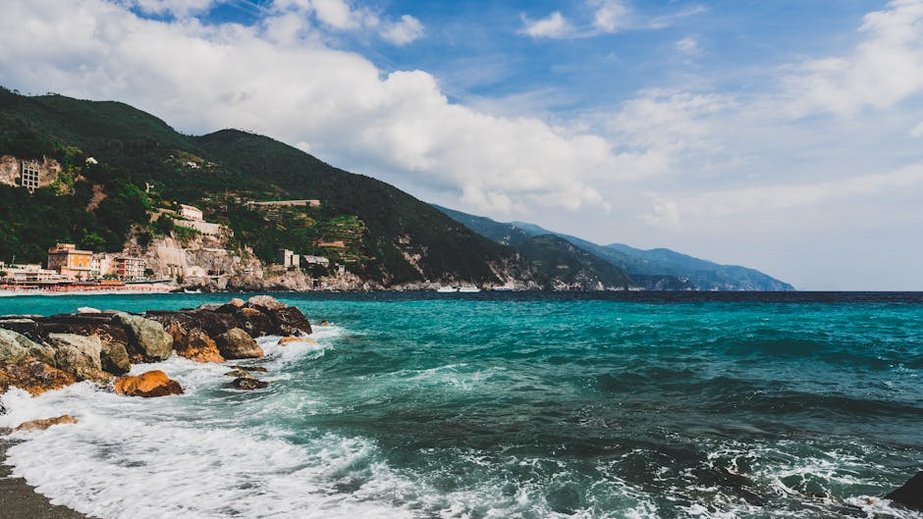
Cinque Terre Coastal Villages: Italy’s Colorful Seaside Escape
The Cinque Terre coastal villages represent one of Italy’s most breathtaking destinations, where five vibrant fishing communities cling to cliffs along the Ligurian coastline. These UNESCO-protected settlements offer dramatic sea views, historic architecture, and world-class hiking trails connecting Monterosso al Mare, Vernazza, Corniglia, Manarola, and Riomaggiore. This guide covers essential planning tips, seasonal advice, and insider knowledge for exploring these remarkable Italian landmarks.
Essential Cinque Terre Information
The Cinque Terre comprises five distinct villages each with unique character and attractions along the Italian Riviera. Monterosso al Mare features the region’s largest sandy beach, while Vernazza boasts a picturesque harbor surrounded by colorful buildings. Corniglia sits highest atop cliffs, Manarola delivers iconic sunset views, and Riomaggiore offers dramatic harbor scenery and wine bars.
These medieval villages developed between the 11th and 15th centuries as fortified settlements against pirate attacks. Their steep terraced hillsides have been cultivated for centuries with vineyards and olive groves using dry stone walls. The area gained UNESCO World Heritage status in 1997 for representing harmonious interaction between people and environment.
Village Characteristics and Layout
Each settlement presents different experiences and accessibility levels for visitors.
- Monterosso al Mare provides the most amenities with hotels, restaurants, and beach facilities, making it ideal for families and travelers seeking convenience.
- Vernazza features a natural harbor, medieval castle tower, and narrow streets leading to scenic viewpoints perfect for photography enthusiasts.
- Corniglia stands 100 meters above sea level requiring 365 steps from the station, offering tranquility and panoramic views away from crowds.
- Budget travelers can manage on $80-120 daily using hostel dormitories, picnic lunches from markets, Cinque Terre Trekking Card, and regional train passes between villages.
- Mid-range visitors spending $150-250 per day enjoy private rooms with sea views, restaurant meals featuring local seafood, boat tours, and wine tasting experiences in village cantinas.
- Luxury experiences at $300-500 daily include boutique hotels with terraces, fine dining at Michelin-recognized establishments, private boat charters, and guided hiking tours with photography experts.
- Parco Nazionale delle Cinque Terre Official Site
- UNESCO World Heritage Centre
UNESCO Protection and Conservation
The UNESCO designation recognizes the cultural landscape of these Ligurian coastal villages and their traditional agricultural practices. Preservation efforts focus on maintaining the historic architecture, protecting the marine environment, and sustaining the dry-stone wall terraces that prevent erosion. Visitor numbers are managed through the Cinque Terre Card system which funds conservation projects.
Local regulations limit new construction and commercial development to preserve the authentic character of these medieval settlements. The national park authority maintains hiking trails, monitors environmental impact, and supports traditional winemaking and fishing industries. These measures ensure the region’s long-term sustainability amid growing tourism pressure.
Geographical Context and Climate
The Ligurian coast enjoys a Mediterranean climate with mild winters and warm summers moderated by sea breezes. Average temperatures range from 50°F (10°C) in January to 80°F (27°C) in July, with swimming possible from May through October. The steep terrain creates microclimates where southern slopes receive more sun for vineyards while northern areas remain cooler.
Rainfall concentrates in autumn and spring, with November being the wettest month averaging 5 inches. Summer months see minimal precipitation, making June through September ideal for coastal activities. The mountainous landscape affects weather patterns, with sudden storms possible though rarely lasting more than a few hours.
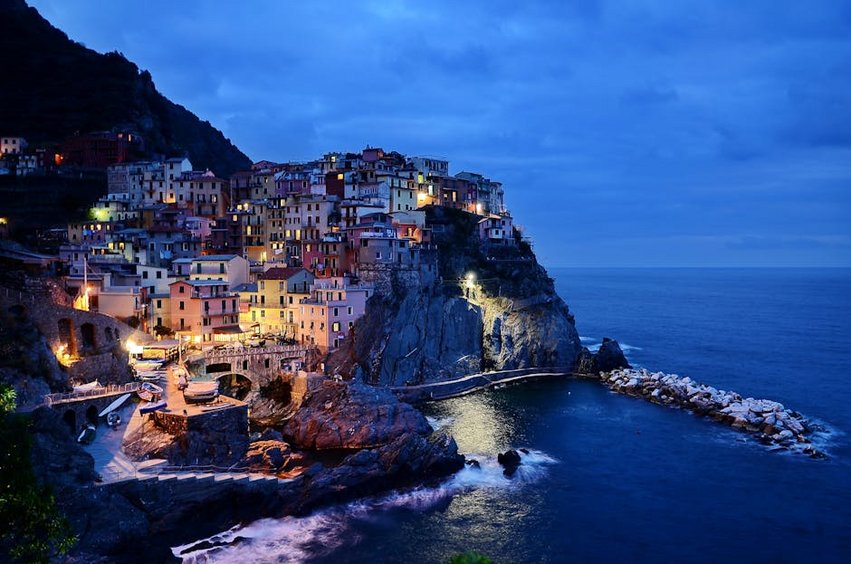
Alt: “cinque-terre-coastal-villages-vernazza-harbor-colorful-houses”
Planning Your Cinque Terre Coastal Villages Trip
Organizing your Cinque Terre coastal villages adventure requires consideration of seasonality, accommodation options, and transportation between the five settlements. The compact nature of these destinations means you can visit multiple villages in one day, but allocating 2-3 days provides a more relaxed experience. Advance reservations are essential during peak seasons from April through October.
Budget planning should account for the Cinque Terre Card which covers trail access and local train travel between villages. Accommodation prices vary significantly by season, with summer premiums of 30-50% higher than spring or autumn rates. The region’s popularity means booking hotels 3-4 months ahead for summer visits and 2 months for shoulder seasons.
Best Time to Visit Cinque Terre
April through June offers ideal conditions with temperatures between 65-75°F (18-24°C), blooming wildflowers, and manageable crowds before summer peaks. September and October provide similar weather patterns with warmer sea temperatures around 70°F (21°C) perfect for swimming after the summer heat diminishes.
July and August deliver the warmest weather reaching 85°F (29°C) but attract the largest crowds, requiring patience at popular viewpoints and restaurants. Winter months from November to March see fewer visitors, with some trail sections possibly closed, but offer peaceful exploration and lower accommodation rates around 40% less than summer prices.
Budget Planning and Costs
Travel expenses vary significantly based on accommodation style, dining choices, and activities selected.
Essential Preparation Checklist
Pack comfortable walking shoes with good grip for uneven stone paths and steep trail sections through the national park. Lightweight layers adapt to changing conditions, while swimwear is essential for beach visits and boat trips during warmer months. A reusable water bottle saves money and reduces plastic waste in this environmentally sensitive area.
Secure your Cinque Terre Card online before arrival to avoid queues, especially when visiting between March and October. European visitors need only national ID, while US passport holders require no visa for stays under 90 days. Travel insurance covering hiking activities and trip interruptions provides peace of mind given the terrain and weather variables.
Top Attractions and Activities
These Ligurian coastal settlements offer diverse experiences from world-famous hiking trails to secluded coves and historic religious sites. The Sentiero Azzurro coastal path connects all five villages with varying difficulty levels and breathtaking Mediterranean vistas. Each community maintains its unique charm with family-owned trattorias, artisan shops, and fishing traditions continuing for generations.
Beyond the iconic colorful houses, visitors discover medieval castles, ancient churches, and maritime museums documenting the region’s history. Boat tours provide alternative perspectives of the cliffside villages, while swimming spots range from organized beaches to hidden rocky inlets. Evening brings passeggiata traditions where locals and visitors stroll through village centers as lights illuminate the coastline.
Must-See Highlights
Monterosso’s Aurora Tower and medieval old town showcase the village’s defensive history against Saracen pirates. The 14th-century Church of San Giovanni Battista features Gothic-Ligurian architecture and valuable artworks. Fegina beach offers the region’s best swimming with equipment rentals and waterfront dining options.
Vernazza’s Doria Castle provides panoramic views from its circular tower overlooking the harbor and main square. Santa Margherita di Antiochia Church dates to 1318 with an unusual east-facing entrance. The harbor breakwater creates a natural swimming pool protected from waves, perfect for families with children.
Manarola’s scenic viewpoint along the Via dell’Amore trail delivers the classic Cinque Terre photograph, especially at sunset. The 14th-century San Lorenzo church contains a rare 15th-century polyptych. Local wineries offer tastings of Sciacchetrà, the region’s celebrated sweet wine produced from terrace vineyards.
Hidden Gems and Local Favorites
Corniglia’s Santa Maria Terrace provides stunning coastal views without the crowds found in other villages. The Oratorio dei Disciplinati features 18th-century frescoes rarely mentioned in guidebooks. Local farmers sometimes offer informal wine tastings from their cellars behind the main street.
Riomaggiore’s Castello di Cerrico offers peaceful gardens and exhibition spaces with minimal entrance fees. The beach at Canneto requires a short hike but rewards with relative seclusion and excellent snorkeling opportunities. Evening aperitivo at vertical wine bars built into cliffside buildings creates memorable experiences.
Hiking the Cinque Terre Trails
The Sentiero Azzurro (Blue Trail) connects all five villages with sections ranging from easy paved paths to challenging ascents. The Monterosso-Vernazza segment spans 3.5km with significant elevation changes but delivers the most dramatic coastal photography opportunities. Trail conditions vary seasonally, with some sections requiring temporary closures after heavy rainfall.
Advanced hikers explore higher altitude paths like Sentiero Rosso (Red Trail) which crosses the entire park ridge with panoramic views. These less-crowded alternatives require proper footwear, water supplies, and 5-7 hours for completion. The national park office provides updated trail maps and conditions at each village station.
Practical Travel Information
Reaching the Cinque Terre involves train travel from major Italian cities, with La Spezia serving as the primary gateway station. Regional trains run frequently between villages, taking 5-15 minutes between stops. Boat services operate April through October, providing scenic transportation and photo opportunities from the water.
Accommodation ranges from budget-friendly hostels to luxury hotels, though options are limited in smaller villages. Many visitors base in La Spezia for wider selection and lower prices, commuting daily via the efficient train system. Car travel is discouraged as villages have limited vehicle access and parking costs approximately $25-35 daily.
| Accommodation Type | Features and Locations | Price Range (USD) |
|---|---|---|
| Budget Hostels | Dormitory rooms, shared kitchens, social atmosphere in Monterosso and Riomaggiore | $30-60 per night |
| Mid-Range Hotels | Private bathrooms, sea views, breakfast included, located in Vernazza and Manarola centers | $120-220 per night |
| Boutique Accommodations | Historic buildings, terraces, personalized service, limited availability in Corniglia | $250-400 per night |
| Vacation Rentals | Apartments with kitchens, multiple bedrooms, village locations with 3-night minimums | $150-300 per night |