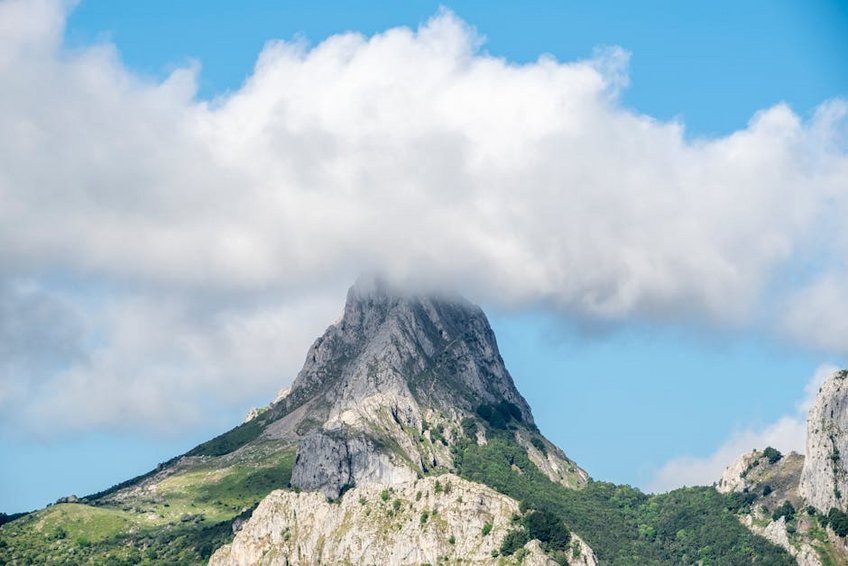
Spain Picos de Europa Mountains: Alpine Hikes and Cultural Gems
The Spain Picos de Europa Mountains deliver dramatic limestone peaks, deep gorges, and quaint villages across northern Spain’s green landscapes. This compact range offers world-class hiking, rare wildlife sightings, and rich Asturian culture within easy reach of coastal cities. Our guide details trail strategies, seasonal timing, and local secrets for crafting your ideal mountain escape.
Essential Picos de Europa Overview
Picos de Europa forms a breathtaking limestone massif spanning Asturias, Cantabria, and Castile and León regions. This national park protects unique ecosystems like Cantabrian brown bear habitats and ancient beech forests. Visitors discover stunning glacial lakes, underground cave systems, and historic religious sites.
What You Need to Know
Before visiting, understand these key facts about the park’s geography and regulations.
- Picos de Europa became Spain’s first national park in 1918, originally covering Covadonga Mountain and expanding to 67,455 hectares today.
- The mountains feature three massifs: Central (Urrieles), Eastern (Ándara), and Western (Cornión), with Central containing the highest peak Torre de Cerredo at 2,648 meters (8,688 feet).
- Park entry remains free with no permits required for independent hiking, though some activities like via ferrata or cave exploring need guided tours.
- Budget travelers spend $40-70 daily using campgrounds or pilgrim hostels, self-catering meals, and free hiking trails without guides.
- Mid-range visitors allocate $80-150 daily for rural guesthouses, guided day hikes, and restaurant meals featuring local cider and cabrales cheese.
- Luxury experiences cost $200-400 daily with boutique hotels, private guides for via ferrata, and multi-course dinners at renowned asadores.
- Official Spain Tourism Board
- National Parks Conservation Association
Key Geological Features
This karst landscape developed over millennia through glacial erosion and water dissolution. The resulting terrain includes Europe’s deepest gorges, such as Cares Gorge dropping 1,500 meters (4,921 feet). These formations create microclimates supporting diverse flora from alpine flowers to oak forests.
Glacial lakes like Enol and Ercina in Covadonga showcase turquoise waters against stark peaks. Underground, systems like Pozo del Alba descend over 300 meters (984 feet) with spectacular stalactite formations. This variety makes the park a geology enthusiast’s dream destination.
Historical and Cultural Context
Human presence dates to Paleolithic times with cave art found throughout the region. The Reconquista’s symbolic start occurred at Covadonga Sanctuary where Pelayo achieved the 722 AD victory. This event shaped Spanish national identity and Christian heritage.
Traditional mountain life continues through transhumance farming and artisan cheese production. Villages like Potes and Cangas de Onís preserve historic architecture alongside modern tourism infrastructure. This blend offers authentic cultural immersion.
Spain Picos de Europa Mountains – Planning Your Trip
Successful Picos de Europa visits require strategic timing between May and October for optimal conditions. This planning section covers seasonal variations, budget considerations, and preparation essentials. Your mountain adventure benefits from advance accommodation bookings and flexible weather plans.
Spring brings blooming wildflowers but variable trail accessibility above 1,500 meters (4,921 feet). Summer offers reliable weather yet crowded popular routes like Cares Gorge. Autumn provides colorful foliage with fewer visitors after mid-September.
Best Time to Visit Picos de Europa
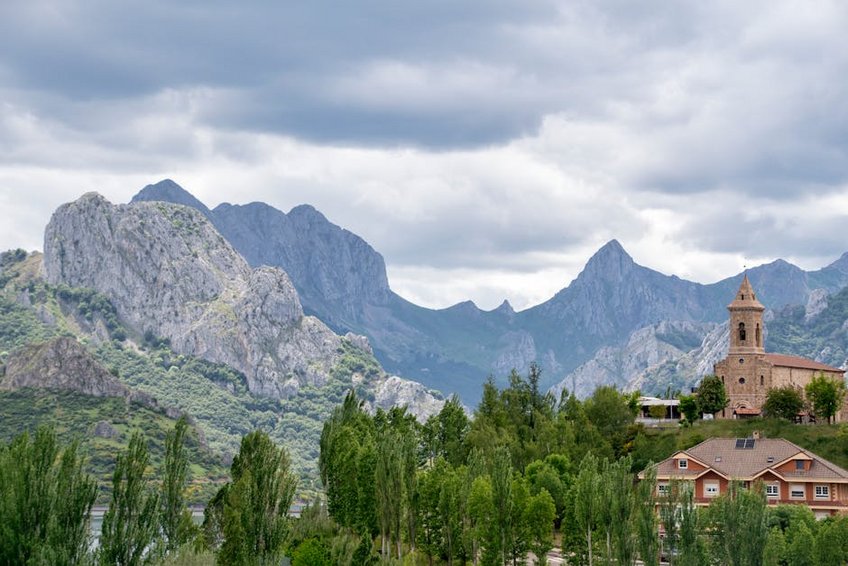
Visit between June and September for guaranteed access to high-altitude trails and comfortable temperatures ranging 15-25°C (59-77°F). July and August see peak visitation requiring early trail starts to avoid congestion at key viewpoints.
Shoulder months May and October offer solitude with temperatures 8-18°C (46-64°F) but possible snow patches on northern slopes. Winter visits suit snowshoeing between December and February with temperatures -5 to 10°C (23-50°F).
Budget Planning and Costs
Daily expenses vary significantly based on accommodation style and activity choices.
Essential Preparation Checklist
Pack layered clothing including waterproof jackets, moisture-wicking base layers, and sturdy hiking boots with ankle support. Temperatures drop rapidly at elevation with potential weather shifts within hours.
Bring detailed topographic maps, compass, headlamp, and portable charger since cellular service remains unreliable in valleys. EU travelers need no visa for stays under 90 days, but comprehensive travel insurance covering mountain rescue is mandatory.
Top Attractions and Activities
Picos de Europa delivers unforgettable experiences from challenging multi-day treks to leisurely cultural explorations. The park’s infrastructure supports various fitness levels with cable cars accessing high viewpoints and well-marked trails for independent navigation.
Wildlife enthusiasts spot Cantabrian chamois, Iberian wolves, and numerous bird species including griffon vultures and capercaillie. Cultural highlights include prehistoric cave art sites and medieval monasteries dotting the foothills.
Must-See Highlights
Covadonga Lakes and Sanctuary represent the park’s spiritual heart with panoramic views from Mount Ario. The site combines natural beauty with historical significance from the Reconquista period. Visit early morning to avoid tour groups and capture best photography light.
Cares Gorge Trail runs 12 kilometers (7.5 miles) between Poncebos and Caín with dramatic cliffside paths carved into rock faces. This engineering marvel requires 4-6 hours round trip with no shade, so carry ample water and start before 9 AM.
Fuente Dé Cable Car lifts visitors 800 meters (2,625 feet) to spectacular overlooks at 1,823 meters (5,981 feet). From the upper station, multiple hiking routes access high alpine terrain with minimal effort. Purchase tickets online to bypass queues.
Hidden Gems and Local Favorites
Bulnes Village remains inaccessible by road, reached only by footpath or funicular from Poncebos. This isolated settlement preserves traditional stone architecture and offers authentic sidrerías serving local cider poured from height.
Ostón Lake requires a strenuous 3-hour hike from Sotres but rewards with pristine waters reflecting the peaks. Fewer visitors reach this glacial cirque, creating peaceful picnic opportunities amid wild pony sightings.
Hiking Trails and Outdoor Activities
Multi-day routes like the Circular de los Picos connect refuges while traversing all three massifs over 5-7 days. These high-level paths demand experience with navigation and variable weather conditions.
Via ferrata routes at Naranjo de Bulnes provide thrilling climbing with metal rungs and cables for safety. Beginners should hire guides from companies like Aventura en los Picos for proper instruction and equipment rental.
Practical Travel Information
Reaching Picos de Europa involves flying into regional airports then driving or taking buses to park gateways. Santander Airport (SDR) sits 100 kilometers (62 miles) east while Asturias Airport (OVD) lies 120 kilometers (75 miles) west.
Accommodation ranges from mountain refuges to luxury paradors with advance reservations crucial June-September. Rental cars provide flexibility for exploring multiple valleys, though parking fills quickly at popular trailheads.
| Category | Options/Features | Price Range (USD) |
|---|---|---|
| Accommodation | Mountain refuges, rural hotels, guesthouses with breakfast | $50-150 per night |
| Transportation | Rental car, bus tours, taxi services between villages | $30-100 per day |
| Activities | Guided hikes, cable car rides, wildlife watching tours | $20-80 per person |
| Food & Dining | Local restaurants, picnic supplies, market visits | $15-50 per day |