Spain Ronda Bridge Gorge: Your Complete Travel Guide
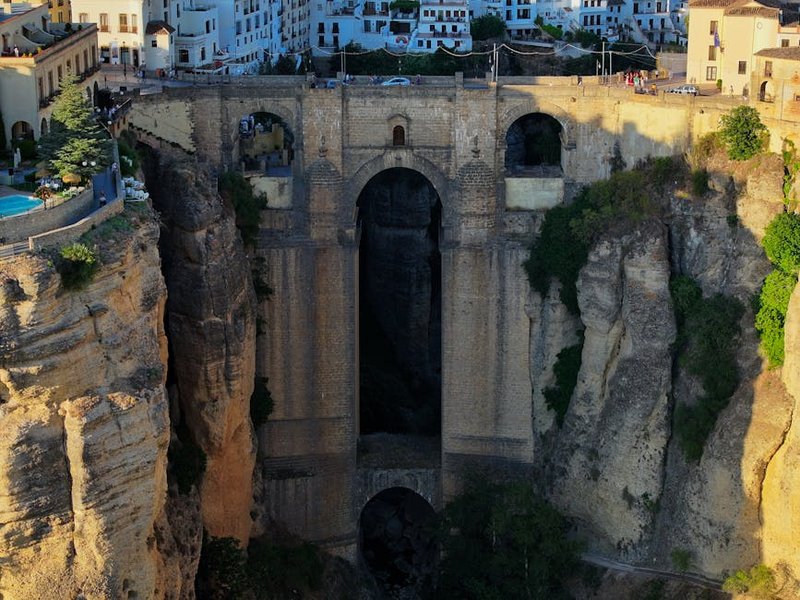
Exploring the Spain Ronda Bridge Gorge immerses you in Andalusia’s dramatic landscape where the Puente Nuevo spans the deep El Tajo Gorge. This iconic 18th-century bridge connects Ronda’s old and new towns while offering breathtaking views from 120 meters above the river. Our guide provides essential tips for visiting the bridge, hiking the gorge trails, and experiencing local culture during your Spanish adventure.
Essential Ronda Information
Ronda sits within Spain’s Malaga province, perched atop a mountainous plateau in southern Andalusia. The town’s history dates back to Roman times, with Moorish influences visible in its architecture and urban layout. El Tajo Gorge naturally divides the settlement, creating the dramatic setting for the famous bridge.
Puente Nuevo represents one of Spain’s most photographed landmarks, completed in 1793 after four decades of construction. The bridge’s central chamber once served as a prison during various historical conflicts. Today, it stands as a testament to 18th-century engineering and Ronda’s strategic importance.
Historical Significance of Puente Nuevo
The bridge’s construction began in 1751 under King Felipe V’s reign, aiming to replace earlier unstable structures. Engineer José Martín de Aldehuela designed the impressive stone arch spanning 66 meters across the gorge. Historical records indicate approximately 50 workers lost their lives during the dangerous construction process.
- Construction Timeline: 1751-1793 (42 years total)
- Architect: José Martín de Aldehuela
- Dimensions: 66-meter span, 120-meter height
- Budget travelers can manage $50-80 daily using hostels, public transportation, and mercado meals while enjoying free bridge viewpoints and self-guided gorge walks.
- Mid-range visitors spend $100-150 daily for hotel accommodations, restaurant dining, and guided tours that provide historical context about the bridge construction and local culture.
- Luxury experiences cost $200+ daily featuring boutique parador hotels, private guides, and premium dining with panoramic gorge views from terrace restaurants.
- Andalusia Tourism Board
- Wikipedia Ronda Information
Geographical Features of El Tajo Gorge
El Tajo Gorge stretches approximately 500 meters long with vertical limestone walls reaching 120 meters deep. The Guadalevín River carved this dramatic canyon over millennia, creating Ronda’s distinctive split geography. Visitors can access walking paths along both sides of the gorge for different perspective views.
The geological formation consists primarily of limestone and dolomite rock dating to the Jurassic period. Seasonal variations affect the river’s flow, with spring typically showing stronger water movement. Erosion patterns continue shaping the gorge walls, though stabilization efforts protect the historic structures.
Cultural Importance in Andalusia
Ronda’s bridge and gorge feature prominently in Spanish literature and art throughout history. Ernest Hemingway referenced the location in “For Whom the Bell Tolls,” drawing international attention to the site. Local festivals often incorporate the bridge as a central element in traditional celebrations.
The town maintains strong bullfighting traditions at Plaza de Toros, one of Spain’s oldest bullrings near the gorge. Ronda’s white villages (pueblos blancos) characteristic architecture complements the natural landscape. Preservation efforts ensure both natural and historical elements remain accessible to visitors.
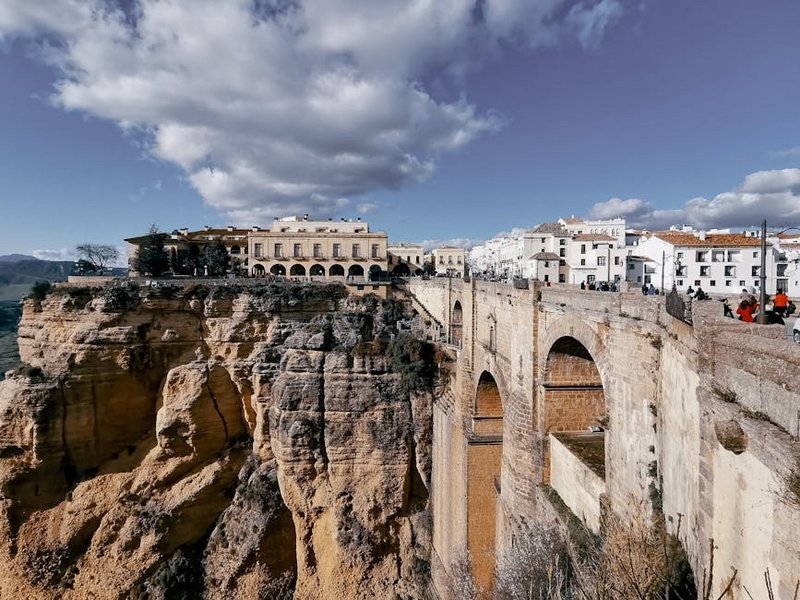
Alt: “ronda-new-bridge-spanning-deep-gorge-andalusia-spain”
Spain Ronda Bridge Gorge – Planning Your Trip
Your Spain Ronda Bridge Gorge visit requires careful timing to avoid summer crowds while ensuring pleasant weather conditions. Spring and autumn months provide ideal temperatures between 60-75°F (15-24°C) with fewer tourists blocking viewpoints. Advance accommodation bookings become essential during peak seasons around the bridge area.
Budget approximately $50-150 daily depending on your travel style and accommodation preferences. The town’s compact size allows thorough exploration within 1-2 full days, though photography enthusiasts might extend stays. Combine your Ronda visit with other Andalusia destinations like Seville or Granada for a comprehensive Spanish experience.
Best Time to Visit Ronda Bridge and Gorge
Visit between March-May or September-October for optimal weather conditions and manageable crowd levels. Daytime temperatures range from 60-75°F (15-24°C) during these shoulder seasons with minimal rainfall. July-August brings intense heat exceeding 90°F (32°C) and significantly larger tourist groups at popular viewpoints.
Winter months from November-February offer cooler temperatures 45-60°F (7-15°C) with potential rain showers. Fewer visitors during this period provide better photography opportunities without crowds. Some hiking trails might become slippery after rainfall, requiring appropriate footwear for safety.
Budget Planning and Costs
Ronda accommodates various budget levels through different accommodation and dining options.
Essential Preparation Checklist
Pack comfortable walking shoes with good traction for navigating Ronda’s cobblestone streets and uneven gorge paths. Bring layers for changing temperatures between sunny plateaus and shaded canyon areas. Photography equipment should include wide-angle lenses for bridge shots and telephoto for capturing details across the gorge.
EU citizens need only national ID cards while US passport holders require no visa for stays under 90 days. Book accommodations 2-3 months ahead for peak season visits near the bridge area. Travel insurance should cover potential hiking mishaps or weather-related itinerary changes in the mountainous region.
Top Attractions and Activities
Ronda’s dramatic landscape offers numerous vantage points for photographing the iconic bridge against the deep gorge backdrop. The Mirador de Aldehuela provides direct views of Puente Nuevo’s architectural details from the new town side. Opposite viewpoints from the old town reveal the bridge’s relationship to the historic quarter and surrounding mountains.
Beyond the main bridge, explore the Arab Baths (Baños Árabes) showcasing 13th-century Moorish architecture near the gorge edge. Plaza de Toros bullring museum illustrates Ronda’s bullfighting heritage within walking distance. Several hiking trails descend into the gorge for unique perspective views of the bridge structure.
Must-See Highlights
Puente Nuevo’s visitor center inside the bridge chamber details construction history through exhibits and models. Access requires small admission fee around $4 with operating hours 10am-6pm daily. The chamber’s strategic windows frame perfect photographs of the gorge below and surrounding landscape.
Mirador de Ronda offers spectacular panoramic views of the entire bridge and gorge system from a protected platform. This free viewpoint attracts photographers during golden hour when lighting enhances the stone architecture. Arrive early morning to avoid crowds and capture the best lighting conditions.
Palacio de Mondragón combines museum exhibits with beautiful gardens overlooking the gorge from the old town side. Admission costs approximately $6 with highlights including Moorish courtyards and historical artifacts. The palace’s terrace provides alternative bridge views less crowded than main viewpoints.
Hidden Gems and Local Favorites
Casa del Rey Moro features hidden water mine stairs descending 200 steps into the gorge with minimal visitors. The $8 admission includes garden access and the challenging descent offering unique bridge perspectives. Wear sturdy shoes as the stone steps become slippery near the bottom section.
Hiking the Sendero de la Mina trail provides peaceful alternative views away from main tourist areas. This path follows the river below the bridge through shaded areas with occasional wildlife sightings. Local guides sometimes lead small groups along this route for $20-30 per person.
Photography and Viewpoint Strategies
Early morning light between 7-9am creates ideal conditions for bridge photography with soft shadows and minimal crowds. Position yourself at Mirador de Aldehuela for front-lit images showing architectural details. Evening shots from the old town side capture dramatic sunset colors against the stone structure.
Use polarizing filters to manage glare from limestone walls and enhance sky contrast in your images. Telephoto lenses help isolate bridge details while wide-angle options encompass the full gorge landscape. Tripods prove essential for long exposures during blue hour when the bridge illuminates against darkening skies.
Practical Travel Information
Ronda’s transportation hub connects efficiently to major Andalusia cities through train and bus services. The train station sits 1km from the town center with regular services to Malaga and Cordoba. Buses provide more frequent connections to surrounding white villages and larger cities like Seville.
Accommodation options range from historic paradors to modern hotels, with many offering direct gorge views. Booking 2-3 months in advance secures the best locations near the bridge during peak seasons. Consider staying in the old town for traditional atmosphere or new town for easier parking access.
| Category | Options/Features | Price Range (USD) |
|---|---|---|
| Accommodation | Parador Hotel, B&Bs, Vacation Rentals | $80-250/night |
| Transportation | Train, Bus, Rental Car | $15-60/day |
| Activities | Bridge Tours, Gorge Hiking, Museum Entries | $5-40/activity |
| Dining | Restaurants, Tapas Bars, Markets | $15-50/meal |