Hiking the Luxembourg Mullerthal Trail: Your Complete Guide
The Luxembourg Mullerthal Trail winds through stunning sandstone formations, dense forests, and picturesque villages across eastern Luxembourg’s Little Switzerland region. This 112-kilometer network offers three interconnected loops with varying difficulty levels, passing historic castles, rock labyrinths, and serene river valleys accessible year-round. Your guide covers essential planning tips, must-see attractions, accommodation options, and cultural insights for an unforgettable hiking experience through this unique European landscape.
Essential Mullerthal Trail Information
The Mullerthal Trail spans approximately 70 miles through Luxembourg’s Mullerthal region, often called Little Switzerland due to its rugged terrain and rock formations. Established in 2005, this certified premium hiking trail maintains excellent waymarking with distinctive white-blue signs guiding you through forests, past waterfalls, and across medieval bridges. Luxembourg’s efficient public transportation system connects all trail sections, making day hikes or multi-day adventures equally feasible for international visitors.
Luxembourg’s temperate climate brings mild summers and chilly winters, with hiking conditions varying significantly between seasons. Spring and autumn deliver optimal weather with comfortable temperatures between 50-68°F (10-20°C) and vibrant foliage colors enhancing the scenic views. Summer months attract more crowds but offer longer daylight hours, while winter transforms the landscape into a peaceful snowy wonderland requiring proper gear and preparation.
Trail Geography and Landscape Features
The Mullerthal region’s unique geology features weathered sandstone formations creating natural arches, narrow gorges, and hidden caves throughout the hiking routes. These rock structures resulted from millions of years of erosion, with some formations reaching heights over 30 meters alongside moss-covered valleys and crystal-clear streams. The trail system carefully navigates this fragile ecosystem while providing access to its most spectacular natural wonders.
Historical Context and Cultural Significance
Luxembourg’s history deeply influences the Mullerthal Trail experience, with medieval castles, ancient Roman roads, and traditional villages dotting the landscape. Echternach, Luxembourg’s oldest town, features a Benedictine abbey founded in 698 AD and serves as a primary trail gateway. Local communities maintain strong cultural traditions, including the famous dancing procession in Echternach each Whit Tuesday, celebrating Saint Willibrord’s legacy.
Trail Difficulty and Route Options
The Mullerthal Trail offers three main routes ranging from moderate to challenging, with Route 1 covering 37.8 km, Route 2 spanning 38.2 km, and Route 3 extending 36.7 km through different landscapes. Each route presents unique challenges with elevation gains up to 300 meters, rocky sections requiring sure footing, and occasional steep ascents through forest paths. Beginners can comfortably manage most sections with proper footwear and pacing, while experienced hikers appreciate the technical rock passages.
Planning Your Luxembourg Mullerthal Trail Adventure
Organizing your Luxembourg Mullerthal Trail hike requires considering seasonal weather patterns, accommodation availability, and transportation logistics between trail sections. Spring and early autumn deliver ideal conditions with moderate temperatures between 55-65°F (13-18°C) and fewer visitors compared to summer peak season. Booking accommodations three months in advance secures better rates at popular guesthouses, while last-minute options remain available through local tourism offices.
Budget planning should account for Luxembourg’s higher cost of living compared to neighboring countries, with daily expenses averaging $80-150 per person including meals, lodging, and transportation. The trail’s proximity to towns like Echternach, Beaufort, and Larochette allows flexible itinerary planning with multiple starting points accessible via Luxembourg’s efficient bus network. Pack waterproof layers regardless of season, as weather changes rapidly in this region.
Best Time to Visit the Mullerthal Trail
Visit between April and June for optimal hiking conditions with temperatures ranging from 55-70°F (13-21°C), wildflower displays, and manageable crowd levels before summer vacations. July and August bring warmer weather reaching 75°F (24°C) but attract more visitors, requiring earlier accommodation bookings and morning starts to avoid afternoon heat. September and October offer spectacular autumn colors with crisp air between 50-65°F (10-18°C) and harvest festivals in surrounding villages.
Winter hiking from December through February transforms the landscape into a serene snowy escape with temperatures averaging 32-41°F (0-5°C) and occasional below-freezing conditions. Fewer hikers venture out during these months, creating peaceful solitude but requiring thermal layers, traction devices for icy paths, and shorter daylight hiking windows. Shoulder months like March and November present variable conditions with possible rain or early snow affecting trail accessibility.
Budget Planning and Costs
Your Mullerthal Trail budget varies significantly based on accommodation style, dining preferences, and transportation choices throughout your hiking adventure.
- Budget travelers spend $50-80 daily using campgrounds or dormitories, preparing own meals, and utilizing regional buses included with accommodation guest cards covering local transport.
- Mid-range visitors allocate $100-150 per day for private rooms in guesthouses, restaurant meals featuring local cuisine, and occasional taxi transfers between trail sections when buses don’t align with hiking schedules.
- Luxury experiences cost $200-300 daily through boutique hotels with spa facilities, guided hiking tours including photography instruction, and gourmet dining at Michelin-recognized establishments in Echternach and Beaufort.
- Luxembourg National Tourist Office
- Official Mullerthal Trail Information
Essential Preparation Checklist
Proper gear makes your Mullerthal Trail experience safer and more enjoyable, starting with waterproof hiking boots offering ankle support for rocky sections and potentially muddy paths after rainfall. Pack multiple moisture-wicking layers, including fleece jackets for cooler mornings and breathable shirts for uphill climbs, alongside rain gear regardless of forecast predictions. Navigation tools include the official Mullerthal Trail map, smartphone apps with offline capabilities, and a portable power bank for extended days on the trail.
Documentation requires your passport for EU visitors or visa compliance for non-EU travelers, European Health Insurance Card or equivalent travel insurance covering emergency evacuations, and printed reservation confirmations for accommodations. Book your first night’s lodging before arrival, especially during peak seasons from May through September, with flexibility for subsequent nights based on hiking progress and weather conditions. Research bus schedules connecting trail sections, as services reduce frequency on weekends and holidays.
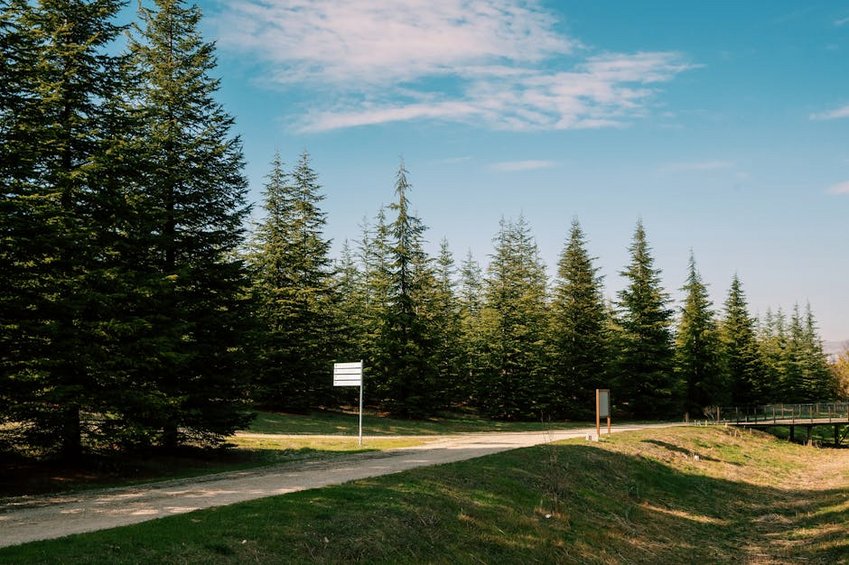
Alt: “mullerthal-trail-sandstone-formations-forest-path”
Top Attractions and Trail Experiences
The Mullerthal Trail’s diverse landscapes offer countless photographic opportunities, historical sites, and natural wonders across its three main routes and connecting paths. Route 1 highlights the Schéissendëmpel waterfall, a magnificent cascade surrounded by rock formations accessible via wooden bridges and viewing platforms perfect for morning photography sessions. Route 2 passes through the Heringer Millen area with traditional watermills and the impressive Kalekapp rock formation, while Route 3 explores the quiet forests near Consdorf with hidden caves and panoramic viewpoints.
Cultural landmarks enhance the hiking experience, including Beaufort Castle dating back to the 11th century with optional guided tours showcasing medieval architecture and local history. Echternach’s historic center features the Basilica of Saint Willibrord, ancient town walls, and weekly markets offering local crafts and regional specialties every Saturday morning. Larochette Castle ruins provide spectacular valley views, particularly during sunset when the sandstone glows with warm light against the surrounding forests.
Must-See Highlights Along the Trail
The Schéissendëmpel waterfall represents one of Luxembourg’s most photographed natural attractions, with water cascading over moss-covered rocks into emerald pools surrounded by ancient beech trees. Visit early morning to avoid crowds and capture the best light filtering through the forest canopy, using a tripod for long exposure shots smoothing the water’s movement. Access requires a slight detour from Route 1, with well-maintained paths and safety railings preventing accidental slips on wet stones.
Beaufort Castle offers fascinating medieval history alongside modern restoration efforts, with audio guides available in multiple languages detailing the castle’s evolution from 12th-century fortress to Renaissance residence. Combined ticket options include the nearby liqueur distillery producing traditional blackcurrant beverages using recipes dating back generations. Allow two hours for thorough exploration, including the herb garden and dungeon areas showcasing historical imprisonment methods.
Echternach’s Benedictine Abbey dominates the town’s central square, with the adjacent Museum of the Abbey presenting religious artifacts, archaeological finds, and interactive displays about Luxembourg’s spiritual heritage. The abbey’s crypt contains Saint Willibrord’s tomb, an important pilgrimage site especially during the annual dancing procession attracting thousands of participants each spring. Free guided tours operate daily except Mondays, with extended hours during summer months accommodating evening visitors.
Hidden Gems and Local Favorites
The Halerbaach rock formations near Berdorf offer secluded hiking through narrow passages and hidden chambers less frequented than main trail sections, requiring careful navigation but rewarding with complete solitude. Local guides occasionally lead tours through this area, sharing stories about the rocks’ geological formation and legendary associations with local folklore characters. Access involves parking in Berdorf and following unmarked paths recommended only for experienced hikers with proper orientation skills.
Consdorf’s prehistoric caves provide fascinating insights into early human settlement patterns, with archaeological evidence suggesting occupation during the Paleolithic era over 10,000 years ago. Information panels in multiple languages explain the excavation discoveries and geological processes creating these sheltered spaces within the sandstone cliffs. Combine with a visit to the nearby Consdorf Mill, now operating as a charming café serving homemade pastries and regional wines perfect for afternoon refreshment.
Photography and Nature Observation Spots
The Mullerthal Trail delivers exceptional photography conditions throughout its length, with golden hour light enhancing the sandstone’s warm tones and creating dramatic shadows across the forest floors. Morning fog often settles in the valleys near Beaufort, producing ethereal landscape scenes particularly during autumn when colorful foliage contrasts with the grey rock formations. Wildlife enthusiasts spot roe deer, wild boar, and numerous bird species including woodpeckers and owls, especially in protected areas like the Aesbach Valley.
Professional photographers favor the Kallektuffquell area near Berdorf, where mineral-rich springs create unique limestone formations and vibrant moss colonies thriving in the constant moisture. Use polarizing filters to reduce glare from wet surfaces and highlight the saturated greens and oranges dominating this micro-ecosystem. The Wollefsschlucht gorge presents dramatic narrow passages with towering rock walls, requiring wide-angle lenses to capture the scale while maintaining hikers for perspective in compositions.
Practical Travel Information for Hikers
Luxembourg’s efficient transportation network simplifies Mullerthal Trail access, with regular trains from Luxembourg City to Echternach taking approximately 45 minutes followed by local buses reaching various trailheads. Rental cars provide flexibility for exploring remote starting points, though parking fills quickly during weekends at popular locations like Berdorf and Beaufort. Consider purchasing the Luxembourg Card offering unlimited public transportation, museum entries, and castle admissions for fixed daily rates.
Accommodation options range from basic campgrounds to luxury hotels, with most establishments providing packed lunch services for hikers and drying facilities for wet gear. Advance reservations prove essential from May through September, though last-minute availability sometimes occurs through local tourism offices managing private room rentals. Many hotels offer luggage transfer services between accommodations, allowing lightweight day hiking while your main baggage arrives at each evening’s destination.
| Accommodation Type | Features and Amenities | Price Range (USD) |
|---|---|---|
| Campgrounds | Basic facilities, shared bathrooms, picnic areas, often located near trail sections | $15-30 per night |
| Guesthouses | Private rooms, breakfast included, luggage storage, local advice from hosts | $80-120 per night |
| Hotels | Ensuite bathrooms, restaurants, spa facilities, organized tours | $130-200 per night |
| Vacation Rentals | Full kitchens, multiple bedrooms, weekly rates, self-catering flexibility | $100-180 per night |