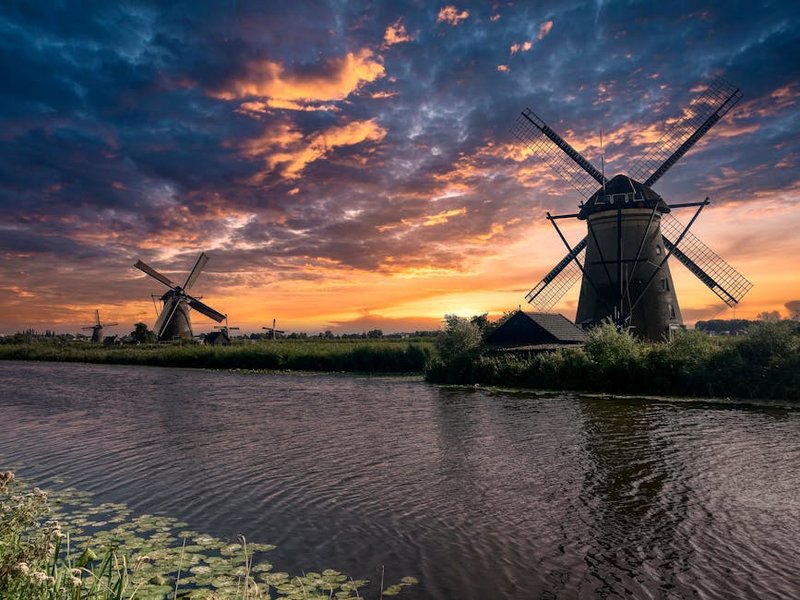
Netherlands Kinderdijk Windmills: Dutch Heritage and Water Management
The Netherlands Kinderdijk windmills represent one of Europe’s most iconic water management systems, preserving nineteenth-century technology within a living cultural landscape. This UNESCO World Heritage site showcases nineteen perfectly preserved windmills that continue demonstrating traditional Dutch water control methods against North Sea tides. Your visit reveals how the Dutch transformed their relationship with water through ingenious engineering and community cooperation across centuries.
Essential Historical and Cultural Context
Kinderdijk’s windmill network dates to 1740, constructed to prevent Alblasserwaard polder flooding through coordinated water pumping into the Lek River. These monumental structures represent the pinnacle of pre-industrial hydraulic engineering, using wind power to operate Archimedes screws and water wheels. Local families historically inhabited the mills, maintaining them generationally while managing regional water levels daily.
UNESCO World Heritage Significance
UNESCO designated Kinderdijk in 1997, recognizing its outstanding universal value as humanity’s cultural heritage. The site demonstrates exceptional human adaptation to environmental challenges through technological innovation. Preservation efforts maintain authentic mill mechanisms while allowing visitor education about sustainable water management principles.
Geographical Setting and Landscape
Kinderdijk occupies the Alblasserwaard polder in South Holland province, approximately fifteen kilometers east of Rotterdam city center. The windmills align along canal networks that systematically drain low-lying peatlands sitting roughly two meters below sea level. This carefully engineered landscape creates the characteristic Dutch panoramas of waterways, dikes, and historic architecture.
Water Management System Operation
Kinderdijk’s mills originally operated in sequential stages, lifting water from lower polders into higher boezem storage basins before final discharge into the river. This cascade system required precise coordination between mill operators, who communicated through sail positions and semaphore signals. Modern electric pumping stations now handle primary water control, while the windmills remain functional demonstration models.
Netherlands Kinderdijk Windmills – Planning Your Visit
Visiting the Netherlands Kinderdijk windmills requires strategic timing between April and September, when weather conditions permit comfortable outdoor exploration and mill interiors remain accessible. Your Netherlands Kinderdijk windmills experience benefits from advance online ticket purchases, which reduce queue times by sixty percent during peak visitation periods. Consider combining your trip with Rotterdam or Dordrecht excursions, as these cities offer convenient public transportation connections.
Best Time to Visit Kinderdijk
Peak season spans May through August, offering warmer temperatures between 65-75°F (18-24°C) and extended daylight hours ideal for photography. These months deliver optimal conditions for boat tours along the canals and unrestricted access to museum mills. Shoulder seasons in April and September provide smaller crowds with temperatures around 55-65°F (13-18°C), though occasional rainfall might affect some outdoor activities.
Budget Planning and Costs
Budget categories vary significantly based on transportation choices and accommodation preferences.
- Budget travelers spend $45-65 daily using regional trains, packed lunches, and hostel accommodations outside Rotterdam, focusing on free walking routes and external mill viewing.
- Mid-range visitors allocate $90-140 daily for combination tickets including boat tours, museum mill entries, and comfortable hotels in Dordrecht with restaurant meals and rental bicycles.
- Luxury experiences cost $200-300 daily featuring private guided tours, water taxi transfers from Rotterdam, and upscale hotel packages with dining reservations and photography workshops.
- Official Kinderdijk World Heritage Foundation
- UNESCO World Heritage Centre Documentation
Essential Preparation Checklist
Pack waterproof jackets and sturdy walking shoes, as Kinderdijk’s unpaved paths become muddy following rainfall, and North Sea winds intensify throughout the day. Bring multiple camera batteries and memory cards, since the photogenic landscapes tempt extensive shooting across different lighting conditions. Check museum mill opening times online before visiting, as operational schedules change seasonally and during maintenance periods.
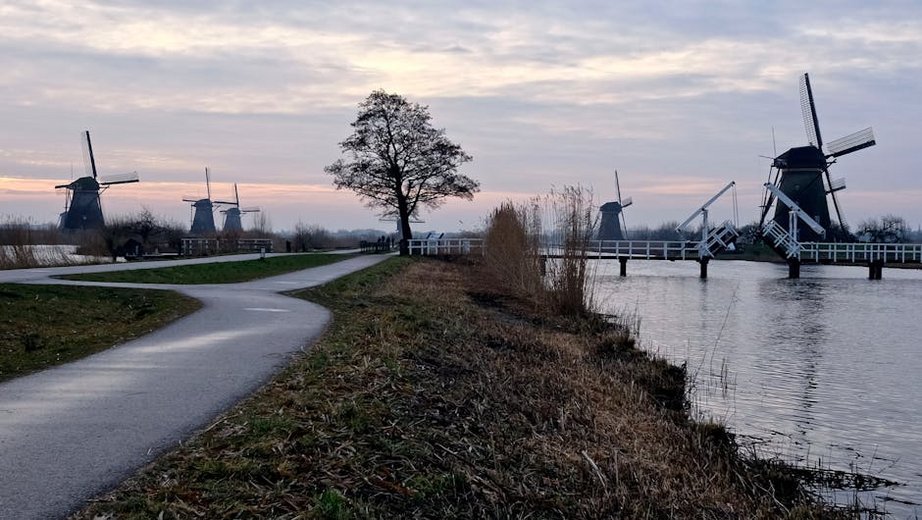
Alt: “kinderdijk-windmills-canal-pathway-visitors-walking”
Top Attractions and Mill Experiences
Kinderdijk’s primary appeal lies in experiencing multiple perspectives of the windmill network through walking, cycling, and boating activities across the UNESCO landscape. The site offers two interior museum mills where visitors examine original mechanisms and learn about miller families’ historical lifestyles. Combination tickets provide best value, including boat transportation between major viewing points and access to educational exhibits.
Must-See Highlights and Viewpoints
Nederwaard Museum Mill demonstrates traditional living conditions with authentically furnished interiors and working machinery demonstrations scheduled hourly. The Blokweer Museum Mill features unique thatched roofing and showcases eighteenth-century agricultural practices with interactive displays. Boat tours along the canals reveal photogenic angles unavailable from land, particularly during morning light when reflections enhance photographic opportunities.
Visitor Center Wisboom offers comprehensive historical exhibitions with scale models explaining water management principles through multilingual audio guides. The panoramic viewpoint near mill number two provides iconic landscape photographs encompassing multiple mills aligned along the waterways. Cycling routes connecting Kinderdijk to surrounding villages allow exploration of regional water management infrastructure beyond the core UNESCO zone.
Hidden Gems and Local Favorites
Early morning visits before 10 AM deliver solitary experiences along the pathways, with mist rising from the canals creating atmospheric photography conditions. Local cyclists recommend the route towards Alblasserdam village, where traditional cheese farms welcome visitors for sampling and purchases. The lesser-visited Overwaard mills on the opposite canal bank offer alternative perspectives with fewer tourists throughout the day.
Windmill Mechanism Demonstrations
Scheduled demonstrations occur daily at designated museum mills, where trained operators explain sail positioning techniques and internal gear systems. Visitors observe traditional maintenance methods, including sail cloth installation and wooden gear lubrication using animal fats. These thirty-minute sessions illustrate how wind direction and strength determined pumping capacity and operational coordination between mills.
Practical Travel Information and Logistics
Kinderdijk accessibility relies on coordinated public transportation from major Dutch cities, with Rotterdam serving as the primary gateway through waterbus services. Accommodation options range from nearby village bed-and-breakfasts to Rotterdam city hotels, each offering different advantages for itinerary planning. Advance reservations prove essential during summer months, particularly for guided tours and special event dates.
| Accommodation Type | Location and Features | Price Range (USD) |
|---|---|---|
| Hostels | Rotterdam city center, shared facilities, bicycle rental | $35-60/night |
| Bed & Breakfast | Alblasserdam villages, home-cooked breakfast, local tips | $85-130/night |
| Mid-Range Hotels | Dordrecht historic center, private bathrooms, parking | $120-180/night |
| Luxury Hotels | Rotterdam waterfront, spa facilities, concierge services | $220-350/night |