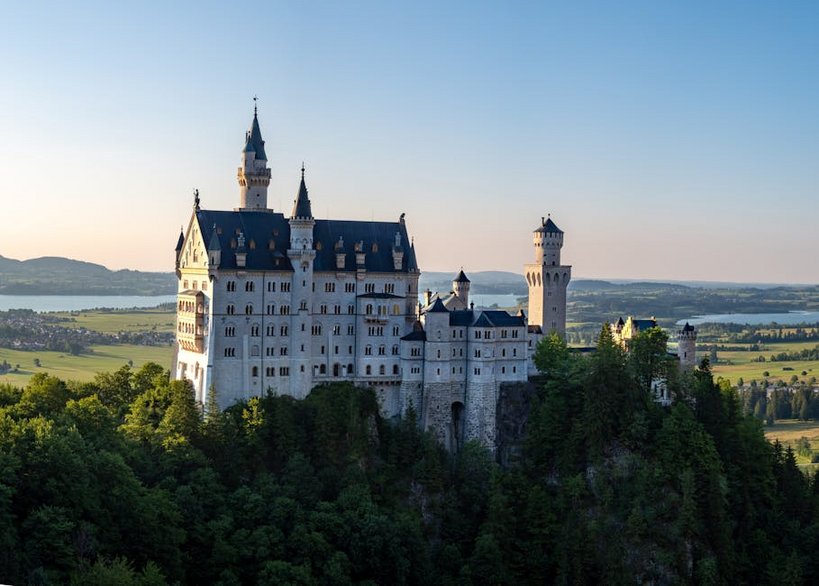
Neuschwanstein Fairytale Castle: Germany’s Enchanting Icon
Neuschwanstein Fairytale Castle stands as Bavaria’s most visited landmark, drawing over 1.4 million annual visitors to its storybook turrets and alpine setting. Commissioned by King Ludwig II in 1869, this Romanesque Revival masterpiece inspired Walt Disney’s Sleeping Beauty Castle and embodies 19th-century romanticism. This guide covers essential planning strategies, must-see attractions, and insider tips for maximizing your visit to this German treasure.
Essential Castle Information
Neuschwanstein Castle resides in southwest Bavaria near Füssen, approximately two hours by car from Munich. King Ludwig II envisioned it as a personal retreat and homage to Richard Wagner’s operas, though he only spent 11 nights there before his mysterious death. Construction spanned from 1869 to 1886, remaining unfinished with only 14 rooms completed from the original 200-room plan.
The castle’s location in the Bavarian Alps provides dramatic scenery across all seasons, with elevations reaching 3,300 feet above sea level. Visitor numbers peak during summer months, requiring advanced ticket reservations through the official Bavarian Palace Department. Its architectural style blends Romanesque, Gothic, and Byzantine elements, creating the quintessential fairytale appearance.
Historical Background and Significance
King Ludwig II ascended the Bavarian throne at age 18 in 1864, earning his “Fairytale King” nickname through extravagant building projects. Neuschwanstein translates to “New Swan Stone,” referencing the Swan Knight from Wagner’s Lohengrin opera. The castle symbolizes Ludwig’s retreat from political realities into a medieval fantasy world, funded entirely from his personal fortune.
- Construction began September 5, 1869, with the throne hall still incomplete at Ludwig’s death in 1886, utilizing modern technology including steel frameworks and central heating systems.
- The castle opened to paying visitors just seven weeks after Ludwig’s passing, initially intended as his private residence rather than a public attraction.
- During World War II, the Nazis stored stolen art treasures in the castle, which fortunately survived Allied bombing despite nearby infrastructure damage.
- Budget travelers spend $50-75 daily using regional trains from Munich ($30 roundtrip), standard castle tickets ($18), and picnic lunches, opting for Füssen hostels at $35-50 nightly.
- Mid-range visitors allocate $100-150 daily with rental cars from Munich ($60 daily), guided castle tours ($25), restaurant meals, and Hohenschwangau hotels at $80-120 nightly including breakfast.
- Luxury experiences cost $200-300+ daily featuring private drivers from Munich ($150), exclusive castle tours ($50), fine dining, and castle-view suites at $180-250 nightly with spa access.
- Bavarian Palace Department
- Füssen Tourism Board
Location and Geographical Context
Neuschwanstein perches on a rugged hill above Hohenschwangau village in the Allgäu region, bordering Austria. The site offers panoramic views of Alpsee Lake and the surrounding Ammergau Alps, with elevations between 2,800-3,300 feet (850-1,000 meters). Visitors access the castle via steep pathways or shuttle buses from the ticket center in Hohenschwangau.
Regional transportation connects through Füssen station, with regular trains from Munich Hauptbahnhof taking approximately two hours. The castle forms part of Bavaria’s Romantic Road tourist route, situated near Hohenschwangau Castle (Ludwig’s childhood home) and the Museum of the Bavarian Kings. This concentration of historical sites makes the area ideal for multi-day exploration.
Visitor Statistics and Operational Details
Annual visitation averages 1.4 million people, with summer months accounting for 60% of total attendance. The castle operates year-round except December 24-25 and January 1, with guided tours lasting 30 minutes through designated rooms. Photography remains prohibited inside the castle interior, though exterior shots from Marienbrücke bridge provide iconic perspectives.
Ticket prices range from €15 for adults to free entry for children under 18, with online reservations strongly recommended during peak season. The Bavarian Palace Department manages operations, employing multilingual staff and providing audio guides in 15 languages. Visitor capacity limits ensure preservation of the delicate interiors and artworks.
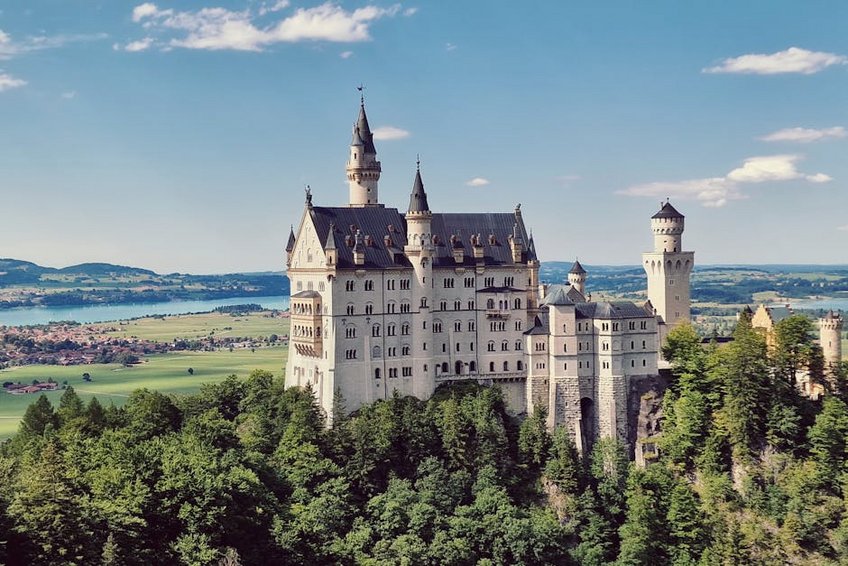
Alt: “neuschwanstein-castle-bavarian-alps-marienbrücke-view”
Planning Your Neuschwanstein Fairytale Castle Trip
Successful Neuschwanstein Fairytale Castle visits require strategic timing between April and October when all facilities operate fully. Budget approximately $75-150 per person for transportation, tickets, and meals from Munich, accounting for potential weather disruptions in mountain regions. Reserve tickets 2-3 months ahead through the official Hohenschwangau ticket center website, especially for weekend dates.
Spring months offer blooming landscapes with smaller crowds before European school holidays begin in late June. Summer provides reliable weather but maximum visitors, while autumn showcases spectacular foliage colors through October. Winter visits present magical snow-covered scenes though some pathways may close during heavy snowfall.
Best Time to Visit Neuschwanstein Castle
Peak season runs June through August with temperatures between 65-75°F (18-24°C) and 10-12 hours of daylight for extended exploring. These months deliver the warmest weather and fully operational shuttle services, though require booking tickets 90 days in advance. July and August attract 5,000+ daily visitors, creating wait times exceeding two hours without reservations.
Shoulder seasons in April-May and September-October provide ideal conditions with temperatures of 50-65°F (10-18°C) and 30-50% fewer visitors. Late September offers particularly stunning alpine foliage with comfortable hiking conditions. Winter months from November to March see temperatures of 25-40°F (-4 to 4°C) with possible snow closures but magical frozen landscapes.
Budget Planning and Costs
Your Bavarian castle experience spans multiple price points depending on transportation choices and accommodation style.
Essential Preparation Checklist
Pack sturdy walking shoes with grip soles for steep castle approaches and variable mountain weather conditions. Bring layered clothing including waterproof jackets, as temperatures can drop suddenly in the Alps regardless of season. Essential gear includes portable phone chargers, reusable water bottles, and Euro cash for small vendors who don’t accept credit cards.
Required documentation includes valid passports for non-EU visitors and European Health Insurance Cards for EU citizens. Book accommodations 3-4 months ahead for summer visits and confirm shuttle bus schedules during winter months. Check the Bavarian Palace Department website for unexpected closures, especially after heavy snowfall or high winds.
Top Attractions and Activities
Neuschwanstein’s appeal extends beyond the castle itself to surrounding natural wonders and historical sites. The Marienbrücke bridge provides the iconic photograph perspective suspended over Pöllat Gorge, originally built for Queen Marie in 1845. Hohenschwangau Castle offers fascinating contrast as Ludwig’s childhood home, with completed interiors showcasing different architectural styles.
Alpsee Lake presents pristine swimming opportunities in summer and frozen beauty in winter, accessible via gentle walking paths from both castles. The Museum of the Bavarian Kings details Wittelsbach dynasty history through multimedia exhibits and original artifacts. Combined tickets covering multiple attractions provide better value for visitors spending full days in the area.
Must-See Highlights
Marienbrücke (Mary’s Bridge) hangs 300 feet above Pöllat Gorge, delivering the quintessential castle photograph especially at sunrise before crowds arrive. Access requires a 15-minute uphill walk from the castle entrance, with the bridge occasionally closing during ice conditions. This steel construction replaces the original wooden bridge, offering unparalleled views of Neuschwanstein’s turrets against alpine backdrop.
The Throne Hall represents Ludwig’s vision despite remaining incomplete, featuring Byzantine-inspired mosaics depicting religious scenes across 4,700 square feet. Singer’s Hall showcases elaborate murals based on Wagner’s operas, intended for private musical performances that never occurred. King’s Bedroom displays intricate wood carvings requiring 14 craftsmen working four years to complete the Gothic-style furnishings.
Hidden Gems and Local Favorites
Tegelberg Mountain cable car ascends 5,500 feet for breathtaking panoramic views over the entire castle region, with paragliding opportunities for adventure seekers. The less-visited Bannwaldsee and Schwansee lakes offer tranquil swimming spots surrounded by forests, accessible via 30-minute walks from Hohenschwangau. These locations provide peaceful alternatives when main attractions become overcrowded.
Local guides in Füssen share insider knowledge about Ludwig’s mysterious death and lesser-known castle features during evening walking tours. Traditional Bavarian music performances occur weekly in Füssen’s medieval center, featuring alphorns and folk dances. Family-run farms along the Forggensee lake road sell authentic regional cheeses and smoked meats directly to visitors.
Photography Tips and Ideal Spots
Early morning light between 7-9 AM creates magical illumination on the castle’s western facade, with fewer visitors obstructing shots from Marienbrücke. Telephoto lenses (70-200mm) compress perspectives from across the valley, while wide-angle lenses capture the castle with foreground wildflowers in spring. Tripod use enhances long exposures during golden hour, though requires early arrival to secure prime locations.
Winter photography presents unique challenges with potential fog and limited daylight, yet rewards with snow-covered scenes unavailable other seasons. The Pöllat Gorge pathway below the castle provides unusual upward angles, accessible via secured trails from the main entrance. Professional photographers recommend polarized filters to reduce glare from the white limestone exterior during bright conditions.
Practical Travel Information
Transportation options vary from efficient train connections to flexible rental cars, with Munich serving as the primary gateway city. Accommodation ranges from budget-friendly guesthouses in Füssen to luxury hotels with direct castle views in Hohenschwangau. Advance planning proves essential during peak seasons when availability diminishes rapidly across all service categories.
Local infrastructure supports visitors well with English-speaking staff at major attractions and comprehensive signage throughout the region. The Bavarian Guest Card offers discounted entry to multiple attractions and public transportation, available through participating hotels. Currency exchange facilities operate in Füssen train station, though credit cards are widely accepted except at small vendors.
| Category | Options/Features | Price Range (USD) |
|---|---|---|
| Accommodation | Füssen hotels with breakfast, Hohenschwangau castle views, family apartments | $50-250 nightly |
| Transportation | Regional trains Munich-Füssen, rental cars, shuttle buses, taxis | $30-150 daily |
| Dining | Bavarian beer gardens, fine restaurants, casual cafes, picnic supplies | $15-60 per person |
| Tours & Activities | Castle guided tours, mountain cable cars, lake boats, museum entries | $20-100 per person |