Switzerland Lauterbrunnen Valley Waterfalls: Alpine Paradise Guide
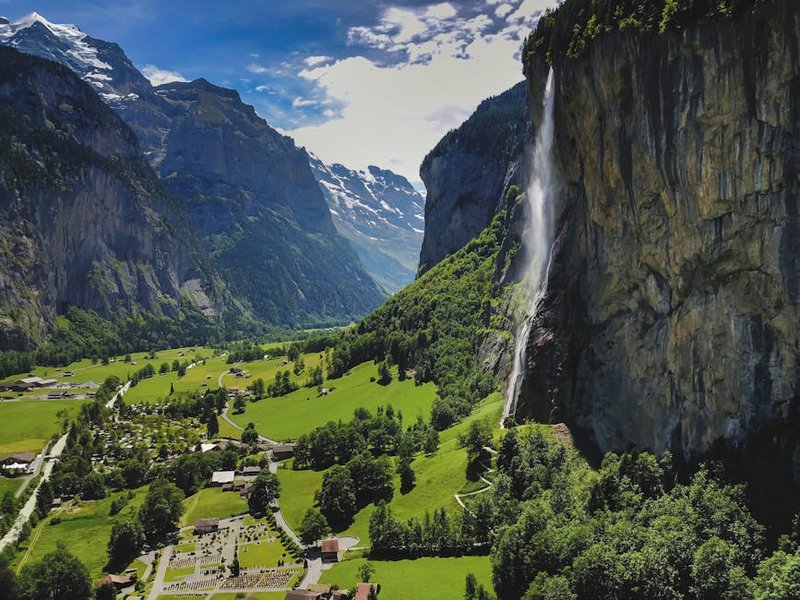
Switzerland Lauterbrunnen Valley Waterfalls offer an unforgettable natural spectacle with 72 cascades set against dramatic Alpine cliffs. This valley combines accessibility from Interlaken with pristine hiking trails suitable for all fitness levels. Our guide covers seasonal visits, budget tips, and hidden spots for maximizing your waterfall experience.
Essential Valley Information
Lauterbrunnen Valley formed during the last Ice Age, carving deep U-shaped gorges that now channel glacial meltwater. The region sits at 800 meters elevation, creating ideal conditions for perpetual waterfall flow. Visitors encounter diverse microclimates even within short distances.
Local legend claims the 72 waterfalls represent tears from mountain spirits, though scientifically they’re fed by melting glaciers. The valley maintains protected status since 2001 under Swiss nature conservation laws. Annual rainfall measures 1400mm, sustaining lush vegetation and powerful flows.
Geological Formation Details
Valley walls consist primarily of limestone and granite, eroded over millennia by the Lütschine River. These rock layers create perfect conditions for waterfall formation and preservation. The steep cliffs drop 300 meters in places.
Climate Patterns and Variations
Spring brings peak waterfall volumes from snowmelt between April and June. Summer temperatures range 65-75°F (18-24°C) with occasional afternoon showers. Winter transforms the valley into frozen spectacle from December through February.
Valley Access and Orientation
Most waterfalls cluster within 4 kilometers of Lauterbrunnen village, easily walkable in 2-3 hours. The valley runs east-west, creating optimal morning light for photography. Clear signage in German, French, and English guides visitors.
Switzerland Lauterbrunnen Valley Waterfalls – Planning Your Trip
Planning your Switzerland Lauterbrunnen Valley Waterfalls adventure requires understanding seasonal variations and transportation logistics. June through September offers warm weather and accessible trails, though July brings peak crowds. Shoulder seasons in May and October provide quieter experiences with moderate temperatures.
Budget-conscious travelers can manage costs through hostel stays and self-guided hiking. The Swiss Travel Pass covers most transportation, while regional passes offer better value for extended stays. Advance booking secures better accommodation rates 2-3 months before travel.
Essential preparations include waterproof hiking boots, layered clothing, and portable water filters. Mobile coverage remains reliable throughout the valley for navigation apps. Carry Swiss francs for small purchases at local farms.
Best Time to Visit Lauterbrunnen Valley
Peak season runs July-August with temperatures 68-75°F (20-24°C) and longest daylight hours. These months guarantee all trails remain open but require early starts to avoid congestion. Hotel prices increase 30% during this period.
Shoulder months May and October offer 55-65°F (13-18°C) temperatures with fewer visitors. Some higher elevation trails may close due to snow remnants or early snowfall. Waterflow remains substantial from spring melt or autumn rains.
Budget Planning and Costs
Consider these three budget tiers for different travel styles.
- Budget travelers spend $80-120 daily using hostels, supermarket picnics, and hiking-only activities. The Valley Hostel offers dorm beds from $35, while regional passes cost $50 for three days.
- Mid-range visitors budget $150-250 daily for hotel stays, restaurant meals, and cable car excursions. Hotel Staubbach provides rooms from $120, while Jungfrau Railway tickets cost $100 round-trip.
- Luxury experiences run $300-500 daily featuring boutique hotels, guided tours, and fine dining. Hotel Oberland offers suites from $250, while private guided hikes cost $150 per person.
- Jungfrau Region Tourism Board
- Switzerland Tourism Official Site
Essential Preparation Checklist
Waterproof hiking boots with ankle support handle uneven trails and waterfall spray effectively. Pack moisture-wicking layers plus insulated jacket for sudden weather changes. Photography gear should include polarizing filters and extra memory cards.
Documentation requires valid passport, European health insurance card, and digital copies of reservations. Book accommodations 60-90 days ahead for summer visits. Check trail conditions via Jungfrau Region app before departure.
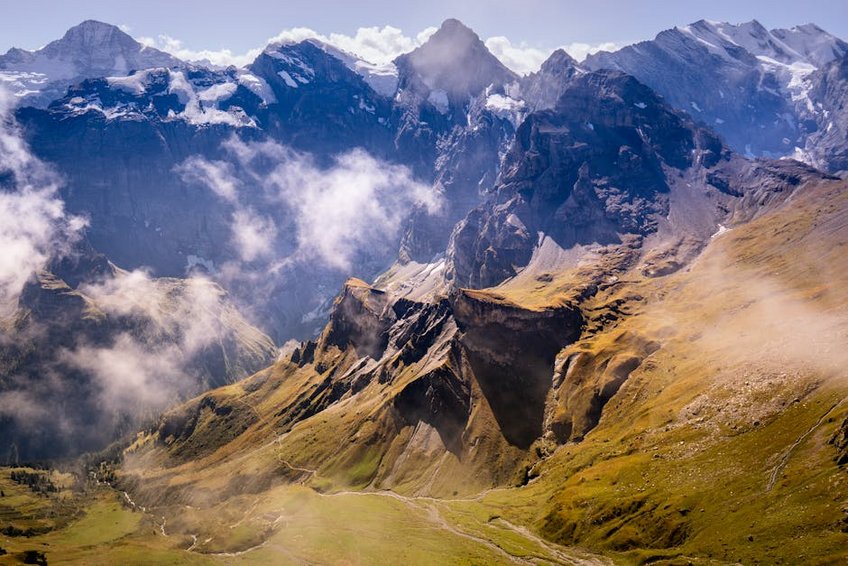
Alt: “lauterbrunnen-valley-staubbach-falls-alpine-meadows”
Top Waterfall Attractions and Hiking
Staubbach Falls dominates the valley entrance with 297-meter drop visible from the village center. This iconic cascade flows strongest during May and June from snowmelt. Visitors can walk behind the falls via maintained pathway from April to October.
Trümmelbach Falls represents Europe’s only glacier waterfalls accessible inside mountain tunnels. These ten glacial falls carry 20,000 liters per second from Eiger, Mönch, and Jungfrau glaciers. Elevator access requires separate admission fee of 14 CHF.
Lesser-known falls like Schmadribach and Mürrenbach offer secluded viewing without crowds. These require moderate hiking but reward with pristine natural settings. Morning light creates perfect photography conditions before 10 AM.
Must-See Waterfall Highlights
Staubbach Falls operates year-round with reduced winter flow creating spectacular ice formations. Access remains free with paved path to viewing platform. Evening illumination creates magical photo opportunities after sunset.
Trümmelbach Falls charges admission but provides unique interior mountain experience. The underground lift ascends 100 meters through carved tunnels. Summer visits require timed tickets to manage visitor numbers effectively.
Mürrenbach Falls near Stechelberg drops 417 meters in multiple tiers visible from valley floor. This cascade remains active throughout summer months. Reach via pleasant 45-minute walk from Lauterbrunnen station.
Hidden Gems and Lesser-Known Falls
Sefinental Falls requires 90-minute hike from Stechelberg but offers complete solitude. The trail passes traditional Swiss farms with cheese tasting opportunities. This waterfall flows strongest during late spring runoff.
Spissbach Falls near Mürren village features delicate cascade perfect for long exposure photography. Access via mountain railway from Lauterbrunnen to Mürren. The viewing area includes picnic spots with valley panoramas.
Local guides recommend Breithorn Falls for adventurous visitors willing to hike 2 hours. This series of cascades remains snow-fed until August. The trailhead begins near Winteregg station.
Photography Tips for Waterfall Shots
Use tripods and neutral density filters for silky water effects in bright conditions. Shoot during golden hour for warm light contrasting with cool water tones. Include human elements for scale against massive rock formations.
Polarizing filters reduce glare from wet surfaces and enhance foliage colors. Bracket exposures for HDR processing of high-contrast scenes. Protect equipment from mist using weather-sealed bags or plastic covers.
Practical Travel Information
Lauterbrunnen village serves as ideal base with frequent transportation connections throughout the region. The community offers supermarkets, restaurants, and outdoor gear rental. Free drinking water stations appear along main trails.
Accommodation ranges from budget hostels to luxury hotels with mountain views. Most properties provide storage for hiking equipment and packed lunches. Advance reservations essential from June through September.
| Accommodation Type | Features and Location | Price Range (USD) |
|---|---|---|
| Budget Hostels | Dorm rooms, shared kitchens, central village location | $35-60 nightly |
| Mid-Range Hotels | Private bathrooms, breakfast included, valley views | $120-200 nightly |
| Mountain Inns | Traditional decor, restaurant access, higher elevation | $180-280 nightly |
| Luxury Resorts | Spa facilities, fine dining, panoramic balconies | $300-500 nightly |