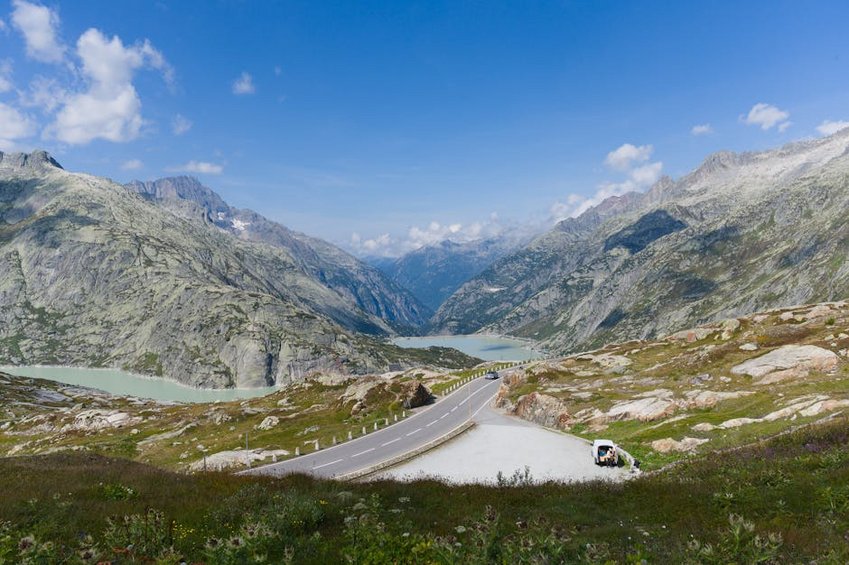
Switzerland Jungfraujoch Top of Europe: Alpine Adventure Guide
Experiencing Switzerland Jungfraujoch Top of Europe delivers unforgettable high-altitude adventures atop Europe’s most accessible glacier. This iconic Swiss destination combines dramatic Alpine scenery with engineering marvels like the Jungfrau Railway and Sphinx Observatory. Our guide provides essential planning tips, activity recommendations, and cultural insights for your mountain journey.
Essential Jungfrau Region Information
The Jungfrau Region spans the Bernese Oberland with elevations reaching 4,158 meters at Jungfraujoch. This UNESCO World Heritage site features Aletsch Glacier, Europe’s longest ice stream. Visitors access the area through picturesque villages like Grindelwald and Wengen.
Switzerland’s efficient transport network connects major cities to the Jungfrau Railway within three hours. The region experiences Alpine climate with significant seasonal variations. Prepare for altitude effects and rapidly changing weather conditions during your visit.
What You Need to Know Before Visiting
These key facts help plan your Jungfraujoch experience effectively.
- Jungfraujoch sits at 3,454 meters elevation with oxygen levels approximately 30% lower than sea level, requiring acclimatization time for sensitive travelers.
- The Jungfrau Railway operates year-round with departures from Kleine Scheidegg, completing the steep ascent through the Eiger mountain in approximately 50 minutes.
- Entrance tickets include access to Ice Palace, Sphinx Observatory terrace, and Alpine Exhibition, with adult fares starting at 210 CHF (approximately $235 USD).
- Budget travelers spend $150-250 daily using hostels in Interlaken, packed lunches, and regional passes covering basic Jungfraujoch access without guided tours.
- Mid-range visitors allocate $300-450 daily for hotel accommodations in Grindelwald, restaurant meals, and premium Jungfraujoch experiences including the Ice Palace and observatory access.
- Luxury experiences cost $500-800 daily featuring boutique hotels, fine dining, private guides, and exclusive early-access tickets to avoid crowds at popular viewing points.
- Jungfrau Railways Official Website
- Switzerland Tourism Board
Key Historical and Geographical Details
Construction of the Jungfrau Railway began in 1896 and required sixteen years to complete through challenging mountain terrain. The railway represents a pioneering achievement in Alpine engineering with its tunnel through the Eiger and Mönch mountains.
The Jungfrau-Aletsch protected area became Switzerland’s first UNESCO World Heritage site in 2001. This recognition highlights the region’s exceptional glacial landscapes and biodiversity. Preservation efforts maintain the delicate Alpine ecosystem while accommodating tourism.
Climate and Environmental Considerations
Jungfraujoch experiences Arctic conditions year-round with average temperatures between -5°C and -20°C (23°F to -4°F). Strong winds frequently reduce perceived temperatures further, necessitating proper cold-weather gear regardless of season.
The high-altitude environment requires sun protection with SPF 50+ sunscreen due to intensified UV radiation. Visitors with respiratory or heart conditions should consult physicians before ascending. The railway provides medical oxygen if needed during the journey.
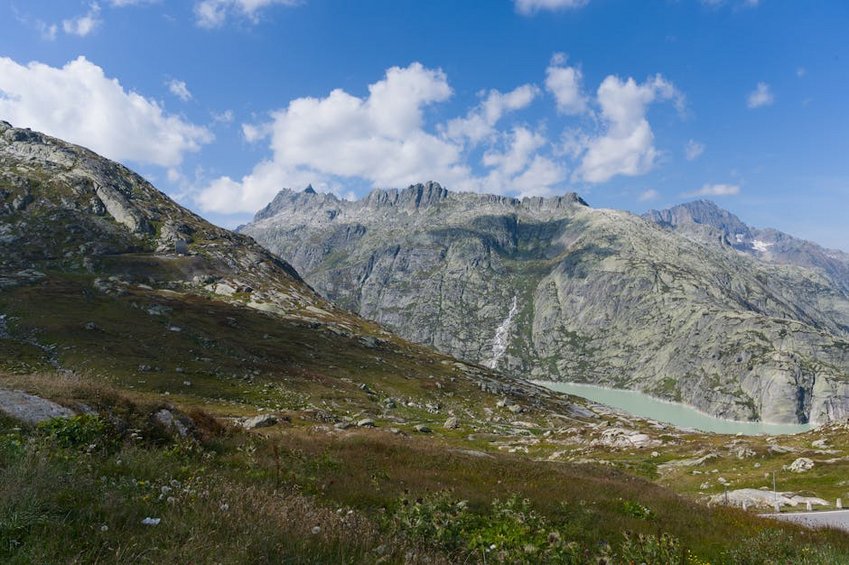
Alt: “jungfraujoch-railway-station-alpine-mountains-switzerland”
Switzerland Jungfraujoch Top of Europe – Planning Your Trip
Organizing your Switzerland Jungfraujoch Top of Europe visit requires advance ticket purchases and weather monitoring. Book railway tickets online at least two weeks ahead during peak seasons between June and August. Flexible scheduling helps accommodate potential weather disruptions.
Budget approximately $300-500 per person for a full-day experience including transportation, meals, and optional activities. Consider purchasing the Swiss Travel Pass for discounted railway fares and regional transport benefits. Pack layered clothing for temperature variations throughout the day.
Best Time to Visit Jungfraujoch
June through September offers optimal conditions with clearer skies and accessible outdoor terraces. Daytime temperatures range from -5°C to 5°C (23°F to 41°F) during these months, providing relatively comfortable viewing conditions.
Shoulder seasons in May and October feature fewer crowds but increased cloud cover probability. Winter months provide spectacular snowscapes though some outdoor areas may have limited access. Check weather forecasts meticulously before your scheduled ascent.
Budget Planning and Costs
These price ranges help allocate funds for different travel styles.
Essential Preparation Checklist
Pack waterproof hiking boots with grip soles, thermal layers, windproof jackets, sunglasses, and gloves regardless of season. Bring altitude sickness medication if prone to symptoms and carry lip balm with SPF protection.
Secure comprehensive travel insurance covering high-altitude activities and potential trip interruptions. European visitors need valid ID while non-EU travelers require Schengen visas if applicable. Download the SBB Mobile app for real-time transport updates.
Top Attractions and Activities
Jungfraujoch’s summit complex offers multiple experiences across indoor and outdoor areas. The Sphinx Observatory terrace provides 360-degree panoramas of Aletsch Glacier and surrounding peaks. Visitors typically spend 3-4 hours exploring all available attractions.
The Ice Palace features intricate ice sculptures and glacial tunnels maintained at constant subzero temperatures. Alpine Exhibition details regional history through interactive displays. Snow activities vary seasonally with summer skiing available on designated glacier areas.
Must-See Highlights
Sphinx Observatory’s viewing platform stands as the highest point accessible to visitors with telescopes for enhanced mountain viewing. This astronomical station operates research facilities alongside tourist amenities. Arrive early to avoid midday crowds.
The Ice Palace contains frozen artworks and glacial formations illuminated for photographic opportunities. This maintained tunnel system extends through the glacier with smooth walking surfaces suitable for most mobility levels. Temperature remains at -3°C (27°F) year-round.
Aletsch Glacier viewing platforms offer breathtaking perspectives on Europe’s longest ice stream stretching 23 kilometers. Interpretive signs explain glacial movement and climate impact. Morning light provides optimal photography conditions with reduced glare.
Hidden Gems and Local Favorites
Mönchsjochhütte mountain hut requires a 45-minute hike from Jungfraujoch station but rewards with authentic Alpine atmosphere. This working research station serves traditional Swiss refreshments with unparalleled glacier views. Check opening times as access depends on weather.
The Snow Fun Park operates seasonally with tubing, zip lines, and sledding activities included in Jungfraujoch tickets. This area typically sees fewer visitors than main attractions. Visit during late afternoon when families with children have departed.
Adventure and Photography Opportunities
Guided glacier walks depart from Jungfraujoch for visitors with appropriate footwear and reasonable fitness levels. These two-hour excursions explore crevasses and ice formations with certified mountain guides. Book in advance through Jungfrau Railways website.
Photography enthusiasts find optimal conditions during golden hour when soft light enhances mountain textures. Tripods help stabilize shots in windy conditions. Wide-angle lenses capture expansive glacier views while telephoto lenses isolate distant peaks.
Practical Travel Information
Jungfraujoch access begins with travel to Interlaken Ost station via train from Zurich (2 hours) or Geneva (3 hours). From Interlaken, the Bernese Oberland Railway connects to Lauterbrunnen or Grindelwald, then cogwheel trains ascend to Kleine Scheidegg.
Accommodation options range from budget hostels in Interlaken to luxury hotels in Grindelwald with mountain views. Book lodging three months ahead for summer visits. Many hotels offer Jungfraujoch ticket packages with transportation included.
| Category | Options/Features | Price Range (USD) |
|---|---|---|
| Transportation | Train from Interlaken, Cogwheel railway, Optional cable cars | $100-250 round trip |
| Accommodation | Hotels in Grindelwald, Hostels in Interlaken, Mountain huts | $80-400 per night |
| Dining | Summit restaurants, Packed lunches, Village cafes | $15-60 per meal |
| Activities | Guided tours, Snow sports, Photography workshops | $30-150 extra |