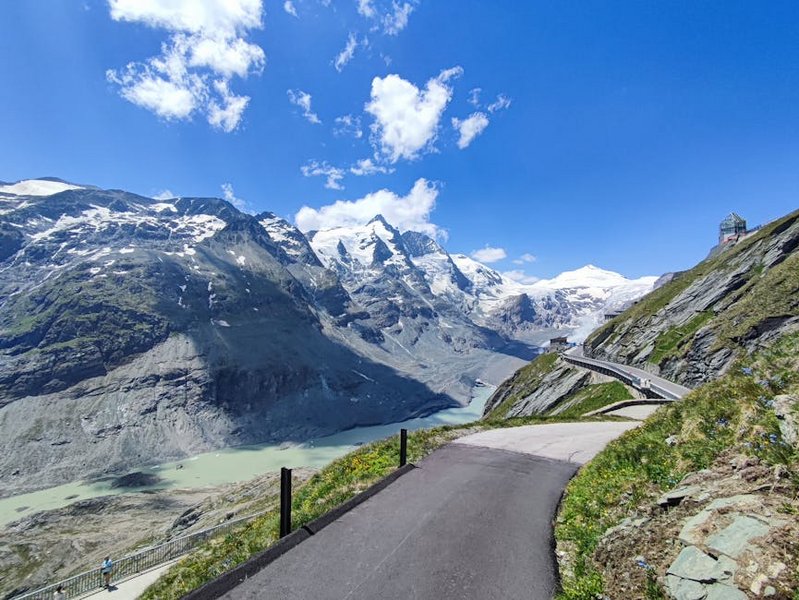
Austria Grossglockner Alpine Road: Scenic Mountain Drive Through the Alps
The Austria Grossglockner Alpine Road delivers an unforgettable driving experience across one of Europe’s highest paved mountain passes with panoramic glacier views and dramatic hairpin turns. This 48-kilometer route traverses Hohe Tauern National Park, reaching 2,504 meters elevation while passing historic alpine villages and wildlife observation points. Our guide provides detailed seasonal advice, budget breakdowns, and insider tips for maximizing your journey through this engineering marvel.
Essential Alpine Road Information
Constructed between 1930 and 1935, this historic road represents Austrian engineering excellence while connecting Salzburg and Carinthia through spectacular high mountain terrain. The route features 36 numbered bends, multiple viewing platforms, and access points to Austria’s highest peak, Grossglockner at 3,798 meters. Modern travelers benefit from improved safety features while experiencing the same breathtaking landscapes that have attracted visitors for decades.
Key Historical and Geographical Facts
Understanding the road’s background enhances appreciation for your driving adventure through these majestic mountains.
- Construction duration spanned five years with up to 3,000 workers simultaneously building sections through challenging alpine conditions and extreme weather patterns.
- Annual visitor numbers exceed 900,000 vehicles during the May-October operating season, with peak traffic occurring in July and August during optimal weather windows.
- The road passes through multiple climate zones from lush valleys to permanent ice fields, creating diverse ecosystems supporting marmots, ibex, and golden eagles.
- Budget travelers should allocate $75-125 daily covering basic tolls, campground stays or hostel accommodations, and self-prepared meals while utilizing public transportation for regional connections.
- Mid-range visitors typically spend $150-250 per day including standard hotel rooms, restaurant meals in valley towns, and guided glacier tours or museum entries for enhanced cultural experiences.
- Luxury options range from $300-500 daily featuring premium hotels with spa facilities, gourmet dining, private guided tours, and specialty vehicle rentals for optimal photography and comfort.
- Official Grossglockner High Alpine Road Website
- Austria National Tourist Office
Route Specifications and Technical Details
This alpine highway demands careful driving preparation and understanding of its unique physical characteristics and elevation changes. The north approach begins at Bruck-Fusch with a steady climb through forested zones before emerging above treeline near Fuscher Törl pass. Southside descents feature longer gradients toward Heiligenblut with continuous views of the Pasterze Glacier, Austria’s largest glacier system.
Road width varies between 5.5 and 7.5 meters with designated passing areas and emergency bays at regular intervals for safety. Maximum gradient reaches 12% on several sections, requiring appropriate vehicle power and careful braking technique during descents. Modern tunnels and avalanche protection structures ensure safer passage while preserving the original road’s dramatic character and scenic integrity.
Environmental Protection and Conservation
Hohe Tauern National Park regulations govern visitor activities with specific guidelines protecting fragile alpine ecosystems along the route. The road operates within strict environmental parameters that limit vehicle emissions and control access to sensitive areas near glacier fronts. Your visit directly supports conservation efforts through toll fees that fund ongoing research and habitat protection programs.
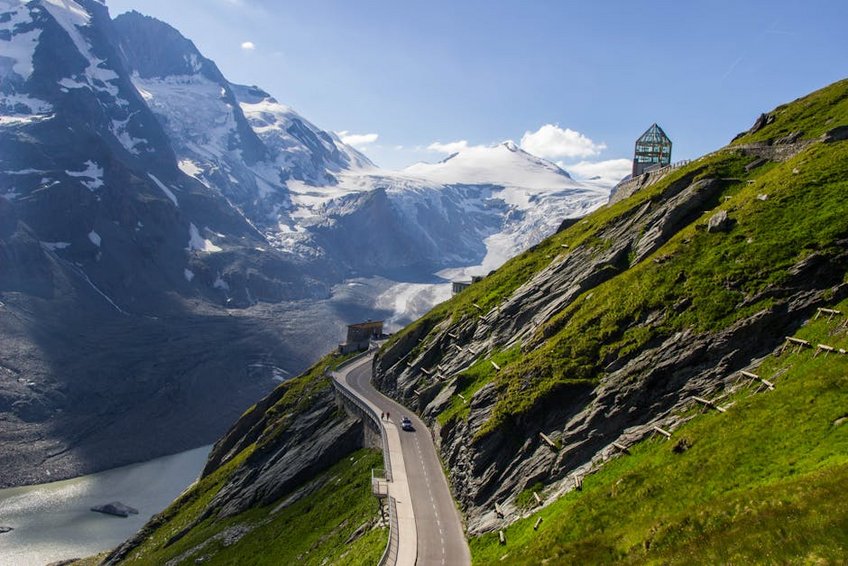
Alt: “grossglockner-alpine-road-panoramic-mountain-view”
Austria Grossglockner Alpine Road – Planning Your Trip
Successful navigation of this high alpine route requires strategic timing between seasonal openings and weather-dependent access conditions. The Austria Grossglockner Alpine Road operates from early May through late October, with exact dates varying annually based on snowmelt and early snowfall predictions. Advance toll reservations secure better pricing while avoiding potential capacity closures during popular summer weekends.
Budget approximately $35-50 per vehicle for standard toll passes, with motorcycle and multi-day options available at reduced rates through online booking systems. Consider combining your drive with nearby attractions like Krimml Waterfalls or Zell am See to maximize regional exploration beyond the primary route. Flexibility remains crucial since weather changes rapidly at high elevations, potentially affecting visibility and road conditions.
Best Time to Visit the Alpine Road
Peak season runs July-August with average temperatures of 59-68°F (15-20°C) at lower elevations and 41-50°F (5-10°C) at highest points. These months offer reliable access but experience maximum visitor numbers, creating potential congestion at popular viewpoints between 10 AM and 3 PM daily. Shoulder seasons in May-June and September-October provide quieter driving conditions with possible snow encounters at higher elevations.
Early May and late October feature limited facility operations and potential temporary closures during snowstorms, though these periods reward adventurous drivers with spectacular snow-capped landscapes. September typically delivers stable weather with vibrant autumn colors across larch forests and reduced tourist numbers after European school holidays conclude. Monitor official road condition reports for real-time access information during marginal seasons.
Budget Planning and Costs
Your overall expenses depend on vehicle type, accommodation choices, and additional activities beyond the driving experience itself.
Essential Preparation Checklist
Vehicle requirements include reliable brakes, adequate engine power for steep climbs, and all-season tires with sufficient tread depth for variable mountain conditions. Pack multiple clothing layers for temperature shifts between valleys and high passes, including waterproof jackets and warm accessories even during summer months. Download offline maps and official Grossglockner Road app for real-time alerts about weather changes and potential delays.
Required documentation encompasses valid driver’s license, international insurance coverage, and vehicle registration papers for rental verification at toll stations. Reserve accommodations 2-3 months ahead for July-August visits, particularly in popular base towns like Heiligenblut and Fusch. Physical preparation involves acclimatization to higher elevations if planning strenuous hikes from roadside parking areas to glacier viewpoints.
Top Attractions and Driving Highlights
This legendary route delivers continuous scenic rewards with engineered viewpoints and natural wonders accessible within short walks from parking areas. The Kaiser-Franz-Josefs-Höhe visitor center provides the closest glacier access with educational exhibits and restaurant facilities at 2,369 meters elevation. Multiple hairpin bends offer photographic opportunities with changing perspectives of Austria’s highest peaks throughout your ascent and descent.
Historic elements include original construction worker memorials and preserved road sections that illustrate 1930s engineering challenges and solutions. Wildlife observation points feature informational signage about local species with best viewing times typically early morning or late afternoon when animals are most active. Each season transforms the landscape dramatically from spring wildflowers to autumn gold larch forests against permanent snowfields.
Must-See Highlights Along the Route
Edelweisspitze viewing platform sits at the route’s highest point with 360-degree panoramas encompassing over 30 mountain peaks above 3,000 meters. This accessible viewpoint requires minimal walking from parking and operates a small café during peak months from June through September. Arrive before 9 AM or after 5 PM to avoid crowds and capture optimal lighting for photography.
Pasterze Glacier viewpoint at Kaiser-Franz-Josefs-Höhe provides dramatic perspectives of Austria’s largest glacier, though visitors should note significant recession visible compared to historical photos. The Gamsgruben Road detour offers alternative perspectives with fewer visitors and specialized photography opportunities during golden hour. Fuscher Törl museum details regional mining history and road construction techniques through interactive displays suitable for all ages.
Hidden Gems and Local Favorites
Schöneck wildlife observation area near Fuscher Törl frequently spots ibex and marmots with fewer visitors than main viewpoints, particularly during midday hours. The traditional Wallackhaus hotel features historic architecture and specialty alpine cuisine without requiring overnight stays for lunch service. Local guides recommend the less-traveled Mittertörl alternative route for experienced drivers seeking additional challenges and solitude.
Heiligenblut village at the southern terminus delivers authentic Austrian culture with its distinctive pilgrimage church and family-owned guesthouses offering regional specialties. The nearby Klettersteig via ferrata routes provide adventurous alternatives for active travelers with proper equipment and mountain experience. Off-season visitors discover unique opportunities for snowshoeing and winter photography when the road closes to vehicles but remains accessible for guided tours.
Driving Techniques and Safety Considerations
Maintain moderate speeds between 35-50 km/h depending on conditions, using lower gears for engine braking during descents to prevent brake overheating. Utilize designated passing areas when faster vehicles approach rather than stopping on narrow road sections. Weather changes rapidly with fog, rain, or snow possible even during summer months, requiring adjusted driving behavior and potential itinerary changes.
Regular breaks at viewpoint parking areas prevent fatigue while allowing thorough landscape appreciation beyond quick photo stops. Check vehicle fluid levels and tire pressure before ascending, as services remain limited beyond base villages with basic facilities. Share driving responsibilities when traveling with companions to maintain concentration through continuous curves and elevation changes.
Practical Travel Information
Regional airports in Salzburg (SZG) and Klagenfurt (KLU) provide international access with rental vehicle availability for immediate road trip beginnings. Train connections serve major valley towns with local bus services operating to road entry points during peak season months. Base your itinerary in Zell am See, Lienz, or Mittersill for balanced access to both northern and southern route sections.
Accommodation options range from mountain refuges to luxury spa hotels, with advance reservations critical during July-August and holiday periods. Most establishments offer parking facilities, though village centers feature limited spaces requiring early arrival or alternative transportation arrangements. English-speaking services remain widely available at major hotels and information centers throughout the region.
| Accommodation Type | Features and Locations | Price Range (USD) |
|---|---|---|
| Mountain Huts | Basic facilities, high elevation access, shared rooms, limited availability | $40-80 per night |
| Guesthouses | Family-owned, traditional meals, village locations, cultural immersion | $90-150 per night |
| Mid-Range Hotels | Private bathrooms, breakfast included, convenient parking, tour booking | $160-250 per night |
| Luxury Resorts | Spa facilities, gourmet dining, guided activities, premium views | $300-500+ per night |