Poland Masurian Lakes District: Nature’s Water Paradise
Poland Masurian Lakes District offers over 2,000 interconnected lakes across northeastern Poland’s pristine landscapes. This aquatic wonderland provides sailing, kayaking, and cycling adventures through historic canals and nature reserves. Your visit combines water sports with rich cultural experiences in traditional villages and forested islands.
Essential Masurian Region Information
Masuria spans approximately 10,000 square kilometers in Poland’s Warmian-Masurian Voivodeship. The lake district formed during the last ice age, creating diverse aquatic ecosystems and rolling hills. European bison, elk, and numerous bird species inhabit the protected nature reserves.
The region’s cultural heritage blends Polish, German, and Baltic influences across centuries. Historic castles, wooden churches, and traditional fishing villages dot the shoreline landscapes. Summer temperatures average 68-77°F (20-25°C) while winter brings snow cover at 23-32°F (-5-0°C).
Geographical Features and Climate
Masuria’s topography includes glacial moraines, forested areas, and Europe’s largest lake district. Śniardwy Lake covers 113 square kilometers while Mamry Lake spans 104 square kilometers. The Great Masurian Lakes system connects through canals and rivers navigable by boats.
- Śniardwy Lake: Poland’s largest lake with eight islands and sailing schools operating from May through September
- Mamry Lake: Second largest with six connected lakes and excellent pike fishing during spring and fall seasons
- Krutyń River: Designated UNESCO biosphere reserve with kayaking routes past otter habitats and ancient forests
- Budget travel: $45-65 daily covers hostels, supermarket meals, and public transportation with free hiking and swimming activities
- Mid-range experience: $85-140 daily includes hotel stays, restaurant dining, and guided kayaking or cycling tours
- Luxury vacation: $200-350 daily provides boutique hotels, private boat charters, and gourmet dining with personal guides
- Polish Tourism Organization
- Lonely Planet Masuria Guide
Historical Background and Cultural Significance
Teutonic Knights constructed castles throughout Masuria during the 14th century, including Ryn Castle. The region experienced Prussian rule for centuries before returning to Poland after World War II. Traditional Masurian architecture features wooden houses with distinctive verandas and carved details.
Local festivals celebrate fishing heritage, folk music, and seasonal harvests throughout the year. The St. Jacob’s Fair in August showcases regional crafts and culinary traditions. Museum of Masuria in Olsztyn preserves historical artifacts and ethnographic collections.
Conservation Areas and Protected Zones
Masurian Landscape Park covers 53,000 hectares with strict regulations for water quality and wildlife protection. Biebrza National Park, Europe’s largest marshland, hosts elk populations and migratory bird species. Nature reserves prohibit motorized boats to preserve tranquil environments for wildlife.
Birdwatchers observe white-tailed eagles, black storks, and cranes in their natural habitats. Guided eco-tours operate from April to October with knowledgeable local naturalists. Permits required for fishing in specific zones help maintain sustainable populations.
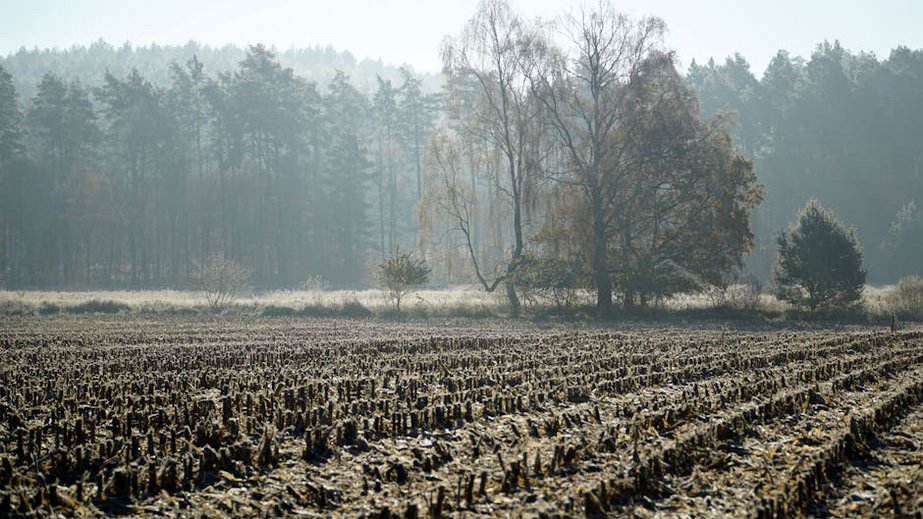
Alt: “masurian-lakes-sailing-boats-summer-sunset”
Planning Your Poland Masurian Lakes District Trip
Your Poland Masurian Lakes District adventure requires careful seasonal planning and activity selection. Summer months from June to August provide ideal conditions for water sports and long daylight hours. Early booking secures better accommodation rates and ensures availability for popular sailing tours.
Spring and autumn offer fewer crowds and spectacular foliage colors around the lake shores. Shoulder season discounts apply at hotels and rental services from April to May and September to October. Winter transforms the landscape into cross-country skiing and ice sailing destinations.
Best Time to Visit Masurian Lakes
Peak season runs July through August with temperatures 68-77°F (20-25°C) and maximum water activity availability. These months feature long daylight hours until 9 PM but require reservations 3-4 months in advance. Hotel prices increase 30-50% during this popular period.
Shoulder months of May-June and September provide pleasant 59-68°F (15-20°C) weather with fewer visitors. Water temperatures remain comfortable for swimming and watersports through mid-September. Autumn foliage peaks in late September creating spectacular photography opportunities.
Budget Planning and Costs
Masuria accommodates various budget levels with these typical expense ranges:
Essential Preparation Checklist
Pack quick-dry clothing, waterproof bags, and insect repellent for water-based activities. Quality hiking shoes, swimwear, and layers accommodate changing weather conditions throughout the day. Binoculars enhance wildlife watching while portable power banks keep devices charged.
EU citizens need valid ID cards while US passport holders require no visa for stays under 90 days. Comprehensive travel insurance should cover water sports and emergency medical evacuation. Book ferries and popular tours online 2-3 weeks before arrival during peak season.
Top Attractions and Memorable Activities
Masuria’s waterways provide endless exploration opportunities from serene paddling to adventurous sailing. The historic Masurian Canal features unique boat lifts and lock systems dating to the 19th century. Cycling routes connect lakeside villages through picturesque forest trails and farmland.
Wildlife enthusiasts observe European bison in designated feeding areas near Puszcza Borecka. Bird sanctuaries protect rare species along the Narew River wetlands and lake islands. Guided photography tours capture stunning sunrises over misty lakes and traditional architecture.
Must-See Highlights and Landmarks
Wolf’s Lair, Hitler’s former military headquarters, offers historical tours through massive concrete bunkers near Kętrzyn. The site requires 2-3 hours to explore with audio guides available in multiple languages. Entrance costs $8-12 with family discounts and guided tour options.
Gierłoż village maintains the complex as an educational historical monument with museum exhibits. Ryn Castle on Lake Ryńskie now operates as a luxury hotel with restaurant and spa facilities. Visitors can tour certain areas without staying overnight for $5-7 admission.
Mikołajki serves as the sailing capital with marinas, boat rentals, and waterfront restaurants along Lake Śniardwy. The town hosts regattas throughout summer with public viewing areas along the promenade. Hotel prices range $80-160 nightly with better deals mid-week.
Hidden Gems and Local Favorites
Krutyń River kayaking route passes through pristine forests with rental stations operating from April to October. The gentle current suits beginners while experienced paddlers can navigate the entire 15-kilometer stretch. Local guides share knowledge about river ecology and history.
Węgobork village features traditional Masurian wooden architecture and a small ethnographic museum. Few tourists visit this authentic community preserving local crafts and farming traditions. Homestay accommodations offer cultural immersion for $35-50 per night including meals.
Lake Łuknajno serves as UNESCO biosphere reserve protecting Europe’s largest population of mute swans. Observation platforms provide wildlife viewing without disturbing the nesting birds. Early morning visits during spring migration offer the best photographic opportunities.
Water Sports and Adventure Options
Sailing schools in Giżycko and Mikołajki offer beginner through advanced courses from May to September. Weekly charters accommodate groups of 4-8 people with skipper services available for inexperienced sailors. Rental prices range $400-800 weekly depending on boat size and season.
Stand-up paddleboarding has gained popularity on calmer lakes like Tałty and Jeziorak. Rental stations provide equipment and safety briefings for $15-25 per day. Morning sessions typically feature glassy water conditions perfect for beginners learning balance techniques.
Winter activities include ice sailing on frozen lakes with specialized equipment available for rent. Cross-country skiing trails connect villages across snow-covered landscapes from December through February. Guided tours ensure safety on frozen lakes and provide local insights.
Practical Travel Information and Logistics
Olsztyn and Warsaw serve as primary gateways to the Masurian Lake District with multiple transportation options. Rental cars provide flexibility for exploring remote areas while trains connect major towns efficiently. Local buses serve smaller villages but operate on limited schedules.
Accommodation ranges from campsites and agritourism farms to luxury hotels and historic manor houses. Advance reservations are essential during summer months, particularly for waterfront properties. Many hotels offer package deals including activity equipment rentals.
| Category | Options/Features | Price Range (USD) |
|---|---|---|
| Budget Accommodation | Hostels, camping sites, agritourism farms with shared facilities | $25-50/night |
| Mid-Range Hotels | Private rooms, breakfast included, lake views, bicycle rental | $65-120/night |
| Luxury Properties | Boutique hotels, spa services, private beaches, gourmet dining | $150-300/night |
| Vacation Rentals | Full apartments, kitchens, multiple bedrooms, weekly discounts | $80-200/night |