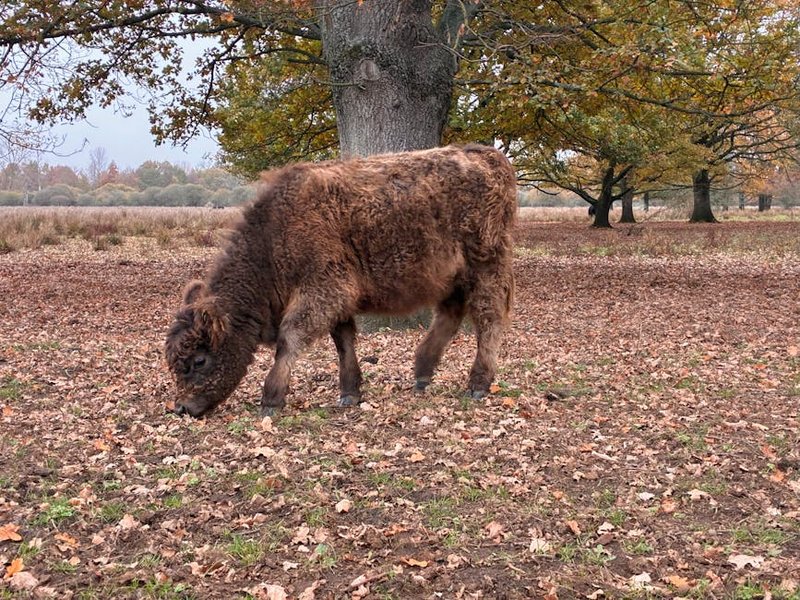
Poland Białowieża Forest Bison – Europe’s Ancient Wilderness Giants
Encountering Poland Białowieża Forest bison immerses you in one of Europe’s last primeval ecosystems where these majestic creatures roam freely across the Polish-Belarusian border. Your visit supports vital conservation efforts while offering unparalleled wildlife photography opportunities amidst ancient oaks and diverse habitats. This guide covers optimal viewing seasons, responsible tourism practices, and cultural insights for your Polish wilderness adventure.
Białowieża Forest Essential Information
Białowieża Primeval Forest spans over 1,500 square kilometers between Poland and Belarus, representing Europe’s last remaining lowland old-growth woodland. UNESCO designated the protected area in 1979 recognizing its exceptional biodiversity and ecological significance. The forest ecosystem supports thousands of species including the iconic European bison recovery population.
European bison nearly faced extinction during World War I with only 54 individuals surviving in captivity by 1924. Successful reintroduction programs began in 1952, gradually rebuilding wild herds throughout Eastern Europe. Today approximately 800 bison inhabit the Polish section with global conservation status improving from vulnerable to near threatened.
Forest Ecosystem and Biodiversity
This ancient woodland comprises multiple habitat types supporting complex ecological relationships.
- Old-growth stands feature 500-year-old oaks reaching 40 meters height alongside ash, lime and hornbeam trees creating multi-layered canopy structures.
- Wetland areas include river valleys, marshes and peat bogs hosting aquatic plants, amphibians and migratory bird species throughout seasonal changes.
- Mixed forest zones transition between coniferous and deciduous sections providing varied food sources and shelter for mammals, insects and fungi networks.
- Budget travelers spend $45-65 daily using hostel accommodation, self-guided perimeter trails and public transportation from Białystok with packed meals from local markets.
- Mid-range visitors allocate $90-140 per day for hotel stays in Białowieża village, small group guided tours and rental car access to multiple forest sections with restaurant dinners.
- Premium experiences cost $200-350 daily covering luxury eco-lodges, private guided photography sessions, specialized equipment rental and multi-day wildlife tracking expeditions.
- Białowieża National Park Official Website
- Lonely Planet Białowieża Travel Guide
European Bison Characteristics
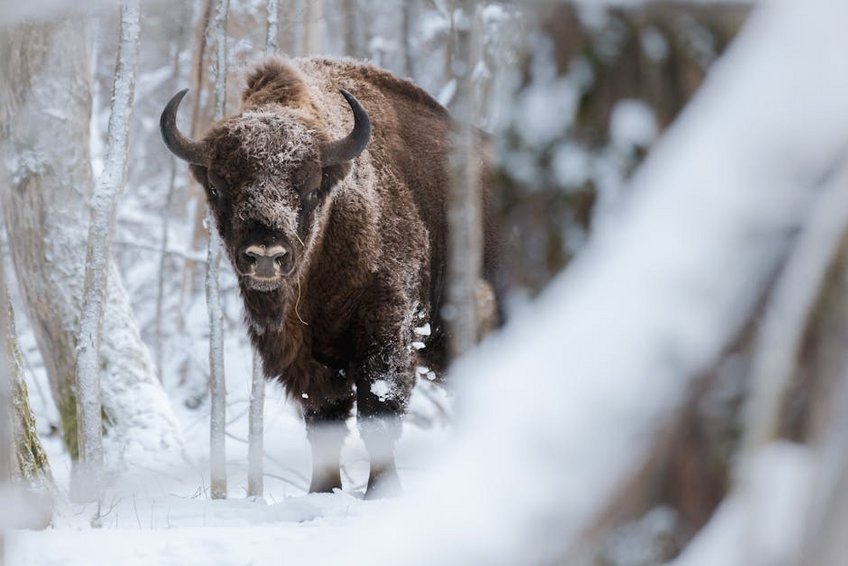
European bison stand as continent’s heaviest land mammals with bulls weighing up to 2,200 pounds and measuring nearly 2 meters at shoulder height. Their dark brown coats thicken during winter months while distinctive beards and horns develop more prominently in mature males. Herbivorous diets consist primarily of grasses, leaves, bark and acorns consumed throughout daily grazing patterns.
Social structures organize around mixed herds typically containing 10-20 individuals led by experienced females. Breeding season occurs August through October with single calves born after 9-month gestation periods. Visitors might spot herds grazing in forest clearings during early morning or late afternoon hours when animals prove most active.
Conservation and Protection Status
Białowieża National Park implements strict protection measures across core reserve areas where human access remains limited to guided tours only. Buffer zones permit broader recreational activities while maintaining wildlife corridors between protected sections. The European bison population requires ongoing monitoring and veterinary care to prevent disease outbreaks and maintain genetic diversity.
International cooperation between Poland and Belarus facilitates transboundary conservation initiatives despite political complexities. Research programs track migration patterns, habitat usage and climate change impacts through GPS collaring and population surveys. Your visit contributes directly to preservation funding through park entrance fees and licensed guide services.
Planning Your Poland Białowieża Forest Bison Experience
Organizing your Poland Białowieża Forest bison adventure requires seasonal timing considerations and advance activity bookings through authorized operators. Spring and autumn months deliver optimal wildlife viewing conditions with moderate temperatures and reduced visitor numbers compared to summer peaks. Reserve guided tours 2-3 months ahead for popular dates while preparing appropriate clothing for variable forest weather patterns.
Budget allocation should include national park fees, specialized guide services, accommodation in local villages and transportation from regional cities. The experience accommodates various spending levels from budget camping options to premium wildlife photography workshops with expert instructors. Digital resources help track recent bison sightings through official park channels and community reporting platforms.
Best Time to Visit Białowieża Forest
Visit between May and June for optimal bison viewing when animals frequent open meadows feeding on spring vegetation with newborn calves appearing in herds. Temperatures range 59-68°F (15-20°C) with longer daylight hours maximizing photography opportunities. September through October offers spectacular autumn colors with mating season behaviors visible among bison herds.
Winter months December through February transform the landscape with snow cover creating stunning photographic conditions despite temperatures dropping to 23°F (-5°C). Summer brings larger crowds and higher accommodation prices with July temperatures reaching 75°F (24°C). Shoulder seasons provide balance between favorable weather and manageable tourism numbers.
Budget Planning and Costs
Consider these expenditure categories when planning your wildlife adventure.
Essential Preparation Checklist
Pack waterproof hiking boots, layered clothing systems and binoculars for optimal forest exploration across variable terrain and weather conditions. Camera equipment should include telephoto lenses (200-400mm minimum) for wildlife photography alongside extra batteries and memory cards. Download offline maps and translation apps since English proficiency varies outside major tourism centers.
Secure comprehensive travel insurance covering emergency evacuation and adventure activities before departure. European visitors require valid ID while non-EU passport holders need Schengen area compliance documentation. Check vaccination requirements and carry basic medical supplies including tick repellent essential for forest environments.
Alt: “bialowieza-forest-european-bison-grazing-meadow”
Top Attractions and Wildlife Experiences
Białowieża National Park’s strict protection area remains accessible exclusively through licensed guides who provide ecological context and ensure visitor safety during wildlife encounters. The park museum showcases natural history exhibits while perimeter trails offer independent exploration opportunities through less protected forest sections. Specialized tours focus on birdwatching, botanical diversity or cultural heritage alongside primary bison viewing experiences.
Beyond organized activities, the surrounding villages reveal traditional Polish wooden architecture, local crafts and regional cuisine worth exploring during your stay. The forest changes character throughout seasons offering different photographic opportunities from spring wildflowers to winter snowscapes. Evening programs might include owl prowling excursions or cultural performances in community centers.
Must-See Highlights
Strict Reserve guided tours deliver the quintessential primeval forest experience walking among centuries-old trees where European bison, lynx and wolves roam naturally. These 3-hour excursions require advance booking through the National Park Office with groups limited to 20 participants for minimal ecological impact. The Museum of Nature and Forest provides excellent orientation with dioramas, specimens and historical context before venturing into protected areas.
Bison Show Reserve offers guaranteed wildlife viewing within spacious enclosures housing several bison alongside other native species including deer, wild boar and predatory birds. This accessible option benefits visitors with limited mobility or time constraints while supporting conservation breeding programs. Palace Park in Białowieża village features historic landscaping, wooden architecture and walking paths suitable for leisurely exploration.
Hidden Gems and Local Favorites
Explore the Narewka River valley by bicycle or kayak during summer months for alternative perspectives on the forest ecosystem away from main tourist routes. Local guides know secluded clearings where bison frequently graze during early mornings while explaining traditional forest uses like haymaking and beekeeping. Village museums in surrounding communities showcase unique aspects of regional culture often missed by mainstream tourism.
Participate in mushroom foraging expeditions during autumn when experienced locals lead groups through permitted forest sections identifying edible species and sharing culinary traditions. These authentic experiences connect visitors with seasonal rhythms and traditional knowledge while providing delicious ingredients for subsequent meals. Evening bonfire gatherings sometimes occur at designated areas where guides share folklore and wildlife stories.
Wildlife Photography Techniques
Successful bison photography requires patience, appropriate equipment and understanding animal behavior patterns throughout daily and seasonal cycles. Early morning light creates optimal conditions when herds move toward grazing areas with mist enhancing atmospheric shots. Telephoto lenses (minimum 300mm) prove essential for capturing detailed portraits while maintaining safe distances from wild animals.
Study basic bison behavior recognizing alert postures, grooming interactions and herd dynamics for compelling storytelling images. Weather conditions significantly impact photography opportunities with overcast days providing soft lighting while snow cover creates dramatic winter scenes. Local guides know habitual crossing points and predictable patterns maximizing your chances for exceptional wildlife encounters.
Practical Travel Information and Logistics
Białowieża village serves as the primary tourism base with accommodation, restaurants and tour operators concentrated within walking distance of the national park entrance. Warsaw Chopin Airport (WAW) provides international connections 250 kilometers west requiring 3-4 hour transfers by rental car or public transportation. Regional trains and buses connect through Białystok city offering affordable alternatives to private vehicle travel.
Local transportation within the forest region proves limited making rental cars advantageous for exploring multiple areas independently. English-speaking guides remain essential for accessing protected zones with bookings recommended several weeks ahead during peak seasons. Mobile network coverage varies throughout the forest with offline navigation apps proving valuable for independent exploration.
| Category | Options/Features | Price Range (USD) |
|---|---|---|
| Accommodation | Guesthouses with breakfast, hotel rooms, eco-lodges with guided packages | $35-180 nightly |
| Dining | Traditional Polish restaurants, forest picnics, market self-catering | $8-25 per meal |
| Activities | Guided reserve tours, photography workshops, bicycle rentals, museum entries | $15-120 per experience |
| Transportation | Rental cars, taxi transfers, bicycle rentals, organized shuttle services | $25-75 daily |