Best Sweden Gotland Medieval Festival Adventure 5 Tips

Sweden Gotland Medieval Festival: Step Back into the Middle Ages

The Sweden Gotland Medieval Festival transforms Visby’s UNESCO World Heritage site into a vibrant historical reenactment each August, attracting over 40,000 visitors to experience authentic medieval life. You will encounter knights jousting in full armor, artisans demonstrating centuries-old crafts, and merchants trading in a bustling market atmosphere straight from the 14th century. This guide covers everything from booking your trip during peak demand to navigating the festival’s extensive schedule of events and activities.

Essential Information About the Medieval Festival

The Gotland Medieval Festival, officially called Medeltidsveckan, began in 1984 to celebrate Visby’s rich Hanseatic League history and has grown into Northern Europe’s largest historical event. It occurs annually during the 32nd week of the year, typically spanning seven days in early August when Gotland enjoys its warmest weather averaging 68°F (20°C). The festival completely transforms Visby’s cobblestone streets within the 2-mile (3.5 km) long medieval ring wall, creating an immersive time-travel experience.

History and Origins of the Event

Visby’s medieval significance stems from its role as a major Hanseatic trading hub between the 12th and 14th centuries, with the city’s wealth evident in its preserved merchant houses and church ruins. The festival specifically commemorates the 1361 Danish invasion led by King Valdemar Atterdag, a pivotal moment in Gotland’s history that marked the decline of its golden age. Modern historical research and archaeological findings continuously shape the festival’s authentic recreation of daily life, combat techniques, and cultural traditions from this period.

Key Festival Events and Activities

Your visit includes several can’t-miss experiences that define the medieval week atmosphere.

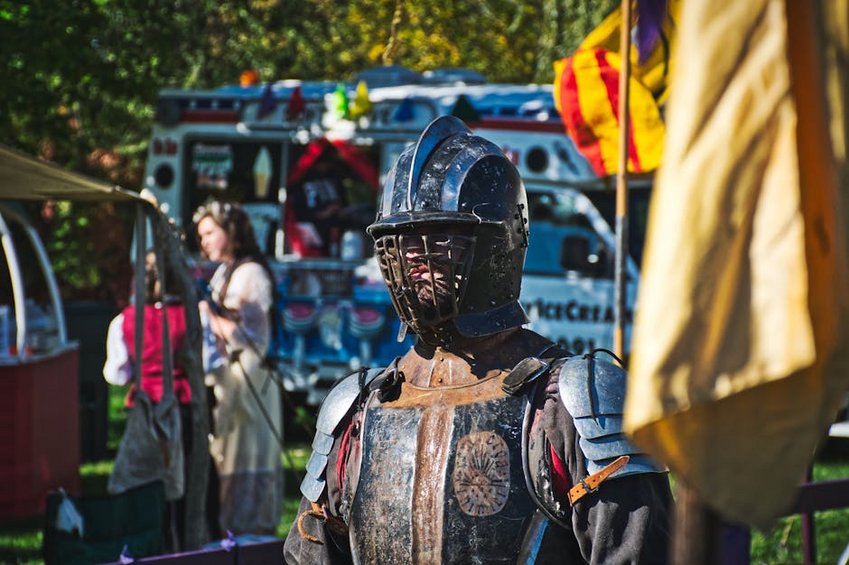
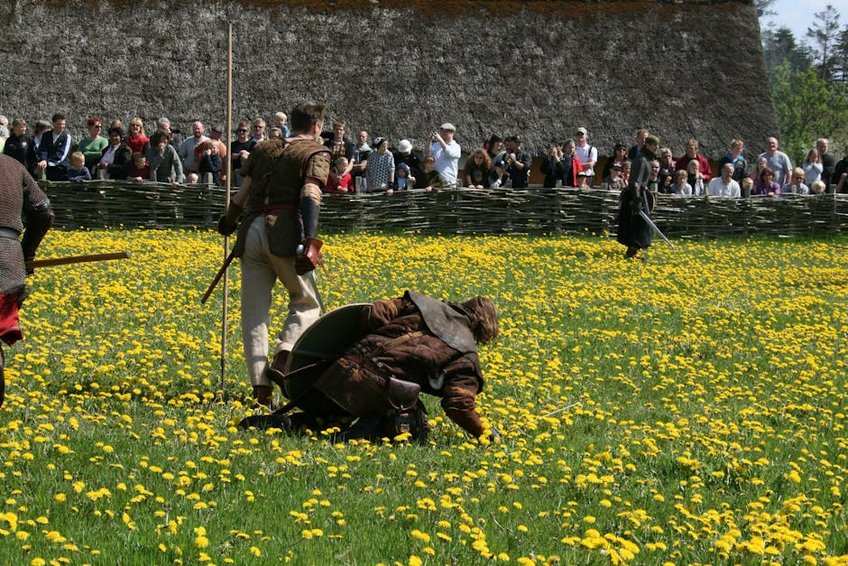
  • Watch the dramatic Battle of Visby reenactment featuring over 500 participants in period-accurate armor and weapons, complete with siege engines and cavalry charges on the fields outside the city wall.
  • Explore the medieval market with 300+ artisans selling handmade pottery, leather goods, and jewelry using traditional methods, where you can barter like a 14th-century trader.
  • Attend knight tournaments at Almedalen Park where jousting competitions occur daily, accompanied by archery displays, falconry shows, and medieval music performances.
  • Festival Dates and Scheduling

    The event consistently runs from Sunday to Sunday during the first full week of August, with the 2024 dates confirmed as August 4-11 to align with Swedish school holidays and optimal weather conditions. Major events like the grand opening ceremony and night market occur on specific days, while continuous activities including craft workshops, historical lectures, and street performances run throughout the entire week. Download the official Medeltidsveckan app for real-time schedule updates, interactive maps, and English-language event descriptions during your visit.
    Sweden Gotland Medieval Festival

    Alt: “visby-medieval-festival-knight-jousting-tournament”

    Sweden Gotland Medieval Festival – Planning Your Trip

    Planning your Sweden Gotland Medieval Festival adventure requires booking accommodations 6-9 months in advance since Visby’s 4,000 hotel rooms fill quickly for this peak season event. You should budget $1,200-$2,500 per person for a 5-day trip including flights from major European hubs, mid-range lodging, festival tickets, meals, and local transportation. Prepare for large crowds exceeding 10,000 daily visitors by purchasing event passes online beforehand and mapping out must-see activities using the official program schedule.

    Best Time to Visit for the Festival

    Visit specifically during the first full week of August when the Sweden Gotland Medieval Festival occurs, with daytime temperatures ranging from 64-72°F (18-22°C) and nearly 18 hours of daylight for extended exploration. Arrive 2-3 days before the official opening to avoid the biggest crowds and secure better accommodation rates, as prices spike 30% during the festival week itself. Shoulder season in late July offers pleasant 60-68°F (16-20°C) weather for exploring other Gotland attractions, but you would miss the main medieval events entirely.

    Budget Planning and Costs

    Your medieval adventure fits various budget levels with these typical expense ranges.

    1. Budget travelers spend $800-$1,200 by staying in hostels outside Visby center, preparing meals, using public transportation, and focusing on free festival events like street performances and market browsing.
    2. Mid-range visitors allocate $1,500-$2,200 for central hotel rooms, restaurant meals, paid workshop tickets, and bicycle rentals to navigate between festival locations efficiently.
    3. Luxury experiences cost $2,500-$4,000 featuring premium packages with front-row tournament seating, guided historical tours, medieval feast dinners, and boutique hotel accommodations inside the city walls.
    4. Essential Preparation Checklist

      Pack comfortable walking shoes with good support for navigating Visby’s cobblestone streets, along with layered clothing including a waterproof jacket for unpredictable Baltic Sea weather changes. Bring cash in Swedish krona (SEK) for market vendors who may not accept cards, plus a power bank for your phone since you will use the festival app extensively throughout each day. Book your ferry crossing from Nynäshamn or Oskarshamn 4-6 months early if bringing a car, or reserve airport transfers from Visby Airport (VBY) which connects to Stockholm with multiple daily flights.

      Top Attractions and Festival Activities

      Beyond the main events, the medieval celebration offers dozens of immersive experiences that bring history to life through interactive participation and educational demonstrations. You can try your hand at archery using traditional longbows, learn medieval dancing in group lessons, or attend cooking workshops that recreate 14th-century recipes using authentic ingredients and methods. Many activities specifically cater to families with children, including knight training camps, storytelling sessions, and craft stations where kids can make their own medieval souvenirs.

      Must-See Highlights

      The Battle of Visby reenactment occurs on the final Saturday, featuring meticulously researched combat techniques and costumes based on archaeological findings from the mass graves discovered outside the city walls. Don’t miss the medieval market in Almedalen Park, where you can commission custom leatherwork, watch blacksmiths forging weapons, and sample historical foods like mead, smoked fish, and flatbread baked over open fires. Evening torchlight processions through the cobblestone streets create magical atmospheres, followed by musical performances in ruined churches that highlight the region’s acoustic heritage.

      Hidden Gems and Local Favorites

      Visit the lesser-known Botanical Garden medieval camp where reenactors live authentically for the entire week, demonstrating daily tasks like textile dyeing, herbal medicine preparation, and period-correct cooking methods away from main crowds. Discover the secret courtyard performances at Sankta Karin’s ruin, where intimate theatrical pieces and musical recitals occur in a more relaxed setting with limited seating for about 50 spectators. Local guides recommend the early morning photography sessions at Visby’s northern wall sections, where soft lighting illuminates the medieval architecture before the day’s crowds arrive around 10 AM.

      Family-Friendly Activities

      Children particularly enjoy the knight school located near the main tournament field, where they can try on replica armor, learn basic swordsmanship from trained instructors, and receive official participation certificates. The dedicated family area features puppet shows depicting medieval legends, hands-on craft stations for creating period toys and jewelry, and gentle pony rides suitable for younger visitors aged 3-8 years. Many food vendors offer child-friendly options like honey-sweetened pastries, roasted apples, and non-alcoholic fruit drinks, while breastfeeding and changing facilities are available throughout the festival grounds.

      Practical Travel Information for Your Visit

      Reaching Gotland involves multiple transportation options, with direct flights operating from Stockholm Arlanda (ARN) and Bromma (BMA) airports to Visby Airport (VBY) in 45 minutes, or ferries taking 3 hours from Nynäshamn or Oskarshamn. Accommodation ranges from budget hostels starting at $40 nightly to luxury hotels exceeding $300, though availability diminishes rapidly within six months of the festival dates, especially for properties inside the historic city walls. You will navigate primarily on foot within Visby’s compact center, with bicycle rentals available for $15-25 daily and local buses connecting outer areas for about $3 per ride.

      Getting There and Around

      Fly into Visby Airport (VBY) via direct connections from Stockholm, or take ferry services from Nynäshamn (3 hours) and Oskarshamn (3.5 hours) with advance vehicle reservations costing $60-120 each way. Within Gotland, rent a car for $50-80 daily to explore island attractions like the limestone rauk formations at Langhammars, or use the efficient bus network with $10 day passes covering routes between Visby and coastal villages. Walking serves as your primary transportation inside the walled city where vehicles face restrictions, though taxi services remain available for longer distances at approximately $1.50 per kilometer.

      Where to Stay

      Choose accommodations inside Visby’s historic center like Clarion Hotel Wisby or Strand Hotel for immediate festival access, though these premium locations book 9-12 months ahead with rates from $200-400 nightly during event week. Budget-conscious travelers find better value in guesthouses and hostels in Visby’s outer neighborhoods such as Gamla Stan districts, where $60-120 rooms remain available 4-6 months before the festival with 15-25 minute walks to main events. For larger groups, consider vacation rentals in fishing villages like Burgsvik or Klintehamn 20-40 minutes from Visby, offering more space for $100-250 nightly but requiring daily transportation planning.

      Sweden Gotland Medieval Festival

      Alt: “gotland-medieval-market-artisan-crafts-shopping”

      Food, Culture, and Local Experience

      Gotland’s culinary traditions reflect its island location with emphasis on locally sourced lamb, saffron, seafood, and foraged ingredients like mushrooms and berries that feature prominently in medieval and modern dishes. The festival specifically highlights historical foodways through dedicated cooking demonstrations, themed feasts, and market stalls serving authentic recipes such as smoked eel, barley porridge, and honey-glazed root vegetables prepared using traditional methods. Beyond the event itself, you can explore Gotland’s cultural heritage at the Gotland Museum’s medieval exhibitions, prehistoric grave fields, and traditional fäbod settlements showcasing rural Swedish life.

      Local Cuisine and Must-Try Dishes

      Sample saffron pancakes (saffranspannkakor) at market food stalls, a Gotland specialty dating to medieval times when saffron symbolized wealth and appeared in celebratory dishes during important festivals. Try slow-roasted lamb (gottlandskt lamm) from local farms, traditionally prepared in underground pits and served with juniper-infused sauces that reflect the island’s unique flavor profile and agricultural history. Visit Bakfickan or Gutekällaren restaurants in Visby for modern interpretations of historical recipes, where $25-40 dinners might include smoked fish platters, herb-crusted meats, and medieval-inspired desserts like cheese tarts with rosehip jam.

      Cultural Tips and Etiquette

      Swedish culture values punctuality, so arrive 5-10 minutes before scheduled festival events since popular workshops and tours begin exactly on time with limited late admission. Tipping remains optional in Sweden with 5-10% appreciated for exceptional restaurant service, though not expected at market food stalls or for casual purchases where rounding up to the nearest 10 SEK suffices. Learn basic Swedish phrases like “tack” (thank you) and “ursäkta” (excuse me) for market interactions, though most vendors and festival staff speak excellent English and welcome questions about their historical crafts.

      Medieval-Themed Experiences Beyond the Festival

      Extend your historical immersion by visiting Gotland Museum’s permanent medieval exhibition featuring the legendary Spillings Hoard silver treasure and reconstructed scenes from Visby’s Hanseatic period. Explore remote church ruins like St. Olofsholm where summer guided tours explain the island’s Christianization and architectural development between the 11th and 14th centuries. Book a traditional fika (coffee break) at a countryside cafe to experience modern Swedish culture, then visit local artisans’ studios year-round to see glassblowing, pottery, and textile work continuing centuries-old Gotland traditions.

      Sources and References

      • Official Medeltidsveckan Website
      • Gotland Tourism Board
      • Frequently Asked Questions

        When is the best time to visit Gotland for the medieval festival?

        Visit during the first full week of August when the Sweden Gotland Medieval Festival occurs, with specific 2024 dates from August 4-11 for optimal weather and complete event scheduling. Daytime temperatures average 68°F (20°C) with extended daylight until 10 PM, though you should book accommodations 6-9 months early since this represents Gotland’s peak tourist season. Arrive 2-3 days before the official opening to explore Visby’s historical sites without crowds and adjust to the time zone if traveling from North America.

        How much does the Sweden Gotland Medieval Festival cost?

        The Sweden Gotland Medieval Festival costs $15-40 for daily event passes, with complete 7-day tickets available for $80-120 depending on included workshop access and seating reservations. Budget $1,200-$2,500 per person total for a 5-day trip including mid-range flights from European hubs, accommodation, meals, and local transportation alongside festival expenses. Major costs include $200-400 nightly for central hotels, $60-120 for ferry transfers, and $25-50 daily for food and souvenir purchases at the medieval market.

        How many days do you need for the medieval festival?

        Plan 4-5 full days to experience the Sweden Gotland Medieval Festival thoroughly, allowing time for major events, workshop participation, and exploring Visby’s UNESCO heritage sites at a relaxed pace. With 2-3 days you can see highlights like the knight tournament and medieval market, but would miss specialized activities, evening performances, and day trips to Gotland’s coastal attractions. Extend to 7 days if including island exploration beyond Visby, visiting rauk formations, fishing villages, and prehistoric sites that complement the medieval experience.

        How do you get to Gotland for the festival?

        Fly into Visby Airport (VBY) via direct connections from Stockholm Arlanda (ARN) taking 45 minutes, or take ferries from Nynäshamn (3 hours) and Oskarshamn (3.5 hours) with advance vehicle reservations. Flight costs range $80-150 one-way during peak season, while ferry passages cost $30-60 per person plus $60-120 for vehicles, with both options requiring bookings 4-6 months ahead for festival dates. Within Gotland, rent a car for $50-80 daily or use buses with $10 day passes connecting Visby to island attractions 20-60 minutes away.

        Where should you stay for the medieval festival?

        Stay inside Visby’s historic walls at hotels like Clarion Wisby or Strand Hotel for immediate festival access, though these $200-400 nightly properties require booking 9-12 months early. Choose guesthouses in Visby’s Gamla Stan district for $60-120 rooms with 15-minute walks to events, available 4-6 months before the festival with better availability than premium locations. Consider vacation rentals in coastal villages 20-40 minutes from Visby if traveling with groups or seeking lower $100-250 rates, though this requires daily transportation planning.

        Is Gotland safe for travelers during the festival?

        Yes, Gotland maintains excellent safety standards with low crime rates, comprehensive medical services, and well-organized crowd management for the Sweden Gotland Medieval Festival’s 10,000+ daily visitors. Practice normal precautions with valuables in crowded market areas, watch for uneven cobblestones in medieval streets, and stay hydrated during outdoor events in 68°F (20°C) temperatures. Emergency services include Visby Hospital with English-speaking staff, police stations near Almedalen Park, and festival information booths providing assistance throughout event locations.

        Do you need special preparation for the medieval festival?

        Yes, you need comfortable walking shoes, layered clothing for changeable Baltic weather, and cash in Swedish krona for market vendors who may not accept credit cards during the Sweden Gotland Medieval Festival. Book accommodations and transportation 6-9 months early, download the official Medeltidsveckan app for schedules, and pack portable phone chargers since you will use digital maps extensively. Research basic medieval history beforehand to enhance your experience, though guided tours and informational signage provide excellent context throughout the festival grounds.

        Experience the Magic of Medieval Gotland

        Gotland’s medieval festival combines historical authenticity with vibrant celebration across Visby’s UNESCO-protected landscape, offering unique opportunities to engage with living history through combat reenactments, artisan markets, and cultural performances. Your Sweden Gotland Medieval Festival visit succeeds with advance accommodation bookings, flexible weather preparations for Baltic conditions, and strategic scheduling to balance major events with quieter discoveries. Which aspect of medieval life—whether knight tournaments, traditional crafts, or historical cuisine—interests you most for your time-travel adventure?

        Related Stories

        spot_img

        Discover

        South Korea Jinhae Cherry Blossom Festival: 3 Essential

        South Korea Jinhae Cherry Blossom Festival: Your Guide to the Pink Canopy The South Korea...

        2026 Current India Jaipur Rose Festival Routes

        India Jaipur Rose Festival: A Guide to the Blossoming Celebration The India Jaipur Rose Festival...

        Ultimate Nepal Holi Festival Kathmandu Guide 12 Tips

        Nepal Holi Festival Kathmandu: A Guide to Celebrating the Festival of Colors Celebrating the Nepal...

        Philippines Moriones Festival Marinduque: 12 Ultimate

        Philippines Moriones Festival Marinduque Experiencing the Philippines Moriones Festival Marinduque offers a profound dive into...

        Top Indonesia Nyepi Silence Day Bali Guide 5 Tips

        Indonesia Nyepi Silence Day Bali Nyepi, the Balinese Day of Silence, transforms the vibrant island...

        Complete Vietnam Hue Festival Cultural Events Journey 3 Tips

        Vietnam Hue Festival Cultural Events The Vietnam Hue Festival cultural events represent a spectacular biennial...

        Popular Categories

        Comments

        LEAVE A REPLY

        Please enter your comment!
        Please enter your name here

      Category Options/Features Price Range (USD)
      Accommodation Hostels outside walls, hotels inside historic center, vacation rentals $40-$350/night
      Dining Street food stalls, medieval taverns, modern restaurants, grocery stores $10-$60/meal
      Transportation Ferry crossings, domestic flights, rental cars, local buses, bicycles $30-$150/segment
      Festival Expenses Event tickets, workshop fees, souvenir purchases, guided tours $15-$100/day