Norway Geirangerfjord Cruise: Sail Through UNESCO’s Fjord Paradise
Your Norway Geirangerfjord Cruise delivers breathtaking Arctic scenery across 15 kilometers of deep blue waters framed by steep cliffs and cascading waterfalls. This UNESCO World Heritage site showcases iconic natural wonders like the Seven Sisters and Bridal Veil falls accessible only by boat. Our guide covers optimal sailing seasons, must-see landmarks, and practical tips for maximizing your fjord adventure.
Essential Geirangerfjord Information
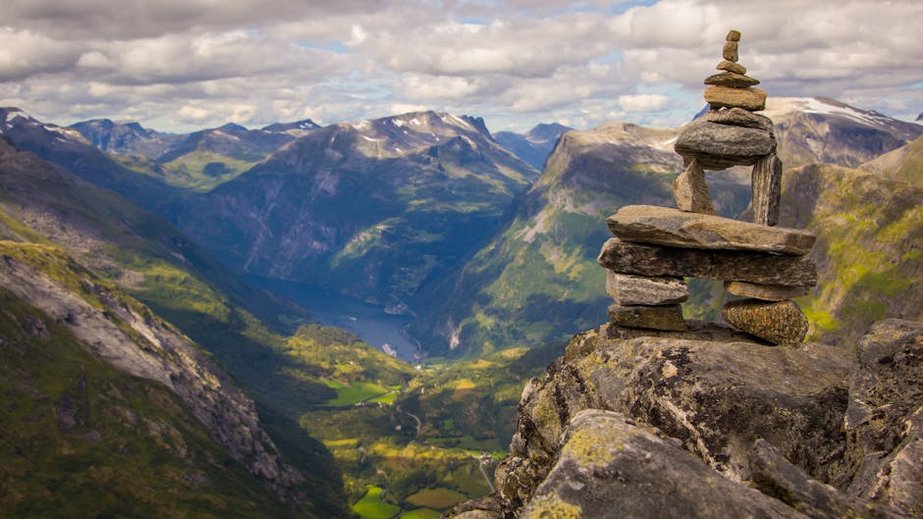
Geirangerfjord stretches through western Norway’s Møre og Romsdal county, carved by glaciers over millennia into its dramatic present form. The fjord reaches depths exceeding 250 meters while mountains soar 1,400 meters above sea level. UNESCO designated this landscape in 2005 recognizing its exceptional natural beauty and geological significance.
Summer brings moderate temperatures between 55-65°F (13-18°C) with up to 19 hours of daylight in June and July. Winter transforms the area into a snowy wonderland though most cruise operations pause from October through April. The fjord remains ice-free year-round due to the Gulf Stream’s warming influence.
What You Need to Know
Before booking your Norwegian fjord experience, understand these key aspects.
- Geiranger village serves as the primary port with limited facilities including souvenir shops, cafes, and the Norwegian Fjord Center showcasing local history.
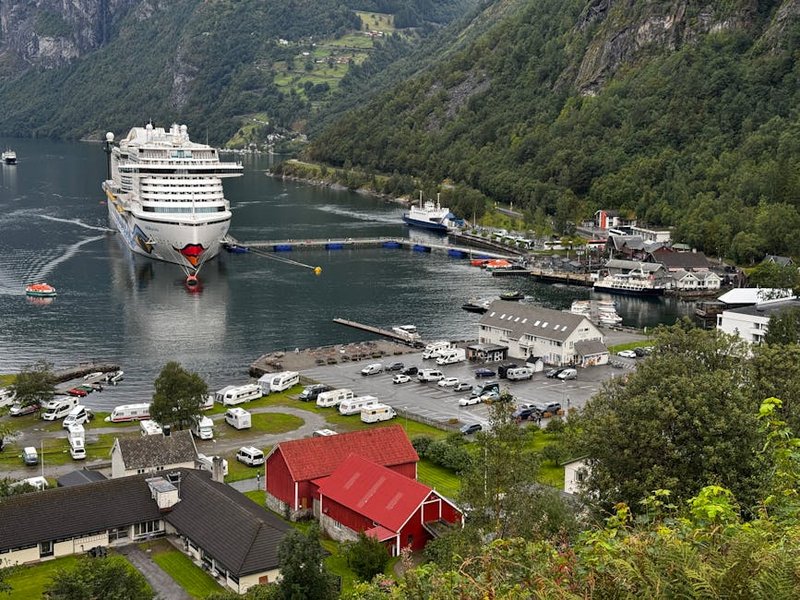
- Navigation through the narrow fjord requires skilled pilots with ships typically spending 2-4 hours sailing the full length while providing commentary.
- The Seven Sisters waterfall cluster features seven separate streams tumbling 250 meters down the mountainside opposite the singular Suitor waterfall.
- Budget cruises cost $150-300 per person for day trips from Ålesund including basic commentary and limited facilities aboard smaller vessels.
- Mid-range options range $400-800 for overnight voyages with private cabins, buffet meals, and guided shore excursions to viewpoints like Flydalsjuvet.
- Luxury expeditions reach $1,200-2,500 featuring suites with balconies, gourmet dining, and exclusive access to abandoned farms via rib boats.
- Official Norway Tourism Board
- UNESCO World Heritage Centre
Key Historical Details
Farming communities inhabited these fjord sides for centuries, developing steep hillside agriculture that remains visible today. Abandoned farms like Skageflå and Knivsflå testify to the challenging living conditions before tourism transformed the local economy. The first tourist boats arrived in the 1860s, establishing Geiranger as a premier destination.
Modern development brought careful infrastructure including the winding Eagle Road with 11 hairpin turns ascending 620 meters above sea level. Conservation efforts maintain the pristine environment while accommodating over 300,000 annual visitors. Current regulations limit ship sizes to preserve the fragile ecosystem.
Geography and Climate Patterns
Geirangerfjord constitutes the innermost section of the larger Storfjord system, extending southeast from the coastal town of Ålesund. The fjord’s narrowest point measures just 250 meters wide creating intimate viewing opportunities. Surrounding mountains include Dalsnibba at 1,476 meters offering panoramic viewing platforms.
Precipitation varies significantly with the inner fjord receiving approximately 1,500mm annually while outer sections get 3,000mm. Snow accumulation reaches 2-3 meters at higher elevations between November and March. Summer rainfall occurs frequently so waterproof layers prove essential.
Alt: “geirangerfjord-cruise-ship-narrow-fjord-passage”
Norway Geirangerfjord Cruise – Planning Your Trip
Selecting the right Norway Geirangerfjord Cruise involves considering vessel size, itinerary length, and seasonal conditions. Larger ships offer more amenities but remain further from shore while smaller boats provide intimate access to waterfalls. Most voyages depart from Bergen, Oslo, or Ålesund with durations ranging from several hours to multi-day coastal journeys.
Booking three to six months in advance secures better pricing and cabin selection, particularly for summer departures. Shoulder season in May and September offers 20-30% savings with fewer crowds though weather becomes less predictable. Verify what’s included as some operators charge extra for guided tours and meals.
Best Time to Visit Geirangerfjord
Peak cruise season runs June through August when temperatures average 60-68°F (16-20°C) and waterfalls flow strongest from snowmelt. These months provide maximum daylight for photography and comfortable exploring conditions. July brings the highest visitor numbers requiring early attraction visits to avoid queues.
Shoulder months of May and September see temperatures of 50-60°F (10-16°C) with possible rain but significantly fewer tourists. Some facilities operate reduced hours during these periods. April and October offer limited sailing options though you might experience the Northern Lights at higher elevations.
Budget Planning and Costs
Norwegian fjord cruising spans various price points depending on accommodation level and trip duration.
Essential Preparation Checklist
Pack layered clothing including waterproof jackets, warm mid-layers, and sturdy walking shoes for potential shore excursions. Technical fabrics work best for changing conditions. Bring binoculars for wildlife spotting and a quality camera with polarizing filter for waterfall photography.
Ensure your passport remains valid for six months beyond travel dates though no visa required for US/EU citizens visiting Norway under 90 days. Purchase comprehensive travel insurance covering medical evacuation and trip interruptions. Download offline maps since cellular service becomes unreliable in deep fjords.
Top Attractions and Activities
Geirangerfjord’s landscape offers countless photographic opportunities and outdoor adventures beyond the primary cruise experience. The Seven Sisters waterfall represents the most photographed feature particularly during afternoon light when rainbows often form in the mist. Kayaking tours provide silent exploration of hidden coves inaccessible to larger vessels.
Hiking trails range from gentle walks along the fjord edge to challenging ascents like the Storseterfossen waterfall path where you can walk behind the cascade. Local operators offer fishing trips for cod and mackerel using traditional methods. Eagle safaris frequently spot sea eagles hunting along the cliff faces.
Must-See Highlights
The Seven Sisters waterfall ensemble appears most dramatic from mid-May through July when snowmelt maximizes water volume. Morning visits avoid harsh sunlight while late afternoon offers better photography conditions. Nearby, the Friaren (Suitor) waterfall symbolizes the legendary courtship story between the formations.
Flydalsjuvet viewpoint provides the classic fjord photograph opportunity 300 meters above sea level with viewing platforms and safety railings. Access requires shore excursion or driving the Eagle Road. The Norwegian Fjord Center in Geiranger village details geological history through interactive exhibits costing approximately $15 admission.
Dalsnibba Mountain Plateau reaches 1,476 meters elevation with panoramic views encompassing the entire fjord system. Summer access requires toll payment of $30 per vehicle while organized tours include this in their pricing. The glass-floored Geiranger Skywalk offers thrilling perspectives for those comfortable with heights.
Hidden Gems and Local Favorites
Skageflå Farm requires a challenging 2-hour hike or boat transfer but rewards with preserved 17th-century buildings and unparalleled fjord views. This abandoned settlement demonstrates historical farming techniques on near-vertical slopes. Guided tours explain how families lived here until the 1960s.
Vesterås Farm features a charming café serving homemade strawberry cake and traditional lefse flatbread using family recipes generations old. The property operates as a working farm with friendly goats and chickens. Reach via the steep Vesteråsvegen road requiring confident driving skills.
Onboard Experience and Entertainment
Modern cruise ships provide heated indoor lounges with floor-to-ceiling windows perfect for wildlife spotting during inclement weather. Naturalists deliver commentary in multiple languages explaining geological formations and local folklore. Some vessels feature underwater cameras streaming live footage from beneath the surface.
Traditional Norwegian folk music performances occasionally occur on longer voyages along with sampling of local aquavit and brunost brown cheese. Photography workshops help guests capture the perfect fjord landscape shots using professional techniques. Evening sailings during summer might include Northern Lights viewing from deck.
Practical Travel Information
Reaching Geirangerfjord typically involves flying into Oslo Airport (OSL) or Bergen Airport (BGO) then connecting via regional flights to Ålesund Vigra Airport (AES). From Ålesund, coach transfers take 2-3 hours including ferry crossings. Hurtigruten coastal express ships provide alternative access with daily departures from Bergen.
Accommodation in Geiranger village ranges from campsites and hostels to luxury hotels with fjord views. Summer availability diminishes quickly so book 4-6 months in advance. Consider staying in Hellesylt or Ørsta for additional options within 30-60 minutes driving distance.
| Cruise Type | Features and Inclusions | Price Range (USD) |
|---|---|---|
| Day Excursion | 3-4 hour sailing, basic commentary, snack bar, indoor seating | $80-200 |
| Overnight Voyage | Private cabin, buffet meals, guided tours, onboard entertainment | $300-700 |
| Luxury Expedition | Suite accommodation, fine dining, expert guides, small group size | $900-2,000 |
| Coastal Express | Multiple fjords, 5-7 day itinerary, multiple stops, varied activities | $1,500-3,000 |