Iceland Westfjords Remote Villages: Explore Untouched Arctic Communities
The Iceland Westfjords remote villages offer a genuine escape into some of Europe’s last true wilderness areas, where dramatic fjords meet traditional fishing communities unchanged by mass tourism. You’ll discover authentic Icelandic culture in settlements like Þingeyri and Djúpavík, where populations rarely exceed 100 residents and the midnight sun creates endless summer exploration opportunities. This guide covers essential travel planning, seasonal considerations, and cultural insights for experiencing these remarkable Arctic communities responsibly.
Westfjords Region Essential Information
The Westfjords peninsula stretches into the Denmark Strait, featuring over 8,000 square miles of deeply carved fjords, towering cliffs, and isolated valleys accessible primarily by Route 60. This region remained largely disconnected from mainland Iceland until recent decades, preserving unique cultural traditions and architectural styles in its scattered coastal settlements. You’ll find approximately 7,000 residents distributed across numerous small villages, with Ísafjörður serving as the regional capital and primary service center.
Travelers should understand the challenging infrastructure before visiting these remote areas, as many roads remain unpaved and weather conditions change rapidly throughout the year. The region experiences milder coastal temperatures than interior Iceland but receives significant precipitation, particularly during autumn months when storm activity increases. Winter brings limited daylight hours but spectacular northern lights viewing opportunities above the snow-covered landscapes.
Geography and Climate Overview
Understanding the physical environment helps with trip planning and packing decisions for this demanding Arctic destination.
- The Westfjords feature numerous deep fjords cutting into mountainous terrain, with coastal villages positioned at sea level and inland settlements nestled in protected valleys.
- Coastal temperatures range from 30°F to 55°F (-1°C to 13°C) in summer, dropping to 14°F to 32°F (-10°C to 0°C) in winter, with significant wind chill factors.
- Precipitation varies dramatically by location, with southern areas receiving up to 80 inches annually while northern sections average 40 inches, primarily as rain or sleet.
- Budget travelers should allocate $100-150 daily by camping or staying in hostel dormitories, preparing most meals themselves, using public transportation when available, and focusing on free activities like hiking and village exploration.
- Mid-range visitors typically spend $150-250 daily for guesthouse accommodations with private facilities, restaurant meals, rental vehicle expenses, and paid activities like boat tours or museum entries in larger villages.
- Luxury experiences cost $250-400+ daily featuring boutique hotels, guided private tours, fine dining, and special activities like helicopter flights over remote fjords or multi-day hiking expeditions with expert guides.
- Westfjords Official Tourism Website
- Iceland Review Travel Resources
Historical and Cultural Context
Icelandic settlement in the Westfjords dates to the 9th century, with many place names reflecting Norse heritage and fishing traditions that sustained communities for generations. The region developed isolated cultural practices including unique culinary traditions, local dialects, and architectural styles adapted to the harsh climate conditions. Twentieth-century economic changes led to population decline in smaller villages, though recent tourism growth has sparked cultural preservation efforts and economic revitalization projects.
Traditional turf houses still stand in some villages, showcasing historical building techniques that provided insulation against Arctic winters while blending into the natural landscape. Fishing remains the primary industry, though tourism now contributes significantly to local economies during the summer operating season from May through September. You’ll notice strong community bonds in these small settlements, where residents often maintain multiple occupations to sustain year-round living.
Transportation and Accessibility
Route 60 circles the peninsula with numerous branching roads leading to coastal villages, though many secondary routes feature gravel surfaces and steep gradients requiring careful driving. Regular flights connect Reykjavik to Ísafjörður Airport (IFJ) throughout the year, while ferry services operate from Stykkishólmur to Brjánslækur during summer months only. Four-wheel drive vehicles are recommended for exploring beyond main settlements, particularly when venturing into interior highlands or navigating mountain passes.
Public transportation remains limited outside Ísafjörður, with scheduled buses operating reduced services during winter months when road conditions deteriorate significantly. Many remote villages like Rauðisandur and Hrafnseyri require personal vehicles for access, though guided tours provide alternatives for travelers preferring not to drive themselves. Road closures frequently occur between October and April, making flexible itineraries essential for Westfjords travel during shoulder seasons.
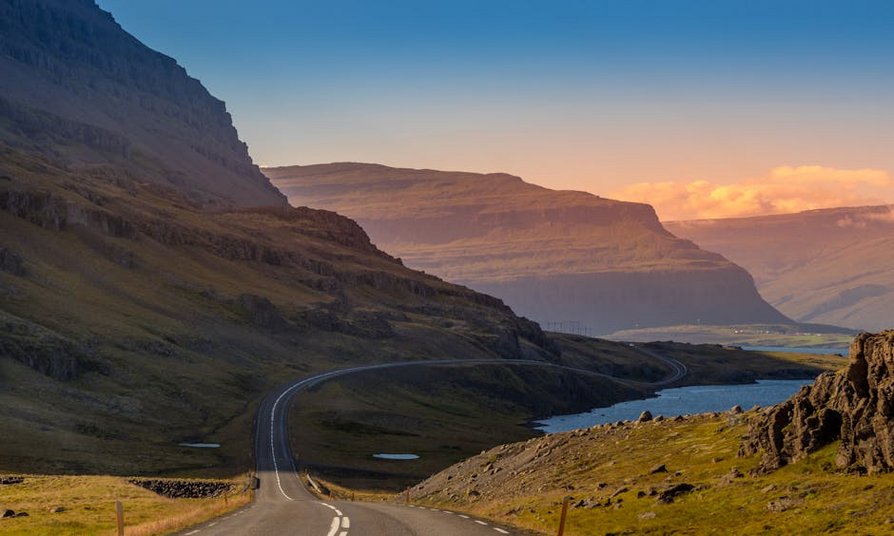
Alt: “westfjords-iceland-dramatic-fjord-landscape-remote-village”
Iceland Westfjords Remote Villages – Planning Your Trip
Your Iceland Westfjords remote villages adventure requires careful timing consideration, as accessibility varies dramatically between summer and winter seasons across this expansive Arctic region. June through August offers optimal conditions with 18-24 hours of daylight, accessible roads, and all services operating, though you’ll encounter more visitors during this peak period. Shoulder seasons in May and September provide solitude and lower accommodation rates, but some village services may operate reduced hours or close completely.
Budget planning should account for Iceland’s high cost of living, with remote locations commanding premium prices for accommodations, dining, and fuel compared to Reykjavik or South Coast destinations. You’ll need approximately $150-250 daily per person for comfortable travel including mid-range lodging, rental vehicle expenses, restaurant meals, and activity fees. Travel insurance with medical evacuation coverage is strongly recommended given the region’s limited healthcare facilities and potential for weather-related disruptions.
Physical preparation matters for exploring these rugged landscapes, as village exploration often involves walking uneven terrain, climbing steep paths to viewpoints, and potentially wading through streams. Pack waterproof layers, sturdy hiking boots, and emergency supplies including extra food, water, and communication devices since cellular service remains unreliable outside main settlements. Advance reservations are essential during summer months, particularly for vehicle rentals and popular guesthouses in smaller communities.
Best Time to Visit Westfjords Villages
Visit between late June and early August for optimal road conditions, 24-hour daylight exploration opportunities, and all village services operating at full capacity. Temperatures typically range from 45°F to 55°F (7°C to 13°C) during these summer months, with minimal snow coverage on mountain passes and fjord waters calm enough for boat tours. You’ll experience the region’s famous midnight sun, enabling extended hiking and photography sessions during late evening hours when lighting conditions become particularly dramatic.
Shoulder seasons in May and September offer solitude with fewer visitors and lower accommodation rates, though some village museums, restaurants, and tour operators may operate reduced schedules. Winter visits between November and February appeal primarily to northern lights enthusiasts willing to navigate challenging road conditions and limited daylight hours of 4-6 hours daily. Spring thaw in March and April creates difficult travel conditions with melting snow creating muddy, impassable roads in many areas.
Budget Planning and Costs
Daily expenses vary significantly based on travel style and season, with these estimates helping you plan accordingly.
Essential Preparation Checklist
Proper gear selection dramatically improves comfort and safety when exploring these isolated Arctic communities throughout variable weather conditions. Pack waterproof outer layers, insulated mid-layers, sturdy hiking boots with ankle support, thermal base layers, gloves, and hat regardless of season, as conditions change rapidly in mountain and coastal environments. Include emergency supplies like extra food, water purification tablets, first aid kit, headlamp, power bank, and physical maps since cellular service remains unreliable outside main settlements.
Documentation should include valid passport, driver’s license with international driving permit if renting vehicles, comprehensive travel insurance with medical evacuation coverage, and credit cards with PIN capabilities for fuel purchases. Book accommodations and vehicle rentals 3-6 months in advance for summer travel, confirming cancellation policies given weather-related itinerary changes. Research road conditions daily via official sources, checking weather forecasts frequently and maintaining flexible plans when exploring these remote areas.
Top Village Attractions and Activities
Westfjords villages each offer unique character and attractions, from Þingeyri’s historic trading post ambiance to Djúpavík’s abandoned herring factory atmosphere that fascinates industrial archaeology enthusiasts. You’ll discover beautifully preserved turf houses in Súðavík, vibrant artistic communities in Flateyri, and spectacular bird cliffs near villages like Breiðavík where puffins nest during summer months. Many settlements feature excellent hiking trails starting directly from village centers, leading to panoramic viewpoints overlooking fjords and distant mountains.
Cultural experiences abound in these communities, with local museums documenting fishing heritage, traditional boat building demonstrations, and occasional festivals celebrating Icelandic music, food, and storytelling traditions. Wildlife watching opportunities include seal colonies along rocky shores, Arctic fox sightings in higher elevations, and numerous bird species inhabiting coastal cliffs throughout the nesting season from May through August. Village cafes and restaurants serve local specialties including fresh seafood, skyr desserts, and traditional lamb dishes prepared using generations-old recipes.
Must-See Village Highlights
Ísafjörður serves as the regional hub with excellent museums, restaurants, and accommodation options, plus boat tours departing to nearby Hornstrandir Nature Reserve where completely uninhabited wilderness awaits exploration. The Westfjords Heritage Museum presents comprehensive regional history exhibits, while the old hospital building now houses contemporary art galleries and cultural spaces worth visiting. You can join guided kayaking tours from Ísafjörður harbor, paddling through calm fjord waters while learning about local marine ecosystems from knowledgeable guides.
Þingeyri features beautifully preserved historic buildings including the oldest commercial structure in Iceland, plus excellent coffee culture at the famous Simbahöllin café housed in a traditional wooden building. The Danish Trading Post Museum illustrates centuries of commercial exchange in this remote settlement, while nearby hiking trails lead to dramatic viewpoints overlooking Dýrafjörður. Djúpavík’s abandoned herring factory represents one of Iceland’s most impressive industrial ruins, with guided tours available during summer months explaining the facility’s historical significance.
Flateyri maintains charming wooden architecture and Iceland’s first professional sea kayaking center, offering guided excursions through nearby fjords regardless of experience level. The village features two impressive avalanche protection structures built after tragic 1995 slides, demonstrating engineering solutions for living in challenging Arctic environments. Nearby Önundarfjörður provides spectacular scenery with multiple hiking trails accessing waterfalls, mountain lakes, and coastal viewpoints perfect for photography sessions during extended summer daylight hours.
Hidden Gems and Local Favorites
Rauðisandur’s spectacular red sand beach stretches nearly 10 kilometers along the coast, accessible via rough gravel roads that deter casual visitors and create wonderfully secluded exploration opportunities. The beach changes color throughout the day based on sunlight angles and tidal conditions, while nearby Látrabjarg cliffs host Europe’s largest bird colony with millions of nesting seabirds during summer months. Local farmers occasionally operate small cafes during peak season, serving homemade cakes and coffee with panoramic ocean views.
Hrafnseyri preserves the birthplace of Jón Sigurðsson, Iceland’s independence hero, with a beautifully maintained museum, traditional church, and turf house complex illustrating 19th-century rural life. The village sits at the head of Arnarfjörður, offering peaceful walking paths through farmland with dramatic mountain backdrops and opportunities to observe traditional agricultural practices. Nearby Dynjandi waterfall represents one of Iceland’s most impressive cascades, with multiple tiers creating thunderous displays particularly during spring snowmelt periods.
Village Exploration Tips
Always check local opening hours before visiting smaller settlements, as museums, cafes, and services may operate limited schedules particularly during shoulder seasons or inclement weather. Respect private property boundaries when photographing villages, as many homes sit close to roads and pathways with residents valuing their privacy in these tight-knit communities. Support local economies by purchasing goods directly from village shops, eating at family-run restaurants, and booking tours with locally operated companies rather than international chains.
Learn basic Icelandic phrases like “takk” (thank you) and “bless” (goodbye) to show cultural respect, though most villagers speak excellent English particularly in tourism-related businesses. Drive cautiously on village roads shared with pedestrians, livestock, and children playing, reducing speed significantly when passing through residential areas. Practice Leave No Trace principles during explorations, packing out all waste and avoiding disturbance to wildlife habitats surrounding these remote settlements.
Practical Travel Information
Transportation logistics require careful planning when visiting these isolated communities, with personal vehicles offering the most flexibility for exploring multiple villages across the expansive peninsula. Regular flights operate between Reykjavik Domestic Airport (REK) and Ísafjörður Airport (IFJ) throughout the year, with flight durations approximately 45 minutes and fares typically $150-300 roundtrip. Ferry services connect Stykkishólmur to Brjánslækur from May through September, with crossing times around 2.5 hours and vehicle transport available for additional fees.
Accommodation options range from basic guesthouses and farm stays to comfortable hotels, with prices typically 20-40% higher than equivalent properties in more accessible Icelandic regions. Advance reservations become essential during summer months, particularly in smaller villages with limited lodging options like Þingeyri or Rauðisandur where properties may feature only 5-10 rooms total. Camping provides budget-friendly alternatives at designated sites near most villages, though facilities remain basic with cold water showers and primitive toilet facilities at many locations.
| Accommodation Type | Features and Locations | Price Range (USD) |
|---|---|---|
| Guesthouses | Family-run properties with shared bathrooms, home-cooked breakfast, local hospitality in villages like Flateyri and Þingeyri | $120-180/night |
| Hotels | Private facilities, restaurants, tour booking services primarily in Ísafjörður with limited options in smaller settlements | $200-350/night |
| Farm Stays | Rural locations near villages, authentic agricultural experiences, home-produced meals, interaction with animals | $100-160/night |
| Vacation Rentals | Entire homes or apartments, kitchen facilities, multiple bedrooms available in larger villages like Ísafjörður and Patreksfjörður | $150-300/night |