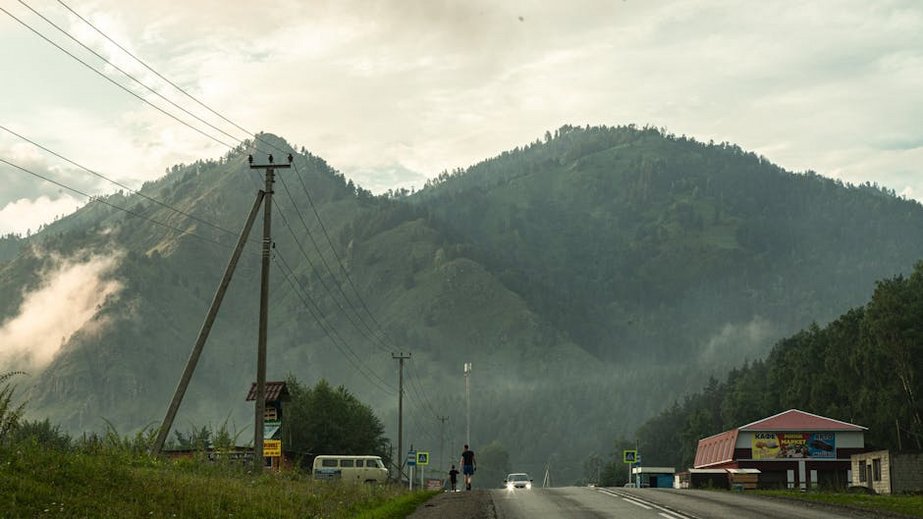
Siberia Oymyakon Coldest Village Travel Guide
Oymyakon in Siberia holds the title as the coldest permanently inhabited settlement on Earth, with recorded temperatures plunging to -96°F (-71°C) during winter months. This remote Yakutia village offers intrepid travelers a unique glimpse into human resilience and Arctic survival within a starkly beautiful landscape of frozen rivers and snow-covered valleys. Your Siberia Oymyakon Coldest Village adventure requires careful preparation for extreme conditions, cultural immersion with the local Sakha people, and understanding the logistics of reaching this isolated destination.
Essential Oymyakon Information
Oymyakon lies in the Sakha Republic of eastern Siberia, approximately 500 miles from Yakutsk and situated within a valley that traps cold air, creating its infamous frigid climate. The village’s name translates to “unfrozen water” from the Even language, referring to a thermal spring that remains liquid year-round despite surrounding permafrost. Approximately 500 residents call this extreme environment home, maintaining traditional livelihoods like reindeer herding and ice fishing across generations.
Winter dominates eight months annually, with temperatures consistently remaining below -58°F (-50°C) from December through February. The Pole of Cold monument in the village center commemorates the 1926 recording of -96°F (-71°C) that established Oymyakon’s status as the Northern Hemisphere’s coldest inhabited place. Summer brings brief relief with temperatures reaching 86°F (30°C) during July, creating dramatic seasonal contrasts within this subarctic climate zone.
Geographical Context and Location
Understanding Oymyakon’s remote positioning helps explain its extreme weather patterns and accessibility challenges for visitors.
- The village sits at 2,460 feet elevation in a mountain basin along the Indigirka River, where cold air pools create temperature inversions that intensify winter conditions beyond surrounding areas.
- Oymyakon’s coordinates place it at approximately 63°N latitude within the continuous permafrost zone, where ground remains frozen year-round to depths exceeding 4,900 feet in some locations.
- This location experiences polar night from December 21 to January 21 with only 3-4 hours of twilight daily, followed by midnight sun phenomena during summer months with up to 21 hours of daylight.
- Budget travelers should anticipate $1,500-$2,500 for a 5-day trip including shared homestay accommodations, group transportation from Yakutsk, and self-catered meals while packing most cold-weather gear from home to minimize rental costs.
- Mid-range options costing $3,000-$5,000 provide private rooms in local guesthouses, experienced English-speaking guides, heated vehicle transfers, and restaurant meals featuring traditional Yakut cuisine alongside necessary equipment rentals for extreme conditions.
- Luxury expeditions ranging $6,000-$10,000+ include specialized Arctic guides, private heated transportation throughout, premium accommodation with reliable heating systems, and exclusive experiences like ice fishing with local experts or reindeer farm visits with cultural demonstrations.
- Insulated clothing systems should include merino wool base layers, down mid-layers, and windproof outer shells rated to -76°F (-60°C), plus heated accessories like gloves and socks for extended outdoor exposure.
- Specialized equipment needs encompass quality winter boots with felt liners, balaclavas or face masks, ski goggles for eye protection, and multiple power banks since electronics fail rapidly in deep cold.
- Health preparations require consulting your physician about cold-weather medications, carrying high-calorie snacks for energy, and understanding frostbite prevention techniques before departure.
- Official Yakutia Tourism Board
- Wikipedia Oymyakon Entry
Historical Significance and Development
Soviet geologists established Oymyakon as a permanent settlement during the 1920s while developing transportation routes and mining operations throughout Yakutia. The village served as a stopping point for reindeer herders and traders moving between seasonal pastures along ancient migratory paths through the Siberian wilderness. Today, Oymyakon maintains its cultural heritage while adapting to modern challenges of climate extremes and limited infrastructure in one of Earth’s most demanding environments.
Climate Extremes and Weather Patterns
Oymyakon’s continental subarctic climate creates the world’s greatest temperature range between seasons, spanning nearly 183°F (102°C) from record lows to summer highs. Winter air becomes so cold that breath freezes audibly, car tires risk shattering on impact, and exposed skin can develop frostbite within five minutes at -76°F (-60°C). The village averages only 8 inches of precipitation annually, with most falling as fine crystalline snow that creates spectacular ice fog phenomena during temperature inversions.
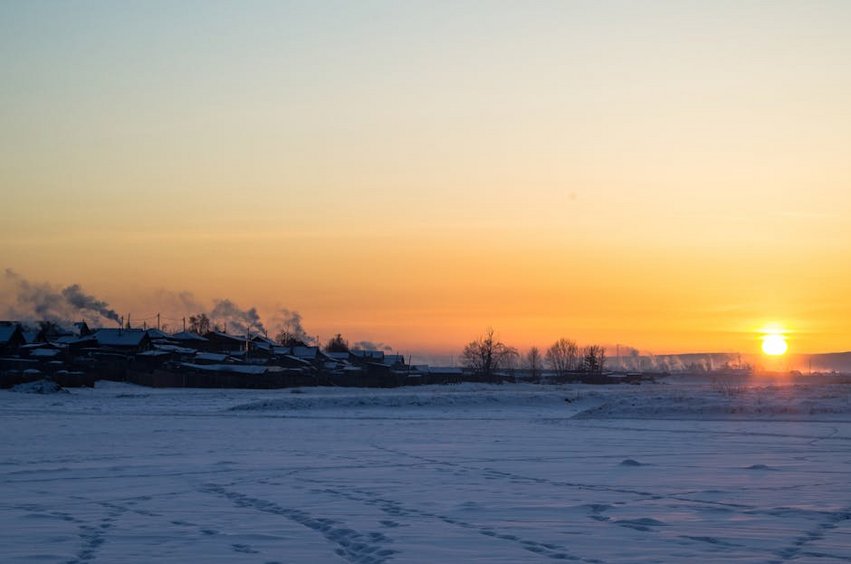
Alt: “oymyakon-village-winter-snow-landscape-extreme-cold”
Siberia Oymyakon Coldest Village – Planning Your Trip
Visiting the Siberia Oymyakon Coldest Village demands meticulous preparation across multiple aspects of travel planning, from timing your expedition to packing appropriate gear for survival in extreme conditions. The journey typically begins in Yakutsk, where you’ll arrange specialized transportation and acquire necessary cold-weather equipment before venturing northeast toward the Pole of Cold. Budget considerations must account for higher costs associated with remote logistics, specialized guides, and equipment rentals not required in temperate destinations.
Travel insurance represents a non-negotiable requirement for any Oymyakon itinerary, with policies specifically covering emergency evacuation from remote locations and treatment for cold-related medical conditions. You’ll need documentation including your passport, Russian visa, and copies of insurance documents stored both physically and digitally in case of emergencies. Local guides provide essential services for navigation, translation, and safety monitoring throughout your stay in this challenging environment where self-sufficiency reaches absolute limits.
Best Time to Visit Oymyakon
December through February delivers the quintessential extreme cold experience with temperatures consistently between -58°F and -76°F (-50°C to -60°C), perfect for witnessing ice fog phenomena and participating in traditional winter activities. These months offer the highest probability of experiencing the village’s legendary cold while celebrating New Year with local traditions, though daylight remains limited to 3-4 hours of twilight. March brings slightly warmer conditions around -22°F to -40°F (-30°C to -40°C) with increasing daylight, creating better opportunities for photography and extended outdoor exploration.
Shoulder seasons in November and April present transitional weather with temperatures ranging from -4°F to -40°F (-20°C to -40°C), offering fewer crowds but less predictable conditions for travel and activities. Summer visits between June and August provide completely different experiences with temperatures reaching 59°F to 86°F (15°C to 30°C), midnight sun phenomena, and opportunities for fishing or hiking in the brief thaw. Each season transforms the landscape dramatically, requiring adjusted expectations and preparation for your chosen travel period.
Budget Planning and Costs
Oymyakon travel expenses vary significantly based on accommodation style, guide services, and transportation methods selected for your Arctic adventure.
Essential Preparation Checklist
Proper gear selection makes the difference between an unforgettable adventure and a dangerous situation in Oymyakon’s extreme climate.
Top Attractions and Activities
Oymyakon’s stark beauty and unique cultural traditions create memorable experiences despite the challenging environment, with activities focusing on Arctic survival skills and local heritage. The Pole of Cold monument stands as the village’s iconic landmark, commemorating the record-low temperature measurement that established this settlement’s global reputation for extreme weather. Traditional reindeer herding demonstrations offer insights into indigenous Sakha and Even cultures, showcasing ancient techniques adapted to modern conditions in this remote region.
Ice fishing on nearby frozen lakes provides both sustenance and recreation for locals, with visitors welcome to participate using specialized tools and methods developed for subzero conditions. The Oymyakon Museum houses artifacts documenting village history, Soviet-era development, and scientific research conducted in this unique microclimate over decades. Natural thermal springs near the village create surreal contrasts with steam rising dramatically against frozen landscapes, offering brief warmth even during the coldest winter days.
Must-See Highlights
The Pole of Cold monument represents Oymyakon’s primary attraction, featuring a simple stone marker and temperature gauge where visitors photograph themselves beside the world record designation. This site becomes particularly dramatic during winter months when breath freezes instantly and ice crystals form on eyelashes, creating unforgettable photographic opportunities despite short daylight hours. Visit during morning hours when temperatures typically reach their daily lowest points, enhancing the authentic extreme cold experience at this significant location.
Traditional Sakha homesteads demonstrate adaptation to Arctic conditions with their distinctive architecture, including underground storage areas and specially designed heating systems. These structures showcase cultural resilience through practical solutions like multiple doorways creating airlocks, triple-paned windows, and livestock integration within living spaces for shared warmth. Local guides can arrange visits to active homesteads where residents share stories of daily life while serving traditional foods like stroganina (frozen raw fish) and hot tea.
Hidden Gems and Local Favorites
The abandoned Soviet weather station several miles from Oymyakon provides haunting exploration opportunities amid decaying infrastructure being reclaimed by the Arctic environment. This site offers perspective on the region’s scientific history and the challenges of maintaining technology in extreme conditions, with rusted equipment creating striking photographic subjects against snow backgrounds. Access requires local guidance due to navigation difficulties and potential structural hazards within the deteriorating buildings.
Local ice sculpting traditions transform ordinary blocks into intricate artworks depicting mythological figures, Arctic animals, and cultural symbols throughout the village during winter months. These temporary installations appear near homes and community spaces, reflecting creative expression despite environmental limitations and providing beautiful subjects for photography. The annual ice sculpture competition in January attracts participants from throughout Yakutia, creating a festive atmosphere amid the deep cold with judging based on technical skill and cultural relevance.
Winter Survival Experiences
Participating in traditional survival skills workshops teaches essential techniques for existing in Arctic conditions, from building emergency snow shelters to starting fires in subzero temperatures. Local experts demonstrate methods developed through generations of experience in this environment, including ice fishing without modern equipment, identifying edible plants beneath snow, and navigating using natural landmarks during whiteout conditions. These hands-on sessions provide practical knowledge while fostering deeper appreciation for indigenous wisdom and adaptation to extreme climates.
Practical Travel Information
Reaching Oymyakon requires multiple transportation stages beginning with international flights to Moscow or Vladivostok, followed by domestic connections to Yakutsk, then overland travel to the village itself. The Kolyma Highway serves as the primary access route, though winter conditions frequently close sections requiring alternative arrangements via specialized vehicles or occasional air transfers when weather permits. Accommodation options remain limited to basic guesthouses and homestays, with advanced reservations essential year-round due to limited capacity in this remote destination.
Communication infrastructure proves unreliable with intermittent mobile service and limited internet access throughout the village, necessitating alternative planning for emergencies and coordination. Power outages occur regularly during extreme cold when generators struggle or fuel supplies dwindle, impacting heating systems and electronic device functionality. Local guides provide invaluable assistance navigating these challenges while ensuring safety through their knowledge of conditions, resources, and community connections within Oymyakon.
| Category | Options/Features | Price Range (USD) |
|---|---|---|
| Accommodation | Basic homestays with shared facilities, traditional meals included, limited heating | $40-80/night |
| Transportation | Specialized winter vehicles from Yakutsk, experienced drivers, emergency equipment | $300-600/round trip |
| Food & Dining | Local cuisine featuring reindeer, fish, dairy; limited imported goods availability | $15-40/day |
| Activities & Guides | Cultural tours, survival workshops, photography expeditions with local experts | $100-300/day |