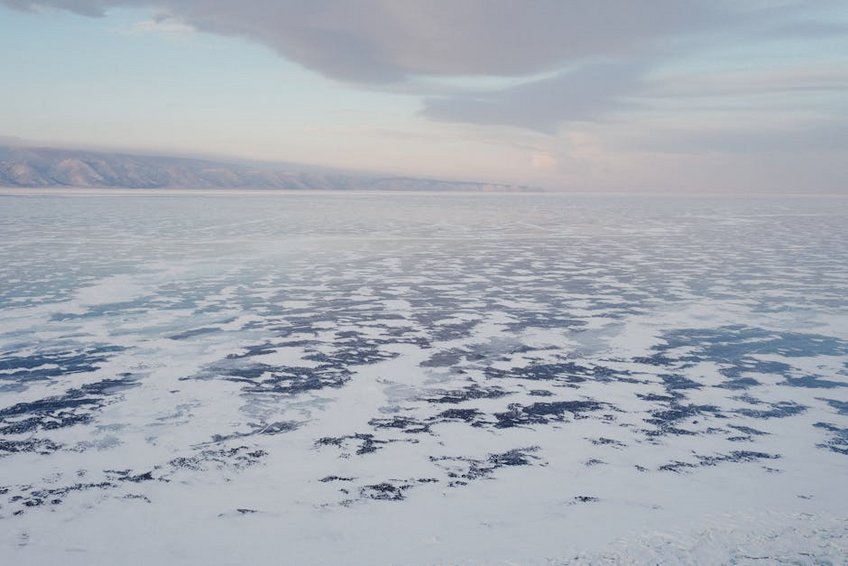
Russia Lake Baikal Ice Trekking: A Frozen Wilderness Adventure
Russia Lake Baikal ice trekking offers an unparalleled Arctic experience across the world’s deepest and oldest freshwater lake, where you’ll traverse crystalline ice formations under vast Siberian skies. This adventure combines physical challenge with breathtaking natural beauty, from ice caves and methane bubbles to stunning panoramic views of snow-capped mountains. We’ll cover essential planning tips, seasonal considerations, and practical advice to ensure your trek is safe, memorable, and perfectly executed.
Essential Baikal Information
Lake Baikal holds approximately 20% of the world’s unfrozen freshwater and stretches over 395 miles in southeastern Siberia, creating a unique microclimate. The lake’s ice reaches thicknesses of 3-6 feet during peak winter, forming natural skating rinks and surreal ice sculptures. This UNESCO World Heritage site freezes completely from January to May, with the clearest ice typically appearing in March.
Local Siberian culture deeply respects Baikal’s power, with indigenous Buryat traditions viewing the lake as a sacred living entity. You’ll encounter small villages like Listvyanka and Khuzhir, where hospitality remains genuine and largely untouched by mass tourism. Winter temperatures frequently drop to -4°F to 14°F (-20°C to -10°C), requiring specialized gear and preparation.
Geographical Marvels and Ice Conditions
Baikal’s unique position creates astonishing ice phenomena that transform the landscape annually.
- Transparent ice sections reach clarity allowing visibility 130 feet down, formed by minimal impurities and extreme cold temperatures.
- Methane bubble formations appear as frozen cascades beneath the surface, created by organic decay on the lake bed.
- Pressure ridge formations create dramatic ice mountains reaching 30 feet high, resulting from tectonic plate movement.
- Budget trekking costs $1,200-$1,800 using hostels in Irkutsk, self-catered meals, and small group tours excluding equipment rental.
- Mid-range options at $1,800-$2,500 include heated camp lodging, some meals, professional guides, and basic gear rental for the duration.
- Luxury expeditions priced $2,500-$4,000 feature private guides, thermal glamping, all meals, and high-end equipment like heated boots and satellite communication.
- Russia Travel Official Tourism Board
- Lonely Planet Lake Baikal Guide
Wildlife and Environmental Considerations
Baikal’s ecosystem includes numerous endemic species found nowhere else on Earth. The nerpa, Baikal’s freshwater seal, occasionally surfaces at breathing holes, while winter birdlife includes golden eagles and rough-legged hawks. Environmental protection measures restrict certain activities and require permits for sensitive areas.
Conservation efforts maintain Baikal’s pristine condition through strict waste management policies for trekkers. You must pack out all trash and use designated camping areas to minimize ecological impact. Local guides enforce these regulations to preserve the lake’s unique biodiversity.
Historical and Cultural Significance
Indigenous Buryat communities have inhabited Baikal’s shores for centuries, maintaining shamanistic traditions tied to the lake’s spiritual energy. Russian exploration began in the 17th century, with scientific expeditions documenting the lake’s unique properties. The Circum-Baikal Railway construction in the early 1900s added historical landmarks along sections of the shoreline.
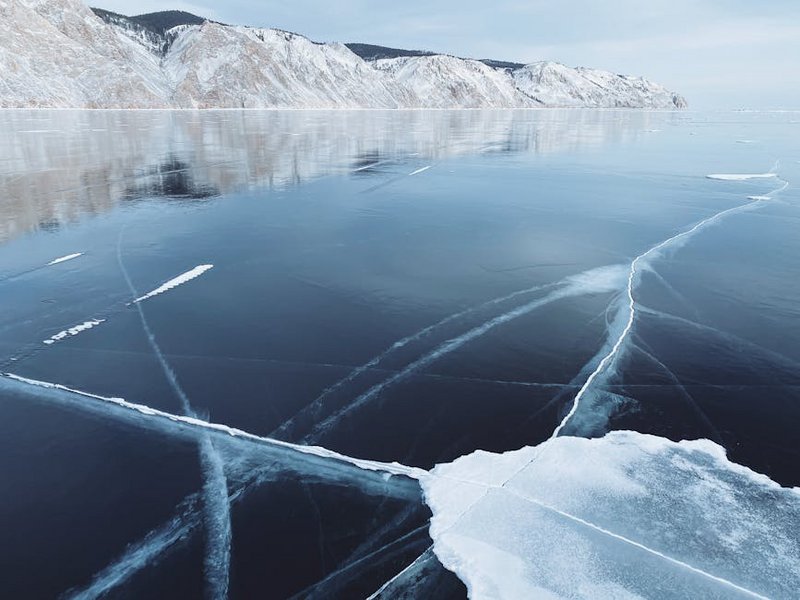
Alt: “lake-baikal-frozen-ice-formations-winter-landscape”
Russia Lake Baikal Ice Trekking – Planning Your Trip
Organizing your frozen lake expedition requires careful attention to seasonal timing, physical preparation, and logistical details. The ideal trekking window falls between late February and mid-April when ice stability peaks and daylight lengthens. You’ll need to book guides several months ahead through reputable operators for the safest experience.
Physical conditioning should include cardio endurance training and cold weather acclimatization exercises before departure. Budget approximately $1,500-$3,000 for a comprehensive 5-7 day guided trek, depending on group size and included amenities. Permits and insurance are mandatory for all ice hiking activities on the lake.
Best Time to Visit Lake Baikal
February delivers the thickest ice at 4-6 feet but shorter daylight hours of 6-8 hours, with temperatures ranging from -22°F to 5°F (-30°C to -15°C). March offers the perfect balance of strong ice at 3-5 feet thickness and longer 10-12 hour days, with temperatures between -13°F to 14°F (-25°C to -10°C). April provides warmer conditions of -4°F to 23°F (-20°C to -5°C) but requires careful monitoring of ice stability as thawing begins.
Budget Planning and Costs
Your expenditure breakdown varies significantly based on accommodation style and guide services.
Essential Preparation Checklist
Specialized gear must withstand extreme cold while providing mobility and safety on slippery surfaces. Required items include insulated waterproof boots rated to -40°F/-40°C, crampons or ice cleats, thermal layers, and windproof outer shells. Navigation tools like GPS devices and physical maps are crucial since phone service remains unreliable across most lake areas.
Documentation requires a Russian tourist visa obtained 1-2 months pre-travel, comprehensive travel insurance covering emergency evacuation, and printed permit copies. Begin physical training 2-3 months beforehand with hiking while carrying 20-30 pound packs and cold exposure practice. Book flights into Irkutsk International Airport (IKT) 4-6 months early for best rates.
Top Attractions and Trekking Routes
Baikal’s frozen expanse offers diverse routes catering to different experience levels and interests, from gentle shoreline walks to challenging cross-lake traverses. The most popular paths begin at Listvyanka village heading toward Bolshoye Goloustnoye, covering 25-40 miles over 3-5 days with overnight stops at designated camps. Shorter options include the Olkhon Island circuit, featuring stunning ice formations and cultural sites.
Guided tours typically incorporate ice cave explorations, photography stops at bubble fields, and visits to scientific research stations along the route. Less experienced trekkers should choose routes remaining within 5-10 miles of shorelines for easier evacuation if needed. Always verify current ice conditions with local authorities before departing, as stability changes daily.
Must-See Highlights
Shaman Rock on Olkhon Island presents dramatic photo opportunities with ice mounds and cultural significance in Buryat mythology. The Maloye More Strait between Olkhon and the mainland features the clearest ice with incredible visibility into the deep blue depths. Shores near Khuzhir village showcase massive transparent ice sheets that create natural mirrors reflecting the sky.
Cape Khoboy at Olkhon’s northern tip offers panoramic views of pressure ridges and occasional seal sightings. The Barguzin Bay area contains the most spectacular methane bubble formations, appearing as frozen champagne flows beneath your feet. These sites remain accessible through guided tours departing from main villages along the western shore.
Hidden Gems and Local Favorites
Peschanaya Bay requires a detour from standard routes but rewards with unique “stilted trees” and isolated ice caves rarely visited by tour groups. Local fishermen sometimes permit visits to their ice fishing holes, where you can observe traditional techniques and potentially taste fresh omul fish. The thermal springs at Khakusy village offer a warming respite, with outdoor pools maintaining 100°F (38°C) even in deepest winter.
These lesser-known spots typically involve additional transportation costs of $50-100 for snowmobile transfers from main routes. Visiting requires flexibility in itineraries and respect for local customs, often benefiting from small gifts or direct payments to residents. Guides with strong community relationships provide the best access to these authentic experiences.
Photography and Ice Exploration
The optimal photography conditions occur during golden hour when low sun angles create long shadows and enhance ice crystal reflections. Wide-angle lenses capture the vast scale, while polarizing filters reduce glare from the bright surface. Night photography opportunities include astrophotography with minimal light pollution and occasional aurora sightings in northern sections.
Ice exploration safety requires constant awareness of color changes indicating thickness variations – dark blue signals strong ice while gray suggests danger. Guides carry ice screws and ropes for crevasse rescue, though most recreational routes avoid hazardous areas. Always maintain visual contact with your group and follow designated paths established by local experts.
Practical Travel Logistics
Reaching Lake Baikal involves international flights to Moscow followed by domestic connections to Irkutsk, the primary gateway city located 40 miles from the lake. Ground transportation options include pre-arranged transfers, public minibuses, or rental cars equipped for winter conditions. Accommodation ranges from Irkutsk hotels to rustic homestays in lakeside villages.
Most trekkers spend 1-2 nights in Irkutsk for orientation and final gear checks before proceeding to starting points. Village accommodations like guesthouses in Khuzhir offer basic amenities with heating and home-cooked meals for $30-60 nightly. Advanced bookings are essential during peak season from February through April.
| Category | Options/Features | Price Range (USD) |
|---|---|---|
| Accommodation | Irkutsk hotels, village guesthouses, thermal heated camps | $25-150/night |
| Transportation | Airport transfers, snowmobile rentals, minibus tours | $20-200/day |
| Guides/Services | Certified guides, equipment rental, permit assistance | $100-300/day |
| Meals/Supplies | Restaurant meals, packaged foods, emergency supplies | $15-50/day |