Arctic Circle Northern Lights Tour: Witness Nature’s Light Show
An Arctic Circle Northern Lights Tour immerses you in one of Earth’s most spectacular natural phenomena across remote polar regions. These expeditions combine celestial displays with unique cultural encounters under the polar night sky. This guide covers optimal viewing locations, seasonal timing, and practical planning for your aurora adventure.
Essential Aurora Borealis Information
The Northern Lights occur when solar particles collide with atmospheric gases creating colorful celestial curtains. This scientific phenomenon appears strongest within the Arctic Circle’s magnetic oval spanning northern latitudes. Understanding the science helps maximize your viewing opportunities during limited darkness hours.
The Science Behind Aurora Displays
Auroras form through complex interactions between solar wind and Earth’s magnetosphere. Charged particles follow magnetic field lines toward the poles exciting oxygen and nitrogen molecules. These collisions release energy as green, purple, and red light spectacles dancing across the sky.
Prime Viewing Locations and Conditions
Several Arctic regions offer exceptional aurora visibility with minimal light pollution. These destinations provide reliable viewing conditions during peak seasons.
- Tromsø, Norway: Coastal city with frequent aurora activity above 69°N latitude from September through March.
- Abisko, Sweden: Mountain-ringed sky station creating microclimate with unusually clear atmospheric conditions.
- Rovaniemi, Finland: Arctic Circle capital offering glass igloos and dedicated aurora alert services throughout winter.
- Reykjavik, Iceland: Accessible base for aurora hunting with geothermal pools and dramatic volcanic landscapes.
- Budget tours cost $1,500-$2,500 featuring hostel accommodations, self-catering options, and group transportation to viewing sites with basic guide services.
- Mid-range packages run $2,500-$3,800 including hotel stays, some meals, heated transportation, and professional photography guidance during aurora hunts.
- Luxury experiences range $3,800-$5,000+ offering glass igloos, gourmet dining, private guides, and dedicated aurora alert systems with guaranteed viewing opportunities.
- Official Norway Tourism Board
- Space Weather Prediction Center
Arctic Climate and Environmental Factors
Arctic winters bring extreme conditions with temperatures plunging to -22°F (-30°C) during peak viewing months. Proper cold-weather gear is essential for comfortable outdoor observation sessions lasting several hours. Weather volatility means flexibility remains crucial for successful aurora sightings.
Daylight hours shrink dramatically above the Arctic Circle during winter solstice periods. Some locations experience polar night with no sunrise for weeks creating extended viewing windows. However, cloud cover frequently obstructs visibility requiring patience and multiple observation attempts.
Alt: “arctic-circle-aurora-borealis-green-lights-mountain-background”
Planning Your Arctic Circle Northern Lights Tour
Your Arctic Circle Northern Lights Tour requires careful timing between September and March when darkness and solar activity peak. This period offers the highest probability of vibrant displays with 4-8 hour viewing windows nightly. Budget between $1,500-$5,000 depending on accommodation style and tour inclusions.
Advanced booking secures preferred accommodations and experienced guides who know local weather patterns. Last-minute decisions often mean limited availability during prime aurora seasons from December through February. Consider travel insurance covering weather-related cancellations for financial protection.
Best Time to Visit for Aurora Viewing
September through March delivers the darkest skies necessary for Northern Lights visibility with peak intensity around equinoxes. February typically offers the clearest atmospheric conditions with temperatures ranging from 14°F to -4°F (-10°C to -20°C). December and January provide nearly 24-hour darkness but increased cloud cover.
Shoulder months like September and March feature milder temperatures between 23°F and 32°F (-5°C to 0°C) with reasonable aurora activity. These periods avoid extreme cold while still providing adequate darkness after 8 PM local time. However, solar activity remains unpredictable requiring flexible scheduling.
Budget Planning and Costs
Aurora tour pricing varies significantly based on accommodation style, meal inclusions, and guide expertise.
Essential Preparation Checklist
Proper clothing makes the difference between memorable enjoyment and miserable suffering in Arctic conditions. Layer thermal base clothing, insulated mid-layers, and windproof outer shells rated below -22°F (-30°C). Heated accessories like gloves and socks prevent frostbite during extended outdoor sessions.
Technical preparation includes camera equipment with manual settings, spare batteries kept warm, and sturdy tripods for long exposures. Research visa requirements for your chosen destination and purchase comprehensive travel insurance covering adventure activities. Book flights 3-6 months early for better pricing and availability.
Top Attractions and Aurora Activities
Beyond Northern Lights viewing, Arctic destinations offer unique winter experiences blending nature and culture. Dog sledding across frozen landscapes provides authentic transportation while snowmobile tours access remote viewing locations. These activities fill daylight hours while waiting for optimal darkness.
Indigenous cultural experiences with Sami communities in Scandinavia or Inuit guides in Canada add depth to your polar journey. Traditional storytelling, reindeer encounters, and handicraft workshops preserve Arctic heritage. Thermal springs in Iceland offer warm relaxation between cold aurora observation sessions.
Must-See Highlights and Viewing Spots
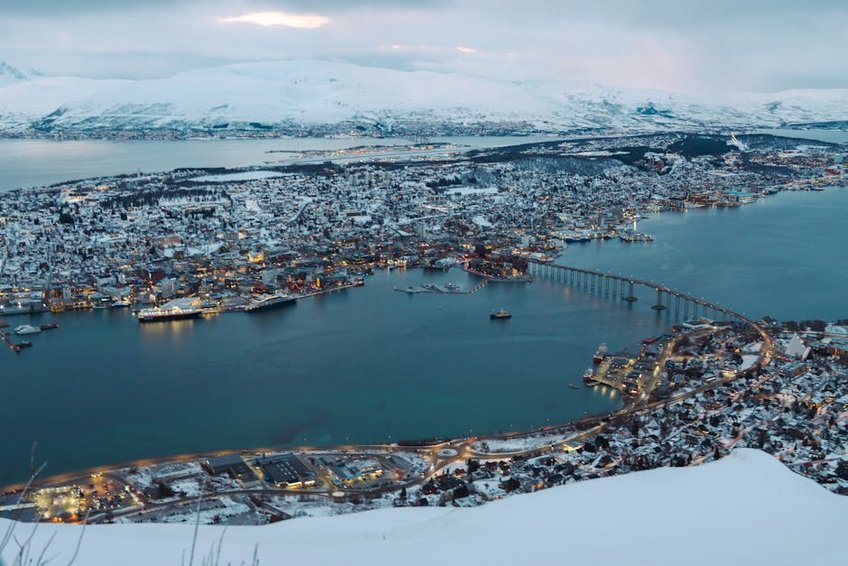
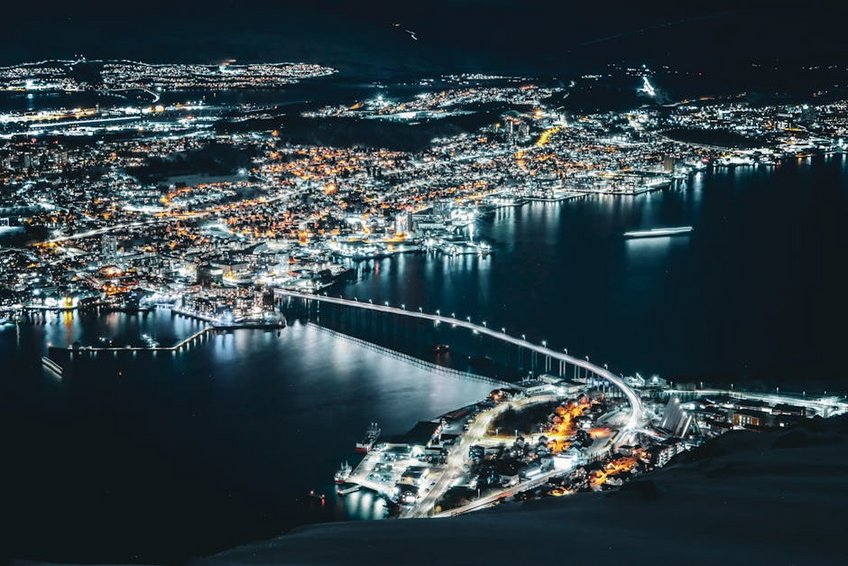
Tromsø’s Fjellheisen Cable Car delivers panoramic city and fjord views from Mount Storsteinen’s summit. The Arctic Cathedral’s architecture creates stunning photographic compositions with aurora displays above. Both locations operate extended hours during peak season with professional photography tours available.
Abisko National Park in Sweden features the Aurora Sky Station with minimal light pollution and scientific exhibits. The Icehotel in Jukkasjärvi offers overnight stays in sculpted ice rooms with aurora viewing through transparent ceilings. These iconic destinations require reservations 4-6 months in advance.
Hidden Gems and Local Favorites
Senja Island in northern Norway provides dramatic coastal landscapes without Tromsø’s crowds. Local fishermen offer aurora boat tours from Hamn i Senja with hot beverages and insider knowledge. The island’s isolation guarantees darker skies and more intimate experiences.
Kilpisjärvi in Finnish Lapland features three-country borders with unique safari options. Wilderness cabins here offer sauna experiences followed by aurora viewing from private lakeside locations. These remote spots require 4WD transportation but reward with unparalleled solitude.
Aurora Photography Techniques and Tours
Successful Northern Lights photography requires DSLR or mirrorless cameras with wide-angle lenses faster than f/2.8. Manual settings around ISO 1600-3200, 10-25 second exposures, and infinity focus capture vibrant colors. Remote shutter releases prevent camera shake during long exposures.
Guided photography tours provide composition advice and technical support during challenging conditions. Many operators include camera rental and instant image review sessions. Night photography workshops teach stacking techniques for creating stunning aurora sequences.
Practical Arctic Travel Information
Arctic transportation relies on limited flight networks and seasonal road conditions. Major hubs include Tromsø (TOS), Rovaniemi (RVN), and Reykjavik (KEF) with connections from European capitals. Winter driving requires experience with icy roads and limited daylight navigation.
Accommodation ranges from basic hostels to luxury ice hotels with glass-ceiling suites. Remote wilderness cabins offer isolation but require self-sufficiency and emergency supplies. Booking platforms show real-time availability with free cancellation options valuable for weather-dependent plans.
| Category | Options/Features | Price Range (USD) |
|---|---|---|
| Accommodation | Glass igloos with aurora alerts, thermal insulation | $300-600/night |
| Guided Tours | Photography workshops, heated transport, hot meals | $150-300/person |
| Transportation | 4WD rental, snowmobile access, domestic flights | $80-200/day |
| Activities | Dog sledding, ice fishing, cultural experiences | $75-150/activity |