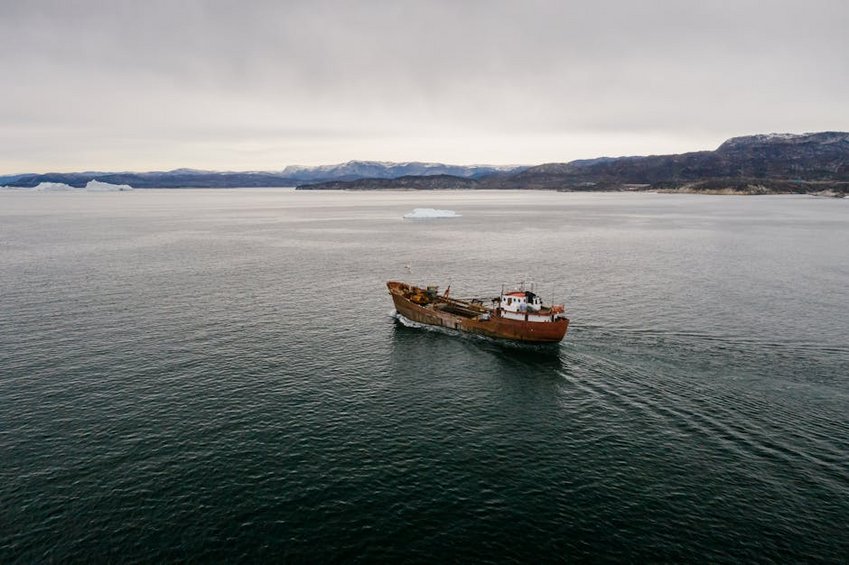
Greenland Disko Bay Icebergs: Witness Nature’s Frozen Giants
Greenland Disko Bay icebergs represent some of the most dramatic natural sculptures on Earth, calving from massive glaciers into the Arctic waters near Ilulissat. These frozen giants tower over the bay with shades of brilliant white and deep blue, creating unforgettable vistas for photographers and adventurers alike. This guide covers essential planning details, seasonal timing, and practical tips for experiencing these Arctic wonders safely and memorably.
Essential Arctic Information
Disko Bay sits on Greenland’s west coast within the Arctic Circle, featuring the UNESCO World Heritage Site Ilulissat Icefjord where Sermeq Kujalleq glacier actively calves icebergs. The region experiences polar daylight patterns with midnight sun from late May to July and polar nights from November to January. Local communities like Ilulissat and Qeqertarsuaq offer cultural insights into Greenlandic Inuit traditions alongside modern amenities.
What You Need to Know
Prepare for variable Arctic conditions with these key considerations.
- Arctic temperatures range from 20°F to 50°F (-7°C to 10°C) during peak visiting months, requiring layered clothing systems with waterproof outer shells.
- Iceberg watching boats operate from May through September, with smaller vessels offering closer approaches to floating ice formations.
- Wildlife sightings include humpback whales, seals, and seabirds, particularly during summer feeding seasons in the nutrient-rich waters.
- Budget travelers should allocate $150-250 daily covering hostel accommodations, self-catered meals, and public boat tours while saving on guided expeditions.
- Mid-range options cost $300-500 daily including comfortable hotels, restaurant meals, and small group iceberg watching tours with knowledgeable local guides.
- Luxury experiences range $600-1000+ daily featuring wilderness lodges, charter boat tours, helicopter flights over glaciers, and multi-day expedition cruises.
- Greenland Tourism Official Site
- Lonely Planet Disko Bay Guide
Key Geographic Details
Disko Bay covers approximately 2,000 square miles with depths reaching 1,000 feet near the icefjord entrance. The bay’s currents carry icebergs southward at speeds up to 40 feet per day, creating constantly changing seascapes. Meanwhile, the surrounding landscape features dramatic fjords, mountain peaks reaching 6,000 feet, and occasional Arctic flora during brief summer months.
Historical and Cultural Context
Inuit communities have inhabited the Disko Bay region for over 4,000 years, developing unique hunting traditions adapted to the Arctic environment. Danish colonization beginning in the 18th century introduced European influences while Greenland gained home rule in 1979. Today, visitors experience this cultural blend through local museums, traditional kayak demonstrations, and contemporary Greenlandic cuisine.
Greenland Disko Bay Icebergs – Planning Your Trip
Successful Arctic adventures require careful timing and preparation for this remote destination. Your Greenland Disko Bay icebergs experience depends on selecting the right season, understanding transportation logistics, and packing appropriate gear for changeable weather conditions. Advance bookings become essential during peak summer months when accommodation and tour availability limited.
International travelers typically access Greenland through Copenhagen or Reykjavik flights to Kangerlussuaq or Ilulissat airports. Consider travel insurance covering weather-related cancellations since Arctic conditions frequently disrupt transportation schedules. Budget for higher costs than mainland destinations due to imported supplies and limited infrastructure.
Best Time to Visit Disko Bay
Visit between June and August for optimal iceberg viewing with temperatures ranging 40-50°F (4-10°C) and nearly 24-hour daylight enabling extended exploration. These summer months offer the most reliable boat tours and wildlife sightings despite higher visitor numbers. Shoulder seasons in May and September provide fewer crowds with temperatures 30-40°F (-1 to 4°C) but increased weather variability.
Winter visits from October to April appeal to Northern Lights enthusiasts despite limited tourism services and temperatures dropping to -4°F (-20°C). February through April brings improving daylight hours for winter activities while maintaining dark skies for aurora viewing. Each season presents distinct advantages depending on your primary interests.
Budget Planning and Costs
Arctic travel involves significant expenses across these categories.
Essential Preparation Checklist
Pack thermal base layers, insulated waterproof jackets, sturdy waterproof boots, and quality sunglasses for intense Arctic light reflection. Include multiple memory cards and backup batteries for photography equipment since cold temperatures drain power quickly. Consider renting specialized gear like dry suits or tripods locally to reduce luggage weight.
Required documentation includes valid passport with six months validity and any necessary visas for transit countries like Denmark or Iceland. Book flights and accommodations three to six months in advance for summer visits. Consult your physician about motion sickness medication for boat tours and verify vaccination requirements.
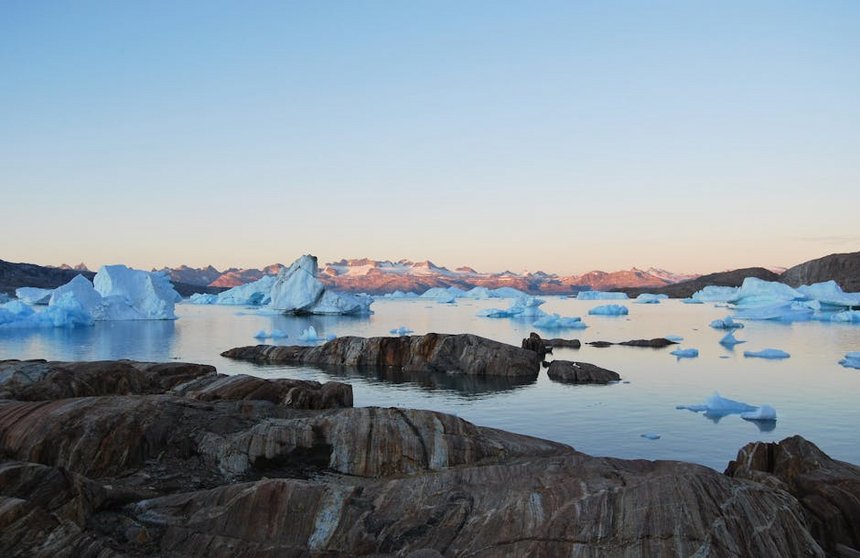
Alt: “disko-bay-icebergs-ilulissat-icefjord-arctic-scenery”
Top Attractions and Activities
Ilulissat Icefjord serves as the primary destination for iceberg viewing with daily boat tours departing from Ilulissat harbor. These excursions navigate among mammoth ice formations while guides explain glacial processes and local ecology. Additional activities include hiking along marked trails with panoramic viewpoints and cultural visits to nearby settlements.
Wildlife enthusiasts enjoy whale watching tours from June through September when humpback and minke whales feed in the bay’s rich waters. Birdwatchers spot numerous seabird species including kittiwakes and Arctic terns nesting along coastal cliffs. Meanwhile, adventure seekers can try dog sledding on glacier ice or kayaking among smaller icebergs with experienced guides.
Must-See Highlights
Ilulissat Icefjord offers breathtaking views of actively calving glaciers with icebergs sometimes exceeding 300 feet in height. Boat tours costing $80-150 provide the closest access to these frozen monuments while respecting safe distances. Visit during early morning or evening for optimal lighting conditions and potentially fewer tour groups.
Eqip Sermia glacier located north of Disko Bay features spectacular calving events visible from specialized expedition boats. This less-crowded destination requires full-day tours costing $200-300 but rewards with intimate Arctic experiences. Meanwhile, the UNESCO World Heritage Centre in Ilulissat provides excellent context about the region’s natural significance.
Hidden Gems and Local Favorites
Qeqertarsuaq on Disko Island offers volcanic landscapes, hot springs, and unique black sand beaches contrasting with white icebergs. Reach this destination via weekly ferry from Ilulissat or scheduled flights for day trips. Local guides share stories about the island’s history and traditional hunting practices.
Ilimanaq Lodge provides luxurious accommodation in a restored settlement with spectacular iceberg views across the water from Ilulissat. This intimate property features Greenlandic-inspired cuisine and guided nature walks along little-known trails. Advance reservations essential since only 16 rooms available.
Iceberg Photography Techniques
Use polarizing filters to reduce glare from ice and water surfaces while enhancing blue tones in iceberg interiors. Shoot during golden hour when low-angle sunlight creates dramatic shadows and highlights across ice formations. Experiment with different perspectives from boat level versus elevated viewpoints along coastal trails.
Protect camera equipment from sea spray and moisture with waterproof bags or housings during boat tours. Carry extra batteries close to your body since cold temperatures significantly reduce battery life. For Northern Lights photography winter months offer dark skies but require specialized equipment and techniques.
Practical Travel Information
Greenland’s transportation network relies heavily on Air Greenland flights connecting major towns and Air Iceland Connect from Reykjavik. Domestic flights between towns cost $200-400 each way while helicopter transfers available for remote locations. Ferry services operated by Arctic Umiaq Line connect coastal communities from April to January.
Accommodation ranges from basic hostels to luxury hotels with most properties concentrated in Ilulissat. Book months in advance for summer visits when availability becomes extremely limited. Consider guesthouses in smaller settlements for more authentic experiences despite fewer amenities.
| Accommodation Type | Features and Locations | Price Range (USD) |
|---|---|---|
| Hostels/Guesthouses | Shared facilities, central Ilulissat locations, kitchen access | $80-150/night |
| Mid-Range Hotels | Private bathrooms, restaurant, tour booking services | $200-350/night |
| Wilderness Lodges | Remote locations, guided activities, gourmet dining | $400-700/night |
| Expedition Cruises | Multi-day itineraries, expert guides, all-inclusive | $3000-8000/trip |