Jordan Dana Biosphere Reserve: Desert Adventures and Ancient Trails
Jordan Dana Biosphere Reserve spans 320 square kilometers across dramatic elevation drops from 1,500 meters to sea level, protecting four distinct bio-geographical zones with unique flora and fauna. This UNESCO-recognized reserve offers unparalleled hiking through sandstone cliffs, hidden wadis, and archaeological sites dating back 6,000 years, providing immersive desert experiences for nature enthusiasts. Our guide covers seasonal timing, budget planning, accommodation options, and cultural insights for your Jordanian adventure.
Essential Reserve Information
Dana Biosphere Reserve lies in south-central Jordan between Tafilah and the Dead Sea, encompassing mountains, deserts, and the Great Rift Valley’s eastern edge. The reserve connects several villages including Dana Village, where traditional stone houses perch on cliffs overlooking Wadi Dana’s breathtaking canyon landscapes. Access points include the main entrance near Dana Village and secondary gates at Feynan Eco-Lodge, with the reserve stretching toward Wadi Araba’s desert plains.
Geography and Landscape Features
The reserve’s dramatic topography creates microclimates supporting diverse ecosystems from Mediterranean woodlands to Saharo-Arabian desert environments. Elevation variations produce temperature differences up to 15°C (27°F) between high and low areas, influencing vegetation patterns and wildlife habitats. Three major wadis—Dana, Ghuweir, and Feynan—carve through sandstone formations, creating hiking routes with seasonal water sources and shaded canyon passages.
Conservation History and Significance
Established in 1989 through Royal Society for the Conservation of Nature initiatives, Dana became Jordan’s first biosphere reserve protecting endangered species like Nubian ibex and Syrian serins. Conservation programs integrate local Bedouin communities through sustainable tourism, with traditional grazing practices adapted to preserve biodiversity across the protected area. The reserve represents a model for community-based conservation in the Middle East, balancing ecological protection with cultural preservation.
Climate Patterns and Seasonal Variations
Dana experiences Mediterranean climate in highlands with winter snowfall, transitioning to arid desert conditions in lower elevations with minimal annual rainfall. Spring (March-May) brings moderate temperatures 15-25°C (59-77°F) and blooming wildflowers, while summer (June-August) sees highs reaching 35°C (95°F) in valleys with intense sunlight. Winter (December-February) offers crisp days 5-15°C (41-59°F) but cold nights dipping below freezing at higher elevations, requiring proper thermal layers.
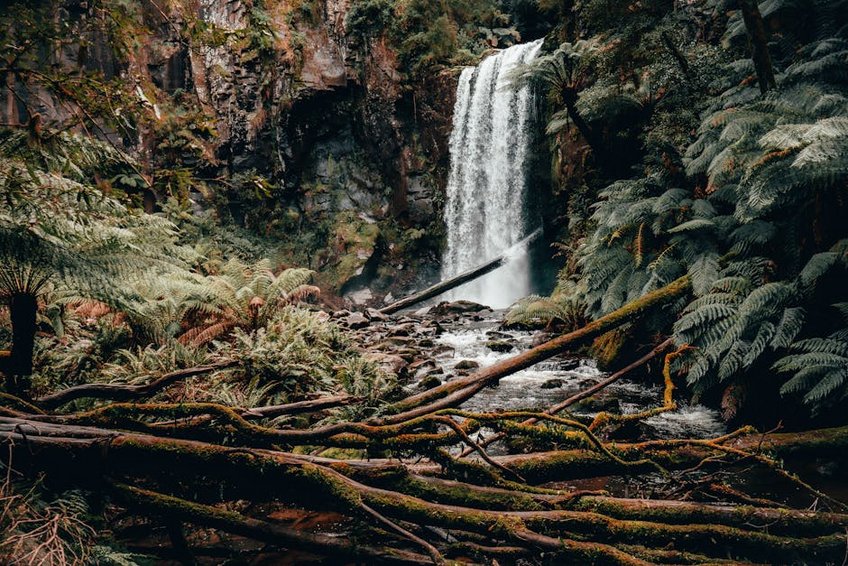
Alt: “dana-biosphere-reserve-canyon-hiking-trail-bedouin-camp”
Jordan Dana Biosphere Reserve – Planning Your Trip
Visiting Jordan Dana Biosphere Reserve requires careful timing between October-April when temperatures remain comfortable for extended hiking and wildlife viewing. Budget approximately $50-150 daily depending on accommodation style, guided tour inclusion, and transportation method from Amman or Petra. Reserve entry permits and camping permissions must be arranged through RSCN visitor centers in advance, especially during peak spring and autumn seasons.
Best Time to Visit
March through May delivers ideal conditions with daytime temperatures 18-26°C (64-79°F), wildflower displays, and active wildlife before summer heat intensifies. September to November provides similar comfort levels 20-28°C (68-82°F) with reduced crowds and golden light perfect for photography. Winter visits December-February suit experienced hikers prepared for cold nights 0-10°C (32-50°F) but offer solitude and crisp visibility across desert landscapes.
Budget Planning and Costs
Daily expenses vary significantly based on accommodation type, meal options, and guided service inclusion.
- Budget travelers spending $50-75 daily use campgrounds or homestays, self-cater meals, and hike independently with reserve entry fees around $7 per person.
- Mid-range visitors allocating $80-120 daily book eco-lodges like Feynan, join guided hikes $25-40, and enjoy restaurant meals while supporting local conservation initiatives.
- Luxury experiences costing $130-150+ include private guided tours, premium eco-lodges with full-board, and specialized activities like stargazing or cultural immersion programs.
- Sturdy hiking boots with ankle support for rocky trails, plus sandals for wadi crossings and camp relaxation.
- Layered clothing system including thermal base layers, sun-protective shirts, and insulated jacket for temperature swings day to night.
- Navigation tools like detailed topographic maps, compass, or GPS device since cellular service remains limited beyond village areas.
- Royal Society for the Conservation of Nature Jordan
- Jordan Tourism Board
Essential Preparation Checklist
Proper gear ensures comfort and safety across Dana’s variable terrain and climate conditions.
Documentation needs include passport copies, travel insurance with emergency evacuation coverage, and printed reserve permits. Book accommodations 2-3 months ahead for March-May visits, with guided tours arranged through RSCN-approved operators. Health preparations involve carrying sufficient water (3-4 liters daily), high-energy snacks, and basic first aid supplies for remote trail sections.
Top Attractions and Activities
Dana Biosphere Reserve offers diverse experiences from challenging multi-day treks to cultural encounters with local Bedouin communities. The reserve’s trail network spans over 80 kilometers, connecting archaeological sites, natural springs, and viewpoints across four distinct vegetation zones. Wildlife spotting opportunities include over 200 bird species, mountain gazelles, and rare carnivores like striped hyenas and Blanford’s foxes in dawn and dusk hours.
Must-See Highlights
Wadi Dana Trail descends 16 kilometers from Dana Village to Feynan Eco-Lodge through spectacular canyon scenery, requiring 6-8 hours with elevation drop of 1,200 meters. This route passes Nabatean copper mines, Byzantine ruins, and seasonal waterfalls, with guided options including overnight camping in designated areas. Shobak Castle sits north of the reserve, a Crusader-era fortress with underground passages and panoramic views worth the detour.
Feynan Eco-Lodge provides sustainable accommodation deep in the reserve, operating entirely on solar power and candlelight with astronomy programs highlighting pristine dark skies. Dana Village itself offers cultural immersion with traditional stone architecture, artisan workshops, and homestay opportunities learning about local conservation efforts. These sites represent the reserve’s blend of natural beauty and human history across millennia.
Hidden Gems and Local Favorites
Wadi Ghuweir features a perennial stream creating a lush palm-filled canyon accessible via 4-kilometer hike from the nearby village, offering shaded picnic spots rarely crowded. Local guides know secret rock art sites depicting ancient hunting scenes and Nabatean inscriptions scattered throughout the eastern reserve boundaries. Bedouin families sometimes invite visitors for traditional mint tea in their goat-hair tents, sharing stories about desert life and wildlife tracking techniques.
Copper mining sites near Feynan reveal 3,000-year-old smelting operations with explanatory signs detailing ancient industrial processes in the archaeological landscape. These less-visited areas provide intimate experiences away from main trails, though accessing them requires local guidance and advance permission from reserve management. Early morning hikes to Jabal Umm Aldami viewpoints reward with sunrise over the Great Rift Valley before daytime heat intensifies.
Hiking and Trekking Routes
The Dana to Feynan Trek remains the reserve’s signature experience, best undertaken over two days with overnight camping at designated sites along the wadi. This route demands good fitness with rocky descents and occasional scrambling, but delivers unparalleled scenery through narrow canyons and past historical sites. Shorter options include the White Dome Trail (3 hours round-trip) from Dana Village or Wadi Dathneh Loop (4 hours) showcasing spring wildflowers.
Multi-day expeditions connect Dana with Petra through the 72-kilometer Jordan Trail section, requiring 4-5 days with supported camping and guide services. These extended treks traverse diverse landscapes from highland forests to red desert, with logistics arranged through specialized operators in Amman or Wadi Musa. All hiking requires carrying sufficient water, sun protection, and emergency supplies since facilities remain limited beyond village areas.
Practical Travel Information
Reaching Dana Biosphere Reserve involves 3-hour drive from Amman or 1.5 hours from Petra, with public transportation options limited to minibuses from Karak or Tafilah. Accommodation ranges from basic campgrounds to award-winning eco-lodges, all requiring advance booking especially during popular spring and autumn seasons. Reserve entry fees apply for all visitors, with additional charges for camping and guided activities supporting local conservation programs.
| Accommodation Type | Features and Amenities | Price Range (USD) |
|---|---|---|
| Camping Sites | Basic facilities, shared bathrooms, fire pits, reserve locations | $10-20 per night |
| Dana Guesthouse | Traditional stone rooms, shared bathrooms, village location, restaurant | $40-60 per night |
| Feynan Eco-Lodge | Solar-powered, candlelit rooms, private bathrooms, guided activities | $100-150 per night |
| Homestay Programs | Local family hosting, traditional meals, cultural exchange | $25-40 per night |