Oman Wahiba Sands Desert Camp: Authentic Desert Adventure
An Oman Wahiba Sands desert camp immerses you in rolling golden dunes stretching over 12,500 square kilometers with traditional Bedouin hospitality. These camps range from basic tents to luxury accommodations, offering activities like dune bashing and camel trekking under star-filled skies. This guide covers planning essentials, cultural insights, and practical tips for your desert expedition.
Essential Desert Camp Information
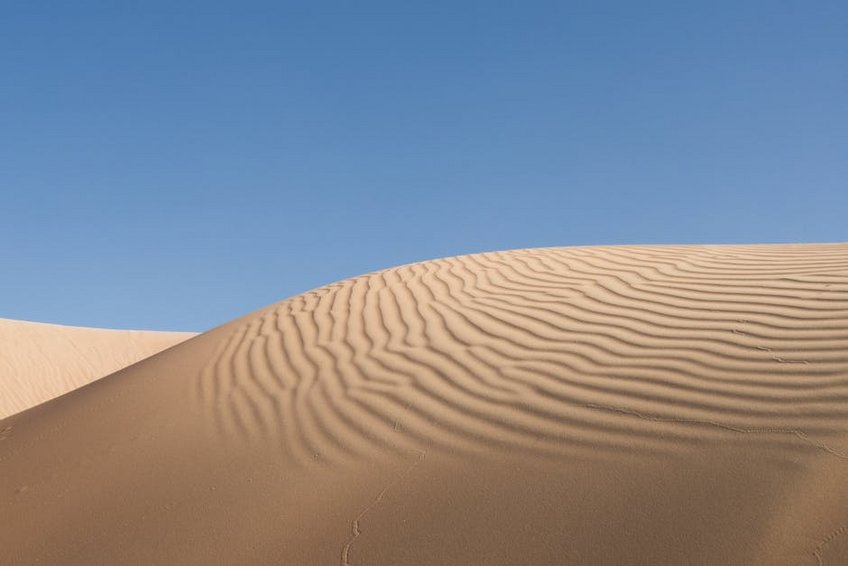
Wahiba Sands, also called Sharqiya Sands, features dunes reaching 100 meters high with diverse desert ecosystems. The region hosts Bedouin communities maintaining centuries-old traditions through camel herding and date farming. Temperatures swing from 50°F (10°C) at night to 113°F (45°C) during summer afternoons.
Desert camps provide varying comfort levels from simple woven palm frond shelters to air-conditioned luxury tents. Many include cultural performances like Omani folk dances and henna painting sessions. Advance bookings are essential since capacity remains limited across the remote desert locations.
Understanding Wahiba Sands Geography
The desert spans approximately 180 kilometers north to south with varying dune types and colors. Northern sections feature reddish sands while southern areas display lighter golden hues. Several wadis (dry riverbeds) border the desert, creating occasional greenery pockets.
- Dune heights range 50-100 meters (164-328 feet) with constant shifting patterns requiring experienced guides for navigation
- Desert flora includes acacia trees and drought-resistant shrubs supporting limited wildlife like Arabian oryx and desert foxes
- Bedouin settlements dot the landscape with seasonal movements following grazing patterns and water source availability
- Budget camps cost $50-100 nightly featuring shared facilities, basic meals, and standard activities like camel rides and bonfire gatherings
- Mid-range options range $100-200 offering private tents with en-suite bathrooms, better meal quality, and added activities like sandboarding or 4WD tours
- Luxury experiences reach $200-300+ with air-conditioned tents, premium dining, private guides, and exclusive activities like falconry displays or photography tours
- Oman Ministry of Tourism
- Lonely Planet Oman Guide
Cultural Heritage and Bedouin Life
Bedouin tribes have inhabited these sands for generations, preserving unique cultural traditions and hospitality customs. Their lifestyle revolves around camel breeding, date cultivation, and seasonal migration between desert and coastal areas. Visitors can experience authentic Omani coffee ceremonies and learn about traditional navigation techniques.
Modern influences have introduced some changes, but many families maintain traditional livelihoods. Respectful engagement includes dressing modestly and accepting offered refreshments. The Bedouin code emphasizes generous hospitality to all travelers crossing their desert territory.
Desert Climate and Environmental Factors
Wahiba Sands experiences extreme temperature variations between day and night throughout the year. Winter months (November-February) provide the most comfortable conditions for desert camping. Summer brings intense heat requiring adjusted activity schedules and increased hydration vigilance.
Sandstorms occasionally occur between May and August, reducing visibility and potentially disrupting travel plans. The desert receives minimal rainfall, typically during brief winter showers that briefly transform the landscape. Always check weather forecasts before departing for your desert adventure.
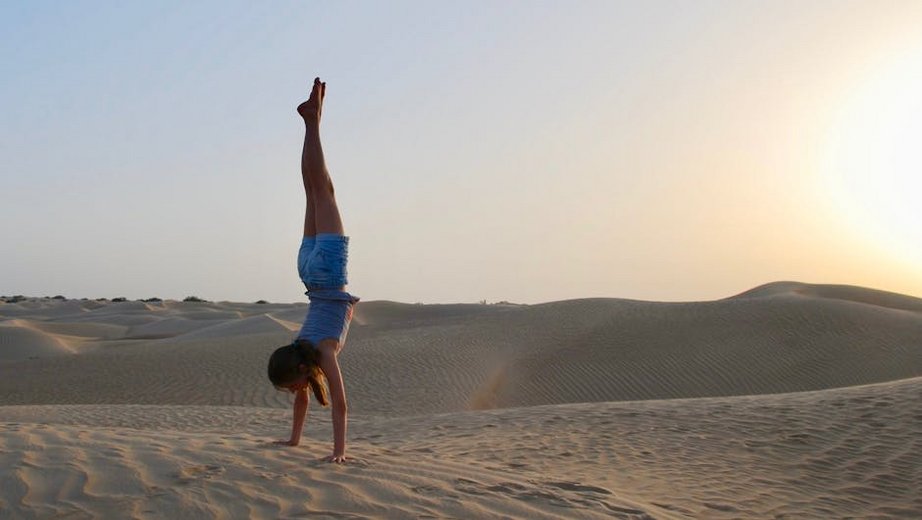
Alt: “wahiba-sands-desert-camp-bedouin-tent-sunset”
Planning Your Oman Wahiba Sands Desert Camp Trip
Organizing your desert camp experience requires considering seasonal weather patterns and activity preferences. The optimal visiting window falls between October and April when temperatures range 68-86°F (20-30°C). Budget approximately $50-300 nightly depending on accommodation style and included activities.
Most visitors combine their desert stay with other Omani attractions like Nizwa Fort or Wadi Shab. Allow 2-3 days minimum to fully appreciate the desert environment and cultural interactions. Booking through reputable tour operators ensures proper safety measures and authentic experiences.
Your Oman Wahiba Sands desert camp preparation should include appropriate clothing for temperature extremes. Pack lightweight long sleeves for sun protection and warm layers for chilly evenings. Essential items include sturdy closed-toe shoes, sunglasses, and reusable water containers.
Best Time to Visit Wahiba Sands
Peak season runs October through April with daytime temperatures 75-86°F (24-30°C) and nights cooling to 50-59°F (10-15°C). These months offer ideal conditions for desert activities with minimal discomfort from extreme heat. December and January see higher tourist numbers requiring earlier reservations.
Shoulder months May and September present warmer conditions 95-104°F (35-40°C) but fewer visitors and potentially lower rates. Summer months June-August experience extreme heat exceeding 113°F (45°C), making outdoor activities challenging. Some camps close during this period or operate reduced services.
Budget Planning and Costs
Desert camp pricing varies significantly based on accommodation type and included amenities.
Essential Preparation Checklist
Pack lightweight, loose-fitting clothing covering arms and legs for sun protection and cultural respect. Include a warm jacket or fleece for evening temperatures that drop significantly. Footwear should include sturdy walking shoes for dune hiking and sand-friendly options for camp areas.
Essential gear includes high-SPF sunscreen, lip balm with UV protection, wide-brimmed hat, and sunglasses. Bring necessary medications since remote desert locations have limited medical facilities. Confirm your travel insurance covers adventure activities and emergency evacuation from remote areas.
Top Desert Attractions and Activities
Wahiba Sands delivers diverse experiences from adrenaline-fueled adventures to peaceful cultural interactions. The massive dune fields create perfect landscapes for photography, especially during golden hour. Many camps organize guided activities that introduce visitors to traditional Bedouin skills and desert survival techniques.
Evening entertainment typically features Omani music performances around campfires with unlimited sweet tea. The extremely dark skies provide exceptional stargazing opportunities, particularly during new moon phases. Most visitors find the desert silence and vast horizons equally memorable as the organized activities.
Must-See Highlights
Sunrise and sunset viewpoints atop high dunes offer spectacular panoramic views of the endless sand sea. The changing light creates dramatic shadows and color transformations across the landscape. Pre-dawn departures reward early risers with cool temperatures and magical morning light.
Bedouin family visits provide insight into traditional desert lifestyles and hospitality customs. These encounters often include Omani coffee, dates, and conversation through camp interpreters. Remember to bring small gifts like dates or school supplies as respectful gestures.
Camel treks across the dunes replicate traditional desert transportation methods at gentle paces. Shorter rides typically last 30-60 minutes while overnight expeditions include camping under stars. These experiences connect you with centuries of Bedouin travel traditions.
Hidden Gems and Local Favorites
Secret swimming spots exist where underground water surfaces creating rare desert oases. These locations remain known mostly to Bedouin guides who can arrange visits during cooler hours. The contrast between blue water and orange sand creates stunning photographic opportunities.
Traditional date plantations flourish in desert outskirts where irrigation systems support palm groves. Visiting these farms reveals ancient agricultural techniques adapted to arid environments. Date harvesting seasons (July-September) offer particularly interesting insights into this staple food source.
Adventure Activities and Desert Sports
Dune bashing in 4WD vehicles provides exhilarating rides over steep sand slopes with professional drivers. This activity requires specially modified vehicles with reduced tire pressure for better sand traction. Sessions typically last 1-2 hours including safety briefings and photo stops.
Sandboarding down steep dune faces offers thrilling descents for adventure enthusiasts. Camps provide boards and basic instruction for beginners on smaller slopes. The soft sand ensures relatively safe falls, making this accessible for most fitness levels.
Practical Travel Information
Reaching Wahiba Sands involves traveling from Muscat or other coastal cities into the desert interior. Most visitors hire 4WD vehicles with drivers or join organized tours that include transportation. The journey from Muscat takes approximately 2.5-3 hours depending on specific camp locations.
Accommodation options range from basic Bedouin-style tents to luxurious permanent structures with modern amenities. Booking directly through camp websites often provides better rates than third-party platforms. Confirm what amenities (electricity, Wi-Fi, private bathrooms) your chosen camp provides.
| Accommodation Type | Features and Amenities | Price Range (USD/Night) |
|---|---|---|
| Basic Desert Camp | Shared facilities, group meals, camel rides, bonfire | $50-100 |
| Standard Desert Camp | Private tent, en-suite bathroom, better dining, added activities | $100-200 |
| Luxury Desert Camp | Air conditioning, premium dining, private guide, exclusive activities | $200-300+ |
| Bedouin Experience | Authentic family stay, traditional meals, cultural immersion | $80-150 |