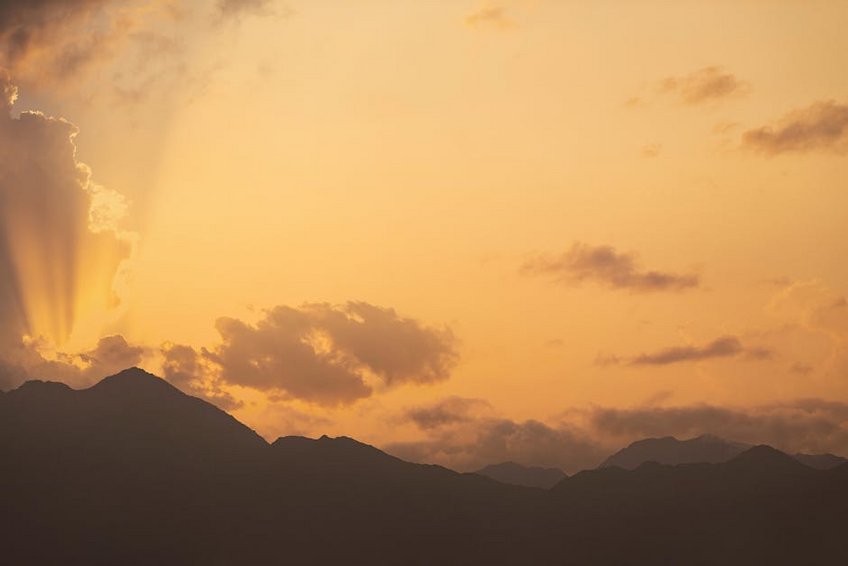
Oman Jebel Shams Grand Canyon: Epic Mountain Adventure
Oman Jebel Shams Grand Canyon offers breathtaking vistas across the Hajar Mountains, reaching 3,009 meters as the country’s highest peak. This dramatic landscape features deep wadis, rugged cliffs, and traditional villages preserving ancient Omani culture against a backdrop of geological wonders. Our guide covers seasonal timing, hiking routes, accommodation options, and cultural insights for planning your Arabian adventure.
Essential Geological and Cultural Background
Jebel Shams translates to “Mountain of the Sun” in Arabic, dominating Oman’s Al Dakhiliyah Governorate with its limestone formations. The canyon itself, often called Wadi Ghul, reveals layered rock strata dating back millions of years through tectonic plate movements. Local Jabal tribes have inhabited these mountains for centuries, maintaining terraced agriculture and goat herding traditions.
European explorers first documented the region in the 1930s, though Omani communities knew these routes for trade and seasonal migration. Modern infrastructure reached the area in the 1990s, making the canyon accessible while preserving its wild character. Today, it represents one of Arabia’s most spectacular natural attractions outside desert dunes.
Geographical Features and Formation
The canyon system formed through water erosion over millennia, creating vertical drops exceeding 1,000 meters in sections. Unlike Arizona’s Grand Canyon, this Arabian version features sharper limestone formations and seasonal water flow. Its highest point provides panoramic views across multiple governorates on clear days.
- Wadi Ghul canyon depth reaches 1,000 meters with visible geological layers showing different erosion periods
- Jebel Shams summit plateau spans 5 kilometers with both sharp peaks and gradual slopes for varied hiking
- Ancient falaj irrigation systems channel mountain water to villages below, demonstrating historical engineering
- Budget travelers spend $50-80 daily using shared taxis, camping, and self-catering while focusing on free hiking trails and village exploration
- Mid-range visitors allocate $100-150 for rented 4×4 vehicles, guesthouse accommodation, and occasional guided hikes to remote viewpoints
- Luxury experiences cost $200-300+ featuring resort stays, private guides, and multi-day trekking packages with equipment included
- Oman Ministry of Tourism
- Lonely Planet Oman Guide
Historical Significance and Local Culture
Bedouin tribes historically used the mountain as a seasonal residence, moving between high pastures and valley settlements. Archaeological findings include Bronze Age pottery shards and stone tools near abandoned villages along the canyon rim. These discoveries suggest continuous human presence for over 4,000 years in this challenging environment.
Traditional stone houses with palm frond roofs still dot the landscape, though many families now maintain them as secondary residences. Visitors might encounter herders guiding goats along ancient paths or farmers maintaining terraced gardens. Respectful observation preserves these cultural practices while supporting local economies through tourism.
Climate Patterns and Seasonal Variations
Temperatures range from 45°F to 75°F (7°C to 24°C) in winter months between November and March. Summer brings intense heat exceeding 100°F (38°C) at lower elevations, with mountain areas remaining 15-20 degrees cooler. Annual rainfall measures just 100-200 millimeters, mostly during brief winter showers.
Microclimates create significant variation between canyon floor and summit conditions within short distances. Morning fog often blankets higher elevations before burning off by midday, creating dramatic photographic opportunities. Nighttime temperatures can drop below freezing December through February, requiring proper insulation.
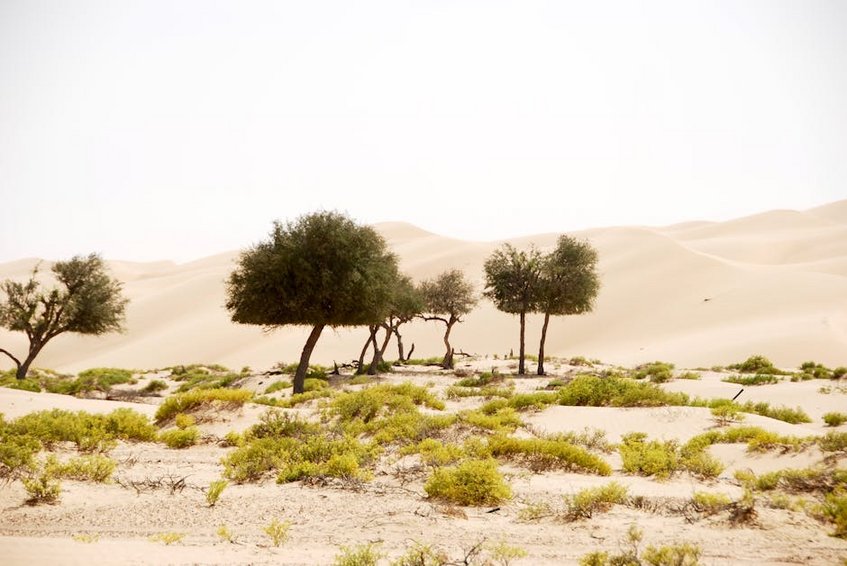
Alt: “jebel-shams-canyon-rim-hiking-trail-oman-mountains”
Oman Jebel Shams Grand Canyon – Planning Your Trip
Successful Oman Jebel Shams Grand Canyon exploration requires careful timing between October and April for comfortable temperatures. Budget $50-150 daily depending on accommodation style, transportation choices, and guide services for remote trail sections. Research visa requirements for your nationality, as many Western passports receive 30-day tourist visas on arrival.
Physical preparation should include cardiovascular training for altitude changes and rocky terrain navigation. Pack layered clothing for temperature swings, sturdy hiking boots with ankle support, and sun protection despite cooler mountain air. Book rental vehicles or guided tours several weeks ahead during peak season from December to February.
Mobile service remains unreliable beyond main villages, requiring offline maps and communication plans. Respect local customs by dressing modestly and seeking permission before photographing residents. These considerations ensure both safety and cultural sensitivity during your mountain adventure.
Best Time to Visit Jebel Shams
October through April provides ideal conditions with daytime temperatures of 65-80°F (18-27°C) and minimal rainfall. December and January see occasional frost overnight but offer crystal-clear visibility across the canyon. February brings almond blossom season, adding floral beauty to the rugged landscape.
Summer months from May to September present extreme heat challenges, with temperatures exceeding 100°F (38°C) in shaded areas. Many tour operators reduce services during this period, and hiking becomes dangerous without early morning starts. Shoulder seasons in October and April balance comfortable weather with smaller crowds.
Budget Planning and Costs
Daily expenses vary significantly based on travel style and group size.
Essential Preparation Checklist
Physical conditioning should include stair climbing and hill walking with loaded daypacks several weeks before departure. Break in sturdy hiking boots on similar terrain to prevent blisters during longer canyon trails. Practice navigation with topographic maps or GPS devices if planning independent exploration.
Documentation needs include passport validity exceeding six months, travel insurance covering emergency evacuation, and international driving permits for rental vehicles. Health precautions involve hydration packs, basic first aid supplies, and knowledge of nearest medical facilities in Nizwa or Bahla.
Top Attractions and Adventure Activities
Jebel Shams area delivers diverse experiences from challenging summit attempts to cultural immersion in mountain villages. The Balcony Walk trail follows canyon rims with exposed sections requiring sure footing and minimal fear of heights. Ancient abandoned settlements like Ghul and Al Hamra provide glimpses into pre-oil era Omani life.
Adventure seekers find via ferrata routes with fixed cables and ladders descending into narrower canyon sections. These guided activities require previous climbing experience and specialized equipment provided by licensed operators. More relaxed options include sunrise photography from designated viewpoints and stargazing in designated camping areas.
Must-See Highlights
Wadi Ghul viewpoint near the military post offers the classic canyon panorama photographed in most promotional materials. Arrive before 8 AM to avoid midday haze and tourist crowds forming by late morning. This accessible spot requires no hiking, making it suitable for all fitness levels and family visits.
Jebel Shams summit trek demands full-day commitment and proper guidance through unmarked routes across rocky plateaus. Experienced hikers reach the top in 6-8 hours roundtrip from the highest accessible point by vehicle. Carry 3+ liters of water per person and emergency supplies for weather changes.
Ancient village of Misfat al Abriyeen features preserved architecture with falaj irrigation channels still watering date palms and fruit trees. Wander through narrow alleyways between stone houses, some converted into guesthouses offering authentic accommodation. Visit the small museum documenting local history and agricultural traditions.
Hidden Gems and Local Favorites
Snake Canyon (Wadi Bani Awf) presents a technical canyoneering experience through narrow passages and waterfall rappels. This full-day adventure requires guided assistance, waterproof gear, and swimming ability for submerged sections. Its dramatic scenery remains less crowded than main canyon viewpoints.
Secret waterfall pools appear seasonally in side canyons after rare rainfall events, creating temporary oases. Local guides know these ephemeral locations and can arrange visits when conditions permit. Always verify water safety and current access before attempting to reach these hidden spots.
Hiking Trail Difficulty Levels
Balcony Walk (W6 Trail) spans 4 kilometers roundtrip along relatively flat terrain with some exposed edges. This moderate hike takes 2-3 hours with constant canyon views and access to abandoned villages. It serves as the most popular introduction to the area’s landscapes.
Summit routes vary from strenuous day hikes to multi-day expeditions with overnight camping. Navigation skills become essential above the tree line where trail markers disappear. Consider hiring local guides familiar with weather patterns and emergency procedures for these advanced adventures.
Practical Travel Information and Logistics
Muscat International Airport (MCT) serves as the primary gateway, located 200 kilometers from Jebel Shams via modern highways. Rental 4×4 vehicles cost $40-80 daily, essential for accessing mountain roads beyond Nizwa. Public transportation reaches nearby towns, but requires private transfers for final canyon access.
Accommodation ranges from basic camping sites to luxury mountain resorts with heated pools and guided activity packages. Booking.com and local Omani tourism sites list options, with advance reservations critical November through March. Many properties offer meal plans since restaurant choices remain limited in remote areas.
| Accommodation Type | Features and Amenities | Price Range (USD) |
|---|---|---|
| Desert Campsites | Basic facilities, shared bathrooms, fire pits, star viewing | $15-30 |
| Mountain Guesthouses | Private rooms, traditional meals, local hosts, cultural activities | $50-80 |
| Eco-Lodges | Sustainable design, guided hikes, pool access, meal packages | $100-150 |
| Luxury Resorts | Infinity pools, spa services, private guides, all-inclusive options | $200-350 |