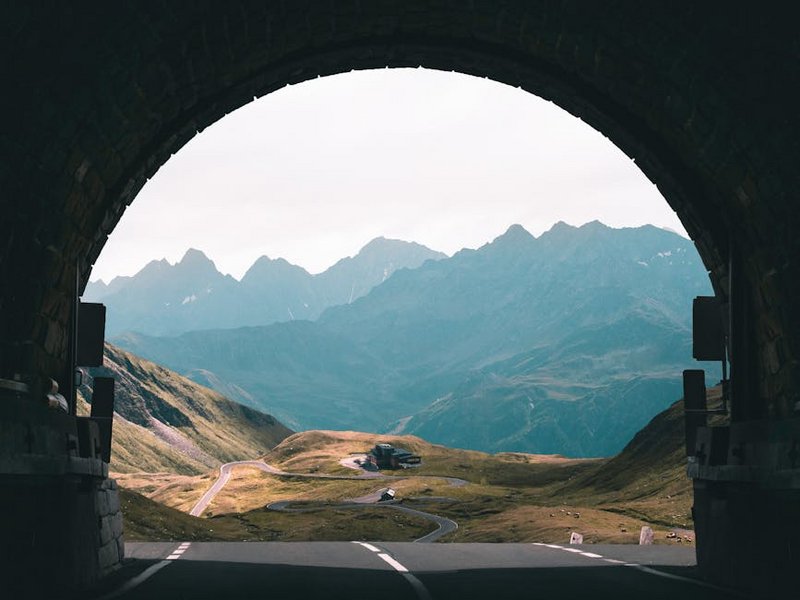
Bhutan Dochula Pass 108 Stupas: Himalayan Majesty and Spiritual Serenity
Visiting Bhutan’s Dochula Pass 108 Stupas offers a profound cultural encounter set against breathtaking Himalayan panoramas at 3,100 meters elevation. This sacred site commemorates Bhutanese soldiers with precisely arranged chortens creating a powerful spiritual atmosphere visible from the Thimphu-Punakha highway. Our guide covers essential visiting details, seasonal timing strategies, and immersive cultural experiences for your Himalayan journey.
Essential Dochula Pass Information
Dochula Pass serves as a high mountain corridor connecting Bhutan’s western valleys with dramatic views of snow-capped peaks on clear days. The 108 memorial chortens were constructed in 2003 under Her Majesty Ashi Dorji Wangmo Wangchuck’s direction honoring Bhutanese military personnel. This spiritual monument represents important Buddhist symbolism through its precise geometric arrangement and whitewashed structures.
Each stupa contains religious relics and follows traditional Vajrayana Buddhist architecture with distinct hemispherical shapes and spire ornaments. Visitors experience both cultural significance and natural beauty simultaneously while walking through the stupa complex. The site functions as an active place of worship where locals offer prayers and rotate prayer wheels during important religious occasions.
Historical Context and Significance
Understanding the memorial’s background enhances appreciation for this spiritual landmark.
- Royal commemorative project honoring soldiers fallen during 2003 military operations with precise architectural symbolism reflecting Buddhist cosmology.
- Strategic mountain pass location historically served as important trade route and defensive position with military outposts established centuries ago.
- Religious importance stems from Drukpa Kagyu Buddhist traditions with stupas containing sacred texts and relics blessed by high-ranking lamas.
- Budget tours cost $200-250 daily featuring 3-star hotels, group transportation, and standard meals with visa fees and taxes included in the package pricing structure.
- Mid-range options at $250-350 offer upgraded 4-star accommodations, private vehicle transfers, and specialized cultural experiences with more flexible itinerary planning.
- Luxury experiences range $350-500+ featuring 5-star resorts like Uma Punakha, private guides, and exclusive activities including meditation sessions with Buddhist monks.
- Bhutan Tourism Council
- Lonely Planet Bhutan Guide
Architectural Features and Layout
The stupa complex demonstrates meticulous planning with symbolic numerical significance in its arrangement. All 108 chortens face the same direction in carefully spaced rows creating harmonious visual patterns against the mountain backdrop. Construction used traditional Bhutanese techniques with stone foundations, whitewashed masonry, and detailed painted decorations on each structure.
Three larger central stupas dominate the complex with more elaborate designs and additional religious symbolism. Visitors should walk clockwise around each chorten following Buddhist circumambulation practices for cultural respect. The entire complex covers approximately two acres with well-maintained stone pathways connecting different sections.
Spiritual Practices and Visitor Etiquette
Religious customs at Dochula Pass include prayer flag offerings and butter lamp ceremonies during important Buddhist festivals. Local devotees often complete kora (circumambulation) while reciting mantras and spinning handheld prayer wheels. Visitors should maintain respectful behavior by speaking quietly and not climbing on any structures.
Photography guidelines permit images of the stupas but request discretion during religious ceremonies involving local worshippers. The site remains open daily from sunrise to sunset with no entrance fees required for access. Morning hours typically see fewer visitors and better lighting conditions for photography.

Alt: “dochula-pass-108-stupas-himalayan-mountain-backdrop”
Bhutan Dochula Pass 108 Stupas – Planning Your Trip
Organizing your Bhutan Dochula Pass 108 Stupas visit requires understanding Bhutan’s unique tourism policy mandating guided tours for international visitors. All travelers must book through licensed Bhutanese tour operators who arrange visas, accommodations, and transportation as part of daily package rates. This system ensures cultural preservation while providing structured access to remote Himalayan sites.
Standard tour packages include Dochula Pass visits when traveling between Thimphu and Punakha valleys with scheduled stops for photography and exploration. Your Bhutanese guide provides cultural context about the stupas’ significance and helps coordinate optimal visiting times. Budget approximately $200-250 daily during peak season covering accommodations, meals, transport, and guide services.
Independent travel remains restricted in Bhutan making advance tour operator selection essential for itinerary planning. Reputable companies like Bhutan Swallowtail and Bridge to Bhutan offer specialized cultural tours including Dochula Pass with experienced local guides. Booking three to six months ahead secures preferred dates during popular festival seasons.
Best Time to Visit Dochula Pass
October through November provides ideal conditions with clear skies, comfortable temperatures between 50-68°F (10-20°C), and excellent mountain visibility. These autumn months feature minimal rainfall with crisp air quality enhancing panoramic views of the Himalayan range including Gangkar Puensum peaks. Festival periods like Thimphu Tshechu in September/October add cultural dimensions to your visit.
Spring months from March to May offer pleasant conditions with blooming rhododendrons and temperatures ranging 45-65°F (7-18°C) though occasional haze might reduce visibility. Winter visits between December and February bring colder weather 30-50°F (-1-10°C) with possible snow creating magical landscapes but potentially limited mountain views. Monsoon season from June to September sees heavy rainfall obscuring vistas.
Budget Planning and Costs
Bhutan’s daily tariff structure determines most expenses with variations based on accommodation choices and group size.
Essential Preparation Checklist
Physical preparation involves moderate fitness for high-altitude walking at 3,100 meters with layered clothing for changing mountain weather. Pack sturdy walking shoes, warm layers, rain jacket, sunglasses, and altitude medication if prone to sickness. Camera equipment should include wide-angle lenses for landscape shots and polarizing filters for enhanced sky contrast.
Documentation requires valid passport with six-month validity, Bhutan visa processed through your tour operator, and comprehensive travel insurance covering emergency evacuation. Book flights into Paro International Airport (PBH) with Druk Air or Bhutan Airlines connecting through Bangkok, Delhi, or Kathmandu. Currency exchange involves obtaining Ngultrum or using US dollars with credit cards accepted at major hotels.
Top Attractions and Activities
Dochula Pass delivers multiple experience layers beyond the iconic stupa complex with cultural, natural, and photographic opportunities. The site serves as both destination and journey highlight when traveling Bhutan’s spectacular mountain roads between western valleys. Visitors typically spend one to two hours exploring different areas depending on weather conditions and personal interests.
Panoramic viewpoints offer unmatched Himalayan vistas including attempts to identify specific peaks when visibility permits. The adjacent Druk Wangyal Lhakhang temple adds spiritual dimension with intricate murals depicting Bhutan’s history and royal family. Morning visits often provide clearer skies and softer lighting for photography before afternoon clouds gather in the valleys.
Must-See Highlights
The stupa complex itself warrants careful exploration with opportunities to observe architectural details and religious symbolism up close. Walk the circular path around the entire collection noticing variations in size and decoration among the 108 structures. Capture the iconic alignment with mountains behind using wide-angle perspectives during morning golden hour.
Druk Wangyal Lhakhang temple features extraordinary modern Buddhist art blending traditional themes with contemporary elements in its detailed murals. The temple’s upper level provides elevated views across the stupa complex and surrounding valleys. Visit the nearby cafe for warm beverages while enjoying mountain panoramas through large windows.
Photography enthusiasts find endless compositions with stupa silhouettes against sunrise, prayer flags fluttering in mountain winds, and cultural moments with local pilgrims. The pass offers some of Bhutan’s most accessible high-altitude landscapes without strenuous hiking requirements. Professional photographers recommend polarizing filters and tripods for optimal image quality.
Hidden Gems and Local Favorites
Early morning visits reveal local devotees performing prayers and rituals before tourist groups arrive from Thimphu. The small hill behind the stupas provides alternative perspectives with fewer visitors and different compositional angles. During clear weather, look for the distant Gangkar Puensum, world’s highest unclimbed mountain at 7,570 meters.
Nearby trails lead to secluded meditation spots and smaller shrines frequented by Bhutanese pilgrims rather than international tourists. The pass hosts annual Druk Wangyal Festival each December featuring masked dances and religious ceremonies against the snowy backdrop. Local guides can share stories about the memorial’s construction and its significance to Bhutanese families.
Cultural Photography Opportunities
Respectful photography captures both architectural beauty and human elements of this living cultural site. Request permission before photographing individuals, especially during religious activities, and consider purchasing local handicrafts from vendors. The changing light throughout day creates different moods from bright morning clarity to atmospheric afternoon mist.
Documentary approaches might include sequences showing prayer flag offerings, circumambulation practices, and interaction between visitors and local devotees. Professional photographers recommend medium telephoto lenses for candid moments and wide angles for landscape-stupa compositions. Visit during weekdays for fewer crowds and more authentic cultural interactions.
Practical Travel Information
Reaching Dochula Pass involves mountain road travel from Thimphu or Punakha with journey times varying based on weather and road conditions. All visitors travel with licensed guides and drivers as per Bhutan tourism regulations ensuring safety and cultural interpretation. The pass sits approximately 45 minutes from Thimphu and 90 minutes from Punakha along well-maintained but winding highways.
Accommodation options cluster in Thimphu and Punakha with day trips to the pass easily incorporated into standard Bhutan itineraries. Most tours include Dochula Pass as transfer point between these valleys rather than overnight destination. Road conditions remain generally good though mountain weather can cause occasional delays during monsoon and winter months.
| Category | Options/Features | Price Range (USD) |
|---|---|---|
| Accommodation | 3-5 star hotels in Thimphu/Punakha, breakfast included, Bhutanese architecture | $80-400 nightly |
| Transportation | Private SUV with driver, fuel included, mountain road expertise | $50-100 daily |
| Guided Services | Licensed English-speaking guide, cultural interpretation, itinerary planning | $25-50 daily |
| Activities | Stupa visits, temple entries, photography sessions, cultural demonstrations | Included in daily tariff |