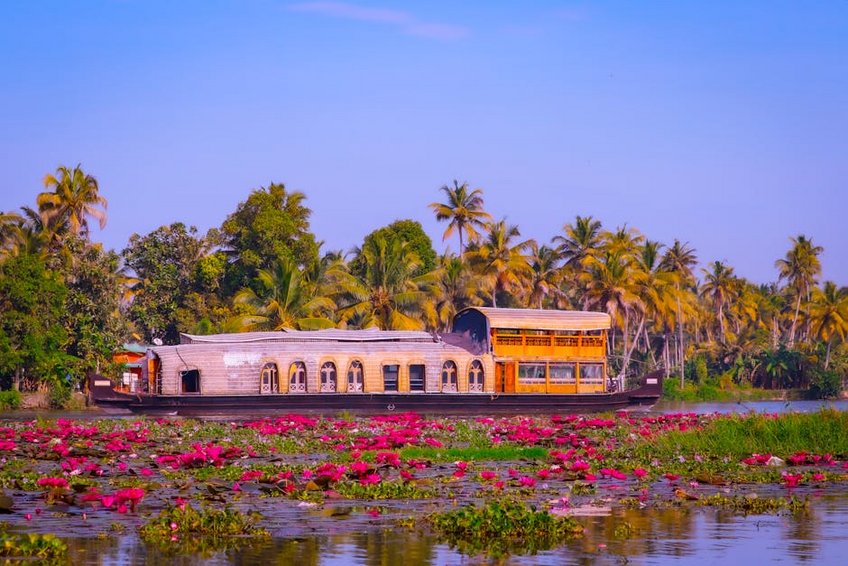
Kerala Backwater Houseboat: Serene Waterway Adventure
Embarking on a Kerala backwater houseboat journey immerses you in one of India’s most tranquil environments, where traditional kettuvallams glide silently through interconnected canals, rivers, and lakes surrounded by coconut groves and vibrant village life. These converted rice barges offer unique floating accommodation with modern comforts, allowing you to explore Alleppey, Kumarakom, and Kollam’s waterways while observing daily activities along the shores from your private deck. This comprehensive guide details seasonal timing, booking strategies, cultural etiquette, and hidden gems to maximize your two-to-three-day aquatic adventure through this UNESCO-recognized ecosystem.
Essential Kerala Backwater Information
Kerala’s backwaters span over 900 kilometers across the state’s coastal region, forming a network of lagoons, lakes, and canals that parallel the Arabian Sea coastline. This unique ecosystem supports diverse birdlife, including kingfishers and egrets, alongside aquatic species like karimeen (pearl spot fish) in waters that transition from freshwater to brackish depending on tidal influences and proximity to the sea. The backwater system serves as both transportation corridor and agricultural resource, with many local communities relying on these waterways for fishing, trade, and tourism-based livelihoods.
Backwater Geography and Ecosystem
Understanding the backwater layout helps in planning your route and activities effectively across different regions.
- Northern sections near Kollam feature narrower canals with dense vegetation and fewer tourist boats, ideal for peaceful birdwatching and photography away from crowds during early morning hours.
- Central areas around Alleppey (Alappuzha) offer the most extensive houseboat networks with wider waterways, better infrastructure, and convenient access to village markets and coir-making demonstrations along the banks.
- Southern Kumarakom region provides luxurious houseboat options near the Vembanad Lake, India’s longest lake, where you can witness spectacular sunsets and visit the Kumarakom Bird Sanctuary during migration season between November and February.
- Budget houseboats cost $60-100 per night for non-AC standard boats with basic amenities, shared bathrooms, and simpler meals, ideal for backpackers and solo travelers booking through smaller operators in Alleppey.
- Mid-range options run $120-200 per night featuring AC bedrooms, attached bathrooms, comfortable seating areas, and quality Kerala meals prepared by experienced cooks, representing the best value for most travelers.
- Luxury houseboats command $250-500+ per night with multiple AC suites, spacious decks, premium furnishings, specialized cuisine, and additional services like guided kayaking or ayurvedic massages aboard.
- Kerala Tourism Development Corporation
- Lonely Planet Kerala Backwaters Guide
Historical and Cultural Significance
Kettuvallams date back over a century when they transported rice, spices, and goods between Kuttanad’s rice bowls and Cochin’s port markets before roads dominated transportation. These traditional boats measure 60-70 feet long with curved roofs made from bamboo poles and palm leaves, constructed without nails using coir rope and wooden plugs in techniques preserved by local craftsmen across generations. The backwaters’ cultural importance appears in Malayali literature and folklore, representing Kerala’s harmonious relationship between water and land that continues shaping daily life, festivals, and economic activities today.
Climate and Environmental Considerations
Kerala experiences tropical climate with three primary seasons that significantly impact backwater travel experiences and wildlife visibility throughout the year. The summer months from March to May bring temperatures between 85-95°F (29-35°C) with higher humidity levels, while monsoon season from June to September receives heavy rainfall that can limit navigation in certain areas. Winter from October to February offers the most pleasant conditions with temperatures around 75-85°F (24-29°C) and lower humidity, making this period ideal for houseboat journeys and outdoor activities.
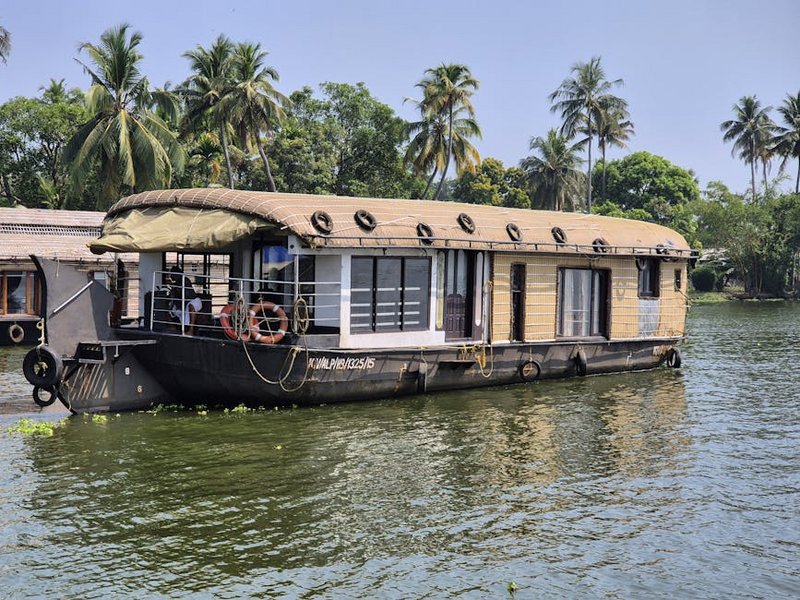
Alt: “kerala-backwater-houseboat-traditional-kettuvallam-canal”
Kerala Backwater Houseboat – Planning Your Trip
Organizing your Kerala backwater houseboat adventure requires careful consideration of timing, budget allocation, and advance reservations to secure preferred boat types and routes during peak seasons. The houseboat industry operates through registered operators in Alleppey, Kumarakom, and Kollam, with boats categorized by size, amenities, and crew experience levels that influence pricing and service quality. Your itinerary should balance cruising time with shore excursions, meal preferences with the cook’s preparations, and activity interests like fishing, village walks, or simply relaxing on deck watching the landscape unfold.
Best Time to Visit Kerala Backwaters
Visit Kerala backwaters between October and March for optimal weather conditions with daytime temperatures around 75-85°F (24-29°C), minimal rainfall, and comfortable humidity levels perfect for open-deck relaxation and photography. December and January constitute peak season with higher prices and advance booking requirements, while shoulder months of October-November and February-March offer slightly better availability with similar weather patterns and occasional brief showers. Avoid planning during monsoon months from June to August when heavy rains can restrict navigation, though September provides transitional weather with lush greenery at lower rates before the high season begins.
Budget Planning and Costs
Houseboat pricing varies significantly based on season, boat category, and included amenities, with these representative ranges for 2024.
Essential Preparation Checklist
Pack lightweight cotton clothing, sunglasses, sunscreen, and hats for sun protection during daytime cruising when UV exposure intensifies over water surfaces, plus a light jacket for cooler evenings and potential air-conditioned cabin comfort. Bring insect repellent for mosquito prevention during dusk and dawn hours, waterproof bags for electronics, comfortable walking shoes for village stops, and any preferred snacks or beverages beyond what the boat provides through its included meal service. Secure necessary medications, photocopies of passports and visas, sufficient Indian rupees for incidental purchases, and confirm your booking details including pickup location and emergency contact numbers before departure.
Top Attractions and Houseboat Activities
Beyond the serene cruising experience itself, Kerala’s backwaters offer numerous cultural, natural, and recreational opportunities that enrich your houseboat journey with authentic local interactions and photographic moments. Most houseboat itineraries include scheduled stops at villages, temples, markets, or specific natural attractions where you can disembark and explore with your crew’s guidance about timing and accessibility. The pace of backwater life encourages relaxation and observation, whether you’re watching fishermen cast nets, children walking to school along canal paths, or women washing clothes at designated bathing ghats along the waterways.
Must-See Backwater Highlights
Alleppey’s Nehru Trophy Boat Race in August attracts massive crowds watching snake boat competitions, but visiting the training sessions during July offers fascinating cultural insight without the overwhelming numbers. Kumarakom Bird Sanctuary provides exceptional birdwatching opportunities, particularly during early morning hours when migratory birds like Siberian storks become active among the mangrove forests accessible via small canoes arranged through your houseboat crew. Pathiramanal Island sits in Vembanad Lake as a secluded spot for short visits to observe rare bird species and enjoy peaceful walks away from the main waterways, though access depends on water levels and your captain’s route planning.
Hidden Gems and Local Favorites
Kuttanad’s below-sea-level farming regions reveal unique agricultural practices where farmers cultivate rice in fields reclaimed from backwaters, visible during canal routes between Alleppey and Kumarakom away from the main tourist thoroughfares. Traditional coir-making demonstrations in small villages like Champakulam showcase how coconut husks transform into rope and matting through age-old techniques, often with opportunities to purchase directly from artisans at reasonable prices. Local toddy shops (kallu shappu) along certain canals offer authentic experiences sampling palm wine and Kerala snacks, though these require cultural sensitivity and your crew’s guidance to visit appropriately as a foreign traveler.
Photography and Wildlife Observation
Early morning and late afternoon provide the best lighting conditions for photography when soft golden light illuminates the landscapes, waterways, and daily activities along the banks with minimal harsh shadows. Keep cameras ready for unexpected wildlife sightings including otters, turtles, water snakes, and numerous bird species that inhabit the dense vegetation along narrower canals where houseboats navigate slowly through overhanging foliage. For optimal wildlife photography, request routes through less-trafficked canals during your booking process and consider hiring a local guide specializing in bird identification to enhance your spotting opportunities throughout the journey.
Practical Travel Information
Navigating Kerala’s backwater region requires understanding transportation options, accommodation varieties beyond houseboats, and logistical considerations for a seamless travel experience before and after your floating stay. Cochin International Airport (COK) serves as the primary gateway with direct flights from Middle Eastern and European hubs, while Trivandrum International Airport (TRV) offers alternative access with convenient train or road connections to backwater starting points. Road infrastructure has improved significantly with AC buses and private taxis connecting major cities to Alleppey, Kumarakom, and Kollam, though traffic congestion can extend travel times during peak hours near urban centers.
| Accommodation Type | Features and Amenities | Price Range (USD/Night) |
|---|---|---|
| Budget Guesthouses | Basic rooms, shared bathrooms, simple Kerala meals, village locations | $15-30 |
| Mid-Range Hotels | AC rooms, pool access, restaurant, backwater views, tour assistance | $50-120 |
| Luxury Resorts | Private villas, spa services, multiple dining options, private boat access | $150-400+ |
| Heritage Homestays | Traditional homes, cultural experiences, home-cooked meals, family hospitality | $40-100 |