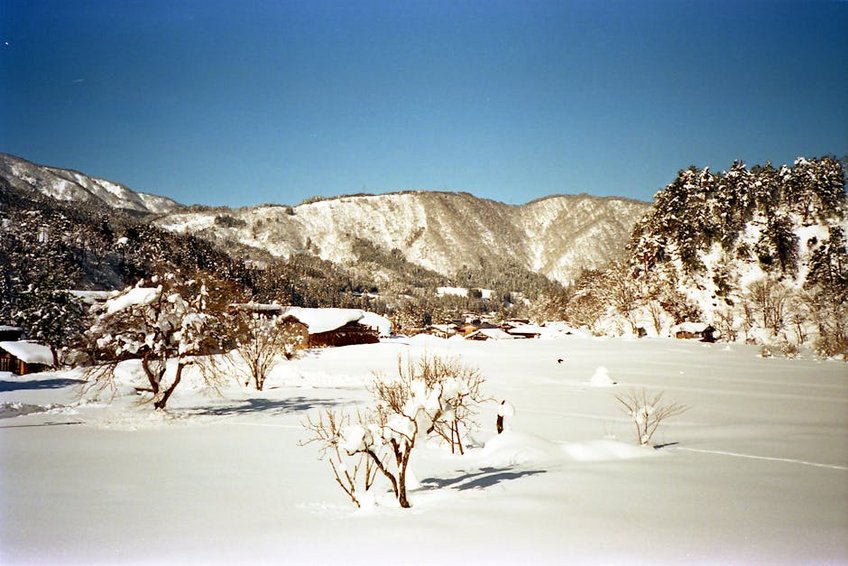
Japan Shirakawa-go Village Winter: A Snowy Fairytale Escape
Shirakawa-go transforms into a magical winter wonderland each year, with heavy snowfall creating picture-perfect scenes around its iconic thatched-roof houses. This UNESCO World Heritage site offers unique seasonal experiences like illuminated village nights and traditional winter festivals that showcase rural Japanese culture. Your Japan Shirakawa-go Village Winter adventure combines breathtaking scenery with authentic cultural immersion in one of Japan’s most photographed destinations.
Essential Shirakawa-go Information
Located in Gifu Prefecture’s remote Shogawa River Valley, Shirakawa-go preserves centuries-old gassho-zukuri farmhouses designed to withstand heavy snowfall. These steeply pitched thatched roofs resemble hands in prayer, giving the architectural style its name meaning “constructed like hands in prayer.” The village maintains traditional agricultural practices and seasonal rituals that visitors can experience firsthand.
Winter brings average snowfall exceeding two meters, with temperatures dropping to 23°F (-5°C) in January and February. The heavy snow isolation historically protected the village’s unique culture and architecture from outside influences. Today, approximately 600 residents continue traditional lifestyles while welcoming tourists seeking authentic Japanese winter experiences.
Key Historical Facts
Understanding Shirakawa-go’s background enhances your winter visit appreciation.
- The gassho-zukuri architectural style developed over 250 years ago, featuring steep 60-degree roofs that shed heavy snow while providing attic space for silkworm cultivation.
- Shirakawa-go and neighboring Gokayama gained UNESCO World Heritage status in 1995, recognizing their outstanding traditional settlement examples.
- Traditional fire prevention methods include the Soba-Daki ceremony where villagers pray for protection from fires that could destroy the vulnerable thatched structures.
- Budget travel at $70-100 daily uses hostel dormitories, convenience store meals, and public transportation with advance-purchase discounts.
- Mid-range options at $100-150 include farmhouse lodgings with two meals, local bus tours, and restaurant dining in nearby towns.
- Premium experiences at $200-300 feature private farmhouse stays, guided photography tours, and multi-course traditional kaiseki meals.
- Shirakawa-go Tourist Association
- Japan National Tourism Organization
Winter Climate Essentials
Shirakawa-go experiences Japan’s heaviest snowfall regions, with snow accumulation beginning in December and peaking in January and February. Temperatures range from 32°F (0°C) in December to 23°F (-5°C) in January, requiring serious cold-weather preparation.
The snow creates stunning visual landscapes but significantly impacts transportation and accessibility. Road closures occasionally occur during heavy snowstorms, though main access routes are generally maintained. Daylight hours shorten to approximately 9 hours in December, affecting sightseeing schedules.
Cultural Preservation Efforts
Local organizations maintain traditional building techniques through thatched roof replacement projects that occur every 15-20 years. These community efforts involve skilled craftspeople using local susuki grass and traditional methods passed through generations.
Winter represents an important agricultural off-season when maintenance and cultural activities intensify. Visitors might observe roof repair demonstrations or participate in seasonal crafts workshops. The village balances tourism revenue with preserving authentic community life.
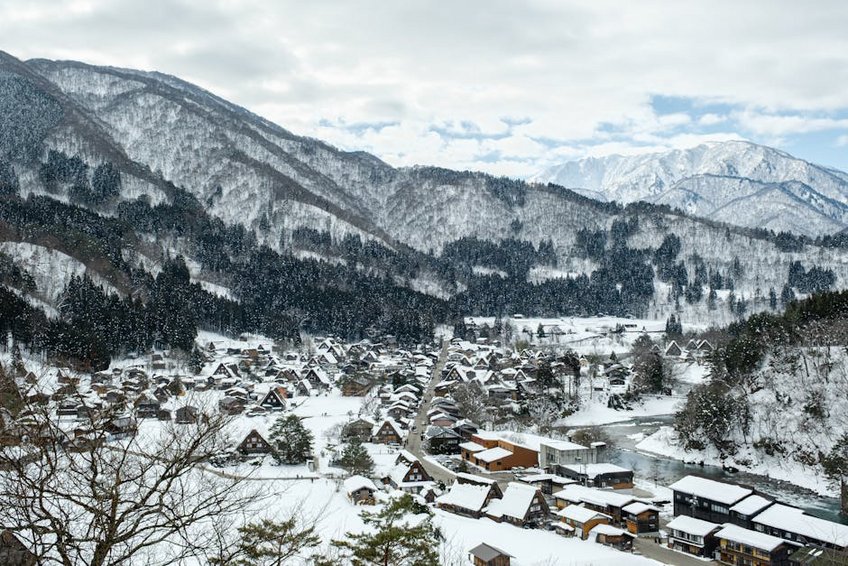
Alt: “shirakawa-go-winter-snow-covered-gassho-houses-night-illumination”
Japan Shirakawa-go Village Winter – Planning Your Trip
Successful winter visits require careful timing around weather conditions and seasonal events. The Japan Shirakawa-go Village Winter experience peaks during January and February when snow coverage is most dramatic and illumination events occur regularly. Book accommodations three months early since traditional farmhouse stays fill quickly.
Budget $100-150 daily for mid-range travel including farmhouse lodging, meals, and local transportation. Premium experiences like private guided tours or special event access increase costs to $200-300 daily. Winter travel demands flexibility since heavy snow might alter transportation schedules.
Essential preparations include waterproof insulated boots, thermal layers, traction devices for shoes, and portable chargers since cold drains batteries quickly. Download offline maps and translation apps since English services remain limited in this rural region.
Best Time to Visit Shirakawa-go
Visit between mid-January and mid-February for peak snow conditions and regular illumination events that highlight the snow-covered village. Daytime temperatures average 28°F (-2°C) with nighttime drops to 19°F (-7°C) during this period.
December offers lighter crowds and building snow coverage but fewer scheduled events. March provides melting snow scenes with slightly warmer 38°F (3°C) days but reduced winter magic. Avoid late November when snow coverage remains inconsistent.
Budget Planning and Costs
Winter travel costs vary by accommodation style and dining preferences.
Essential Preparation Checklist
Pack waterproof insulated boots with grip soles, thermal base layers, wool socks, and down jackets for sub-freezing temperatures. Include hand warmers, lip balm, and moisturizer since indoor heating creates dry conditions.
Reserve accommodations 90 days ahead through official village websites or reputable booking platforms. Obtain travel insurance covering winter weather disruptions and familiarize yourself with emergency contact information for the region.
Top Winter Attractions and Activities
Shirakawa-go’s winter transformation creates unparalleled photography opportunities and cultural experiences. The snow-covered gassho-zukuri houses against mountain backgrounds represent Japan’s most iconic winter scenes. Evening illuminations turn the village into a fairytale landscape with carefully positioned lighting.
Traditional activities include snowshoeing through nearby forests, participating in indoor craft workshops, and enjoying hot amazake (sweet sake) at local establishments. The winter isolation historically fostered unique cultural traditions that visitors can experience through guided tours and seasonal events.
Must-See Winter Highlights
Ogimachi Village’s observation deck provides panoramic views over snow-laden rooftops, especially breathtaking during golden hour before sunset. Access requires a 15-minute uphill walk or shuttle bus during winter months.
The Winter Light-Up events occur select weekends January through February, with timed entry tickets required for evening village access. These illuminated nights create magical scenes but demand advance planning due to limited availability.
Wada House offers the finest gassho-zukuri interior exploration, showcasing traditional irori (hearth) cooking and historical household items. The attached museum details silk production methods that sustained the village economy.
Hidden Gems and Local Favorites
Myozen-ji Temple maintains a beautiful thatched-roof gate and serene atmosphere away from main tourist paths. The temple’s snow garden creates peaceful contemplation spaces rarely crowded during winter visits.
Local guide-led snowshoe tours explore surrounding forests and hidden viewpoints unknown to most visitors. These excursions reveal animal tracks and winter flora while providing cultural context about mountain survival techniques.
Winter Festival Experiences
January’s Dosojin Fire Festival features massive bonfires and traditional performances celebrating mountain deities. This vibrant event showcases community spirit through rhythmic chanting and dramatic fire displays.
February’s Snow Lantern Festival transforms pathways with handmade snow sculptures illuminated by candlelight. Visitors can participate in lantern-making workshops during daytime hours before evening viewing.
Practical Travel Information
Shirakawa-go accessibility improves with direct bus services from major cities despite winter road conditions. The nearest train station is in Takayama, requiring bus transfers for final village access. Winter tire regulations apply from December through March.
Accommodation options range from traditional farmhouse stays to modern hotels in nearby towns. Ogimachi village offers the most authentic experiences but limited availability, while Takayama provides more choices 50 minutes away by bus.
| Accommodation Type | Features and Amenities | Price Range (USD) |
|---|---|---|
| Traditional Farmhouse | Thatched roof, shared bathrooms, two meals included, cultural activities | $120-200 nightly |
| Modern Ryokan | Private bathrooms, onsen access, kaiseki meals, English assistance | $150-250 nightly |
| Business Hotel | Western beds, private bathrooms, breakfast buffet, convenient location | $80-120 nightly |
| Guesthouse | Shared facilities, self-catering kitchen, social atmosphere, budget-friendly | $40-70 nightly |