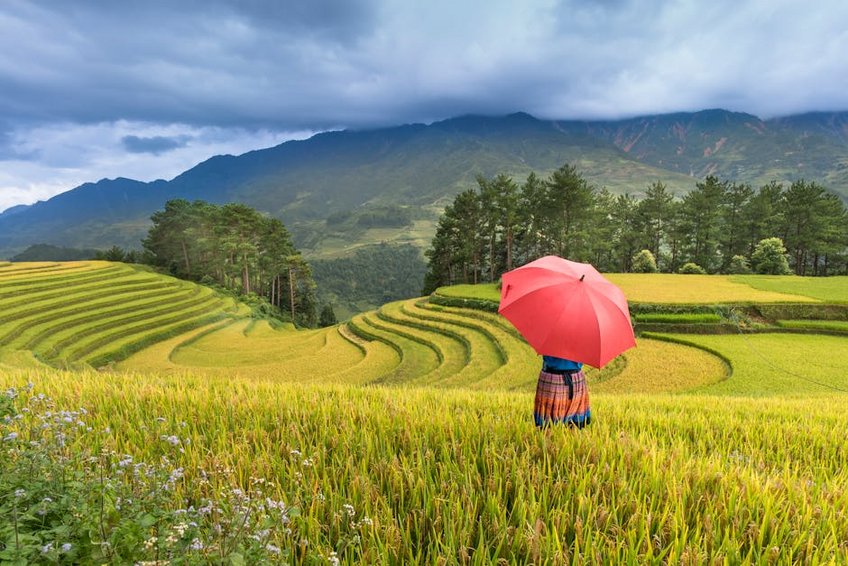
Vietnam Sapa Terraced Fields: Trekking Through Ancient Rice Terraces
The Vietnam Sapa Terraced Fields represent one of Southeast Asia’s most breathtaking agricultural landscapes, carved into mountains over centuries by ethnic minority communities. These emerald-green stairways stretch across the Hoang Lien Son mountain range, offering unparalleled trekking opportunities through remote villages and cloud-kissed valleys. This guide covers essential planning tips, cultural experiences, and practical advice for exploring these UNESCO-recognized terraces.
Essential Landscape Information
Sapa’s terraced fields span approximately 1,000 meters above sea level across multiple districts of Lao Cai Province. Local H’Mong and Dao communities developed these intricate farming systems using traditional knowledge passed through generations. The terraces follow natural contours to prevent soil erosion while maximizing rice cultivation in challenging mountainous terrain.
These agricultural marvels date back nearly 300 years when ethnic groups migrated from southern China. They represent sustainable farming practices that harmonize with the region’s steep slopes and monsoon climate. The terraces change dramatically through seasons from flooded mirror surfaces to golden harvest-ready paddies.
Geographical Features and Climate
Understanding Sapa’s unique environment helps plan your terrace exploration effectively. The region experiences distinct seasonal variations affecting accessibility and visual appeal.
- Altitude ranges from 1,500 to 3,000 feet create microclimates with temperatures between 50-75°F (10-24°C) throughout most of the year.
- Annual rainfall exceeds 80 inches concentrated from May to September, creating lush greenery but challenging trekking conditions.
- The terraces cover over 1,000 hectares across multiple valleys with Muong Hoa Valley containing the most photographed sections.
- Budget travelers spend $25-40 daily using hostel dorms, local meals, and public transportation from Hanoi. This covers basic homestays, village entry fees, and self-guided trekking without luxury amenities.
- Mid-range visitors allocate $50-80 daily for private rooms, some guided treks, and better meals. This includes comfortable hotels in Sapa town, 1-2 guided day hikes, and round-trip sleeper bus transportation.
- Luxury experiences cost $100-150+ daily featuring boutique resorts, private guides, and all-inclusive packages. Premium options include terrace-view accommodations, customized trekking itineraries, and private car transfers from Hanoi.
- Vietnam Tourism Official Website
- Lonely Planet Sapa Travel Guide
Cultural Significance and Heritage
These landscapes embody living cultural traditions rather than just agricultural infrastructure. Ethnic minority families maintain individual terrace plots using methods unchanged for centuries.
Each spring, water-filled terraces reflect sky and clouds before rice planting ceremonies in May. Harvest festivals in September-October involve community celebrations with traditional music and clothing. The terraces represent both food security and cultural identity for local communities.
Conservation and Sustainable Tourism
Increased tourism brings both economic benefits and preservation challenges to these fragile ecosystems. Visitor numbers have grown 15% annually since 2015, prompting conservation initiatives.
Local authorities now limit group sizes on popular trails and promote homestay programs that directly benefit communities. Sustainable trekking practices help maintain terrace integrity while supporting traditional lifestyles.
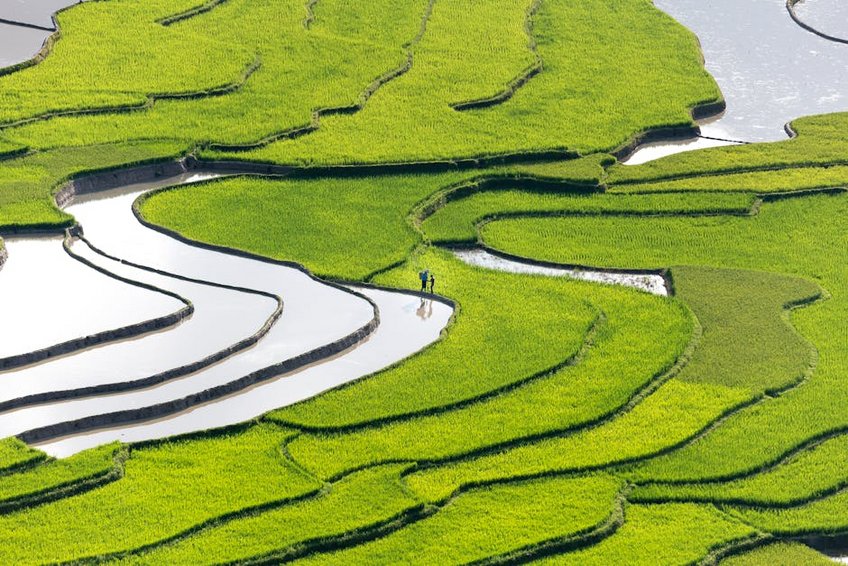
Alt: “sapa-rice-terraces-muong-hoa-valley-morning-mist”
Vietnam Sapa Terraced Fields – Planning Your Trip
Successful exploration of the Vietnam Sapa Terraced Fields requires careful timing and preparation. The landscape transforms dramatically between seasons, affecting both photography conditions and trekking difficulty. Planning around weather patterns and local festivals enhances your experience while respecting agricultural cycles.
Most visitors spend 3-4 days in Sapa to fully appreciate multiple terrace areas and ethnic village interactions. Independent travel works well, though guided treks provide cultural insights difficult to access alone. Booking accommodations early secures the best homestay experiences in terrace-facing locations.
Best Time to Visit Sapa Terraces
Visit between mid-September and early October for golden harvest scenes with minimal rainfall. Daytime temperatures range from 65-75°F (18-24°C) with cool evenings around 55°F (13°C). This period offers the most vibrant terrace colors before rice cutting begins.
Shoulder seasons in April-May provide lush green landscapes after spring planting with fewer crowds. March and November see more variable weather but lower accommodation prices. Avoid July-August monsoon season when trails become slippery and visibility decreases.
Budget Planning and Costs
Terrace exploration accommodates various budget levels through different accommodation and transportation choices.
Essential Preparation Checklist
Proper gear and documentation ensure comfortable and safe terrace exploration across variable mountain conditions. Pack layers for temperature changes and reliable waterproof equipment.
Essential items include broken-in hiking boots, rain jacket, daypack, and multiple moisture-wicking clothing layers. Bring Vietnamese dong cash for village purchases, plus your passport for overnight registration at homestays. Book transportation from Hanoi at least two weeks ahead during peak seasons.
Top Attractions and Trekking Routes
Sapa’s terrace network spreads across multiple valleys and villages, each offering unique perspectives and cultural interactions. The most accessible areas cluster around Sapa town while more remote sections require longer treks. Combining popular routes with lesser-known paths creates a balanced itinerary.
Guided treks typically cover 5-12 kilometers daily across varying elevation changes from 200-500 meters. Independent hikers can follow marked trails but miss cultural context provided by local guides. Early morning starts avoid afternoon clouds that often obscure terrace views.
Must-See Terrace Viewpoints
Muong Hoa Valley contains the most photographed terrace sections just 4 kilometers from Sapa town. The Love Waterfall area offers panoramic views across layered paddies with Fansipan Mountain backdrop. Cat Cat Village combines terraces with traditional H’Mong houses and craft demonstrations.
Ta Van Valley features terraces integrated with Giay ethnic villages and bamboo forests. The Silver Waterfall viewpoint provides elevated perspectives across multiple terrace systems. These highlights showcase different architectural styles and agricultural techniques across ethnic groups.
Hidden Gems and Local Favorites
Lao Chai village offers authentic homestay experiences with families maintaining personal terrace plots. Sin Chai valley requires longer trekking but delivers pristine landscapes with minimal tourist development. These areas provide deeper cultural immersion beyond main tourist trails.
Ta Phin valley combines terraces with Red Dao community interactions and traditional herbal baths. Remote sections near Ban Ho village feature natural hot springs alongside terrace exploration. Local guides know secret viewpoints inaccessible to independent travelers.
Trekking Difficulty and Route Options
Beginner routes follow paved paths through Cat Cat and Ta Van with minimal elevation gain. Intermediate trails connect multiple villages across 10-15 kilometers with steady climbs. Advanced treks to remote areas involve steep ascents and river crossings requiring guide assistance.
Most visitors choose 2-day treks with overnight homestays for comprehensive terrace experiences. Single-day hikes work for time-limited travelers focusing on photographic opportunities. Multi-day expeditions reach distant valleys with terraces untouched by mass tourism.
Practical Travel Information
Reaching Sapa involves overnight transportation from Hanoi followed by local connections to terrace areas. The region has developed significantly but maintains its mountainous character and limited infrastructure. Understanding transportation options and accommodation types simplifies logistics.
Mobile service covers main areas but becomes unreliable in remote valleys. English proficiency varies with better communication in Sapa town than surrounding villages. Cash remains essential for small purchases and homestay payments outside urban centers.
| Accommodation Type | Features and Location | Price Range (USD) |
|---|---|---|
| Homestays | Family-run, village locations, basic amenities, cultural immersion | $8-15 nightly |
| Hostels | Sapa town location, dorm rooms, social atmosphere, budget-friendly | $5-12 nightly |
| Mid-Range Hotels | Private bathrooms, terrace views, restaurant service, tour booking | $25-50 nightly |
| Boutique Resorts | Luxury amenities, infinity pools, spa services, private balconies | $80-150+ nightly |