Philippines Coron Wreck Diving
Philippines Coron wreck diving immerses you in submerged WWII history across twelve accessible Japanese shipwrecks resting in clear tropical waters. These underwater museums offer intact engine rooms, coral-encrusted hulls, and resident marine life from parrotfish to barracudas. This guide covers essential dive sites, seasonal planning, and practical logistics for your Palawan adventure.
Essential Coron Wreck Diving Information
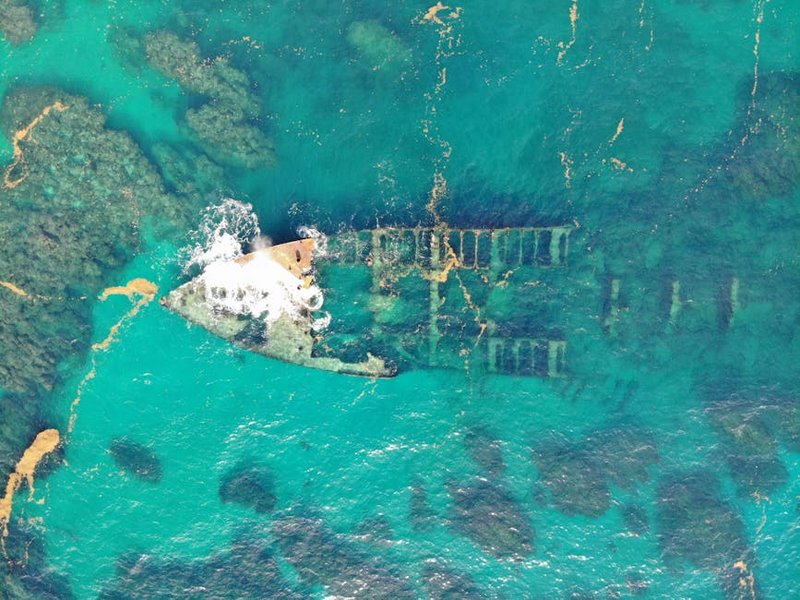
Coron Bay’s shipwrecks sank during a 1944 US Navy air raid targeting Japanese supply vessels. The wrecks now sit between 10-40 meters depth, preserved by sheltered conditions and minimal currents. Divers encounter intact anti-aircraft guns, ceramic toilets, and schools of batfish.
Water temperatures range from 79-86°F (26-30°C) year-round with 15-30 meter visibility. The dive sites cluster near Coron Island, accessible via 30-45 minute boat rides from Coron Town. Most wrecks suit advanced open water certification due to deeper sections.
Historical Background – What Divers Should Know
Understanding the context enhances your wreck exploration experience.
- Operation Coronet struck Japanese fleet on September 24, 1944, sinking ten vessels now popular for diving.
- The Irako wreck served as a refrigeration ship, while Okikawa Maru was a tanker carrying oil supplies.
- Local guides share stories passed through generations about the battle and recovery efforts.
- Budget option: $600-800 covers hostel stays, two daily dives, and local meals using public boats from Coron Town.
- Mid-range option: $900-1,200 includes resort accommodation, three daily dives with guide, equipment rental, and airport transfers.
- Luxury option: $1,500-2,000 features liveaboard cruises, unlimited diving, nitrox fills, and gourmet meals between remote sites.
- Philippine Department of Tourism
- PADI Scuba Diving Resources
Diving Conditions and Marine Life
Coron’s wrecks create artificial reefs supporting diverse ecosystems. You’ll spot giant clams, lionfish, and occasional reef sharks patrolling the structures. Visibility peaks during summer months but remains decent throughout the year.
Currents generally stay mild, though some passages like Akitsushima’s bomb bay require careful buoyancy control. Night diving reveals sleeping turtles and bio-luminescent plankton around the wreck surfaces.
Certification Requirements and Skill Levels
Advanced Open Water certification is recommended for most wrecks due to depth. The Olympia Maru sits at 18 meters maximum, suitable for confident beginners. Penetration dives require special wreck diving certification.
Several operators offer discover scuba programs for first-timers on shallower sites. Always check your air consumption and dive computer settings before descending.
Alt: “coron-bay-japanese-shipwreck-coral-growth-fish”
Philippines Coron Wreck Diving – Planning Your Trip
Successful Philippines Coron wreck diving demands strategic timing between monsoon seasons and early bookings. The dry season from December to May provides calm seas and superior underwater visibility. Budget $800-1,200 for a week-long diving package including accommodations.
Coron Town serves as your base with dive shops, hotels, and restaurants lining the waterfront. Book dive packages directly with operators for better rates than online platforms. Allow two non-diving days for safety between deep wreck explorations.
Best Time to Visit for Wreck Diving
Visit between March and May for optimal conditions with 25-30 meter visibility and minimal rainfall. Sea temperatures reach 84°F (29°C) with light winds perfect for underwater photography. These months avoid the July-October southwest monsoon that brings rougher seas.
Shoulder season in November offers fewer crowds and lower prices, though occasional showers occur. Avoid August when typhoon risks peak and many operators suspend services.
Budget Planning and Costs
Diving expenses vary based on certification level and accommodation style.
Essential Preparation Checklist
Pack a 3mm wetsuit, dive computer, torch, and SMB for safety. The tropical sun demands rash guards and reef-safe sunscreen. Bring certification cards, logbook, and dive insurance documents.
Book flights to Francisco B. Reyes Airport (USU) via Manila with 30-day tourist visa available on arrival. Arrange airport transfers to Coron Town taking 30 minutes. Secure dive reservations 2-3 months early for peak season.
Top Coron Wreck Diving Sites and Activities
Coron’s submerged fleet includes warships, supply vessels, and aircraft carriers each with unique features. The Irako wreck boasts extensive penetration opportunities through crew quarters and engine rooms. Most sites require 2-3 dives to fully explore their structures.
Dive operators typically group sites into itineraries based on depth and difficulty levels. Morning dives often feature the deeper wrecks while afternoons cover shallower options. Many packages include lunch on nearby islands between dives.
Must-See Wreck Highlights
The Akitsushima seaplane tender sits upright at 36 meters with intact anti-aircraft guns. Its hangar bay accommodates multiple divers simultaneously. This wreck demands advanced certification due to depth.
Okikawa Maru’s massive 160-meter length offers swim-throughs at 26 meters maximum depth. The propeller remains visible at the stern section. Schools of jacks and trevallies circle the wreck consistently.
Olympia Maru’s shallow 18-meter deck suits newer divers with abundant glassfish clouds. The cargo holds contain historical artifacts like bottles and ceramics. This site works well for check-out dives.
Hidden Gems and Lesser-Known Sites
The Tangat Wreck rests near Lusong Island with minimal boat traffic. Its intact bridge section hosts nudibranchs and pipefish. Local guides know the best times to avoid currents.
Black Island West offers a pristine coral garden adjacent to a small unknown wreck. You’ll encounter octopus and cuttlefish here. This site requires private boat charter from Coron Town.
Underwater Photography Techniques
Use wide-angle lenses for capturing entire wreck structures in single frames. Strobes help illuminate interior spaces where natural light diminishes. Maintain neutral buoyancy to avoid stirring silt.
Shoot during morning hours when sunlight penetrates deepest into the water column. Macro photographers find endless subjects on wreck surfaces. Always respect the environment and marine life.
Practical Travel Information for Coron
Coron Town provides all essential services from ATMs to medical clinics. Electricity runs on 220V with Type A/B outlets, requiring adapters for US devices. English is widely spoken in tourism establishments.
Mobile coverage exists in town but becomes spotty around dive sites. Download offline maps and communication apps beforehand. Most restaurants accept credit cards, though cash prevails in local markets.
| Category | Options/Features | Price Range (USD) |
|---|---|---|
| Accommodation | Beach resorts, hostels, homestays with AC and wifi | $15-150/night |
| Dive Packages | 2-3 tank dives, equipment, guide, lunch | $50-120/day |
| Transportation | Tricycles, boats, rental motorcycles | $2-30/day |
| Food & Drinks | Local eateries, seafood grills, international cuisine | $5-25/meal |