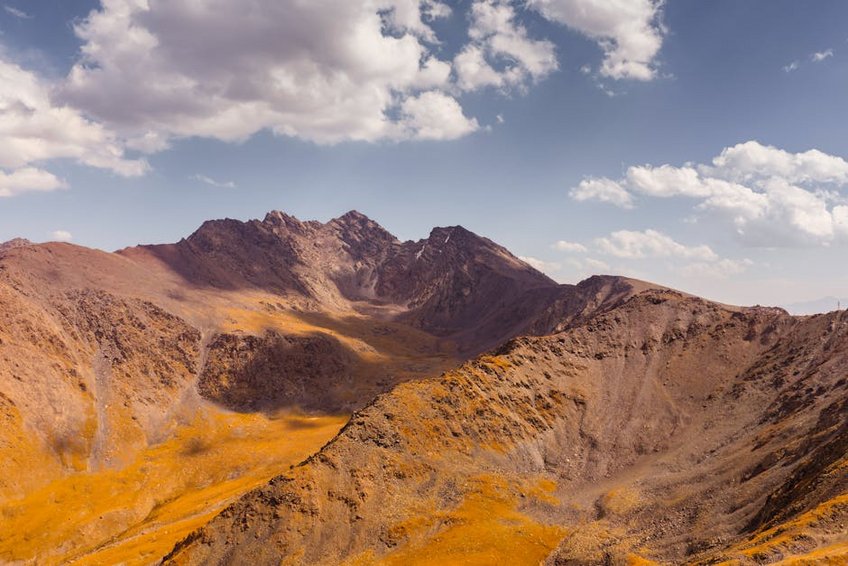
Kyrgyzstan Ala Archa Gorge: Alpine Adventures Near Bishkek
Kyrgyzstan Ala Archa Gorge delivers breathtaking mountain scenery just thirty minutes from the capital city, featuring glacier-fed rivers and rugged peaks reaching over 4,000 meters elevation. This alpine sanctuary offers accessible day hikes and multi-day treks through the Tian Shan range, with trails suitable for various fitness levels and photography opportunities around every corner. Our guide covers essential planning details, seasonal considerations, and hidden gems to maximize your Central Asian mountain experience.
Essential Ala Archa National Park Information
Ala Archa National Park spans approximately 200 square kilometers within the Tian Shan mountain system, established in 1976 to protect unique alpine ecosystems and geological formations. The park’s name translates to “Bright Juniper” from Kyrgyz, referencing the aromatic trees covering lower mountain slopes that create distinctive scents throughout hiking routes. Soviet-era mountaineering infrastructure remains visible along certain trails, adding historical context to your outdoor adventures.
Entry fees cost approximately 80 som (about $1 USD) for foreign visitors, with the park operating year-round from 9 AM to 6 PM daily, though hours extend during summer months for extended daylight exploration. Basic facilities include parking areas, simple restrooms near the entrance, and a small visitor center with trail maps available in English and Russian languages. Mountain rescue services operate within the park boundaries, providing emergency assistance for serious hiking incidents or unexpected weather changes.
Park Geography and Natural Features
Understanding the landscape helps plan appropriate activities and packing lists for variable mountain conditions.
- The gorge divides into three primary sections: Lower Valley with gentle riverside paths, Middle Canyon featuring steeper ascents past waterfalls, and Upper Alpine Zone requiring technical gear for glacier approaches.
- Glacial systems feed the Ala Archa River throughout summer months, creating powerful waterfalls and keeping valley temperatures refreshingly cool even during July heatwaves in nearby Bishkek.
- Wildlife sightings include Siberian ibex scaling cliff faces, golden eagles circling overhead, and occasional snow leopard tracks during winter months, though predators typically avoid human contact.
- Budget travelers spend $30-50 USD daily using marshrutka minibuses from Bishkek ($2 roundtrip), self-catered picnics ($5-10), and hostel accommodations ($15-25) in the city.
- Mid-range visitors allocate $75-120 USD daily for private taxis ($25-40 roundtrip), restaurant meals ($15-25), and comfortable hotel rooms ($35-55) with modern amenities.
- Luxury experiences cost $150-300 USD daily including guided tours ($80-150), high-end dining ($30-50), and boutique hotel stays ($70-100) with additional services.
- Kyrgyzstan Tourism Board
- Lonely Planet Kyrgyzstan Guide
Historical Significance and Cultural Context
Ala Archa’s development as a recreational area reflects Soviet investment in mountaineering culture and post-independence Kyrgyz tourism initiatives.
During the Soviet period, the park served as a training ground for elite climbers preparing for Himalayan expeditions, with several memorial plaques honoring alpinists who perished on major peaks worldwide. Independent Kyrgyzstan has maintained these traditions while expanding accessibility for international visitors through improved signage and guided tour availability from local operators. The area represents an important cultural touchpoint where urban residents from Bishkek connect with traditional nomadic landscapes through weekend picnics and family gatherings.
Conservation Efforts and Environmental Protection
Park management balances recreational access with ecosystem preservation through clearly marked trails and seasonal restrictions.
Reforestation projects target areas affected by illegal logging during economic transitions in the 1990s, with volunteer opportunities available for visitors interested in conservation tourism. Strict regulations prohibit littering, with rangers conducting regular patrols and imposing fines for environmental violations to maintain the pristine nature of watershed areas. Climate change monitoring stations track glacial retreat rates, providing valuable data for scientists studying Central Asian water resource futures.
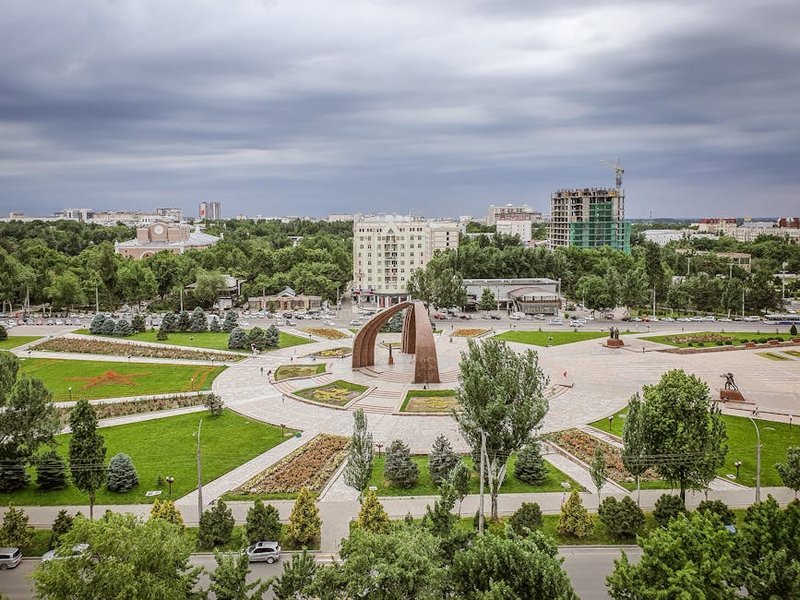
Alt: “ala-archa-national-park-mountain-valley-juniper-trees”
Kyrgyzstan Ala Archa Gorge – Planning Your Trip
Successful visits to this mountain destination require understanding seasonal variations, transportation logistics from Bishkek, and appropriate gear for changing alpine conditions. Summer months from June through September offer the most reliable weather for hiking, while winter transforms the landscape into a snow-covered wonderland for experienced cold-weather enthusiasts. Budget approximately $50-75 USD daily for independent travel, including transport, meals, and park fees, though guided tours increase costs significantly.
Independent travelers benefit from flexibility to explore at their own pace, while guided options provide valuable local knowledge and safety oversight for technical routes. Booking accommodations in Bishkek rather than seeking overnight options within the park itself offers better amenities and dining choices after daily excursions. Physical preparation should include cardiovascular conditioning for high-altitude hiking, with the park entrance sitting at 1,500 meters and trails ascending beyond 3,500 meters elevation.
Best Time to Visit Ala Archa Gorge
Prime visiting season runs from mid-June to early September when daytime temperatures range from 65-75°F (18-24°C) and trails remain mostly snow-free below 3,000 meters elevation.
Shoulder seasons in May and October present cooler conditions between 45-60°F (7-16°C) with possible snowfall at higher elevations, requiring extra layers and traction devices for safe hiking. Winter visits from November through March appeal to experienced backcountry skiers and snowshoers, with temperatures frequently dropping below freezing and limited services operating within the park boundaries.
Budget Planning and Costs
Kyrgyzstan offers excellent value for mountain adventures, though costs vary based on travel style and comfort preferences.
Essential Preparation Checklist
Packing appropriately ensures comfort and safety during variable mountain conditions that can change rapidly throughout the day.
Essential gear includes broken-in hiking boots, layered clothing systems, rain protection, sun protection (hat, sunglasses, SPF 50+), at least two liters of water per person, and high-energy snacks. Navigation tools like downloaded offline maps or a physical topographic map complement the limited cell service in deeper canyon sections, while a basic first aid kit addresses minor injuries. Documentation should include passport copies, travel insurance details covering emergency evacuation, and printed reservation confirmations for any pre-booked services or accommodations.
Top Attractions and Activities
Ala Archa’s diverse landscape supports numerous outdoor pursuits from gentle nature walks to technical mountaineering objectives requiring specialized equipment and experience. The most popular day hike follows the river valley to Ratsek Hut, a former Soviet climbers’ base offering stunning views of surrounding peaks and glacier formations. More adventurous visitors tackle the climb to Ak-Sai Glacier or attempt summit approaches on peaks like Korona (4,860 meters) with proper permits and guidance.
Photography opportunities abound throughout the gorge, with golden hour light illuminating dramatic rock formations and wildflower meadows during summer months. Birdwatchers can spot over sixty species including Himalayan snowcocks and wallcreepers, particularly in the early morning hours when wildlife activity peaks. Cultural interactions occur along trails where local families picnic on weekends, providing opportunities to observe traditional Kyrgyz outdoor customs and maybe share tea.
Must-See Highlights
Several iconic locations define the Ala Archa experience and deserve priority in any visit itinerary.
The main waterfall along the middle canyon section plunges approximately twenty meters into a turquoise pool, accessible via a moderately steep one-hour hike from the park entrance area. Ratsek Hut sits at 3,300 meters elevation, serving as a base for climbers and offering overnight accommodation for those attempting early morning summit pushes on nearby peaks. Soviet Climbers Cemetery memorializes alpinists who perished in mountains worldwide, featuring unique grave markers shaped like mountain peaks and providing sobering perspective on alpine risks.
Adyrna River Valley branches east from the main gorge, offering quieter trails through ancient juniper forests with exceptional wildlife viewing opportunities away from crowds. Ak-Sai Glacier represents the most accessible major ice formation, reached via a challenging full-day hike that rewards with panoramic views across the Kyrgyz Range. Bridge views near the park entrance frame perfect photographs of snow-capped peaks reflected in the rushing Ala Archa River below.
Hidden Gems and Local Favorites
Venturing beyond main trails reveals secluded spots beloved by regular visitors but often missed by first-time tourists.
The secondary waterfall above the main cascade requires scrambling up a less-marked path but offers complete solitude and superior swimming opportunities during warm summer afterdays. Shepherd camps on high meadows above 3,000 meters provide cultural immersion opportunities, where visitors might receive invitations for kumis (fermented mare’s milk) and observe traditional animal husbandry practices. Abandoned Soviet meteorological station ruins near the glacier offer fascinating exploration for history enthusiasts, with decaying equipment and structures documenting earlier scientific efforts.
Mountaineering and Technical Climbing
Advanced visitors find world-class climbing routes on granite walls and mixed alpine terrain throughout the upper gorge sections.
Classic routes like Free Korea (5.10a) offer multi-pitch traditional climbing experiences with spectacular exposure and minimal crowds compared to European or American destinations. Winter ice climbing develops on several frozen waterfalls from December through February, requiring specialized equipment and cold-weather experience for safe ascents. Guided expeditions to peaks like Semenova Tian-Shanski (4,895 meters) operate from May through September, providing logistical support and local knowledge for significant alpine objectives.
Practical Travel Information
Navigating transportation, accommodations, and services requires understanding local infrastructure and available options for different travel preferences. Marshrutka minibuses provide the most economical transport from Bishkek’s western bus station, while private taxis offer door-to-door convenience for groups or those with limited time. Overnight camping within the park requires special permits for designated areas only, with most visitors opting for accommodations in Bishkek for better amenities and dining variety.
| Category | Options/Features | Price Range (USD) |
|---|---|---|
| Transportation | Marshrutka minibus, private taxi, rental car | $2-40 roundtrip |
| Accommodation | Hostels, mid-range hotels, boutique properties | $15-100 nightly |
| Guided Services | Day hikes, multi-day treks, technical climbing | $50-150 daily |
| Dining | Street food, local cafes, upscale restaurants | $5-30 per meal |