
Complete Uzbekistan Khiva Fortress City Adventure 3 Tips

Uzbekistan Khiva Fortress City: Ancient Silk Road Treasure

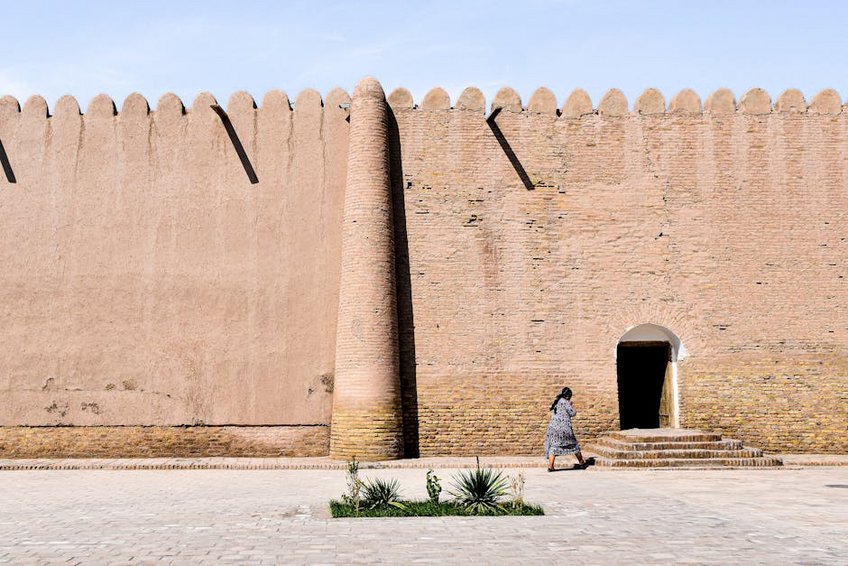
Uzbekistan Khiva Fortress City transports you directly into a living museum of Central Asian history with remarkably preserved architecture dating back centuries. This UNESCO World Heritage site features complete city walls, ornate madrasas, and bustling markets that showcase Silk Road era craftsmanship and culture. Your visit reveals intricate tilework, ancient mosques, and authentic Uzbek traditions within walking distance inside the fortified Ichan Kala district.

Essential Historical Background

Khiva’s origins trace back over 2,500 years as a vital caravan stop along the Silk Road trading route between China and Europe. The city served as capital of the Khwarezm region and later the Khanate of Khiva, developing unique architectural styles blending Persian, Islamic, and Central Asian influences. Modern preservation efforts maintain the authentic atmosphere while accommodating visitors with improved amenities and accessibility.

UNESCO World Heritage Status

Ichan Kala received UNESCO designation in 1990 for representing exceptional Islamic architecture of Central Asia. The inner city contains over 50 historic monuments within clay walls standing since the 10th century. This recognition ensures ongoing conservation of palaces, mosques, and madrasas through international funding and expertise.

Geographic Location and Climate

Khiva sits in northwestern Uzbekistan’s Khorezm Region, approximately 1,000 kilometers west of Tashkent near the Turkmenistan border. The arid continental climate brings extreme temperature variations from 100°F (38°C) summer highs to 23°F (-5°C) winter lows. Spring and autumn provide ideal visiting conditions with moderate temperatures and minimal precipitation.

Architectural Significance

Khiva’s structures demonstrate advanced engineering with sun-dried bricks, wooden columns, and ceramic mosaics surviving harsh desert conditions. The city layout follows traditional Central Asian urban planning with divided districts for crafts, trade, and residence. Restoration projects use original techniques and materials to maintain historical accuracy across all major monuments.

Uzbekistan Khiva Fortress City – Planning Your Trip

Organizing your Uzbekistan Khiva Fortress City adventure requires attention to seasonal timing, visa requirements, and transportation connections from major hubs. Spring months from March through May deliver comfortable temperatures between 60-80°F (15-27°C) with blooming desert flora enhancing photography opportunities. United States passport holders enjoy 30-day visa-free entry while European Union citizens receive visa-free access for up to 90 days.

Booking flights into Urgench International Airport (UGC) provides the most direct access just 35 kilometers from Khiva’s historic center. Alternatively, overnight trains from Tashkent offer scenic journeys through the Kyzylkum Desert taking approximately 14 hours. Reserve accommodations at least two months ahead for peak season visits between April and June when hotel occupancy reaches 85% capacity.

Best Time to Visit Khiva

Visit between April and June for optimal weather conditions with daytime temperatures ranging from 70-85°F (21-29°C) and minimal rainfall. These months provide excellent light for photography while avoiding extreme summer heat that frequently exceeds 100°F (38°C). September through October offers similar advantages with smaller crowds and slightly cooler evenings perfect for extended exploration.

Winter visits from December through February appeal to travelers preferring solitude despite colder conditions averaging 30-45°F (-1 to 7°C). Summer months from July through August remain popular despite intense heat, requiring strategic planning with early morning and late afternoon sightseeing. Shoulder seasons typically deliver the best balance of comfortable weather and manageable visitor numbers.

Budget Planning and Costs

Your Uzbekistan travel budget varies significantly based on accommodation style, dining preferences, and guided tour selections.

  1. Budget travelers spend $35-50 daily using hostels, public transportation, and market meals while visiting key sites independently without expensive guided tours.
  2. Mid-range visitors allocate $75-120 per day for comfortable hotels, some private guides, restaurant dinners, and domestic flights between major cities.
  3. Luxury experiences cost $150-300+ daily featuring premium hotels, private drivers, expert guides, and special access to restricted areas within historical monuments.
  4. Essential Preparation Checklist

    Pack lightweight, breathable clothing for summer visits plus warm layers for winter excursions with comfortable walking shoes essential for cobblestone streets. Include sunscreen, hats, and reusable water bottles since Khiva’s desert climate causes rapid dehydration during extensive outdoor exploration. Bring cash in USD for exchange at local banks since credit card acceptance remains limited outside major hotels and upscale restaurants.

    Secure comprehensive travel insurance covering medical evacuation, document replacement, and trip cancellation before departing for Uzbekistan. Learn basic Russian or Uzbek phrases since English proficiency remains limited outside tourist areas despite improving language services at major sites. Download offline maps and translation apps to navigate the old city’s labyrinthine alleys where internet connectivity sometimes falters.
    Uzbekistan Khiva Fortress City

    Top Attractions and Activities

    Ichan Kala’s compact layout enables visitors to explore most significant landmarks within one or two full days of concentrated sightseeing. The walled city contains four primary gates with the West Gate serving as main entrance near the Kunya-Ark Citadel and Mohammed Amin Khan Madrasa. Purchase a combined ticket covering entry to multiple monuments for better value compared to individual site admissions.

    Early morning visits provide optimal photography conditions with soft light illuminating intricate tilework and fewer crowds at popular locations. Evening exploration reveals beautifully illuminated monuments against dark skies with pleasant temperatures for leisurely walks through quiet lanes. Allocate extra time for the Kalta Minor Minaret and Tash Hauli Palace which feature particularly detailed architectural elements worth thorough examination.

    Must-See Highlights

    Kunya-Ark Citadel served as the ruler’s residence with surviving reception courts, mint, and harem sections showcasing traditional Khorezm architecture. The Islam Khoja Minaret stands 57 meters tall offering panoramic views across the entire old city from its observation platform. Mohammed Rakhim Khan Madrasa now houses historical exhibitions detailing Khiva’s development through artifacts, photographs, and interactive displays.

    Juma Mosque features 218 uniquely carved wooden columns supporting its roof, each displaying different ornamental patterns from various historical periods. Pakhlavan Mahmoud Mausoleum honors the city’s patron saint with exquisite blue tilework and gilded domes representing peak Islamic architectural achievement. Tash Hauli Palace demonstrates royal lifestyle through elaborately decorated reception halls, private quarters, and courtyard gardens preserved in original condition.

    Hidden Gems and Local Favorites

    Visit the Dishan-Kala outer city where local life continues relatively untouched by tourism with traditional houses and neighborhood mosques. The Nurullabay Palace combines European and Central Asian architectural styles rarely seen elsewhere in Uzbekistan with distinctive decorative elements. Find authentic souvenir shopping at workshops near the East Gate where artisans demonstrate traditional carpet weaving, ceramic painting, and wood carving techniques.

    Explore the city walls during sunset for spectacular views across the old city skyline with minimal crowds compared to daytime hours. Discover small neighborhood chaikhanas (tea houses) serving authentic plov and shashlik away from main tourist routes near the North Gate. Attend early morning bread baking demonstrations at local bakeries using traditional tonir ovens for authentic non bread preparation.

    Cultural Workshops and Experiences

    Participate in ceramic painting classes at family-run studios using traditional Khorezm patterns and natural pigments identical to historical designs. Arrange silk carpet weaving demonstrations through your hotel concierge featuring master artisans explaining symbolic patterns and natural dye processes. Join calligraphy sessions learning Arabic script fundamentals while creating personalized souvenirs with local instructors.

    Attend evening cultural performances featuring traditional Uzbek music and dance at restored madrasas during peak tourist seasons from April through October. These events typically occur weekly with tickets available through major hotels or the tourist information center near the West Gate. Photography permits for professional equipment require advance application through the city’s cultural heritage department.

    Practical Travel Information

    Urgench International Airport (UGC) receives regular flights from Tashkent, Moscow, and Istanbul with convenient taxi transfers to Khiva taking approximately 45 minutes. The Uzbekistan Railways system connects Urgench to major cities with comfortable overnight sleeper trains featuring private compartments and dining cars. Shared taxis and marshrutka minibuses provide economical transport between cities though they lack English signage or scheduled departures.

    Within Khiva, the compact old city requires only walking though golf cart transfers available for visitors with mobility challenges through major hotels. Day trips to nearby archaeological sites like Toprak-Kala and Ayaz-Kala require private vehicle hire with drivers knowledgeable about desert road conditions. English-speaking guides book through licensed agencies at the tourist information center or your accommodation for guaranteed quality and accurate historical information.

    Getting There and Around

    International travelers typically fly into Tashkent International Airport (TAS) before connecting to Urgench via domestic flight or overnight train. Uzbekistan Airways operates multiple daily flights between Tashkent and Urgench with journey times under two hours and fares starting at $60 one-way. Train travel offers more scenic routing through desert landscapes with sleeper compartments providing reasonable comfort for the 14-hour overnight journey.

    Within Khiva, the entire Ichan Kala district measures just 650 by 400 meters making all major sites accessible on foot within 10-15 minutes walking. Taxis service the area between Urgench and Khiva for approximately $10-15 per vehicle with negotiation expected before departure. Bicycle rentals available outside the West Gate provide enjoyable exploration options for the surrounding modern city and agricultural areas.

    Where to Stay

    Select accommodations inside Ichan Kala for immediate access to monuments and atmospheric evening ambiance when tourist crowds diminish. These properties typically occupy restored historic buildings with traditional architectural elements but may have limited modern amenities. The area near the West Gate contains the highest concentration of hotels and restaurants with convenient access to transportation and services.

    Modern Urgench offers contemporary chain hotels with international standards 30 minutes from Khiva though requiring daily commuting. Booking platforms like Booking.com and Airbnb list numerous options with recent traveler reviews helping identify quality establishments. Reserve at least three months ahead for April-June visits when occupancy rates approach 90% throughout the region.

    Uzbekistan Khiva Fortress City

    Food, Culture, and Local Experience

    Uzbek cuisine reflects the country’s agricultural heritage with emphasis on meat, grains, and dairy products adapted to desert living conditions. Plov remains the national dish featuring rice, carrots, onions, and meat slow-cooked in large kazan pots over open fires. Traditional meals typically begin with fresh flatbread followed by soup, main course, and seasonal fruits with green tea served throughout the day.

    Cultural etiquette emphasizes hospitality with guests receiving generous treatment including multiple food offerings and respectful conversation. Dress modestly when visiting religious sites with covered shoulders and knees though casual Western attire acceptable elsewhere in tourist areas. Learn basic greeting phrases in Uzbek or Russian since English remains limited outside major hotels and tour operators.

    Local Cuisine and Must-Try Dishes

    Sample authentic Khorezm-style plov distinguished by yellow carrots, chickpeas, and barberries creating distinctive flavor profiles different from other regional variations. Shurpa represents a hearty lamb and vegetable soup traditionally consumed during colder months with fresh herbs and sour cream accompaniments. Manti steamed dumplings filled with pumpkin or meat provide popular street food options available throughout the old city.

    Visit chaikhanas near the Juma Mosque for authentic dining experiences with floor seating and traditional service styles unchanged for generations. Restaurant Nurillabay offers upscale interpretations of local dishes within a restored historic building featuring courtyard dining during warmer months. Budget travelers find excellent value at market stalls near the East Gate serving fresh samsa pastries and shashlik kebabs throughout the day.

    Cultural Tips and Etiquette

    Accept tea and food offerings when visiting local homes or businesses since refusing might cause unintended offense in this hospitality-focused culture. Remove shoes before entering private residences and some religious sites though major tourist mosques provide shoe covers for convenience. Handshakes between men are common though wait for women to initiate physical contact if they choose to do so.

    Tipping remains discretionary with 5-10% appreciated at restaurants while rounding up taxi fares represents standard practice. Bargaining expected at markets and with private drivers though fixed prices apply at shops and hotels with official signage. Photography restrictions sometimes apply inside mausoleums and active mosques requiring permission from attendants before using cameras.

    Shopping and Souvenirs

    Traditional Uzbek carpets represent premium souvenirs with Khiva specializing in silk carpets featuring distinctive geometric patterns in rich colors. Ceramic workshops near the Kalta Minor Minaret produce hand-painted items using ancient techniques with natural pigments and traditional kiln firing. Embroidery and textile shops offer reasonably priced scarves, tablecloths, and clothing with authentic regional designs.

    Visit the central market outside Ichan Kala for food items like dried fruits, nuts, and spices packaged for travel alongside household goods and clothing. Quality verification important for higher-value purchases with reputable shops providing certificates of authenticity for carpets and antiques. Export regulations restrict removal of items over 100 years old without special permits from cultural authorities.

    Sources and References

    • UNESCO World Heritage Centre
    • Uzbekistan Travel Portal
    • Frequently Asked Questions

      When is the best time to visit Khiva for sightseeing?

      Visit Khiva between April and June for ideal sightseeing conditions with temperatures ranging 70-85°F (21-29°C) and minimal rainfall. These months provide comfortable exploration weather before extreme summer heat arrives in July while offering longer daylight hours for photography. September through October delivers similar advantages with smaller crowds and vibrant autumn colors in surrounding landscapes.

      How much does a trip to Khiva cost?

      A moderate Khiva visit costs $75-120 daily covering comfortable hotels, meals, entrance fees, and local transportation without international flights. Budget travelers manage on $35-50 using hostels and public transport while luxury experiences exceed $150 with premium hotels and private guides. Major expenses include accommodation at $45-85 nightly and monument entrance fees totaling approximately $20 for comprehensive site access.

      How many days do you need for Khiva?

      Plan two full days to thoroughly explore Khiva’s Ichan Kala district including major monuments, museums, and relaxed neighborhood wandering. One day suffices for rushed visits to primary sites though you’ll miss cultural workshops and evening atmosphere. Extended stays of 3-4 days enable day trips to desert fortresses and deeper immersion in local life beyond the tourist circuit.

      How do you get to Khiva?

      Fly into Urgench International Airport (UGC) via connecting flights from Tashkent, Istanbul, or Moscow with taxi transfers taking 45 minutes to Khiva. Uzbekistan Railways operates overnight trains from Tashkent taking 14 hours with comfortable sleeper compartments and dining car service. Shared taxis and buses connect from other Uzbek cities though they require patience with irregular schedules and basic comfort levels.

      Where should you stay for visiting Khiva?

      Stay inside Ichan Kala’s walls for immediate monument access and atmospheric evenings when day-trippers depart, with prices ranging $45-150 nightly. The West Gate area offers the highest concentration of quality hotels and restaurants with convenient transportation access. Modern Urgench provides chain hotels 30 minutes away though requiring daily commuting that reduces immersion in the historic environment.

      Is Khiva safe for travelers?

      Yes, Khiva maintains excellent safety records with visible police presence and community-focused tourism ensuring secure experiences for international visitors. Exercise standard precautions against pickpocketing in crowded areas and use registered taxis for night transportation. The old city’s compact layout and well-lit pathways facilitate safe evening exploration without significant security concerns.

      Do you need special preparation for visiting Khiva?

      Yes, bring comfortable walking shoes for cobblestone streets, cash in USD for exchange, and modest clothing for religious site visits requiring covered shoulders and knees. Learn basic Russian or Uzbek phrases since English proficiency remains limited outside major hotels. Download offline maps and translation apps since internet connectivity sometimes falters within the thick-walled old city structures.

      Final Thoughts on Khiva Exploration

      Khiva delivers an exceptionally preserved Silk Road experience through complete city walls, ornate Islamic architecture, and living cultural traditions within walking distance. Your Uzbekistan Khiva Fortress City visit succeeds with spring or autumn timing, advance accommodation bookings, and comfortable footwear for extensive monument exploration. This destination rewards travelers seeking authentic historical immersion beyond typical tourist attractions with its UNESCO-protected atmosphere and welcoming local community.

      Related Stories

      spot_img

      Discover

      Top South Africa Namaqualand Flower Season Adventure 5 Tips

      South Africa Namaqualand Flower Season: Witness a Floral Explosion The South Africa Namaqualand Flower Season...

      Top Chile Atacama Desert Bloom Journey 10 Tips

      Chile Atacama Desert Bloom: Witness the Driest Place on Earth Come Alive Experiencing the Chile...

      Essential Arizona Cactus Bloom Season Experience 10 Tips

      Arizona Cactus Bloom Season: Your Guide to the Desert's Colorful Show The Arizona cactus bloom...

      Essential California Poppy Super Bloom Journey 10 Tips

      California Poppy Super Bloom: Your Ultimate Guide to Witnessing Nature's Orange Spectacle The California poppy...

      Perfect American Southwest Desert Wildflowers Adventure 12

      American Southwest Desert Wildflowers: Your Guide to the Seasonal Spectacle Witnessing the American Southwest desert...

      Complete China Luoyang Peony Festival Experience 12 Tips

      Luoyang Peony Festival: China's Spring Bloom Spectacle The annual Luoyang Peony Festival transforms this ancient...

      Popular Categories

      Comments

      LEAVE A REPLY

      Please enter your comment!
      Please enter your name here

    Accommodation Type Features and Locations Price Range (USD)
    Budget Guesthouses Traditional houses with shared bathrooms, courtyard seating, walking distance to sites $15-35
    Mid-Range Hotels Private bathrooms, air conditioning, restaurant, tour desk services $45-85
    Boutique Properties Restored historic buildings, architectural details, premium amenities $90-150
    Luxury Accommodations Swimming pools, spa facilities, multiple dining options, concierge $160-300
