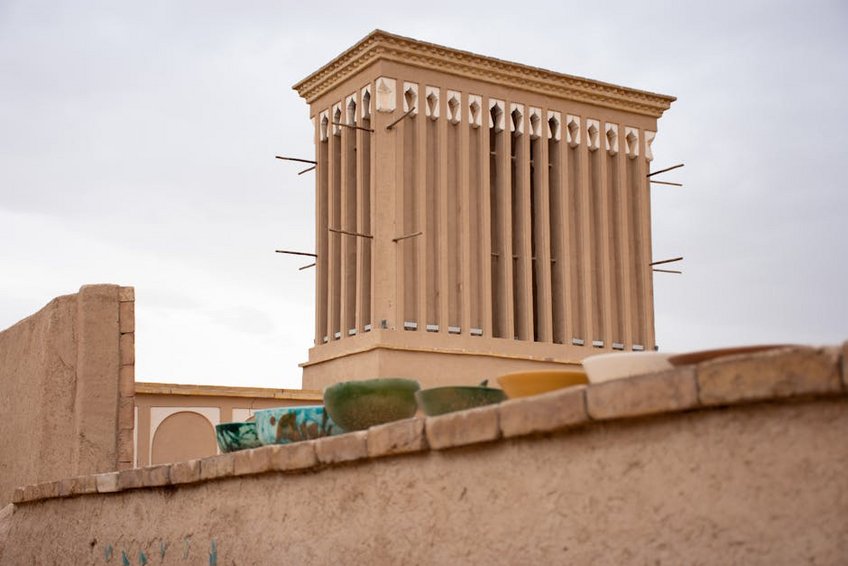
Iran Yazd Desert Windcatchers: Ancient Desert Cooling Systems
Yazd’s desert windcatchers represent one of Persia’s most ingenious architectural innovations, harnessing natural ventilation to cool buildings in Iran’s arid central plateau. These towering structures capture breezes from any direction, funneling cool air into homes while expelling hot air, creating comfortable living conditions without electricity. This guide covers everything from their historical significance to practical travel tips for experiencing these marvels firsthand.
Essential Yazd and Windcatcher Information
Yazd sits in central Iran’s desert basin, where summer temperatures frequently exceed 104°F (40°C), making traditional cooling methods essential for survival. The city’s historical fabric dates back over three millennia, with Zoroastrian influences visible throughout its mud-brick architecture. UNESCO designated Yazd a World Heritage Site in 2017, recognizing its sustainable urban planning.
Windcatchers, known locally as badgirs, evolved over centuries as passive cooling systems integrated into homes, cisterns, and public buildings. Their design varies from single-direction catchers to multi-directional towers reaching up to 33 feet (10 meters) high. This architectural heritage demonstrates remarkable adaptation to extreme desert environments.
Understanding Windcatcher Mechanics
These structures operate through simple physics principles that require no energy input.
- Windcatchers capture ambient breezes through openings oriented toward prevailing winds, directing airflow downward into living spaces.
- Internal channels create pressure differences that draw hot air upward and out through opposite openings, maintaining constant air circulation.
- Some designs incorporate water reservoirs or underground qanats to enhance cooling through evaporation effects.
- Budget travelers can manage on $50-70 daily using guesthouses, local restaurants, and public transportation, focusing on free architectural viewing in public spaces.
- Mid-range options at $100-150 daily include comfortable hotels, private guides for windcatcher explanations, and desert tours with traditional meals.
- Luxury experiences costing $200-300+ daily feature boutique hotels in historical buildings, specialized architectural tours, and private transportation between sites.
- UNESCO World Heritage Centre – Historic City of Yazd
- Lonely Planet Iran Travel Guide
Historical Development and Cultural Role
Windcatcher technology dates to the Sassanian Empire (224-651 AD), with refinements continuing through the Safavid period. They became status symbols among wealthy merchants, with more elaborate designs indicating higher social standing. The structures remain central to Yazd’s cultural identity and architectural conservation efforts.
Traditional builders developed specific orientations and heights based on wind patterns and building functions. Residential windcatchers typically faced north to capture cooler winds, while ceremonial structures often featured four-sided designs. This knowledge passed through generations of master builders.
Yazd’s Architectural Conservation
Preservation organizations maintain approximately sixty historical windcatchers throughout Yazd’s old city. Restoration projects use traditional materials like clay, straw, and wood to maintain structural authenticity. Visitors can observe ongoing conservation work at several key sites.
The city’s historical district contains over 2,000 registered historical properties, many featuring intact windcatchers. Local regulations prevent modern construction from altering the skyline’s traditional appearance. This protection ensures future generations can experience this unique architectural heritage.
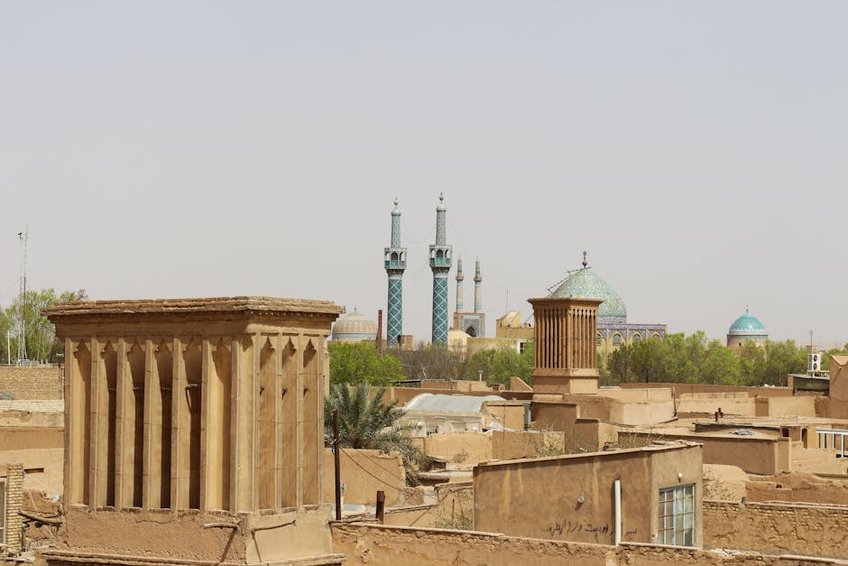
Alt: “yazd-desert-windcatchers-traditional-persian-architecture”
Iran Yazd Desert Windcatchers – Planning Your Trip
Your Iran Yazd desert windcatchers exploration requires careful preparation due to Iran’s specific travel regulations and desert climate conditions. Most Western nationals must travel with guided tours or obtain visas through authorized agencies before arrival. The experience combines cultural immersion with architectural appreciation across Yazd’s historical neighborhoods.
Budget approximately $1,500-$3,000 for a comprehensive 7-10 day Iran itinerary including Yazd, with standalone Yazd visits costing $800-$1,200. Spring and autumn offer ideal conditions for desert exploration with manageable temperatures. Book accommodations three months ahead for peak season visits.
Focus your itinerary on the old city’s winding alleys where windcatchers dominate the skyline. Combine architectural viewing with cultural experiences at Zoroastrian temples and traditional workshops. Allow extra time for unexpected discoveries in this labyrinthine historical center.
Best Time to Visit Yazd for Windcatchers
Visit between March-May and September-November when daytime temperatures range from 68-86°F (20-30°C) and crowds remain manageable. April particularly offers pleasant desert conditions with occasional rainfall keeping dust levels low. These months provide optimal photography light with softer shadows.
Summer months from June-August see temperatures soaring above 104°F (40°C), making extensive outdoor exploration challenging despite windcatchers’ cooling effects. Winter brings cooler days around 50°F (10°C) but cold nights dropping below freezing. Shoulder seasons balance comfort with accessibility.
Budget Planning and Costs
Iran travel costs vary significantly based on accommodation style and tour inclusions.
Essential Preparation Checklist
Pack loose, modest clothing covering arms and legs, comfortable walking shoes for uneven surfaces, and protection against intense sun exposure. Include a headscarf for women, required in public spaces throughout Iran. Photography equipment should handle bright desert light and interior low-light conditions.
Secure comprehensive travel insurance covering Iran, obtain necessary visas through approved agencies, and carry sufficient cash since international credit cards don’t work. Learn basic Farsi phrases for greetings and directions. Download offline maps and translation apps before arrival.
Top Yazd Attractions and Activities
Yazd’s historical core contains dozens of accessible windcatchers integrated into functioning buildings and restored monuments. The old city’s narrow lanes reveal unexpected architectural details at every turn. Combine windcatcher viewing with cultural sites for a comprehensive experience.
Desert excursions beyond the city provide context for Yazd’s environmental challenges and solutions. Traditional villages feature simpler windcatcher variants adapted to rural life. Evening programs often include traditional music and storytelling in historical settings.
Must-See Windcatcher Sites
Dolatabad Garden features Yazd’s tallest windcatcher at 108 feet (33 meters), perfectly restored with surrounding gardens demonstrating classical Persian design. Entry costs approximately $2 with morning visits avoiding crowds. The complex includes a mansion, water features, and shaded pathways.
Amir Chakhmaq Complex’s towering facade incorporates multiple windcatchers above a historical teahouse and mosque. Visit around sunset for dramatic lighting and local atmosphere. The adjacent bazaar offers traditional crafts and refreshments.
Zoroastrian Towers of Silence on the city outskirts provide panoramic views of Yazd’s windcatcher-studded skyline. These ancient ceremonial structures highlight the region’s religious diversity. Combine with a visit to the active fire temple.
Hidden Gems and Local Favorites
Explore the residential Fahadan District where families still occupy homes with functioning windcatchers. Respect privacy while observing architectural details along public pathways. Local guides can arrange visits to private courtyards not normally accessible.
Traditional water reservoirs (ab anbars) throughout the city feature combined windcatcher and dome structures for water cooling. The six-windcatcher reservoir near Alexander’s Prison demonstrates sophisticated engineering. These sites receive fewer visitors than major monuments.
Art house cafes in restored historical buildings offer close-up windcatcher viewing while enjoying traditional drinks. These establishments often provide architectural information and host local artists. They make excellent resting points during exploration.
Desert Tours and Cultural Experiences
Organized desert excursions visit remote villages where traditional lifestyles continue unchanged. These full-day trips typically cost $50-80 including transportation and meals. Evening desert programs feature stargazing and traditional music.
Handicraft workshops demonstrate skills passed through generations, including textile weaving and pottery making. Many workshops occupy buildings cooled by windcatchers, providing functional context. Participants can create their own souvenirs under master crafters’ guidance.
Practical Travel Information
Yazd’s compact historical center is easily navigable on foot, while taxis and ride-sharing services cover longer distances affordably. Accommodation ranges from basic guesthouses to luxurious boutique hotels in restored traditional homes. Advance booking proves essential during popular seasons.
English remains limited outside tourist areas, making translation apps valuable for complex interactions. Local guides provide essential context for understanding windcatcher technology and cultural significance. Their services typically cost $30-50 daily.
| Category | Options/Features | Price Range (USD) |
|---|---|---|
| Accommodation | Traditional guesthouses, boutique hotels in historical buildings, modern hotels | $25-150 nightly |
| Transportation | Local taxis, private drivers, intercity buses, domestic flights | $5-100 daily |
| Food & Dining | Local restaurants, hotel dining, traditional teahouses, street food | $8-35 daily |
| Tours & Entry Fees | Guided architectural tours, desert excursions, monument entries | $15-80 daily |