Azerbaijan Mud Volcanoes Gobustan: Explore Unique Geological Wonders
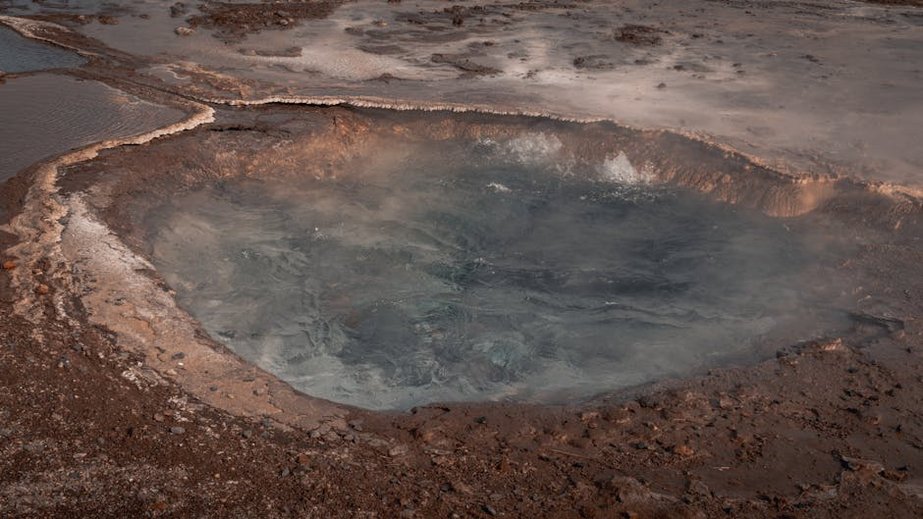
Visiting the Azerbaijan Mud Volcanoes Gobustan offers a rare chance to witness Earth’s dynamic geological processes in a surreal desert landscape. These bubbling mud pools and miniature volcanoes create an otherworldly environment unlike any other destination on the planet. This guide covers everything from planning your trip to experiencing the local culture and ancient rock art.
Essential Geological Information
The mud volcanoes in Gobustan represent one of the highest concentrations of such phenomena globally, with over 300 individual sites. Located within the Gobustan National Park, these geological features result from pressurized gas and mud eruptions from deep underground reservoirs. The area’s unique geology connects to the Caspian Sea’s hydrocarbon-rich basin.
Gobustan’s significance extends beyond the volcanoes to include prehistoric rock carvings dating back 40,000 years. UNESCO designated the entire region a World Heritage Site in 2007 for its cultural and geological value. The petroglyphs depict ancient human life alongside natural events like volcanic activity.
What Makes These Mud Volcanoes Special
Several factors distinguish Azerbaijan’s mud volcanoes from others worldwide.
- Azerbaijan contains nearly half of all mud volcanoes on Earth, with Gobustan hosting the most accessible and active examples for tourism.
- The volcanoes range from small bubbling pools to cones several meters high, with temperatures between 60-100°F (16-38°C) at the surface.
- Unlike magma volcanoes, these spew cold mud, making them safe to approach and observe from close distances with proper guidance.
- Budget travelers spend $30-50 daily using shared taxis from Baku ($15 roundtrip), park entry ($5), and self-guided exploration with packed lunch and water.
- Mid-range visitors allocate $75-150 for private car rental ($40-60), guided tour ($25), museum entry ($3), and meals at local restaurants near the park entrance.
- Luxury experiences cost $200-400 including premium guided tours from Baku ($100-150), specialized geology tours, professional photography sessions, and high-end accommodations in Baku with early departure arrangements.
- Azerbaijan Tourism Board
- UNESCO World Heritage Centre
Geological Formation Process
Mud volcanoes form when underground gas deposits create pressure that forces mud and water to the surface through fissures in the Earth’s crust. The Gobustan region sits above substantial natural gas reserves trapped beneath impermeable clay layers. Seasonal rainfall mixes with this clay, creating the viscous mud that erupts during pressure releases.
These eruptions occur periodically, sometimes triggered by seismic activity or changes in underground pressure. The resulting landscapes feature conical mounds, bubbling pools, and dried mud flows that create fascinating patterns. Scientists monitor these sites for insights into hydrocarbon migration and earthquake prediction.
Historical and Cultural Context
Ancient inhabitants documented the volcanic activity through petroglyphs carved into the region’s rocks. These artworks show humans hunting, dancing, and possibly observing natural phenomena like eruptions. The area served as a seasonal settlement for millennia due to its strategic location near the Caspian Sea.
Modern recognition began with archaeological expeditions in the 1930s that cataloged thousands of rock carvings. The Soviet era saw limited tourism development, while independent Azerbaijan has promoted the site internationally since the 2000s. Today, the region balances preservation with controlled visitor access.
Azerbaijan Mud Volcanoes Gobustan – Planning Your Trip
Organizing your visit to the Azerbaijan Mud Volcanoes Gobustan requires considering seasonal weather patterns and transportation logistics. Summer temperatures often exceed 100°F (38°C), making spring and autumn more comfortable for exploration. Most travelers visit as a day trip from Baku, approximately 40 miles (64 km) to the north.
Entry to Gobustan National Park costs around $5 USD, with additional fees for guided tours and museum access. The mud volcano field itself sits outside the main park boundary and typically requires a 4×4 vehicle or organized tour for access. Budget $50-100 for transportation depending on your chosen method.
Advance planning ensures you experience both the geological wonders and the ancient rock art sites efficiently. Allocate a full day for the complete Gobustan experience, including travel time from Baku. Wear sturdy shoes and bring sun protection regardless of season.
Best Time to Visit Gobustan Mud Volcanoes
Visit between March and May or September to November for ideal weather conditions averaging 60-75°F (16-24°C). These months offer comfortable hiking temperatures without extreme heat that can reach 104°F (40°C) in July and August. Shoulder seasons also feature smaller crowds compared to peak summer tourism.
Winter visits from December to February bring cooler temperatures around 40-50°F (4-10°C) with occasional rain. While accessible year-round, the mud volcanoes become more active after rainfall, creating better photographic opportunities. Avoid visiting during heavy rain when access roads become impassable.
Budget Planning and Costs
Your Azerbaijan Mud Volcanoes Gobustan experience fits various budget levels with these typical expenses.
Essential Preparation Checklist
Pack sturdy hiking shoes with good grip for uneven terrain, sunglasses, hat, and sunscreen for protection against reflected sunlight. Bring at least 2 liters of water per person since facilities are limited, plus snacks and a basic first aid kit for minor emergencies. Wear layers that can handle temperature swings between desert heat and occasional windy conditions.
Ensure your passport allows visa-free entry to Azerbaijan (90 days for US and EU citizens) or apply for an e-visa in advance through the official portal. Book accommodations in Baku rather than near Gobustan for better amenities and dining options. Download offline maps and translation apps since English proficiency varies outside urban areas.
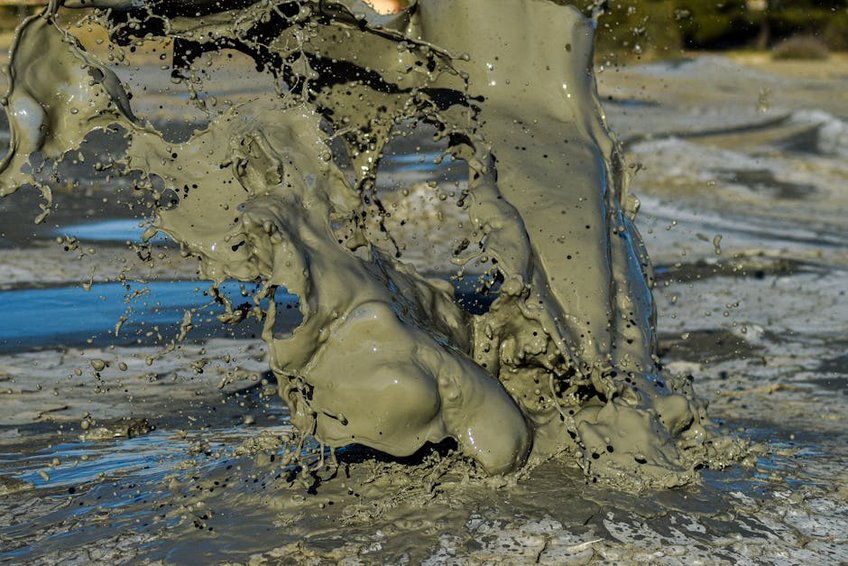
Alt: “gobustan-mud-volcanoes-landscape-bubbling-pools-desert”
Top Attractions and Activities
Gobustan National Park offers diverse experiences beyond the mud volcanoes, including one of the world’s most significant collections of prehistoric art. The UNESCO-protected area contains over 6,000 rock engravings spread across three main sections. Plan to spend 4-6 hours exploring both the geological and archaeological highlights.
The mud volcano field itself covers approximately 1,000 hectares with constantly changing landscapes due to ongoing eruptions. Some volcanoes erupt multiple times daily, while others remain dormant for months. Local guides can identify active sites and explain the science behind the phenomena.
Combine your visit with nearby attractions like the Bibi-Heybat Mosque and the Caspian Sea coastline for a full day of diverse experiences. The area’s stark beauty provides exceptional photography opportunities throughout the day, with golden hour light enhancing the desert colors.
Must-See Highlights
Begin at the Gobustan Rock Art Cultural Landscape to see ancient petroglyphs depicting animals, hunters, and ritual scenes. The onsite museum provides excellent context with multimedia displays and English explanations. Allow 1-2 hours for this section before proceeding to the volcanic fields.
The most accessible mud volcanoes cluster near the main park road, featuring multiple active cones and bubbling pools. Look for the “Big Crater” area where eruptions can reach several feet high. Nearby, the “Musical Stones” area features limestone rocks that produce melodic sounds when struck.
Don’t miss the Yanar Dag (Burning Mountain) located 15 miles (24 km) north, where natural gas vents create perpetual flames. This complementary site demonstrates the region’s hydrocarbon richness that fuels the mud volcanoes. Entry costs approximately $3 USD and works well as a stop en route back to Baku.
Hidden Gems and Local Favorites
Venture to the less-visited southern section of the volcanic field where smaller but more active mud pools create intricate patterns. Local shepherds sometimes guide visitors to these areas for small tips, sharing knowledge about seasonal changes and animal sightings. The terrain becomes more challenging but rewards with solitude and unique perspectives.
Visit during early morning or late afternoon to avoid tour groups and experience the volcanoes in softer light. The nearby village of Gobustan offers basic teahouses where you can sample local tea and simple meals while interacting with residents. These establishments provide authentic cultural exchanges beyond standard tourist experiences.
Mud Volcano Hiking Experiences
Several operators offer guided hikes through the volcanic fields with geological explanations and safety briefings. These tours typically last 2-3 hours and cover 2-3 miles (3-5 km) of moderate terrain. Guides point out recent eruption sites and explain how to identify potentially active areas.
Independent hiking is possible but requires caution regarding unstable ground and lack of signage. Stick to established paths and avoid walking on dried mud crusts that might conceal soft areas underneath. Always inform someone of your plans and carry a fully charged phone for emergencies.
Practical Travel Information
Reaching Gobustan requires land transportation from Baku, as no airports or train stations serve the immediate area. Most visitors hire taxis or join organized tours departing from the capital city. The journey takes approximately 1-1.5 hours depending on traffic and your chosen destination within the park.
Accommodation options near Gobustan are limited to basic guesthouses, making Baku the practical base for exploration. The capital offers everything from budget hostels to luxury hotels with easy access to transportation hubs. Book your stay in advance during peak season from April to October.
| Category | Options/Features | Price Range (USD) |
|---|---|---|
| Transportation | Shared taxi from Baku, 4×4 rental for volcano access, guided tour transfers | $15-100 |
| Accommodation | Baku hotels (3-5 star), guesthouses near park, apartment rentals | $30-200/night |
| Food & Dining | Park cafeteria, Baku restaurants, local teahouses, packed meals | $5-25/meal |
| Activities & Fees | Park entry, museum access, guided tours, photography permits | $5-50 |