Masada Sunrise Fortress: Ancient History at Dawn
Witnessing sunrise from the Masada Fortress delivers a profound historical experience where ancient ruins meet dramatic desert landscapes above the Dead Sea. This UNESCO World Heritage site preserves Herod’s palace complex and the final stand of Jewish rebels against Roman forces in 73 CE. Your Israel Masada Sunrise Fortress adventure combines early morning hiking, archaeological wonder, and panoramic views across the Judean Desert.
Essential Masada Information
Masada’s plateau rises 1,300 feet above the Dead Sea’s western shore, featuring extensive ruins from King Herod’s fortified palace built between 37 and 31 BCE. The site gained historical significance during the First Jewish-Roman War when Sicarii rebels held the fortress against Roman legions for several months. Today, the national park attracts visitors seeking both historical insight and spectacular desert scenery.
Located in Israel’s Southern District, Masada sits approximately 20 kilometers east of Arad and 50 kilometers southeast of Jerusalem. The fortress occupies a strategic position with steep cliffs on all sides, providing natural defenses that made siege difficult. Modern access includes a cable car from the eastern side or hiking trails from both eastern and western approaches.
Historical Significance and Timeline
Masada’s construction began under Herod the Great as a luxurious winter palace and refuge complex around 35 BCE. The fortress included sophisticated water collection systems, storage buildings, bathhouses, and defensive walls that sustained large communities. Following Herod’s death, Roman forces occupied the site until Jewish rebels captured it during the Great Revolt in 66 CE.
- Roman siege works remain visible today, including the massive assault ramp built on the western side to breach the fortress walls in 73 CE.
- Archaeological excavations uncovered mikvaot (ritual baths), synagogue remains, and living quarters that reveal daily life during the rebellion period.
- Josephus Flavius’ historical accounts provide detailed descriptions of the siege and mass suicide that ended the fortress occupation.
- Budget option ($50-80 per person) includes public transportation from Jerusalem, self-guided hiking, and bringing your own food and water while staying in hostels.
- Mid-range option ($100-150 per person) covers organized group tours with transportation, guide services, park entrance, and sometimes Dead Sea access with locker facilities.
- Luxury option ($200-300 per person) provides private guided tours, cable car access, premium Dead Sea resort visits, and specialized photography workshops.
- Hiking shoes with good traction for rocky trails, 2-3 liters of water per person, headlamp with extra batteries, and layered clothing for temperature changes.
- Sun protection including hat, sunglasses, and sunscreen, camera equipment for low-light photography, snacks for energy, and small backpack for carrying supplies.
- Printed or digital tickets, valid passport for identification, local currency for additional purchases, and emergency contact information.
- Israel Nature and Parks Authority – Masada
- UNESCO World Heritage Centre – Masada
Geographic Location and Landscape
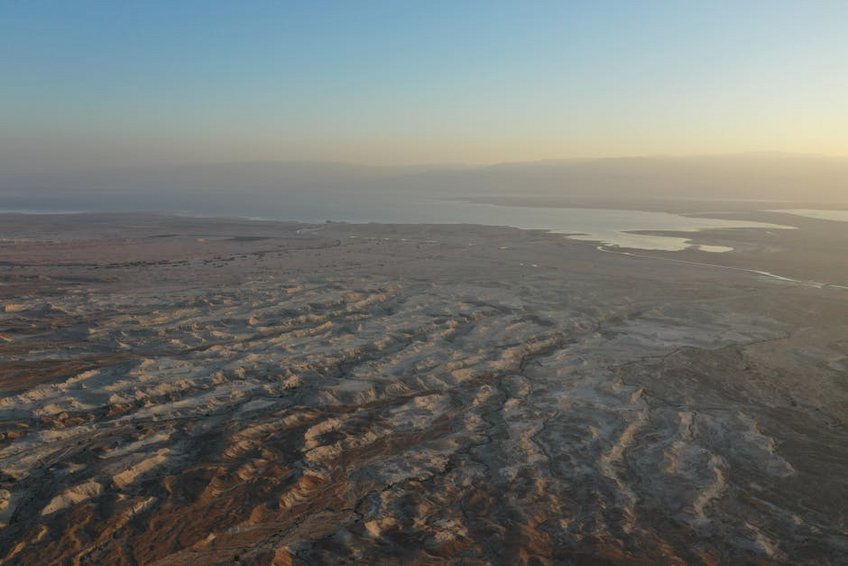
Masada occupies an isolated rock plateau in the Judean Desert with sheer cliffs dropping 400 meters to the east toward the Dead Sea. The fortress sits at approximately 58 meters below sea level, creating unique microclimates with hot, dry conditions year-round. Surrounding desert landscapes feature dramatic canyons, salt formations, and mineral-rich terrain.
The Dead Sea’s proximity creates atmospheric conditions that often produce spectacular sunrise and sunset colors against the desert backdrop. Visitors experience temperature variations of 15-20 degrees Fahrenheit between night and day, requiring appropriate clothing layers. Desert wildlife includes ibex, hyrax, and various reptile species adapted to the arid environment.
Climate Patterns and Seasonal Considerations
Masada experiences desert climate with extremely hot summers and mild winters, featuring average highs of 90-100°F (32-38°C) from June through September. Winter months between November and February bring more comfortable temperatures ranging from 60-70°F (15-21°C) during daytime hours. Rainfall remains scarce throughout the year, with occasional flash floods in surrounding wadis during winter months.
Spring and autumn offer the most balanced conditions with daytime temperatures around 75-85°F (24-29°C) and cooler evenings. Humidity levels typically stay below 30% except during rare weather patterns that bring moisture from the Mediterranean. Early morning visits provide relief from afternoon heat regardless of season.
Planning Your Israel Masada Sunrise Fortress Trip
Organizing your Masada sunrise experience requires careful timing, as the site opens one hour before dawn to accommodate early visitors. The Israel Nature and Parks Authority manages access with specific opening times that vary seasonally, typically from 4:00 AM during summer months. Advance ticket purchases through their official website secure your spot and avoid long queues at the entrance.
Your Israel Masada Sunrise Fortress itinerary should include transportation arrangements, as public bus services from Jerusalem or Tel Aviv don’t operate during pre-dawn hours. Private transfers or organized tours provide reliable early morning transportation, with pickup times around 2:00-3:00 AM depending on your departure location. Many visitors combine their Masada experience with Dead Sea floating later the same day.
Physical preparation proves essential for hiking either the Snake Path or Roman Ramp route before sunrise, involving steep ascents of 30-45 minutes. The cable car offers an alternative for those preferring not to hike, though it begins operating slightly later than hiking trail access. Proper footwear, water supplies, and headlamps become crucial equipment for safe pre-dawn navigation.
Best Time to Visit Masada
Visit Masada between October and April for optimal sunrise viewing conditions, with November through February providing the most comfortable hiking temperatures. Daytime highs during these months range from 60-75°F (15-24°C) with overnight lows of 45-55°F (7-13°C) in the surrounding area. Crowd levels peak during Jewish holidays and weekends, so midweek visits offer more solitude.
Summer months from June through August bring extreme heat with temperatures frequently exceeding 100°F (38°C), making early morning essential for any visit. The shoulder seasons of March-May and September-October balance moderate temperatures with reasonable visitor numbers. Sunrise timing varies from approximately 4:30 AM in June to 6:45 AM in December.
Budget Planning and Costs
Masada visit costs vary significantly based on transportation choices and guide services, with basic entry fees starting at $10 for adults.
Essential Preparation Checklist
Proper preparation ensures a safe and enjoyable Masada sunrise experience, beginning with physical conditioning for the steep ascents. The desert environment demands specific gear and supplies to handle temperature extremes and strenuous activity before dawn. Advance bookings become crucial during peak seasons when availability fills quickly.
Alt: “masada-fortress-sunrise-desert-landscape-dead-sea”
Top Attractions and Activities
Masada’s archaeological site spans approximately 18 acres with well-preserved structures that reveal ancient engineering and daily life. The Northern Palace complex showcases Herod’s architectural ambition with three terraced levels hanging dramatically over the cliff edge. Visitors can explore storage rooms, bathhouses, water cisterns, and defensive walls while imagining life in this remote desert fortress.
The Masada Museum presents artifacts discovered during excavations, including pottery, coins, and personal items that belonged to the Jewish rebels. Audio guides available in multiple languages provide detailed historical context at key locations throughout the site. Many visitors find the synagogue particularly meaningful as one of the oldest surviving examples from the Second Temple period.
Must-See Highlights
Herod’s Northern Palace represents the site’s architectural masterpiece, built on three rock terraces with original frescoes and mosaic fragments still visible. The Western Palace served as the administrative center with extensive storage facilities and residential quarters for officials and servants. The Byzantine church ruins from the 5th century CE demonstrate later occupation after the Roman period.
The Roman siege ramp on the western side remains remarkably preserved, illustrating the engineering determination that ultimately breached Masada’s defenses. The water cistern system collected and stored enough rainfall to sustain hundreds of people through extended periods, featuring sophisticated channel networks. The snake path gateway marks the original entrance used by ancient residents and modern hikers alike.
Hidden Gems and Local Favorites
The Columbarium towers near the northern edge feature unusual niches whose original purpose remains debated by archaeologists, possibly serving as dove cotes or ritual spaces. The Western Byzantine monastery offers quieter contemplation with less crowded access and distinctive architectural elements from later occupation periods. Several lesser-known viewpoints along the perimeter provide alternative perspectives away from main tourist pathways.
Local guides often recommend visiting the Masada sound and light show during evening hours, which projects historical narratives onto the fortress walls. The nearby Ein Gedi Nature Reserve combines well with Masada visits, featuring freshwater springs, waterfalls, and hiking trails through desert oasis environments. The Arad viewpoint provides distant panoramic views of Masada’s silhouette against the Dead Sea.
Hiking and Photography Tips
Hiking the Snake Path before sunrise requires starting approximately 60-90 minutes before official sunrise time to reach the summit for optimal light. The Roman Ramp path offers a shorter, steeper alternative on the western side with approximately 15-20 minute ascent time. Both routes present challenging terrain best navigated with proper footwear and steady pacing.
Photography enthusiasts should arrive at least 30 minutes before sunrise to secure prime positions along the eastern wall facing the Dead Sea. Tripods prove essential for capturing sharp images in low light conditions, while wide-angle lenses accommodate the expansive landscape views. The golden hour following sunrise provides beautiful side lighting on archaeological structures and warm tones across the desert.
Practical Travel Information
Reaching Masada involves several transportation options depending on your departure point, with Jerusalem located approximately 90 minutes away by road. The site features two main access points – the eastern entrance with cable car and Snake Path trail, and the western entrance with Roman Ramp trail. Organized tours typically include transportation, while independent travelers can use rental cars or limited public bus services.
Accommodation options range from basic hostels to luxury resorts in the Dead Sea area, with several properties located within 30 minutes of Masada. The Ein Bokek area offers the highest concentration of hotels with Dead Sea access, while Arad provides mountain air and lower prices. Advance reservations become essential during holiday periods when availability decreases significantly.
| Category | Options/Features | Price Range (USD) |
|---|---|---|
| Budget Accommodation | Hostels in Arad, basic guesthouses with shared facilities, camping near Ein Gedi | $40-80 per night |
| Mid-Range Hotels | Dead Sea resorts with pool access, Arad hotels with breakfast included, kibbutz guesthouses | $120-220 per night |
| Luxury Properties | Five-star Dead Sea resorts with spa facilities, private guided tours, premium dining options | $300-500 per night |
| Transportation | Rental cars from $35 daily, private transfers $100-150, group tours $50-100 per person | $35-150 per day |