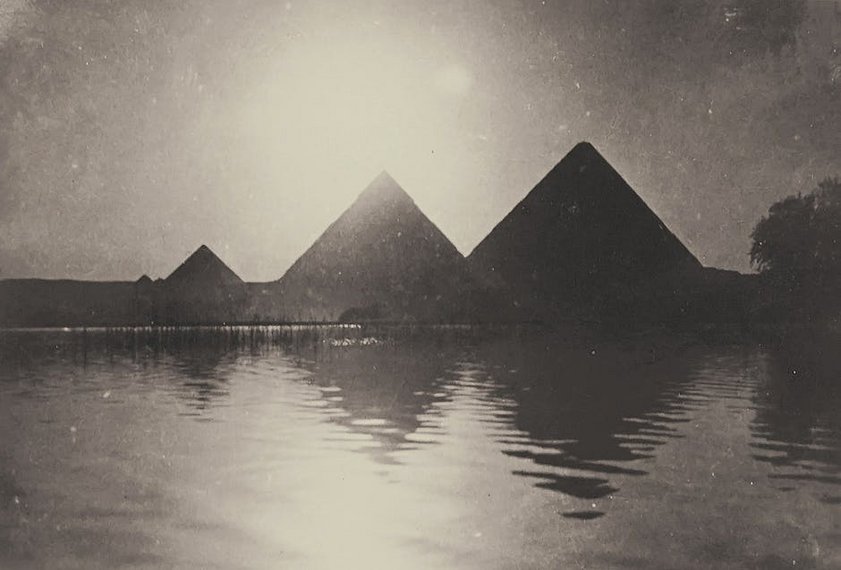
Egypt White Desert Formations: A Surreal Desert Adventure
The Egypt White Desert Formations present a breathtaking geological wonder in Egypt’s Western Desert, featuring wind-carved chalk rock sculptures that create an otherworldly landscape perfect for photography and exploration. These natural monuments formed over millions of years through erosion processes, offering unique camping experiences under star-filled Saharan skies with minimal light pollution. This guide covers essential planning details, must-see formations, cultural insights, and practical travel advice for your desert expedition.
Essential Desert Information
The White Desert National Park spans approximately 3,000 square kilometers in Egypt’s Farafra Depression, protecting extraordinary chalk formations sculpted by wind and sand erosion. This protected area sits about 500 kilometers southwest of Cairo, featuring elevations between 100-300 meters above sea level with dramatic temperature variations. Visitors encounter mushroom-shaped rocks, towering pinnacles, and vast chalk plains that glow spectacularly during sunrise and sunset hours.
Geological History and Formation
These spectacular landforms originated during the Cretaceous period approximately 80 million years ago when the region was submerged beneath the Tethys Sea. Marine organisms deposited calcium carbonate sediments that eventually compressed into limestone and chalk bedrock. Wind erosion over millennia sculpted the soft chalk into the fascinating shapes visible today, with the process continuing through seasonal sandstorms.
Location and Park Accessibility
The White Desert lies within Egypt’s Western Desert governorate, accessible via the Bahariya Oasis approximately 160 kilometers northeast of the park’s main entrance. Most visitors reach the area through organized tours departing from Cairo or Bahariya, with the journey taking 4-5 hours by 4×4 vehicle through desert tracks. Independent travel requires special permits from Egyptian authorities and experienced desert navigation skills.
- Park entrance requires permits obtained through licensed tour operators, costing $5-10 per person with documentation processed in Bahariya Oasis.
- Navigation demands GPS systems and experienced guides since desert tracks shift frequently and cellular service remains unreliable throughout the region.
- Accessibility varies seasonally with summer months (June-August) presenting extreme heat challenges while winter offers more comfortable exploration conditions.
- Budget tours at $50-80 daily include basic camping, shared transportation, and simple meals with limited guide services, ideal for backpackers and independent travelers.
- Mid-range options costing $80-120 daily provide better-equipped camps, private transportation, experienced English-speaking guides, and higher-quality meal provisions.
- Luxury expeditions from $120-150 daily feature comfortable bedouin-style camps with proper beds, private vehicles, professional photography guides, and gourmet dining experiences.
- Egypt Tourism Authority
- Lonely Planet Western Desert Guide
Climate and Environmental Conditions
Daytime temperatures range from 50-95°F (10-35°C) seasonally, with winter nights dropping to 32-41°F (0-5°C) requiring proper thermal gear for camping. The desert receives less than 10mm annual rainfall, creating extremely dry conditions that necessitate carrying 3-4 liters of water per person daily. Sandstorms occasionally occur between March and May, reducing visibility and potentially disrupting travel plans for several hours.
Planning Your Egypt White Desert Formations Trip
Organizing your Egypt White Desert Formations adventure requires careful consideration of seasonal conditions, tour operator selection, and appropriate gear for desert camping. The optimal visiting window falls between October and April when daytime temperatures average 68-77°F (20-25°C) with cooler nights around 41-50°F (5-10°C). Budget approximately $50-150 daily depending on tour inclusions, accommodation style, and group size for a comprehensive desert experience.
Select licensed operators registered with the Egyptian Tourism Authority who provide experienced Bedouin guides, reliable 4×4 vehicles, and proper camping equipment. These specialists understand desert navigation, safety protocols, and the best photography locations while ensuring compliance with park regulations. Advance bookings 2-3 months before peak season (December-February) secure better rates and guarantee availability for preferred itineraries.
Best Time to Visit the White Desert
October through November offers ideal conditions with comfortable temperatures 68-82°F (20-28°C) and minimal tourist crowds before the winter peak season begins. December to February represents peak visitation with temperatures 50-68°F (10-20°C) during day but dropping to 32-41°F (0-5°C) at night requiring warm sleeping bags. March and April provide good conditions despite occasional sandstorms, with temperatures rising to 77-86°F (25-30°C) and wildflowers occasionally blooming after rare rainfall.
Budget Planning and Costs
Desert expedition costs vary significantly based on tour duration, group size, and accommodation style with these typical price ranges.
Essential Preparation Checklist
Pack layered clothing including thermal wear for cold nights, sun protection with UPF 50+ clothing, wide-brimmed hats, and sunglasses with UV protection. Sturdy hiking boots handle rocky terrain while gaiters prevent sand entry, with headlamps essential for nighttime movement around camp. Photography equipment requires dust protection bags, extra batteries, and lens cleaning kits to combat fine desert sand infiltration.
Documentation needs include passport copies, travel insurance with desert coverage, and any required medications since medical facilities remain hours away. Book tours through reputable companies verified by the Egyptian Tourism Federation, confirming guide credentials and vehicle maintenance standards. Physical preparation involves moderate fitness for short hikes over uneven terrain and acclimatization to desert conditions upon arrival.
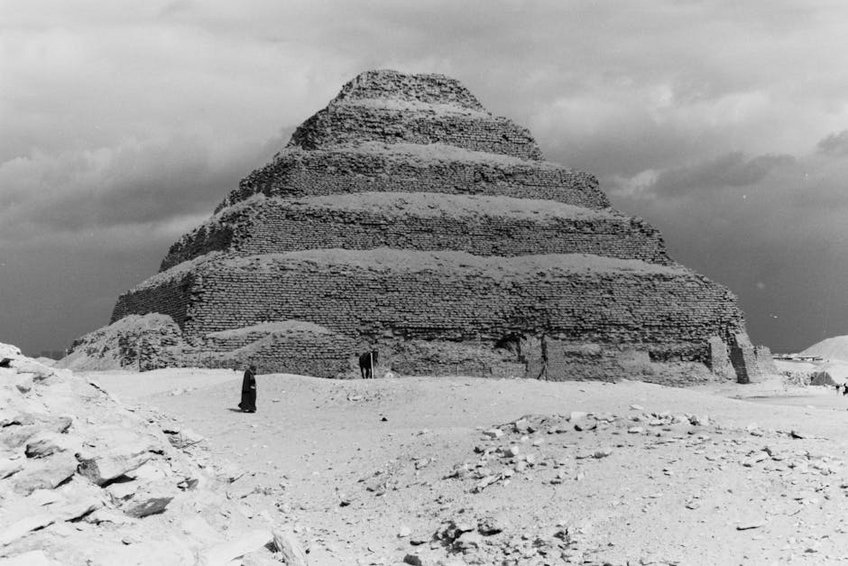
Alt: “white-desert-egypt-chalk-rock-formations-sunset-glow”
Top Attractions and Activities
The White Desert’s most famous formations include Crystal Mountain and the Twin Peaks, each offering unique photographic opportunities during golden hour lighting. Visitors can explore these natural sculptures through guided hikes, 4×4 tours, and overnight camping experiences that reveal different perspectives at sunrise and sunset. The area also features several lesser-known valleys and rock formations accessible through specialized tours with local Bedouin guides.
Must-See Formations and Landmarks
Crystal Mountain presents a small hill completely covered in quartz crystals that sparkle dramatically in sunlight, located approximately 20 kilometers from the main park entrance. The Mushroom Valley contains dozens of mushroom-shaped rocks formed through differential erosion, with some formations reaching 5-7 meters in height. The Twin Peaks (also called Insberg) feature two massive chalk monoliths that create stunning silhouettes against desert skies, particularly during sunrise photography sessions.
Additional notable formations include the Chicken and Tree rock, a famous mushroom-shaped formation resembling a chicken under a tree, accessible via short hikes from main camping areas. The Aqua Valley (Wadi Hitan) lies within driving distance, featuring important whale fossil discoveries from the prehistoric Tethys Sea era. Each site offers distinct photographic characteristics with the white chalk reflecting different colors throughout daylight hours.
Hidden Gems and Local Favorites
The Black Desert adjacent to the White Desert features volcanic mountains and dark sand dunes creating dramatic contrast landscapes rarely included in standard tours. Experienced guides can access remote areas like the Hidden Valley, containing unusual rock arches and secluded camping spots away from main tourist routes. These locations require additional navigation time and specialized permits but reward visitors with exclusive photographic opportunities.
Local Bedouin communities sometimes welcome visitors to traditional camps for tea ceremonies and star-gazing sessions using their knowledge of celestial navigation. The area surrounding Farafra Oasis contains several natural springs and palm groves offering refreshing contrasts to the arid desert environment. These authentic experiences provide cultural immersion while supporting local economies through responsible tourism practices.
Desert Activities and Adventure Tours
Multi-day camping expeditions allow comprehensive exploration of both famous formations and remote areas, typically including Bedouin-style camp setup and traditional meals. Photography tours specialize in capturing the landscape during optimal lighting conditions, with guides positioning groups for sunrise, sunset, and night photography sessions. Stargazing presents exceptional opportunities due to minimal light pollution, with the Milky Way visible clearly from October through April.
Practical Travel Information
Reaching the White Desert typically involves flying into Cairo International Airport (CAI), then traveling overland to Bahariya Oasis before entering the protected area. Most international visitors require Egyptian visas obtainable upon arrival for $25 USD, valid for 30 days with passport validity of at least six months. The entire journey from Cairo takes 4-5 hours by road, with the final desert segment requiring 4×4 vehicles and experienced drivers.
| Accommodation Type | Features and Amenities | Price Range (USD) |
|---|---|---|
| Desert Camping | Basic tents, shared facilities, traditional meals, guided activities | $30-60/night |
| Oasis Hotels | Private rooms, en-suite bathrooms, swimming pools, restaurant dining | $40-80/night |
| Luxury Desert Camps | Comfortable beds, private bathrooms, gourmet meals, dedicated guides | $100-150/night |
| Eco-Lodges | Sustainable design, cultural activities, organic meals, community support | $70-120/night |