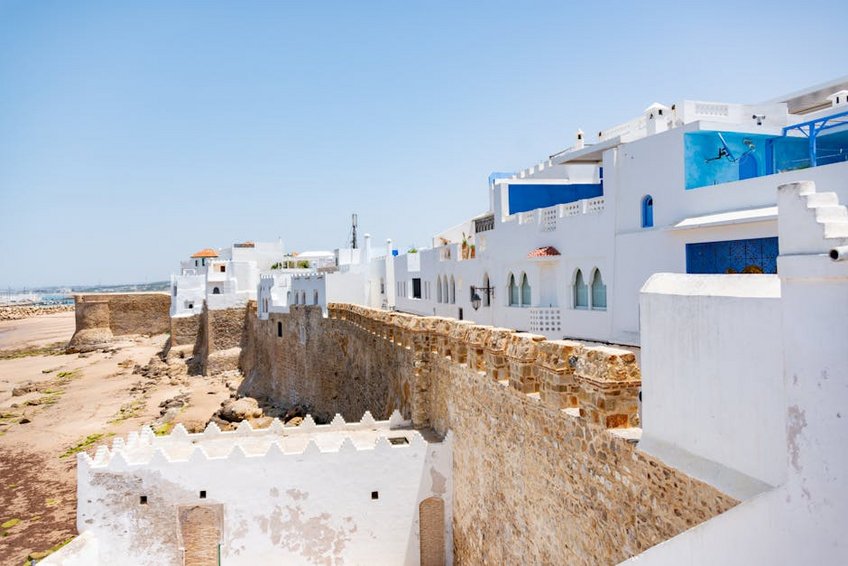
Morocco Essaouira Coastal Medina – Your Guide to the Windy City
Essaouira’s coastal medina blends historic Moroccan architecture with Atlantic Ocean breezes across its UNESCO-protected ramparts and blue-shuttered streets. This Morocco Essaouira Coastal Medina experience delivers authentic culture through artisan workshops, fresh seafood markets, and wind-swept beaches perfect for water sports enthusiasts. You will discover practical travel tips covering ideal visiting seasons, accommodation choices, and cultural etiquette for Western visitors.
Essential Essaouira Information
Essaouira’s medina earned UNESCO World Heritage status in 2001 for its exceptional 18th-century military architecture blending European and North African influences. The fortified walls designed by French engineer Théodore Cornut create a distinctive grid pattern uncommon in Moroccan medinas. Portuguese, Berber, and French cultural layers appear throughout the old town’s structure.
Geographically, Essaouira occupies Morocco’s Atlantic coast approximately 175 kilometers west of Marrakech with cooling trade winds moderating temperatures year-round. The medina extends directly to the oceanfront with stone ramparts overlooking sandy beaches and the Mogador Island archipelago. This coastal positioning creates unique microclimates differing from inland Moroccan cities.
Historical Timeline – Key Developments
Understanding these historical milestones enhances your appreciation of the medina’s architecture.
- 15th Century: Portuguese established Mogador fortress and trading post before Moroccan reconquest under Sultan Mohammed ben Abdallah.
- 1760s: Current medina construction began under French engineer Cornut with straight streets diverging from typical Moroccan urban patterns.
- 19th Century: Thriving Jewish community established with Mellah district becoming commercial hub for international trade.
- Budget travelers spend $30-50 daily staying in hostels or guesthouses, eating at street food stalls, and using local buses. Focus on free attractions like walking the ramparts and beaches while bargaining in souks.
- Mid-range visitors allocate $80-150 nightly for traditional riads, restaurant dining, and guided tours. This budget covers comfortable accommodation with breakfast, seafood meals, and transportation between attractions.
- Luxury experiences cost $200+ daily featuring boutique hotels, private guides, and spa treatments. Premium riads offer ocean views, hammam access, and customized cultural activities within the medina.
- Moroccan National Tourist Office
- UNESCO World Heritage Centre
Cultural Significance and Preservation
Essaouira represents cultural coexistence through its historically diverse Muslim, Jewish, and European communities reflected in architectural details and urban layout. The medina maintains traditional craftsmanship with woodworking ateliers continuing centuries-old techniques using local thuya wood. Preservation efforts focus on maintaining original building materials while adapting to modern tourism needs.
Local festivals like the Gnaoua World Music Festival each June transform the medina into a global cultural stage attracting international artists and visitors. Traditional music styles blend with contemporary performances throughout the historic squares and alleyways. This cultural vitality complements the medina’s architectural heritage.
Geographic Features and Climate
Essaouira’s coastal location creates moderate temperatures ranging from 55°F to 75°F (13°C to 24°C) throughout the year with consistent Atlantic breezes. The medina sits on a sandstone peninsula surrounded by beaches with the old port functioning as both fishing harbor and tourist attraction. Mogador Island’s protected nature reserve visible from the ramparts hosts endangered Eleonora’s falcons.
These geographic conditions make the destination particularly appealing for travelers seeking relief from Morocco’s interior heat. The constant winds create ideal conditions for wind sports while moderating summer temperatures. Coastal fog occasionally blankets the medina during morning hours before clearing by midday.
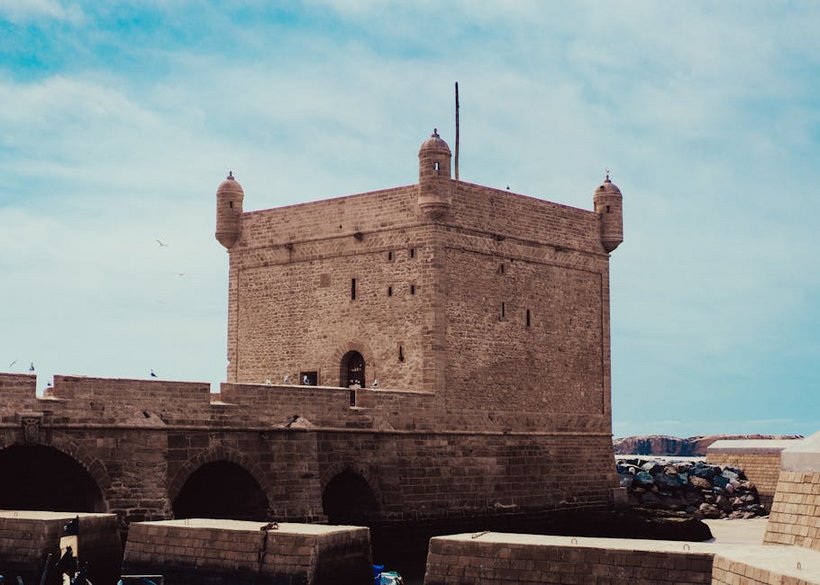
Alt: “essaouira-medina-atlantic-coast-ramparts-view”
Planning Your Morocco Essaouira Coastal Medina Trip
Your Morocco Essaouira Coastal Medina visit benefits from strategic timing between March and May or September to November when crowds diminish and temperatures average 65°F to 75°F (18°C to 24°C). These shoulder seasons provide optimal conditions for exploring the medina’s narrow streets and enjoying beach activities without intense summer winds. Advance accommodation bookings secure better rates at traditional riads within the historic walls.
Budget approximately $50-80 daily for comfortable mid-range travel including riad accommodation, restaurant meals, and local transportation. Essaouira offers excellent value compared to Marrakech with more affordable dining and shopping options throughout the medina. Consider combining your visit with other Moroccan destinations using CTM buses or private transfers.
Essential preparations include packing layers for changing coastal conditions, comfortable walking shoes for cobblestone streets, and modest clothing respecting local customs. Credit cards are widely accepted though carrying Moroccan dirhams benefits smaller medina shops and market stalls.
Best Time to Visit Essaouira
Visit between March and May for ideal weather conditions with temperatures from 60°F to 70°F (16°C to 21°C) and reduced wind speeds perfect for exploring the medina and beaches. These spring months offer blooming landscapes and cultural events before summer crowds arrive. Accommodation prices remain reasonable during this period with good availability.
September through November provides similar advantages with ocean temperatures still warm enough for swimming and water sports. Shoulder seasons avoid the intense July-August winds that can reach 25 mph while maintaining pleasant exploration conditions. Winter visits from December to February see fewer tourists but require warmer clothing for 55°F (13°C) average temperatures.
Budget Planning and Costs
Essaouira accommodates various travel budgets through these tiered options.
Essential Preparation Checklist
Pack lightweight layers including sweaters or jackets for evening breezes alongside comfortable walking shoes for uneven medina pathways. Include swimwear for beach activities, sunscreen for coastal sun exposure, and a hat for sun protection during daytime exploration. Electronics require European-style two-pin plugs with 220V voltage compatibility.
Secure comprehensive travel insurance covering medical emergencies and trip cancellations before departure. US and EU passport holders enjoy visa-free entry for up to 90 days though passports must have six months validity. Download offline maps since medina alleyways can challenge navigation without cellular service.
Top Attractions and Activities
Essaouira’s compact medina contains centuries of history within its pedestrian-only streets and fortified walls easily explored across two to three days. Key highlights include the Skala du Port bastion with historic cannons overlooking the fishing harbor and Mogador Island. The medina’s main squares host daily markets selling everything from spices to handmade crafts with authentic cultural experiences.
Beyond the historic core, Essaouira’s beaches extend for kilometers offering windsurfing, kitesurfing, and horseback riding opportunities with rental facilities available. The surrounding countryside features argan oil cooperatives where you can observe traditional production methods and purchase authentic products. These diverse attractions suit cultural enthusiasts and adventure seekers alike.
Must-See Highlights
The Skala de la Ville ramparts provide panoramic Atlantic views from their 18th-century fortified walls and cannon placements facing the ocean. This defensive structure protected the medina from naval attacks and remains the most photographed site in Essaouira. Visit during morning hours for optimal lighting and fewer crowds before tour groups arrive.
Essaouira’s fishing port buzzes with activity as colorful boats unload daily catches sold directly at harbor-side stalls and restaurants. The adjacent fish market lets you select fresh seafood for immediate grilling at nearby eateries. This authentic experience showcases the city’s maritime heritage and culinary traditions.
The Mellah Jewish quarter reveals another cultural layer through its distinctive architecture and historical significance as a former Jewish neighborhood. Though most Jewish residents departed mid-20th century, the area maintains unique character with narrow streets and traditional buildings. Several synagogues have been restored for visitors.
Hidden Gems and Local Favorites
Discover the Sidi Mohammed ben Abdallah Museum housed in a 19th-century mansion showcasing regional artifacts, traditional costumes, and musical instruments. This cultural institution receives fewer visitors than major sites while offering valuable context about Essaouira’s history. The building itself features beautiful Moroccan craftsmanship with carved wood ceilings.
Local artisans continue thuya wood carving traditions in small medina workshops where you can observe intricate marquetry techniques passed through generations. These family-run ateliers welcome visitors and explain the sustainable harvesting of thuya wood from nearby forests. Purchasing directly supports preservation of this craft.
Beyond the medina walls, Diabat village’s ruins and beaches offer peaceful alternatives to crowded central areas. This coastal area inspired Jimi Hendrix’s visit in the 1960s and features abandoned palaces and dunes. Access requires a short taxi ride or 30-minute walk from Essaouira’s southern beach.
Water Sports and Beach Activities
Essaouira’s consistent winds create ideal conditions for windsurfing and kitesurfing with several schools offering equipment rental and lessons for all skill levels. The protected bay provides safe learning environments while open ocean areas challenge experienced riders. Prime wind conditions typically occur April through October with summer offering strongest winds.
Beach horseback riding along the extensive sands provides unique perspectives of the medina skyline and ocean vistas. Several stables located near the medina offer guided rides at sunrise or sunset for memorable experiences. Camel rides provide alternative coastal exploration though horses offer greater comfort and control.
Practical Travel Information
Essaouira’s compact size and walkable medina make navigation straightforward though some preparation ensures smoother travel. The city lacks an airport with most visitors arriving via Marrakech requiring 2.5-3 hour drives through changing landscapes. CTM buses provide reliable service while grand taxis offer flexibility for small groups.
Accommodation ranges from budget hostels to luxury riads with traditional Moroccan homes converted into charming guesthouses. Staying within the medina walls places you steps from major attractions though noise can be factor in central locations. Consider riads with interior courtyards for peaceful retreats after daily exploration.
| Category | Options/Features | Price Range (USD) |
|---|---|---|
| Accommodation | Traditional riads with courtyard, budget hostels, luxury boutique hotels | $30-350 nightly |
| Transportation | CTM buses from Marrakech, grand taxis, local petit taxis, rental cars | $10-150 depending on route |
| Dining | Street food stalls, casual cafes, seafood restaurants, fine dining | $5-50 per person |
| Activities | Medina walking tours, water sports lessons, horseback riding, cooking classes | $20-100 per activity |