Morocco Chefchaouen Blue City: Exploring the Azure Medina’s Magic
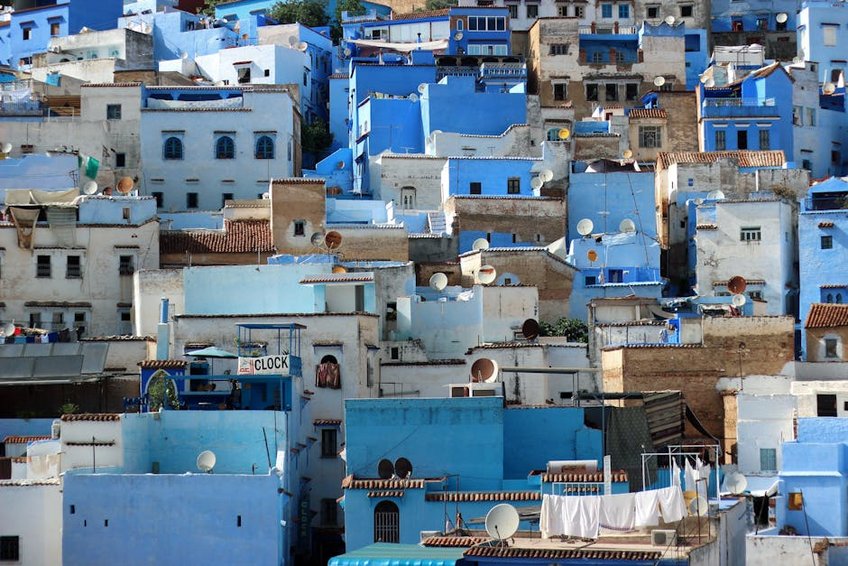
Nestled in Morocco’s Rif Mountains, the Morocco Chefchaouen Blue City captivates visitors with its vibrant blue-washed buildings and rich cultural heritage. This unique destination offers serene mountain views, authentic Moroccan cuisine, and photography opportunities around every cobblestone corner. Your guide covers essential travel tips, budget planning, and hidden gems for an unforgettable visit.
Essential City Information
Founded in 1471, Chefchaouen served as a fortress against Portuguese invasions and later became a refuge for Jewish and Muslim populations. The city’s distinctive blue coloration likely originated from Jewish traditions symbolizing divinity and protection. Today, this chromatic theme creates a visually stunning environment that draws global travelers.
Located approximately 120 kilometers from Tangier, Chefchaouen sits at 600 meters elevation in the Rif Mountains. The Mediterranean climate brings warm summers and cool winters with occasional snowfall. Spring and autumn provide ideal conditions for exploring the medina’s narrow alleyways and mountain trails.
Historical Background and Significance
Understanding Chefchaouen’s past enriches any visit to this remarkable destination.
- The city remained closed to foreigners until 1920, preserving its unique cultural identity and architectural traditions through centuries of isolation.
- Jewish refugees introduced the blue paint tradition in the 1930s, creating the iconic aesthetic that defines the medina’s visual appeal today.
- Spanish influence appears in the architecture and local dialects after the protectorate period from 1924 to 1956.
- Budget travelers spend $50-75 daily staying in hostels or guesthouses, eating street food, and using shared transportation between cities.
- Mid-range visitors allocate $100-150 for private riad accommodations, restaurant meals, and occasional guided tours of the medina and surroundings.
- Luxury experiences cost $200-300+ featuring boutique hotels with mountain views, private guides, and premium dining with traditional entertainment.
- Moroccan National Tourist Office
- Lonely Planet Morocco Guide
Geographical Context and Climate
Chefchaouen’s mountain location creates distinct seasonal variations that affect travel planning. Summer temperatures range from 75°F to 95°F (24°C to 35°C) with low humidity and clear skies perfect for photography. Winter brings cooler conditions between 40°F and 60°F (4°C to 15°C) and occasional rainfall from November through February.
The surrounding Talassemtane National Park offers hiking trails through cork oak forests and dramatic gorges. These natural attractions complement the urban experience with opportunities for outdoor adventure. Always check weather conditions before attempting mountain excursions during your stay.
Cultural Heritage and Traditions
Local artisans maintain traditional crafts including wool weaving, pottery, and leatherwork using centuries-old techniques. The weekly souk every Monday brings farmers and craftspeople from surrounding villages to sell fresh produce and handmade goods. Respectful photography requires asking permission before photographing residents, especially in residential areas.
Islamic traditions influence daily life with calls to prayer echoing through the medina five times daily. Dress modestly by covering shoulders and knees when exploring the city. Learning basic Arabic phrases like “shukran” (thank you) demonstrates cultural appreciation during interactions with locals.
Alt: “chefchaouen-blue-medina-streets-morocco-rif-mountains”
Morocco Chefchaouen Blue City – Planning Your Trip
Successful visits to the Morocco Chefchaouen Blue City require careful timing and accommodation planning several months in advance. The city’s popularity has grown significantly, making early reservations essential during peak seasons. Flexible travelers can find better rates and fewer crowds during shoulder months with minimal climate differences.
Budget between $50-150 daily depending on accommodation style, dining preferences, and activity choices. Street food options provide authentic flavors for under $5, while restaurant meals range from $10-25 per person. Guided tours and transportation constitute additional expenses to include in your overall budget calculations.
Physical preparation helps navigate the medina’s steep, uneven staircases and cobblestone pathways. Comfortable walking shoes with good traction prevent slips on polished surfaces. Lightweight backpacks work better than wheeled luggage for maneuvering through narrow alleyways to your accommodation.
Best Time to Visit Chefchaouen
April through June offers ideal conditions with temperatures between 65°F and 80°F (18°C and 27°C) and minimal rainfall. These months provide comfortable exploration weather before summer heat intensifies in July and August. Hotel rates increase approximately 30% during this popular period, so book three months ahead.
September to November constitutes another excellent window with pleasant temperatures from 60°F to 75°F (15°C to 24°C). The autumn light enhances photography conditions, particularly during golden hour. December through March sees fewer tourists but cooler weather around 50°F (10°C) average with potential rainfall.
Budget Planning and Costs
Daily expenses vary significantly based on travel style and preferences.
Essential Preparation Checklist
Pack lightweight, modest clothing that covers shoulders and knees for cultural respect and sun protection. Include comfortable walking shoes with grip soles for the medina’s steep, slippery staircases. A small daypack carries water, sunscreen, and purchases while leaving hands free for navigating.
US passport holders enjoy visa-free entry for up to 90 days in Morocco, though passports must have six months validity remaining. Purchase comprehensive travel insurance covering medical emergencies and trip cancellations. Learn basic French or Arabic phrases since English availability remains limited outside tourist establishments.
Top Attractions and Activities
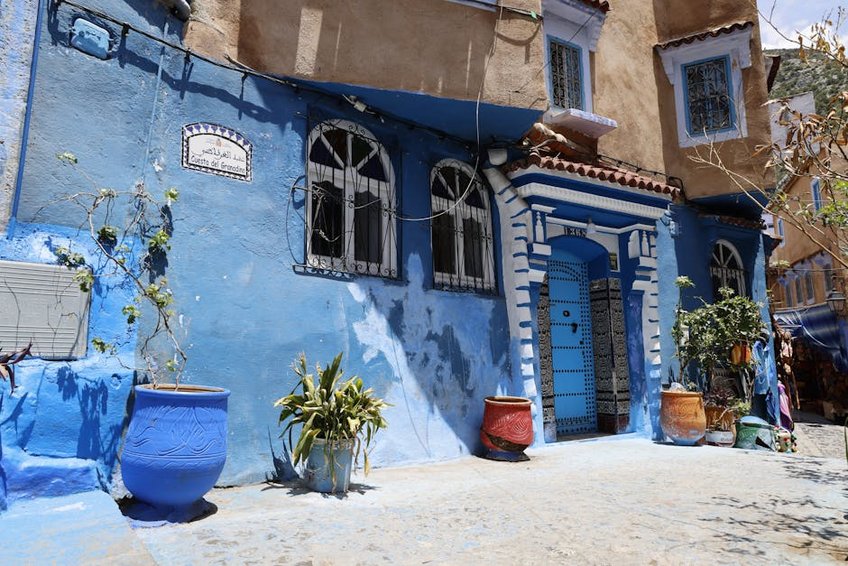
Chefchaouen’s compact medina contains countless photographic opportunities around each blue-washed corner. The Outa el Hammam square serves as the central gathering point with cafes and people-watching spots. From here, wandering through the labyrinthine streets reveals hidden courtyards, artisan workshops, and stunning mountain vistas.
Beyond the blue walls, the surrounding Rif Mountains offer hiking trails with breathtaking valley views. The Akchour Waterfalls trail leads through dramatic gorges to cascading falls and natural swimming pools. Local guides provide valuable insights into regional flora, fauna, and Berber culture during mountain excursions.
Must-See Highlights
The Kasbah Museum in Outa el Hammam square showcases Andalusian gardens, ethnographic exhibits, and a climbable tower with panoramic medina views. Admission costs approximately $2 and provides historical context about the region’s development. Visit early morning to avoid crowds and capture the best photography light.
Ras El Ma spring features natural water sources flowing through ancient channels beside traditional laundries. Local women still wash clothing here using methods unchanged for generations. The area offers cooling mist during hot afternoons and excellent people-watching opportunities away from main tourist paths.
Spanish Mosque perched on the eastern hill provides sunset views over the entire blue city. The 30-minute walk from the medina rewards with spectacular photographic perspectives as evening light illuminates the blue buildings. Arrive one hour before sunset to secure optimal viewing positions.
Hidden Gems and Local Favorites
Discover the Cemetery District where shades of blue vary from sky to cobalt, creating fascinating visual patterns throughout the narrow pathways. This residential area sees fewer tourists, offering authentic glimpses of daily life. Respect privacy by avoiding photography of homes and residents without explicit permission.
Local hammams (bathhouses) provide traditional cleansing experiences for approximately $5-10 including scrub and massage. Hammam El Ain located near Ras El Ma offers authentic facilities separated by gender. Bring your own towel, soap, and change of clothes for this culturally immersive activity.
Photography Tips and Prime Locations
Early morning light between 7-9 AM creates soft shadows and vibrant blue tones without tourist crowds. The medina’s eastern sections receive morning sun while western areas glow during late afternoon. Use polarizing filters to reduce glare and enhance color saturation in your images.
Residential areas feature the most intense blue coloration, particularly in the lower medina near Bab El Ain gate. Wide-angle lenses capture the narrow streets’ perspective while telephoto options isolate architectural details. Always ask permission before photographing people, especially shopkeepers and artisans at work.
Practical Travel Information
Transportation to Chefchaouen typically involves flying into Tangier Ibn Battouta Airport (TNG) or Fes-Saïss Airport (FEZ), then taking a bus or private transfer. CTM and other bus companies provide comfortable services from major cities for $10-20 per journey. Private taxis cost $80-120 but offer flexibility for stops en route.
Accommodation ranges from budget hostels to luxurious riads with traditional architecture and modern amenities. The medina contains the most characterful options though accessing them requires navigating stairs and narrow passages. Modern hotels outside the walls provide easier access but less atmospheric settings.
| Accommodation Type | Features and Location | Price Range (USD) |
|---|---|---|
| Budget Hostels | Dormitory rooms, shared facilities, medina locations | $15-30/night |
| Traditional Riads | Courtyard architecture, breakfast included, central medina | $60-120/night |
| Boutique Hotels | Mountain views, swimming pools, restaurant service | $130-250/night |
| Luxury Properties | Spa facilities, private terraces, concierge services | $300-500/night |