Turkey Halfeti Underwater City: Exploring the Sunken Ruins
The Turkey Halfeti Underwater City represents a unique archaeological site submerged beneath the Euphrates River waters after the Birecik Dam’s completion in 2000. Visitors experience a hauntingly beautiful landscape where ancient structures peek above waterlines alongside modern boat tours navigating flooded streets. This guide covers essential planning details, underwater exploration options, and cultural insights for your Turkish adventure.
Essential Halfeti Information
Halfeti’s transformation began with the Southeastern Anatolia Project (GAP) that flooded historical settlements to create hydroelectric power and irrigation systems. The town’s original core now lies 30-40 meters underwater, preserving Ottoman-era architecture and Roman foundations in an unusual aquatic museum. Local authorities maintain strict preservation guidelines for this protected cultural heritage site.
Geographically, Halfeti occupies a dramatic riverside position in Şanlıurfa Province, where the Euphrates carves through limestone cliffs creating microclimates. Summer temperatures frequently reach 95°F (35°C) while winter averages 45°F (7°C), with water visibility best between April and June. The region’s semi-arid climate supports unique pistachio orchards and vineyards on higher ground.
Historical Timeline and Significance
Understanding Halfeti’s layered history enhances appreciation for its underwater remains.
- Roman Era (2nd century AD): Established as settlement along strategic Euphrates trade routes with visible column foundations and pottery workshops.
- Byzantine Period: Christian community built churches and monasteries, some wall fragments remaining identifiable to trained archaeologists.
- Ottoman Empire (16th-19th centuries): Developed distinctive black stone architecture and became renowned for its quality silk production and river commerce.
- Budget travelers spend $40-60 daily using public transportation, guesthouse accommodations, and self-guided exploration with picnic lunches from local markets.
- Mid-range visitors allocate $80-120 per day for comfortable hotels, guided boat tours, restaurant meals, and potential diving introductions with basic equipment rental.
- Luxury experiences cost $150-250 daily featuring boutique hotel stays, private boat charters, professional diving instruction, and gourmet dining with transportation services.
- Turkish Ministry of Culture and Tourism
- UNESCO World Heritage Tentative List
Geographical Context and Climate
Halfeti sits approximately 50 kilometers from Şanlıurfa city center within Turkey’s southeastern Anatolian region at 380 meters above sea level. The Euphrates reservoir creates a 30-kilometer water body with varying depths from 10-50 meters across different submerged areas. Seasonal temperature fluctuations significantly impact tourism comfort and underwater visibility conditions.
Spring months from March to May offer ideal conditions with water temperatures around 60°F (15°C) and air temperatures averaging 68°F (20°C). Summer brings intense heat exceeding 100°F (38°C) that makes afternoon exploration challenging without proper hydration and sun protection. Winter visits require warm clothing as temperatures drop to 35°F (2°C) with occasional rainfall.
Cultural Importance and Preservation
Local communities maintain strong connections to their submerged heritage through oral histories and traditional fishing practices adapted to the new landscape. UNESCO included Halfeti on its World Heritage Tentative List in 2020, recognizing the site’s unique blend of natural and cultural value. Preservation efforts focus on documenting structures before further erosion and controlling tourist access to fragile areas.
The Turkish Ministry of Culture and Tourism regulates diving activities through licensed operators who follow specific guidelines to protect archaeological integrity. Visitors should respect local customs in this conservative region by dressing modestly and seeking permission before photographing residents. Traditional music and crafts continue in the relocated upper town, where artisans sell handmade textiles and pottery.
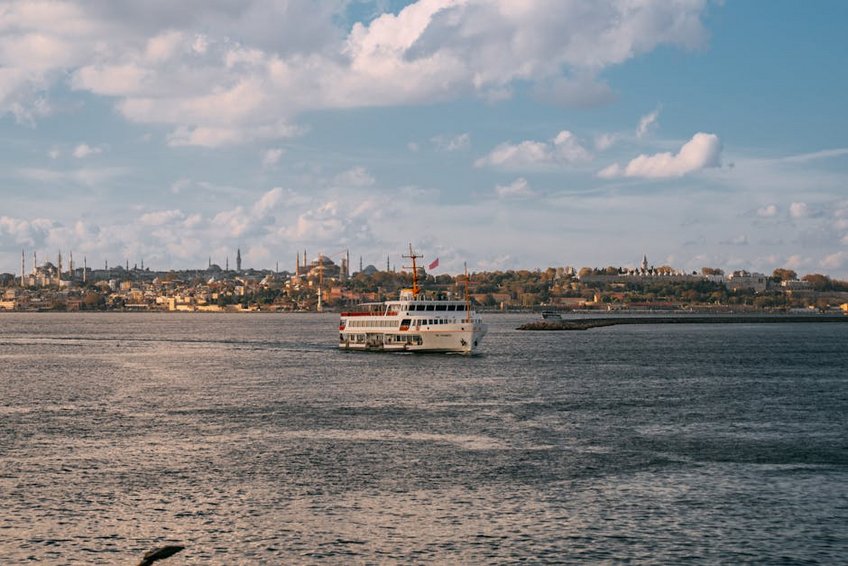
Alt: “halfeti-underwater-city-euphrates-river-submerged-buildings”
Turkey Halfeti Underwater City – Planning Your Trip
Organizing your Turkey Halfeti Underwater City visit requires considering seasonal factors, transportation logistics, and activity preferences for this specialized destination. The submerged archaeological site demands advance bookings for authorized boat tours and potential diving experiences during optimal visibility windows. Budget allocations should account for guided services, accommodation in nearby towns, and potential equipment rentals.
Most international travelers access Halfeti through Şanlıurfa GAP Airport (SFQ), served by domestic flights from Istanbul and Ankara with connecting ground transportation. Alternatively, comfortable bus services operate from major Turkish cities to Şanlıurfa, followed by minibus transfers to Halfeti’s new town location. Visa requirements vary by nationality, with many Western passport holders eligible for e-Visas valid for 90 days.
Best Time to Visit Halfeti
April through June delivers optimal conditions with pleasant air temperatures around 75°F (24°C) and water clarity reaching 8-10 meters for underwater viewing. These months avoid extreme summer heat while providing adequate daylight hours for comprehensive exploration of both submerged and terrestrial sites. Hotel availability remains good before peak domestic tourism in July and August.
September and October offer secondary favorable periods with cooling temperatures averaging 68°F (20°C) and reduced visitor numbers after summer holidays. Winter months from November to February see fewer tourists but require warm clothing for boat tours in 45°F (7°C) conditions with potential rainfall. Water levels fluctuate seasonally, affecting which structures remain visible above the surface.
Budget Planning and Costs
Costs vary significantly based on accommodation style, tour selections, and dining preferences.
Essential Preparation Checklist
Pack quick-dry clothing, sturdy footwear for rocky shores, sun protection including hats and SPF 50 sunscreen, and binoculars for distant structure viewing. Waterproof bags protect electronics during boat tours, while motion sickness medication helps those unaccustomed to river travel. Documentation should include passport copies, travel insurance details, and printed reservation confirmations.
Book guided tours at least two weeks ahead during peak seasons through reputable operators like Halfeti Tour or Euphrates Adventures. Verify your medical insurance covers emergency evacuation and consider supplemental diving insurance if planning underwater activities. Learn basic Turkish phrases for easier communication in this less-touristed region.
Top Attractions and Activities
Halfeti’s primary draw remains the partially submerged old town where minarets and building foundations create surreal silhouettes against the water’s surface. Boat tours navigate through flooded streets, passing identifiable structures like the historic mosque and several Ottoman houses that tell the town’s layered history. Beyond the underwater city, visitors explore relocated villages, riverside cafes, and surrounding natural landscapes.
Local operators offer glass-bottom boat tours providing excellent views of submerged structures without getting wet, ideal for families and non-swimmers. More adventurous travelers can arrange scuba diving experiences to explore deeper archaeological remains with certified instructors. Evening cultural performances in the new town feature traditional Sıra Nights with local music and storytelling.
Must-See Underwater Sites
The Halfeti Mosque minaret stands as the most photographed site, its upper section permanently above water while the prayer hall remains submerged at 15-meter depth. Nearby, the Sunken Gardens reveal stone walls and agricultural terraces now inhabited by freshwater fish species and aquatic plants. Roman bridge foundations appear during low water periods, accessible via specific boat routes.
Deeper exploration reveals complete neighborhood layouts with identifiable streets and house foundations between 20-30 meters depth. The Old Market area contains pottery kilns and merchant stalls preserved in cool, dark waters with minimal current disturbance. Licensed divers can document these sites with special permission from archaeological authorities.
Boat Tours and Diving Experiences
Standard boat tours operate daily from Halfeti’s new town marina, lasting 1-2 hours and costing $15-25 per person with English commentary available. Private charters accommodate smaller groups for $80-120, allowing customization of routes and additional time at specific points of interest. Sunset tours provide dramatic lighting conditions for photography when structures cast long shadows across the water.
Scuba diving requires advance arrangement through authorized operators like Halfeti Dive Center, with introductory dives starting at $65 including equipment. Certified divers can join archaeological documentation dives from $90, though visibility varies seasonally from 5-15 meters. Underwater photography specialists offer guided sessions focusing on optimal angles and lighting for capturing submerged architecture.
Local Villages and Landmarks
Rumkale (Greek Castle) occupies a spectacular peninsula position near Halfeti, featuring Crusader-era fortifications accessible by boat or hiking trails. The castle’s strategic location provides panoramic Euphrates views and showcases multiple architectural styles from various occupying civilizations. Visiting requires 2-3 hours including transportation and exploration time.
Savaşan Village demonstrates traditional stone house architecture with residents maintaining agricultural practices on terraced hillsides above the reservoir. Local guides offer village tours explaining adaptation strategies after flooding, including relocated cemeteries and revised farming techniques. The area’s microclimate produces distinctive black roses, available seasonally from local growers.
Practical Travel Information
Accommodation options range from basic guesthouses in Halfeti’s new town to comfortable hotels in nearby Birecik and Şanlıurfa with more amenities. Transportation relies primarily on minibuses (dolmuş) connecting towns, though rental cars provide flexibility for exploring multiple sites across the region. Dining emphasizes southeastern Turkish cuisine with kebabs, mezes, and local river fish specialties.
Currency exchange facilities remain limited in Halfeti itself, making Şanlıurfa the better option for obtaining Turkish Lira. Credit card acceptance varies, with larger establishments in tourist areas accepting major cards while smaller vendors require cash. English proficiency among local tourism providers continues improving, though basic Turkish phrases enhance communication.
| Category | Options/Features | Price Range (USD) |
|---|---|---|
| Accommodation | Guesthouses with basic amenities, mid-range hotels with river views, boutique cave hotels | $25-150/night |
| Transportation | Public minibuses between towns, rental cars with insurance, private transfers with drivers | $5-80/day |
| Activities | Standard boat tours, glass-bottom boat experiences, guided diving, archaeological tours | $15-120/activity |
| Dining | Local kebab restaurants, riverside fish houses, hotel restaurants, market picnic supplies | $8-35/meal |