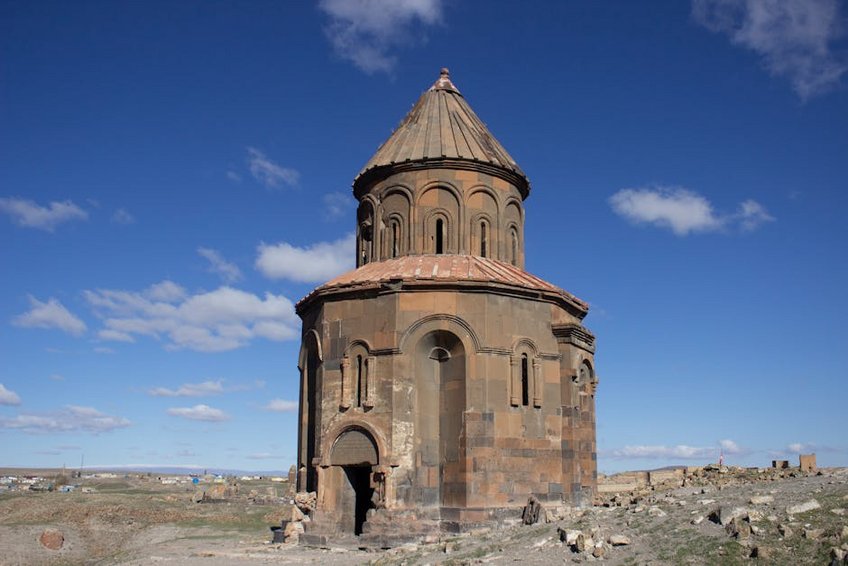
Turkey Ani Ghost City: Popular Tips 2025

Turkey Ani Ghost City: Exploring Ancient Armenian Ruins

Turkey Ani Ghost City offers a hauntingly beautiful journey into medieval history, where crumbling churches and fortress walls whisper tales of Silk Road prosperity and centuries of conflict across the high plateau of Eastern Anatolia. Visiting this UNESCO World Heritage site near the Armenian border reveals remarkably preserved 10th-century architecture, including the iconic Church of the Redeemer and Cathedral of Ani, set against dramatic canyon landscapes that captivate photographers and history enthusiasts alike. This guide covers essential travel planning, must-see ruins, cultural context, and practical tips for navigating this remote archaeological treasure.

Essential Ani Ruins Information

Ani flourished as the capital of the medieval Armenian Bagratuni kingdom between 961 and 1045 CE, controlling vital trade routes that connected Constantinople to Central Asia through its strategic position along the Akhurian River. The city’s golden age produced magnificent structures blending Armenian, Georgian, Byzantine, and Seljuk architectural styles, with population estimates reaching 100,000 residents before Mongol invasions and a devastating 1319 earthquake initiated its decline. Today’s extensive archaeological zone spans approximately 85 hectares with identifiable remains of 25 churches, 20 chapels, 15 bathhouses, and massive defensive walls that survived multiple empires and earthquakes.

Historical Background and Significance

Ani’s historical importance stems from its role as a medieval metropolis where multiple civilizations intersected, creating exceptional architectural innovations that influenced religious buildings across the Caucasus region for centuries.

  • Bagratid Armenian period (884-1045): Ani became known as the “City of 1001 Churches” with advanced urban planning, sophisticated water systems, and magnificent religious architecture that reflected Armenia’s conversion to Christianity in 301 CE.
  • Byzantine and Seljuk periods (1045-1239): Successive conquests introduced new architectural elements like pointed arches and decorative brickwork while maintaining Ani’s status as a major trading hub until the Mongol invasion devastated the city’s economy and infrastructure.
  • Modern preservation efforts: Archaeological excavations began in 1892, with major restoration projects accelerating after UNESCO designation in 2016 stabilized structures like the Cathedral and Church of St. Gregory of Tigran Honents against further deterioration.
  • Location and Geographical Context

    Ani occupies a triangular plateau at approximately 1,400 meters elevation in Turkey’s Kars Province, bordered by steep river canyons that provided natural defenses and dramatic scenic backdrops for the ancient city’s strategic positioning. The archaeological site sits just 45 kilometers east of Kars city and mere hundreds of meters from Turkey’s modern border with Armenia, creating unique geopolitical considerations for visitors accessing this remote eastern region. Summer temperatures range from 60-75°F (16-24°C) while winter brings heavy snow with temperatures dropping to 14°F (-10°C), making seasonal timing crucial for comfortable exploration.

    Cultural and Archaeological Importance

    Ani represents one of the most significant medieval Armenian archaeological sites with exceptional examples of cross-cultural architectural exchange visible in structures like the Mosque of Manuchihr, which combines Seljuk decorative elements with earlier Armenian construction techniques. The city’s multicultural heritage reflects centuries of coexistence between Christian and Muslim communities, with Armenian churches standing alongside Islamic mosques and Seljuk caravanserais that served diverse merchant populations traveling the Silk Road. Modern preservation challenges include combating erosion from harsh plateau winds, stabilizing earthquake-damaged structures, and managing visitor impact on fragile ruins that have survived nearly a millennium of abandonment.
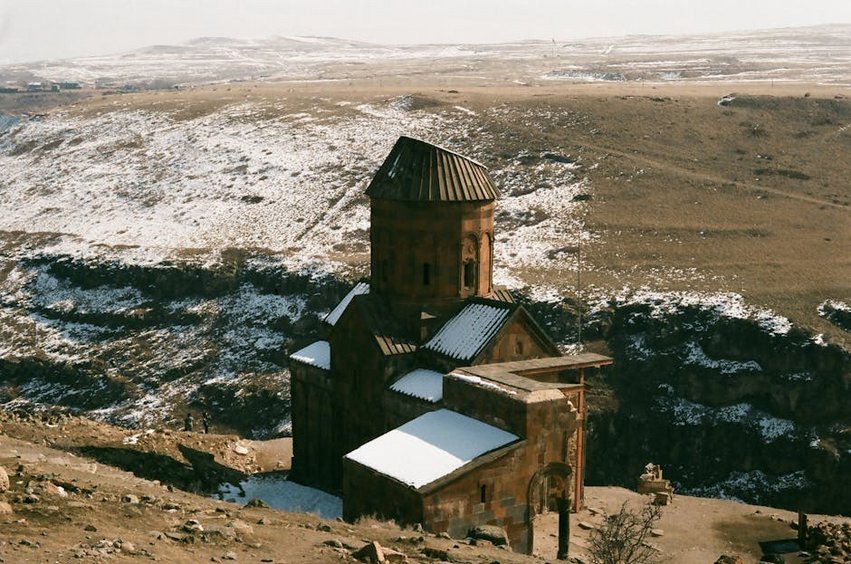
    Turkey Ani Ghost City

    Alt: “ani-cathedral-medieval-armenian-architecture-turkey”

    Turkey Ani Ghost City – Planning Your Trip

    Your Turkey Ani Ghost City experience requires careful advance planning due to the site’s remote eastern location, limited tourist infrastructure, and seasonal accessibility constraints that affect transportation options and visiting conditions throughout the year. Budget approximately $35-50 daily for basic travel expenses including shared transportation from Kars, entry fees, simple meals, and guided tours that provide essential historical context for understanding the complex archaeological remains. Reserve accommodations in Kars city rather than attempting to stay nearer the ruins, as nearby villages offer extremely limited services and the 45-minute drive allows flexible daily visiting schedules.

    Best Time to Visit Ani Ruins

    Visit Ani between late May and early October when daytime temperatures average 65-75°F (18-24°C) and minimal rainfall creates ideal conditions for exploring the extensive outdoor archaeological site across several hours. July and August offer the warmest weather reaching 80°F (27°C) but attract larger tourist groups, while September provides comfortable 60-70°F (16-21°C) temperatures with stunning autumn foliage coloring the surrounding plateau landscapes. Winter visits from November through March prove challenging with heavy snow accumulation, temperatures dropping to 5-20°F (-15 to -7°C), and limited transportation options, though the snow-covered ruins create spectacular photographic opportunities for prepared adventurers.

    Budget Planning and Costs

    Ani visits fit various budget levels through strategic planning around transportation, accommodation choices, and guided service selections that maximize value while ensuring comprehensive site appreciation.

    1. Budget travelers: Allocate $25-40 daily covering shared minibus transport ($8 roundtrip), site entry fee ($5), self-guided exploration, picnic lunches, and hostel accommodation in Kars with advance booking discounts during shoulder seasons.
    2. Mid-range visitors: Plan $45-75 per day including private taxi transfers ($25-35), professional guided tours ($15-25), restaurant meals, comfortable hotel stays in Kars, and additional regional sightseeing to Kars Castle and ancient Armenian churches.
    3. Luxury experiences: Budget $80-150 daily for private drivers, specialized archaeological guides, premium hotels like the Kar’s Ottoman Palace, fine dining, and extended multi-day exploration including nearby Ani Peninsula and Arpaçay border region attractions.
    4. Essential Preparation Checklist

      Pack sturdy walking shoes with ankle support for navigating uneven terrain, layered clothing for changeable plateau weather, sun protection, and at least 2 liters of water since no facilities exist within the archaeological zone itself. Bring your passport for identification checks near the border area, comprehensive travel insurance covering remote medical emergencies, Turkish Lira cash for small vendors, and printed directions since mobile service proves unreliable in this eastern region. Book accommodations 2-3 months ahead for June-September visits, confirm guided tours in advance through reputable operators, and check current border regulations since political situations occasionally affect access to certain perimeter areas.

      Top Attractions and Activities

      Ani’s sprawling archaeological site contains dozens of significant structures spread across three main zones, requiring at least 4-5 hours to properly appreciate the major monuments, defensive walls, and lesser-known ruins that reveal the city’s layered history. The Cathedral of Ani dominates the central area with its still-impressive scale and sophisticated architectural details, while the Church of St. Gregory of Tigran Honents features exceptionally preserved frescoes depicting biblical scenes in vivid colors that survived centuries of exposure. For broader context, combine your Ani exploration with visits to Kars Museum’s excellent artifact collection and the nearby medieval Armenian church at Khtzkonk Monastery accessible through arranged tours.

      Must-See Highlights

      The Cathedral of Ani, completed in 1001 CE, showcases advanced Armenian ecclesiastical architecture with its dramatic dome (partially collapsed), intricate exterior carvings, and innovative structural techniques that influenced church design across the region for centuries. Church of St. Gregory of Tigran Honents presents remarkably intact 13th-century frescoes covering interior walls and ceilings with detailed biblical narratives, while the nearby Church of the Holy Apostles features unique decorative motifs blending Georgian and Armenian artistic traditions. Ani’s massive defensive walls stretch approximately 2.5 kilometers with well-preserved gates, towers, and inscriptions, particularly impressive at the Lion Gate and main entrance where intricate stone carvings depict historical figures and symbolic animals.

      Hidden Gems and Local Favorites

      The Seljuk Palace ruins overlooking the Akhurian River gorge offer spectacular panoramic views and feature distinctive Islamic architectural elements rarely found alongside Christian structures, accessible via a steep path from the main site area. Explore the extensive underground city passages and storage chambers beneath certain sections of Ani, where guided tours reveal sophisticated medieval engineering including ventilation systems, water channels, and hidden escape routes used during sieges. Visit the nearby abandoned Armenian village of Bagaran with its haunting 10th-century church ruins standing in isolated fields, providing additional context about the region’s historical Armenian presence beyond the main archaeological zone.

      Photography and Exploration Tips

      Early morning and late afternoon light creates dramatic shadows and enhances the texture of Ani’s stone structures, while the low-angle sun during winter months produces particularly striking images of snow-dusted ruins against stark landscapes. Use wide-angle lenses to capture the scale of monumental buildings like the Cathedral, while telephoto options help isolate architectural details on distant structures and compress the dramatic canyon backgrounds that frame many compositions. Respect preservation boundaries by avoiding climbing on fragile walls, using tripods only in designated areas, and refraining from flash photography inside fresco-adorned churches where light exposure accelerates deterioration of ancient pigments.

      Practical Travel Information

      Reaching Ani requires flying into Kars Harakani Airport (KSY) from Istanbul or Ankara, then arranging ground transportation for the 45-minute drive to the archaeological site since no public buses serve the route directly from the airport. Accommodation options concentrate in Kars city with basic guesthouses, mid-range hotels, and a few upscale properties, while extremely limited rural lodging exists nearer the ruins themselves, making Kars the practical base for exploration. For more details, read our Eastern Turkey travel guide covering additional destinations like Mount Ararat and Lake Van.

      Getting There and Around

      Fly to Kars Harakani Airport (KSY) via Turkish Airlines or Pegasus Airlines with daily connections from Istanbul (2-hour flight) costing $60-120 roundtrip, then hire taxis or join tours for the 45-kilometer drive to Ani costing $25-40 roundtrip. Rental cars provide flexibility for exploring Ani and surrounding attractions independently, with daily rates starting at $35 for compact vehicles including mandatory insurance for driving in eastern Turkey’s sometimes challenging road conditions. Within the archaeological site, walking represents the only option across approximately 3 kilometers of pathways with significant elevation changes, requiring good physical mobility and comfortable footwear for navigating uneven surfaces between major ruin groups.

      Where to Stay

      Stay in central Kars neighborhoods like Cumhuriyet Caddesi or Ataturk Caddesi for easy access to restaurants, museums, and tour operators offering daily Ani excursions, with hotel options ranging from basic guesthouses to comfortable mid-range properties. The historic Kar’s Ottoman Palace Hotel provides upscale accommodation in a restored 19th-century building with traditional decor, while more modern options like the Grand Ani Hotel offer reliable comfort with helpful staff knowledgeable about arranging Ani visits. Book accommodations 2-3 months in advance for June-September visits when availability becomes limited, and confirm heating systems for early spring or late autumn stays when nighttime temperatures frequently drop below freezing in this high-altitude region.

      Turkey Ani Ghost City

      Alt: “kars-city-accommodation-eastern-turkey-base-ani”

      Food, Culture, and Local Experience

      Kars region cuisine reflects its high-altitude geography and multicultural history with distinctive dairy products like Kars gravyer cheese, hearty meat dishes including kavurma (fried meat), and traditional honey from plateau flowers that thrives in the cool climate. Local culture blends Turkish, Kurdish, and residual Armenian influences visible in architecture, music, and culinary traditions, with residents generally welcoming toward tourists despite the area’s relative isolation from western Turkey’s mainstream tourism circuits. Respect cultural norms by dressing modestly when visiting villages near Ani, asking permission before photographing locals, and understanding the region’s complex history with sensitivity toward different historical narratives about the site’s multicultural past.

      Local Cuisine and Must-Try Dishes

      Sample Kars kashar cheese, a distinctive aged variety produced from grazing sheep milk that features prominently in local breakfast spreads and meze platters served at restaurants like Kars Evleri in the city center. Try hengel, a traditional pasta dish specific to the region featuring handmade dough squares served with garlic yogurt and meat sauces, typically found at family-run establishments rather than tourist-oriented restaurants. Visit the Kars Cheese Museum to understand local dairy traditions, then enjoy honey tasting at nearby apiaries where cool summer temperatures produce uniquely flavored artisanal varieties that make excellent edible souvenirs from your eastern Turkey travels.

      Cultural Tips and Etiquette

      Dress conservatively when exploring villages near Ani, with women avoiding shorts or sleeveless tops and men opting for trousers rather than shorts, though more relaxed standards apply within the archaeological site itself during tourist hours. Practice standard Turkish greeting customs with handshakes followed by placing your right hand over your heart, use basic Turkish phrases like “merhaba” (hello) and “teÅŸekkür ederim” (thank you), and accept tea invitations when offered as this represents important hospitality traditions. Tip restaurant staff 5-10% for good service, round up taxi fares, and provide small amounts to guided tour operators beyond agreed prices when service exceeds expectations, though bargaining remains appropriate at markets and with independent drivers.

      Historical Context and Preservation

      Understand Ani’s significance within broader Armenian history by visiting Kars Museum’s excellent collection of artifacts from the site, including khachkars (cross-stones) with intricate carvings that represent unique Armenian religious art forms. Current preservation efforts focus on structural stabilization using traditional techniques and materials where possible, with ongoing archaeological excavations gradually revealing additional sections of the city that help scholars better understand medieval urban planning and daily life. Respect site regulations by not climbing on fragile structures, staying on marked pathways, and refraining from touching frescoes or inscriptions where skin oils and repeated contact accelerate the deterioration of these irreplaceable historical treasures.

      Sources and References

      • Turkish Ministry of Culture and Tourism Ani Portal
      • UNESCO World Heritage Centre Ani Listing
      • Frequently Asked Questions

        When is the best time to visit Ani for photography?

        Visit Ani between May and September for optimal photography conditions with 12-14 hours of daylight, comfortable 60-75°F (16-24°C) temperatures, and dramatic cloud formations that enhance landscape compositions. Early morning and late afternoon light creates particularly striking images during June when the sun rises around 4:30 AM and sets after 8 PM, providing extended golden hours for capturing the ruins’ textures and shadows. Winter visits offer unique snow-covered scenes but require specialized cold-weather gear and acceptance of limited access during heavy snowfall from December through February.

        How much does visiting Ani cost?

        Visiting Ani costs $25-75 per person daily depending on transportation choices, accommodation level, and guided service selections, with site entry fees fixed at approximately $5 per adult. Budget travelers can manage with $25-40 daily using shared transportation and basic accommodations, while mid-range visitors spending $45-75 access better comfort and professional guides. Luxury experiences including private drivers and specialized archaeological tours range from $80-150 daily, with additional costs for extended regional exploration beyond the main archaeological zone.

        How many days do you need for Ani?

        Plan 2-3 days minimum to properly experience Ani’s extensive ruins and surrounding attractions, with one full day dedicated to the archaeological site itself and additional time for Kars Museum and regional Armenian churches. Dedicated history enthusiasts might extend to 4-5 days for comprehensive exploration including lesser-known structures, multiple photography sessions in different light conditions, and visits to nearby sites like Khtzkonk Monastery and the Arpaçay border region. Single-day visits from Kars prove possible but feel rushed for appreciating the site’s scale and historical complexity across its 85-hectare expanse.

        How do you get to Ani?

        Fly into Kars Harakani Airport (KSY) from Istanbul or Ankara, then arrange ground transportation for the 45-minute drive covering 45 kilometers to the archaeological site entrance near the Turkish-Armenian border. Rental cars provide flexibility for $35-50 daily, while shared minibuses cost $8-12 per person roundtrip from Kars otogar (bus station), and private taxi transfers range $25-40 depending on negotiation and waiting time requirements. No direct public transportation serves Ani from Kars airport, requiring connection through the city center regardless of your chosen travel method.

        Where should you stay for visiting Ani?

        Stay in central Kars neighborhoods for optimal Ani access, with budget options like Berlin Pension offering basic rooms from $15 nightly and mid-range hotels such as Hotel Cheltikov providing reliable comfort from $35-60 per night. The historic Kar’s Ottoman Palace Hotel represents the premium option at $100-150 nightly with traditional architecture and concierge services for arranging specialized tours to the ruins and surrounding historical sites. Avoid attempting accommodation nearer Ani itself since nearby villages offer extremely limited services, making Kars city the only practical base despite the daily commute to the archaeological zone.

        Is Ani safe for travelers?

        Yes, Ani maintains good safety standards with regular site security, well-marked pathways, and generally stable conditions in eastern Turkey’s Kars province, though standard precautions apply for remote travel. The archaeological zone operates with clearly defined visitor areas and restricted sections near the sensitive border region, while Kars city presents typical urban safety considerations without significant crime concerns targeting tourists. Check current travel advisories before visiting since political situations occasionally affect border area access, and ensure comprehensive travel insurance covers remote medical emergencies in this region with limited healthcare facilities.

        Do you need special preparation for visiting Ani?

        Yes, you need sturdy walking shoes, layered clothing, sun protection, and adequate water supplies since the extensive outdoor site lacks facilities and features challenging terrain across 85 hectares of archaeological remains. Bring your passport for identification checks near the border, Turkish Lira cash for entry fees and local vendors, and printed reservations since mobile service proves unreliable in this remote eastern region. Physical preparation helps with navigating uneven pathways and significant elevation changes, while advance reading about Armenian and Seljuk history enhances appreciation of the site’s architectural and cultural significance beyond superficial ruin viewing.

        Final Travel Recommendations

        Ani delivers unparalleled medieval archaeological immersion through remarkably preserved structures spanning multiple civilizations across a dramatic plateau landscape that rewards patient exploration beyond the most famous cathedral and church ruins. Your Turkey Ani Ghost City visit succeeds with advance accommodation bookings in Kars, strategic timing between May and October, and professional guided context for understanding the site’s complex historical layers across Armenian, Byzantine, and Seljuk periods. Which architectural era most captivates your historical imagination for focused photography and study during exploration?

        Related Stories

        spot_img

        Discover

        Top Chile Atacama Desert Bloom Journey 10 Tips

        Chile Atacama Desert Bloom: Witness the Driest Place on Earth Come Alive Experiencing the Chile...

        Essential Arizona Cactus Bloom Season Experience 10 Tips

        Arizona Cactus Bloom Season: Your Guide to the Desert's Colorful Show The Arizona cactus bloom...

        Essential California Poppy Super Bloom Journey 10 Tips

        California Poppy Super Bloom: Your Ultimate Guide to Witnessing Nature's Orange Spectacle The California poppy...

        Perfect American Southwest Desert Wildflowers Adventure 12

        American Southwest Desert Wildflowers: Your Guide to the Seasonal Spectacle Witnessing the American Southwest desert...

        Complete China Luoyang Peony Festival Experience 12 Tips

        Luoyang Peony Festival: China's Spring Bloom Spectacle The annual Luoyang Peony Festival transforms this ancient...

        South Korea Jinhae Cherry Blossom Festival: 3 Essential

        South Korea Jinhae Cherry Blossom Festival: Your Guide to the Pink Canopy The South Korea...

        Popular Categories

        Comments

        LEAVE A REPLY

        Please enter your comment!
        Please enter your name here

      Accommodation Type Features and Location Price Range (USD)
      Budget Guesthouses Basic rooms in Kars city center, shared bathrooms, simple breakfast included, walking distance to restaurants $15-30/night
      Mid-Range Hotels Private bathrooms, heating, WiFi, on-site restaurants, tour booking services, central Kars locations $35-65/night
      Boutique Hotels Converted historic buildings, authentic decor, premium amenities, guided tour packages, airport transfers $70-120/night
      Luxury Properties Swimming pools, spas, fine dining, concierge services, private guided tours, chauffeured transportation $130-200/night