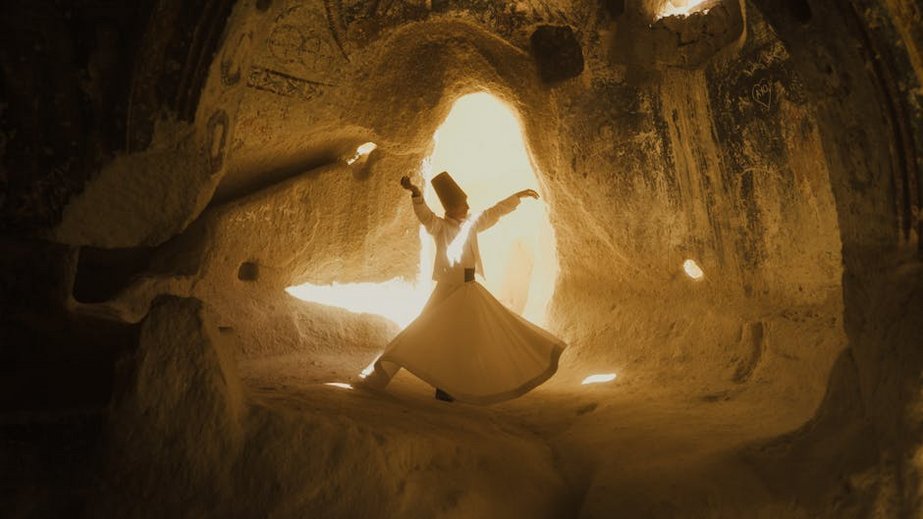
Turkey Cappadocia Cave Hotels – Unique Rock Stays
Staying in Turkey Cappadocia cave hotels immerses you in ancient history while providing modern luxury accommodations carved directly into volcanic rock formations. These unique properties blend centuries-old architecture with contemporary amenities like heated pools, spa facilities, and panoramic terraces overlooking the otherworldly landscape. This guide covers everything from selecting the perfect cave hotel to planning your entire Cappadocia itinerary around these remarkable accommodations.
Essential Cappadocia Cave Hotel Information
Cappadocia’s cave hotels represent one of Turkey’s most distinctive accommodation experiences, featuring rooms carved into soft tuff rock over centuries by early Christian communities. The region’s unique geology created these natural cave structures, which locals began converting into hotels during the 1990s tourism boom. Today, these properties range from basic guesthouses to luxury resorts, all maintaining the authentic cave atmosphere while adding modern comforts.
What Makes Cave Hotels Special
Cave accommodations offer natural insulation that keeps rooms cool in summer and warm in winter, creating comfortable temperatures year-round. The thick rock walls provide exceptional soundproofing and a uniquely tranquil environment that standard hotels cannot match. Many properties incorporate original features like hand-carved niches, ancient frescoes, and traditional Ottoman decor alongside contemporary luxury amenities.
- Natural temperature regulation maintains 60-70°F (16-21°C) inside regardless of external weather conditions, reducing heating and cooling costs while enhancing comfort.
- Historic architecture features original stone carvings, arched ceilings, and sometimes ancient Christian symbols preserved from the region’s early inhabitants.
- Modern luxury amenities include rainfall showers, jacuzzi tubs, Wi-Fi, and climate control systems integrated seamlessly into the ancient structures.
- Budget cave hotels cost $50-100 nightly offering basic rooms carved into rock with shared bathrooms, simple breakfast, and central village locations ideal for backpackers and budget-conscious travelers.
- Mid-range properties charge $100-250 per night featuring private bathrooms, authentic decor, swimming pools, and enhanced services like airport transfers and guided tour arrangements.
- Luxury cave hotels range from $300-800 nightly providing spacious suites with private terraces, jacuzzis, fine dining restaurants, spa facilities, and exclusive experiences like private hot air balloon flights.
- Turkish Ministry of Culture and Tourism
- Lonely Planet Cappadocia Guide
Historical Background and Preservation
Cappadocia’s cave dwellings date back to the 4th century when early Christians carved entire underground cities and monasteries to escape persecution. The Göreme Valley alone contains over 30 rock-carved churches with Byzantine frescoes, demonstrating the area’s significance as a religious center. Local families began converting these historic structures into guest accommodations in the 1980s, carefully preserving the original architecture while making them suitable for modern travelers.
Today, the Turkish government regulates cave hotel renovations to protect the region’s cultural heritage, requiring owners to maintain structural integrity and historical authenticity. Many hotels display information about their specific history, with some rooms located in former churches, monasteries, or homes dating back centuries. This careful balance between preservation and modernization creates accommodations unlike any others in the world.
Regional Distribution and Locations
Most cave hotels cluster in three main areas: Göreme village offers the highest concentration with easy access to popular attractions and balloon launch sites. Ürgüp provides more upscale options with sophisticated dining and shopping, while Uçhisar features luxury properties with dramatic castle views. Each location provides different advantages depending on your travel preferences and itinerary priorities.
Göreme’s central location makes it ideal for first-time visitors who want walking access to restaurants, shops, and tour departure points. Ürgüp appeals to travelers seeking refined amenities and quieter surroundings, while Uçhisar delivers breathtaking panoramas from Turkey’s highest point in Cappadocia. Transportation between these villages is straightforward with regular dolmuş (shared minibus) service operating throughout the day.
Turkey Cappadocia Cave Hotels – Planning Your Trip
Choosing the right Turkey Cappadocia cave hotels requires considering your budget, travel style, and desired amenities across different property categories. Budget options start around $50 nightly offering basic cave rooms with shared facilities, while mid-range properties between $100-200 provide private bathrooms and additional comforts. Luxury cave hotels exceeding $300 per night feature suites with private terraces, heated pools, and exclusive services like private balloon rides.
Booking timing significantly impacts availability and pricing, with peak season between April and October requiring reservations 3-6 months in advance for the best properties. Shoulder months of March and November offer lower rates and fewer crowds while still providing pleasant weather for exploring the outdoor attractions. Winter visits from December to February deliver the lowest prices but require preparation for cold temperatures and potential snow.
Consider your accommodation priorities: some travelers prefer authentic historic caves with minimal modifications, while others want luxury amenities seamlessly integrated into the rock structures. Location matters tremendously since many cave hotels require uphill walks or taxi rides to reach village centers, particularly in Uçhisar where the terrain is more challenging.
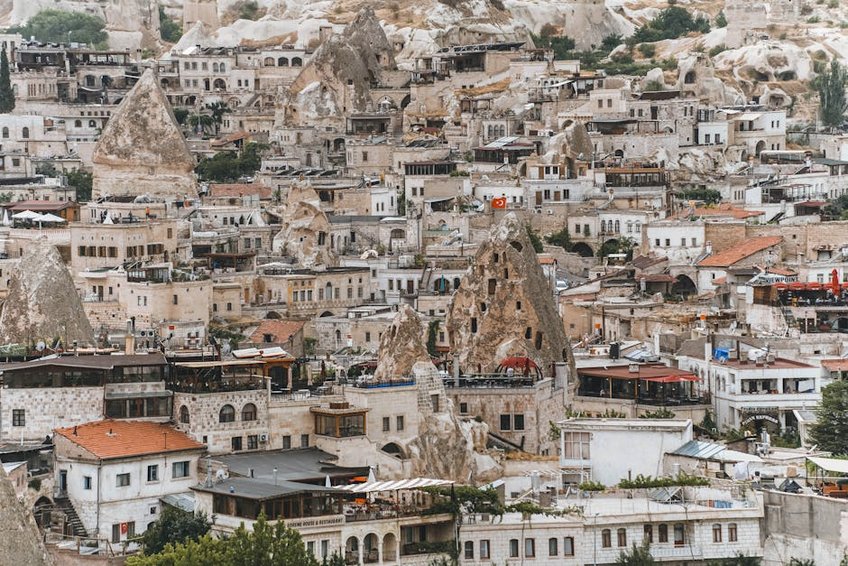
Alt: “cappadocia-cave-hotel-exterior-rock-facade-terrace”
Best Time to Visit Cappadocia for Cave Stays
April through June delivers ideal weather with daytime temperatures of 65-75°F (18-24°C) perfect for outdoor exploration and balloon flights operating consistently. These spring months feature blooming wildflowers across the valleys and longer daylight hours for extended sightseeing, though advance bookings become essential. July and August bring hotter conditions reaching 85°F (29°C) but offer the most reliable ballooning weather and vibrant evening atmosphere.
September and October provide comfortable temperatures around 70°F (21°C) with stunning autumn colors across the landscape and fewer crowds than summer months. Winter from November to March sees temperatures drop to 30-45°F (-1 to 7°C) with occasional snow creating magical scenery but higher balloon cancellation rates. Each season offers distinct advantages depending on whether you prioritize weather, crowds, or photography conditions.
Budget Planning and Costs
Your accommodation budget should account for seasonal pricing variations and included amenities when selecting cave hotels.
Essential Preparation Checklist
Pack layers regardless of season since cave hotels maintain steady temperatures while outdoor conditions vary dramatically throughout the day. Include comfortable walking shoes with good traction for uneven paths, a headlamp for exploring darker cave areas, and adapters for Turkish-style round-prong electrical outlets. Download offline maps since some cave hotels have limited cell reception deep within rock formations.
Book balloon flights directly through reputable companies like Royal Balloon or Kapadokya Balloons rather than third-party sites to ensure safety standards and better cancellation policies. Arrange airport transfers in advance since many cave hotels offer this service more reliably than taxis, particularly if arriving after dark. Confirm your hotel’s exact location and accessibility since some require climbing stairs or walking along unpaved paths unsuitable for luggage wheels.
Top Cappadocia Attractions and Activities
Cappadocia’s unique landscape offers countless experiences beyond cave hotel stays, with hot air ballooning representing the region’s most iconic activity. The Göreme Open Air Museum showcases spectacular rock-cut churches with well-preserved Byzantine frescoes dating from the 10th to 12th centuries. Underground cities like Derinkuyu and Kaymaklı descend multiple levels beneath the earth, revealing ancient communities that housed thousands of people.
Valley hikes through Rose Valley, Love Valley, and Pigeon Valley provide stunning scenery with distinctive fairy chimneys, rock formations, and hidden churches accessible only on foot. Traditional Turkish baths (hamams) offer authentic relaxation experiences, while pottery workshops in Avanos demonstrate centuries-old ceramic techniques using local red clay. Evening entertainment includes traditional Turkish folk dances and whirling dervish performances that showcase the region’s cultural heritage.
Must-See Highlights
Hot air balloon rides at sunrise provide breathtaking aerial views over Cappadocia’s entire landscape, with flights operating weather permitting year-round. The Göreme Open Air Museum requires at least two hours to explore properly, with the Dark Church containing the best-preserved frescoes requiring separate admission. Pasabag Valley features the most impressive fairy chimney formations, while Devrent Valley showcases natural rock shapes resembling animals and objects.
Uçhisar Castle stands as the region’s highest point, offering panoramic views across Cappadocia though requiring climbing steep paths and narrow staircases. The underground cities descend up to eight levels with Derinkuyu extending 280 feet deep, though claustrophobic visitors should explore only the upper levels. Avanos pottery demonstrations along the Red River provide cultural insights and shopping opportunities for authentic handmade ceramics.
Hidden Gems and Local Favorites
Sobesos Excavation Site reveals recently discovered Roman mosaics and bathhouses that receive far fewer visitors than major attractions. The Zelve Open Air Museum features abandoned cave dwellings spread across three valleys with fewer crowds than Göreme but equally impressive architecture. Ihlara Valley combines a stunning canyon with a river running through it, plus numerous rock-cut churches accessible via a dramatic descent.
Local workshops in Mustafapaşa offer carpet weaving demonstrations and Turkish delight making classes in a traditional village setting away from tourist crowds. Sunset at Red Valley provides spectacular color changes across the rock formations with viewpoints accessible via short hikes from Göreme. Traditional Turkish breakfast at family-run restaurants in Ortahisar delivers authentic flavors while supporting local businesses beyond the main tourist areas.
Hot Air Balloon Experience Details
Balloon flights operate year-round weather permitting, with standard flights lasting 60-75 minutes costing $180-250 per person including hotel transfer and champagne celebration. Premium flights offering smaller baskets and longer durations up to 90 minutes cost $300-350 with enhanced photography opportunities and more personalized service. Booking directly through established companies ensures proper insurance coverage and experienced pilots trained specifically for Cappadocia’s unique wind conditions.
Flights typically depart before sunrise to capture the best light and calmest winds, requiring early morning hotel pickups around 4:30-5:00 AM depending on your location. Dress in layers since temperatures aloft can be chilly even in summer, and wear comfortable shoes suitable for standing in the basket throughout the flight. Photography enthusiasts should bring wide-angle lenses to capture the expansive landscape and multiple balloons sharing the sky during peak season.
Practical Travel Information
Getting to Cappadocia involves flying into either Kayseri (ASR) or Nevşehir (NAV) airports, with direct flights from Istanbul taking approximately 90 minutes. Several airlines including Turkish Airlines and Pegasus operate regular routes, with airport transfers to cave hotels taking 60-90 minutes depending on your final destination. Renting a car provides flexibility for exploring remote valleys, though many visitors find organized tours and local transportation sufficient for primary attractions.
Accommodation options span from basic cave hostels to ultra-luxury properties, with location significantly impacting your daily experience and transportation needs. Göreme offers the most convenient base with walking access to restaurants, shops, and tour operators, while Uçhisar provides more seclusion and dramatic views. Ürgüp strikes a balance with upscale amenities while remaining centrally located for exploring the wider region.
| Hotel Category | Features and Amenities | Price Range (USD) |
|---|---|---|
| Budget Cave Hotels | Basic rock rooms, shared bathrooms, simple breakfast, central locations in Göreme | $50-100/night |
| Mid-Range Properties | Private bathrooms, authentic decor, swimming pools, airport transfers, tour assistance | $100-250/night |
| Luxury Cave Hotels | Spacious suites, private terraces, jacuzzis, fine dining, spa facilities, exclusive experiences | $300-800/night |
| Boutique Cave Hotels | Historic architecture, personalized service, unique designs, limited rooms, cultural activities | $200-400/night |