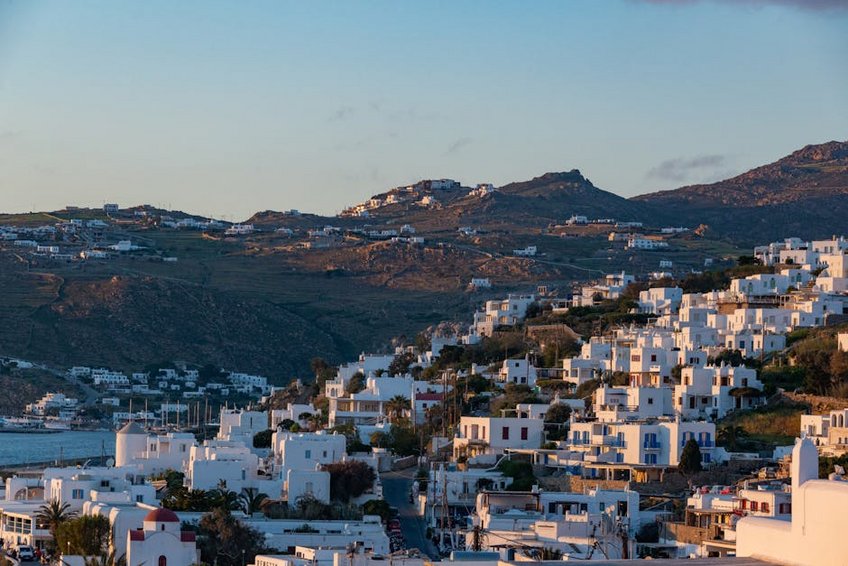
Mykonos Windmills Sunset: Capturing the Golden Hour in Greece
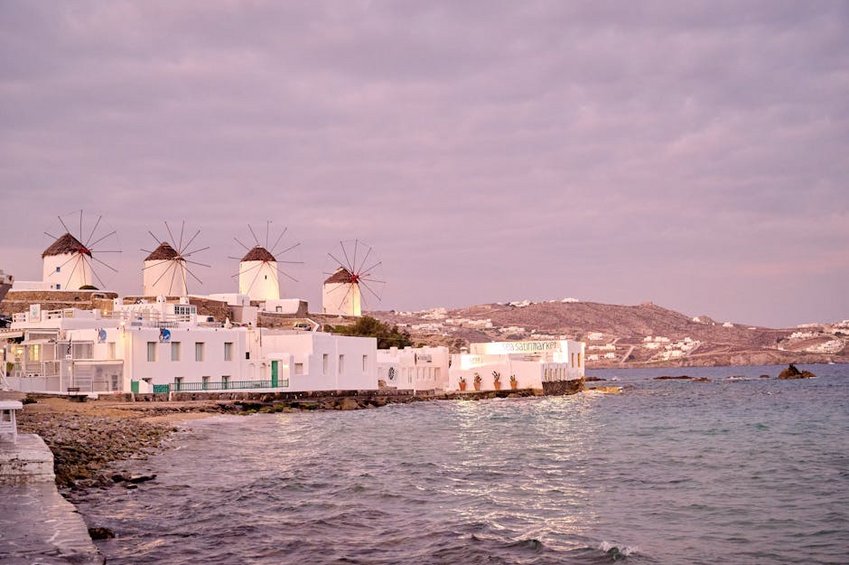
The Mykonos windmills sunset represents one of Greece’s most iconic photographic moments, blending historical architecture with breathtaking Aegean light. Your visit combines panoramic views from Kato Mili hill with the vibrant atmosphere of Little Venice’s waterfront cafes just below the landmark mills. This guide covers optimal timing, photography techniques, and local insights for experiencing this world-famous spectacle at its best.
Essential Mykonos Windmills Information
The sixteen windmills of Mykonos date primarily to the 16th century, constructed by Venetians during their occupation of the Cyclades islands. These whitewashed stone structures with wooden roofs once ground local wheat using the strong northern winds, serving as the island’s economic engine until the early 20th century. Today, seven preserved mills stand prominently along the ridge overlooking Chora’s old town.
Kato Mili (Lower Mills) forms the famous photographic lineup facing the western sunset, while Boni’s Windmill operates as a agricultural museum with historical exhibits. The mills’ strategic hillside positioning captures both sea breezes and panoramic views across the harbor. Their cultural significance earned them protected monument status under Greek heritage laws.
Windmill Locations and Viewing Areas
Three primary zones offer different perspectives of the sunset spectacle.
- Kato Mili promenade provides direct frontal views of all seven windmills with the sun setting directly behind them, creating classic silhouette shots from 5:30 PM in summer.
- Little Venice waterfront positions you slightly below the mills with reflections in the water, though buildings may partially block views during peak hours.
- Scarpa Bar terrace offers elevated drinks with panoramic vistas, requiring early arrival for prime seating during golden hour photography sessions.
- Budget travelers spend $70-120 daily, staying in hostels or inland apartments, using public buses ($2), and picnicking with supermarket purchases while enjoying free sunset viewing from public areas.
- Mid-range visitors allocate $150-300 per day for three-star hotels in Tourlos, scooter rentals ($25), and casual taverna dinners ($35) combined with reserved cafe seating during sunset hours.
- Luxury experiences cost $400-800 daily, featuring five-star hotels in Little Venice, private yacht sunset tours ($200), and fine dining with direct windmill views from premium restaurant terraces.
- Official Mykonos Municipality Tourism Portal
- Greeka Comprehensive Mykonos Guide
Historical Significance and Preservation
Venetian engineers constructed these cylindrical towers between 1580 and 1700, using local stone and imported Mediterranean cedar for the sails and mechanisms. The mills operated commercially until the 1930s, when industrial flour production made them economically obsolete. Restoration projects in the 1960s and 1990s stabilized the structures while maintaining original architectural features.
Preservation guidelines limit physical access to most windmills, though visitors can photograph exteriors freely throughout daylight hours. The Mills of Kato Mili received European heritage funding in 2018 for structural reinforcement and tourist pathway improvements. Ongoing maintenance occurs during winter months when visitor numbers decrease significantly.
Photography Conditions and Challenges
Summer months bring intense midday light that washes out the white architecture, making late afternoon ideal for capturing texture and shadow details. Northern meltemi winds frequently create challenging shooting conditions, requiring lens protection and stable tripod setups. Evening crowds begin forming two hours before sunset, securing prime positions along the stone pathways.
Professional photographers recommend polarizing filters to manage the strong reflective light from white buildings and sea surfaces. The golden hour before sunset provides warm, directional light that accentuates the windmills’ cylindrical forms against the darkening sky. Night photography requires fast lenses or tripods as available lighting remains limited around the structures.
Alt: “mykonos-windmills-sunset-silhouette-aegean-sea”
Planning Your Mykonos Windmills Sunset Trip
Your Mykonos windmills sunset experience benefits significantly from strategic scheduling around seasonal weather patterns and cruise ship arrivals. Summer months between June and August deliver reliably clear skies but also maximum crowds, requiring earlier arrival times for optimal positioning. Shoulder seasons in May and September offer comfortable temperatures with fewer visitors, though occasional cloudy evenings might affect photography conditions.
Budget considerations should account for premium pricing during July and August, when accommodation rates increase 40-60% compared to spring and autumn months. The experience itself remains free, but nearby cafes and bars implement minimum consumption requirements during sunset hours. Advanced restaurant reservations in Little Venice secure the best combined dining and viewing experiences.
Best Time to Visit for Sunset Photography
June through August provides the most predictable sunset conditions, with skies clearing 85% of evenings and sunset times between 8:15 PM and 8:40 PM local time. Daytime temperatures range from 75°F to 85°F (24°C to 29°C) with low humidity, though strong afternoon winds may affect camera stability. These months also coincide with peak tourism, creating crowded conditions along the windmill promenade.
April-May and September-October offer pleasant alternatives with temperatures between 65°F and 75°F (18°C to 24°C) and sunset times shifting earlier to 7:00 PM-7:45 PM. Visitor numbers decrease approximately 30% during these shoulder periods, providing more flexible positioning. Cloud cover increases to 25% likelihood in spring and autumn, creating dramatic skyscapes but less reliable golden hour light.
Budget Planning and Costs
Mykonos offers options across price ranges, though sunset viewing remains accessible to all budgets.
Essential Preparation Checklist
Pack stable tripods and lens hoods to manage the characteristic meltemi winds that frequently blow across the windmill ridge during afternoon hours. Camera equipment should include wide-angle lenses (16-35mm) for environmental shots and telephoto options (70-200mm) for compressing the windmill lineup against the sunset. Backup batteries and memory cards ensure you capture the entire color transition from golden hour through blue hour.
European travelers need only valid ID, while US passport holders require no visa for stays under 90 days in Greece’s Schengen area. Comprehensive travel insurance should cover equipment protection and trip interruptions, particularly during peak season when ferry cancellations occasionally occur. Book accommodations three months ahead for summer visits, confirming cancellation policies given weather dependencies.
Top Mykonos Attractions and Activities
Beyond the iconic sunset moment, Mykonos delivers diverse experiences from archaeological sites to vibrant beach clubs, all accessible within the compact island geography. Ancient Delos UNESCO site sits just a 30-minute boat ride away, featuring extensive ruins from one of Greece’s most important mythological and commercial centers. The island’s famous beaches cater to different preferences, from party-focused Paradise Beach to family-friendly Ornos Bay with calm waters and water sports.
Mykonos Town (Chora) presents a labyrinthine old quarter with whitewashed cubic buildings, blue-domed churches, and boutique shopping along narrow pedestrian streets. Cultural institutions like the Aegean Maritime Museum and Agricultural Museum offer air-conditioned respite during hot afternoons while providing historical context. Evening entertainment ranges from sophisticated cocktail bars to traditional Greek music venues, creating a vibrant nightlife scene.
Must-See Highlights Beyond the Windmills
Little Venice’s colorful 18th-century merchant houses built directly at water’s edge create one of the Mediterranean’s most photographed scenes, particularly during late afternoon when waves splash against basement galleries. The adjacent Paraportiani Church complex represents five separate churches merged architecturally over centuries, forming a brilliant white sculptural mass against the blue sky. Both sites sit within five minutes’ walk from the windmills, enabling efficient itinerary planning.
Archaeological site of Delos provides a full-day excursion showcasing ancient Greek civilization through remarkably preserved mosaics, temples, and theater structures. Regular ferries depart from Mykonos Old Port at 9:00 AM, returning by 3:00 PM, with admission costing $12 including museum access. Ano Mera village in the island’s center offers authentic monastic life at Panagia Tourliani Monastery, plus traditional tavernas serving wood-fired oven specialties.
Hidden Gems and Local Favorites
Fokos Beach on the northeastern coast remains relatively undeveloped, featuring a single traditional taverna and calm waters ideal for swimming without crowds. Access requires rental car or ATV navigation along partially paved roads, but rewards with serene natural surroundings. The Armenistis Lighthouse at the island’s northern tip provides spectacular sunset views alternative to the windmills, with dramatically different perspectives across the channel to Tinos.
Local fishermen gather early mornings at the Old Port fish market, where visitors can purchase fresh catch and have nearby restaurants prepare it for lunch. The Rarity Gallery in Mykonos Town showcases contemporary Greek artists in a sophisticated setting, offering cultural depth beyond the typical souvenir shopping. These authentic experiences balance the island’s famous nightlife and beach club scene.
Beach Hopping and Water Activities
Mykonos delivers diverse coastal experiences across its southern shoreline, where organized beaches offer amenities while remote coves provide solitude. Super Paradise Beach combines dramatic scenery with vibrant day club atmosphere, featuring DJ performances, luxury sunbed rentals ($50), and crystal-clear waters. Elia Beach extends nearly a kilometer with family-friendly shallow sections, water sports facilities, and multiple dining options.
Water taxi services connect major beaches throughout daytime hours, enabling efficient exploration without returning to town between stops. Scuba diving centers at Psarou and Platys Gialos introduce beginners to Mediterranean marine life, while experienced divers can explore nearby wrecks. Sailing excursions circumnavigate the island, providing unique perspectives of the windmills from the water during late afternoon approaches.
Practical Mykonos Travel Information
Mykonos International Airport (JMK) receives seasonal direct flights from major European hubs plus connecting services through Athens year-round, with flight times averaging 3.5 hours from London or Paris. The compact island measures just 85 square kilometers, making most destinations accessible within 30 minutes by vehicle from the main town. Public bus services operate frequently between major beaches and Chora, though schedules reduce during evening hours.
Accommodation distribution favors Mykonos Town for first-time visitors seeking walkable access to windmills, restaurants, and nightlife, while beach areas suit travelers prioritizing coastal relaxation. Car and ATV rentals provide flexibility for exploring remote beaches and villages, with daily rates starting at $35 for basic models during shoulder seasons. Advanced reservations prove essential for summer visits, particularly for preferred vehicle categories and hotel locations.
| Category | Options/Features | Price Range (USD) |
|---|---|---|
| Accommodation | Mykonos Town hotels, beach resorts, inland villas with pools, traditional studios | $120-600/night |
| Transportation | Public buses, rental cars/ATVs, taxis, private transfers, water taxis | $2-150/day |
| Dining | Waterfront seafood, traditional tavernas, international cuisine, casual gyros spots | $15-100/meal |
| Activities | Beach clubs, archaeological tours, water sports, sailing trips, nightlife | $25-300/experience |