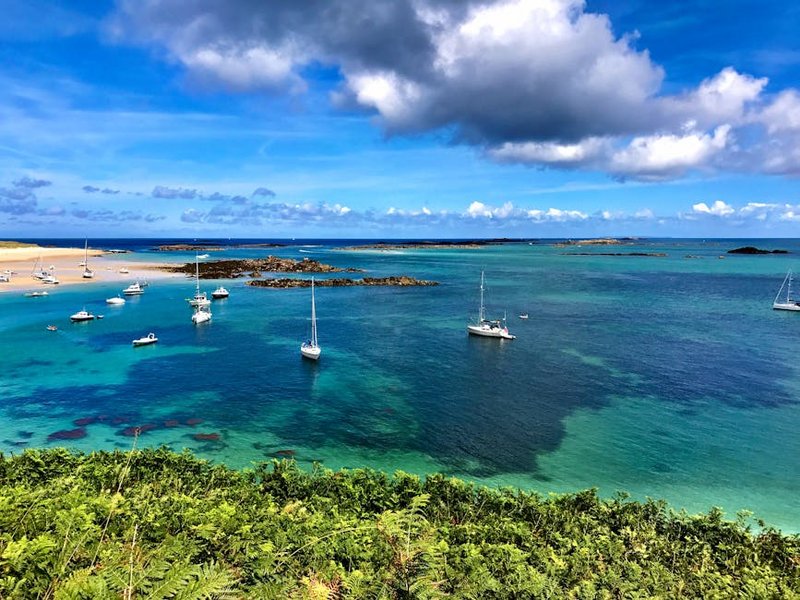
Guernsey Sark Car Free Island: Peaceful Escape Without Vehicles
Sark stands as Europe’s first designated Dark Sky Island where cars remain banned since feudal times, creating unparalleled tranquility across its two square miles. Your Guernsey Sark car free island visit delivers starry nights unaffected by light pollution, transportation limited to bicycles and horse-drawn carriages, and dramatic coastal footpaths overlooking the English Channel. This guide covers essential planning details, seasonal considerations for the Channel Islands climate, and immersive experiences available only on vehicle-free islands.
Sark Island Essential Information
Sark maintains unique governance as a Crown Dependency with its own parliament, the Chief Pleas, operating independently from Guernsey’s administration. The island’s car-free policy originated in 1565 under Helier de Carteret’s feudal charter and continues today as a conscious preservation choice. Visitors find Sark’s political status creates distinctive travel requirements compared to mainland Europe.
Geographically, Sark divides into Great Sark and Little Sark connected by La Coupée, a dramatic 300-foot isthmus with breathtaking Channel views. The island’s temperate maritime climate brings mild winters averaging 45°F (7°C) and comfortable summers around 68°F (20°C). These conditions support year-round exploration though spring and autumn provide optimal walking weather.
Sark’s Transportation System – What You Need to Know
Movement around Sark operates through traditional methods that define the island experience.
- Horse-drawn carriages serve as primary transport for arrivals, luggage, and tours with fixed rates starting at £5 per person for shared routes.
- Bicycle rentals available from several outlets offer mountain and hybrid models costing £12-20 daily, with electric bike options for challenging terrain.
- Tractor-drawn ambulance and fire services handle emergencies while visitors walk everywhere else along 40 miles of maintained paths and lanes.
- Budget travelers spend $75-100 daily using self-catering cottages, picnic lunches, and bicycle transportation while enjoying free hiking and beach activities.
- Mid-range visitors allocate $150-250 daily for hotel accommodations with breakfast, restaurant meals, and occasional carriage tours plus ferry transfers from Guernsey.
- Luxury experiences cost $300-500 daily covering heritage hotel suites, fine dining, private guides, and special activities like sea kayaking or astronomy sessions.
- Sark Tourism Official Website
- Visit Sark Travel Information
Historical Background and Governance
Sark remained the last feudal state in Europe until 2008 constitutional reforms established a fully democratic government. The Seigneur still holds ceremonial title to the island under the British Crown, though daily administration falls to the elected government. This unique history creates cultural traditions distinct from neighboring Guernsey and Jersey.
The car prohibition stems from 20th-century decisions to preserve Sark’s peaceful character rather than technical limitations. Residents and visitors alike embrace slower travel rhythms that encourage connection with nature and community. This intentional design makes Sark ideal for digital detox and mindfulness retreats.
Island Geography and Natural Features
Sark’s coastline features dramatic granite cliffs, hidden coves, and sea caves formed by Atlantic storms over millennia. The highest point, Le Moulin, reaches 374 feet (114 meters) above sea level with panoramic views across the Channel Islands. Numerous designated footpaths circle the entire perimeter allowing complete coastal circuit hikes.
Wildlife enthusiasts spot puffins, peregrine falcons, and seals around the offshore islets during breeding seasons. The absence of vehicle traffic creates exceptional birdwatching conditions with minimal disturbance. Sark’s Dark Sky status means Milky Way visibility reaches 90% on clear nights from October through March.

Alt: “sark-island-horse-carriage-transportation-coastal-path”
Guernsey Sark Car Free Island – Planning Your Trip
Successful Sark visits require understanding the inter-island ferry system, accommodation booking challenges, and seasonal weather patterns. The Guernsey Sark car free island experience differs significantly from mainland European travel with unique logistics. Advance planning ensures you maximize time exploring rather than arranging basics upon arrival.
Ferry reservations from Guernsey become essential during summer months when day-trippers fill available crossings. Accommodation on Sark remains limited to approximately twelve establishments, necessitating bookings three to six months ahead for peak season. Travel insurance should specifically cover Channel Islands medical evacuation if needed.
Best Time to Visit Sark Island
Visit Sark between May and September for warmest temperatures averaging 60-68°F (16-20°C) and longest daylight hours exploring coastal paths. July and August bring peak visitor numbers requiring ferry and accommodation reservations months in advance. These months offer ideal conditions for swimming in Dixcart Bay and outdoor dining.
Shoulder seasons in April-May and September-October provide milder weather around 55°F (13°C) with significantly fewer visitors. Late autumn through winter sees temperatures drop to 45°F (7°C) but offers spectacular storm watching and astronomy opportunities. Some businesses reduce hours November through February.
Budget Planning and Costs
Daily expenses vary considerably based on accommodation style and dining preferences.
Essential Preparation Checklist
Pack sturdy walking shoes with grip soles for Sark’s uneven lanes, waterproof layers for sudden Channel weather changes, and rechargeable lights for dark country lanes. Bring medications and specialty items since Sark’s small stores carry limited selections. Consider packing binoculars for wildlife watching and star gazing.
Documentation requires valid passport (EU nationals can use ID cards), travel insurance with medical coverage, and printed ferry confirmations. Book ferry tickets online through Isle of Sark Shipping Company at least two weeks ahead for summer travel. Download offline maps since mobile service can be unreliable away from the main village.
Sark’s Top Attractions and Activities
Sark’s car-free environment encourages slow travel immersion through coastal walking, historical exploration, and nature observation. The entire island measures just three miles long by one and a half miles wide, making all key sites accessible within day hikes. Focus your itinerary around tidal patterns for cave access and seasonal wildlife activity.
La Seigneurie Gardens represents Sark’s horticultural highlight with walled gardens, greenhouses, and medieval history dating to the 16th century. The adjacent vineyard produces Sark’s exclusive wine available for tasting sessions. Combined tickets for gardens and nearby Sark Museum provide cultural context for your visit.
Must-See Highlights
La Coupée isthmus connects Great Sark to Little Sark with dramatic 300-foot drops to beaches on both sides. This engineering marvel features a narrow, guarded path widened in 1945 by German POWs. Visit at sunrise or sunset for spectacular lighting and fewer visitors along the exposed ridge.
Dixcart Bay offers Sark’s most popular swimming beach with sheltered turquoise waters accessible via wooded valley path. The bay contains rock pools teeming with marine life during low tide and adjacent Valette Hotel for refreshments. Arrive early to secure space on the small sandy beach during summer afternoons.
Sark Henge presents a modern stone circle constructed in 2015 with alignments to solar and lunar events. This lesser-known site provides excellent Dark Sky viewing away from village lights. The location on Little Sark requires crossing La Coupée but rewards with minimal light pollution.
Hidden Gems and Local Favorites
Venus Pool appears only at low tide within a natural rock formation on the east coast, creating a perfect swimming hole with crystal-clear water. Local guides lead tours to this secret spot requiring careful tide timing and scrambling over rocks. The experience feels like discovering a private natural infinity pool.
Le Creux derrible Tunnel passes completely through Sark’s cliffs emerging at a dramatic blowhole that erupts during swell conditions. This geological feature remains inaccessible during high tide but provides adventurous exploration when waters recede. Combine with nearby Port du Moulin for comprehensive coastal discovery.
Outdoor Activities and Adventure
Coastal path walking encompasses Sark’s premier activity with well-marked routes circling the entire island perimeter. The complete circuit covers approximately eight miles requiring four to five hours at leisurely pace with photo stops. Break the hike into sections using the island’s interior lanes to return to accommodation.
Sea kayaking tours depart from Creux Harbour exploring hidden caves and secluded beaches inaccessible by land. Operators provide all equipment and guidance for paddlers of various experience levels. These excursions reveal Sark’s dramatic coastline from unique perspectives rarely seen by walkers.
Practical Travel Information
Reaching Sark involves multi-stage travel beginning with flights to Guernsey followed by ferry connections. Guernsey Airport (GCI) receives regular flights from London Gatwick, Southampton, and regional French airports. From St. Peter Port harbour, the Sark ferry operates multiple daily crossings except during severe winter weather.
Accommodation ranges from self-catering cottages to luxury hotels with most properties clustered near the harbour or island center. Advance reservations prove essential since Sark hosts only around 150 visitor beds total. Many establishments require minimum stays during peak seasons.
| Category | Options/Features | Price Range (USD) |
|---|---|---|
| Accommodation | Hotels, guesthouses, self-catering cottages with breakfast included at most properties | $120-400 nightly |
| Dining | Pubs, restaurants, tearooms using local seafood and produce with limited vegetarian options | $25-75 per person |
| Transportation | Bicycle rentals, carriage tours, ferry transfers from Guernsey | $15-50 daily |
| Activities | Guided walks, kayaking tours, museum entries, garden admissions | $10-80 per experience |