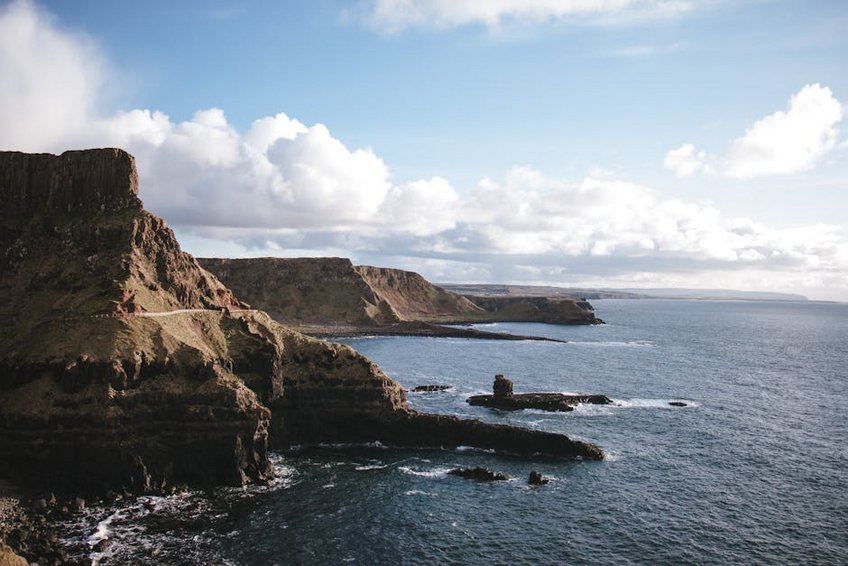
Northern Ireland Giant’s Causeway Stones: Geological Wonder and Coastal Adventure
The Northern Ireland Giant’s Causeway Stones represent one of Europe’s most fascinating natural landmarks, featuring over 40,000 interlocking basalt columns formed by ancient volcanic activity. This UNESCO World Heritage site offers visitors dramatic coastal scenery, rich mythology tied to Irish giants, and accessible walking paths along the Antrim Coast. Your guide covers essential planning tips, must-see attractions, and practical advice for maximizing your visit to this unique geological formation.
Essential Giant’s Causeway Information
The Giant’s Causeway formed approximately 60 million years ago during the Paleogene Period through intense volcanic eruptions and rapid cooling of basaltic lava. This geological process created the distinctive hexagonal columns that descend like stepping stones into the North Atlantic Ocean. Scientists continue studying these formations for insights into Earth’s volcanic history.
UNESCO designated the Causeway Coast as a World Heritage Site in 1986, recognizing its outstanding universal value as both a natural wonder and cultural landscape. The site spans approximately 70 acres within the Causeway Coastal Route, featuring not only the basalt columns but also dramatic cliffs, secluded bays, and unique ecosystems. Management focuses on preserving the geological features while accommodating over one million annual visitors.
Geological Formation Process
Understanding how the basalt columns formed enhances appreciation of this natural wonder.
- Volcanic activity during the Paleogene Period produced lava flows that cooled rapidly upon contact with water or air, creating contraction fractures that formed the polygonal columns through columnar jointing processes.
- The predominantly hexagonal shapes resulted from efficient packing arrangements as the lava contracted, with some columns displaying four, five, seven, or eight sides due to variations in cooling rates and lava composition.
- Erosion from sea waves and weathering over millennia created the stepped appearance and exposed the columns at varying heights, with the tallest reaching approximately 39 feet above sea level.
- Budget travelers spend $40-70 daily using public transit from Belfast, packing lunches, and staying in hostels or budget B&Bs in Bushmills or Portrush while utilizing the National Trust member discount for free entry.
- Mid-range visitors allocate $80-150 per day for rental car convenience, comfortable hotels with breakfast, guided tours from Belfast, and dinners at local pubs plus the visitor center experience and optional audio guide rentals.
- Luxury experiences cost $200-400 daily featuring private guided tours, premium accommodation at establishments like the Bushmills Inn, fine dining, and specialized photography workshops with extended access times.
- National Trust Giant’s Causeway Official Site
- UNESCO World Heritage Centre
Location and Access Basics
The Giant’s Causeway sits on the northeast coast of Northern Ireland in County Antrim, approximately 60 miles from Belfast and 20 miles from the popular town of Bushmills. Visitors access the site via the Causeway Coastal Route (A2 road), with clear signage from major highways and regular public transportation options available year-round. The National Trust manages the visitor center, which provides orientation, exhibits, and essential facilities for all accessibility needs.
Cultural Significance and Mythology
Irish legend attributes the causeway’s creation to the giant Finn McCool, who supposedly built it as a pathway to confront his Scottish rival Benandonner across the sea. This mythology remains deeply embedded in local storytelling and cultural events, with regular guided tours exploring both the scientific and folkloric explanations. The site’s dual identity as scientific marvel and cultural icon creates a layered visitor experience appealing to diverse interests.
Planning Your Northern Ireland Giant’s Causeway Stones Trip
Successful visits to the Northern Ireland Giant’s Causeway Stones require strategic timing between May and September when weather conditions prove most favorable for coastal exploration. Budget approximately $50-150 per person for transportation, entry, and meals, with flexibility based on accommodation choices and additional tour inclusions. Advance booking through the National Trust website secures better rates and ensures availability during peak visitation periods.
Spring months from April to June offer longer daylight hours and moderate temperatures ideal for photography and extended coastal walks. Summer brings the warmest conditions but also the largest crowds, necessitating early morning or late afternoon visits to experience the columns with fewer people. Autumn provides dramatic skies and colorful landscapes, though weather becomes increasingly unpredictable with higher rainfall probabilities.
Best Time to Visit Giant’s Causeway
Peak season runs June through August with temperatures ranging 59-68°F (15-20°C) and up to 17 hours of daylight for extended exploration. These months deliver the most reliable weather conditions but attract the largest crowds, particularly between 11am and 3pm when tour buses arrive consistently. Book accommodations 3-4 months in advance and plan site visits before 10am or after 4pm to avoid congestion at popular photo spots.
Shoulder seasons in May and September provide excellent alternatives with temperatures of 52-61°F (11-16°C) and substantially smaller crowds. These months often deliver better photography conditions with softer light and dramatic cloud formations, though visitors should pack waterproof layers for sudden weather changes. Off-season from October to April sees temperatures of 41-50°F (5-10°C) with potential for stormy conditions but offers complete solitude and powerful wave displays.
Budget Planning and Costs
Your Giant’s Causeway budget varies significantly based on transportation, accommodation style, and tour preferences.
Essential Preparation Checklist
Sturdy waterproof footwear proves essential for navigating the uneven basalt surfaces, which become slippery when wet from rain or sea spray. Layer clothing with moisture-wicking base layers, insulating mid-layers, and wind-resistant outer shells to accommodate the changeable coastal climate throughout any season. Pack a day bag with water, snacks, sunscreen, and a power bank for mobile devices since service can be limited in certain areas.
International visitors should carry valid passports with any necessary visas for UK entry, comprehensive travel insurance covering medical emergencies and trip interruptions, and credit cards with chip technology for automated payment systems. Book rental cars 2-3 months in advance for summer visits, reserve accommodations directly through verified platforms, and download offline maps of the Causeway Coastal Route before arrival. Check the National Trust website for any seasonal closures or special events that might affect access.
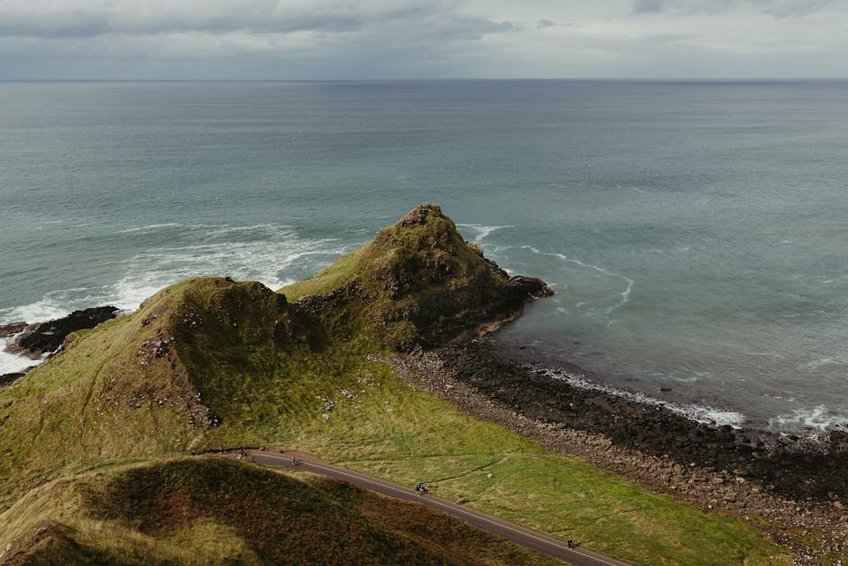
Alt: “giants-causeway-basalt-columns-coastal-pathway”
Top Attractions and Activities
The Giant’s Causeway visitor center provides essential orientation through interactive exhibits explaining the geological formation, mythological stories, and conservation efforts. This modern facility designed by Heneghan Peng Architects features a café, gift shop, and rooftop viewing platform with panoramic coastal views before descending to the stones. Audio guides available in multiple languages enhance the experience with detailed commentary at numbered points along the pathways.
Four main walking trails cater to different fitness levels and interests, ranging from easy accessible routes to more challenging coastal paths with steep sections and uneven surfaces. The red trail offers the most direct access to the famous basalt columns, while the blue and green trails provide longer routes with additional geological features and wildlife viewing opportunities. All paths feature interpretive signage explaining key formations like the Giant’s Boot, Wishing Chair, and Camel’s Back rock features.
Must-See Highlights
The Grand Causeway presents the most extensive formation of hexagonal basalt columns, creating the iconic stepped appearance that makes the site recognizable worldwide. This central area provides the best photography opportunities during golden hour when low sunlight emphasizes the geometric patterns and creates dramatic shadows across the interlocking stones. Arrive early morning or late evening to experience this area with fewer visitors, particularly during summer months when midday crowds peak.
Amphitheatre and Organ formations showcase some of the tallest columns rising dramatically from the sea, resembling pipe organ structures when viewed from specific angles along the coastal path. These features demonstrate the variation in column sizes and shapes resulting from different cooling rates within the lava flow, with some sections reaching nearly 40 feet in height. Access requires navigating uneven surfaces and potentially wet rocks, requiring appropriate footwear and careful footing.
The Shepherd’s Steps path leads upward to cliff-top viewpoints offering breathtaking panoramas of the entire causeway coastline and North Channel toward Scotland. This moderately challenging route includes 162 steps carved into the cliff face, rewarding hikers with unparalleled photographic perspectives of the geological formations from above. Visitors should allocate 45-60 minutes for the round trip and check weather conditions beforehand since high winds can make the exposed sections challenging.
Hidden Gems and Local Favorites
Portcoon Cave remains less visited than the main formations, featuring a sea cave accessible during low tide that reveals additional basalt columns and unique rock formations. This secluded spot provides opportunities for quiet contemplation and photography away from the main crowds, though visitors must consult tide tables and exercise caution near the water’s edge. Local guides sometimes include this location on extended tours for those seeking a more comprehensive geological experience.
Runkerry House tea room offers authentic Irish hospitality with homemade scones, tea, and light lunches in a historic setting overlooking the causeway from a different perspective. This family-run establishment provides insider knowledge about the area’s history and often recommends optimal times for visiting specific formations based on tide and weather conditions. The nearby Runkerry Beach features additional basalt formations and tidal pools worth exploring during low tide periods.
Coastal Walks and Hiking Trails
The Causeway Coast Way extends 33 miles from Portstewart to Ballycastle, passing the Giant’s Causeway and offering some of Ireland’s most spectacular coastal scenery for dedicated hikers. This well-marked trail features varying difficulty levels with sections suitable for casual walkers and more challenging cliff-top paths for experienced hikers carrying proper equipment. Numerous access points allow visitors to hike shorter segments, with the portion between the Giant’s Causeway and Dunseverick Castle particularly recommended for its dramatic views.
Shorter loop trails around the causeway itself cater to visitors with limited time or mobility concerns, including fully accessible routes from the visitor center to key viewing platforms. These paths feature information panels explaining the geological processes and mythological stories associated with specific formations, creating an educational experience regardless of hiking ability. The National Trust provides detailed trail maps indicating distance, difficulty, estimated duration, and points of interest for each route.
Practical Travel Information
Belfast International Airport (BFS) serves as the primary international gateway located approximately 50 miles from the Giant’s Causeway, with regular rental car facilities and public transportation options available. Alternative airports include Belfast City Airport (BHD) and City of Derry Airport (LDY), though these offer fewer international connections and may require additional ground transportation arrangements. Most visitors find renting a car provides the greatest flexibility for exploring the Causeway Coastal Route at their own pace.
Accommodation options range from luxury hotels in Bushmills and Portrush to budget-friendly hostels, vacation rentals, and traditional bed and breakfast establishments throughout County Antrim. Booking 3-6 months in advance secures the best rates and availability, particularly for summer visits when the region experiences high demand from international tourists. Consider staying in multiple locations along the coast to minimize driving time and experience different communities.
| Accommodation Type | Features and Location | Price Range (USD) |
|---|---|---|
| Luxury Hotels | Bushmills Inn, full-service spa, fine dining, walking distance to causeway | $250-450/night |
| Mid-Range B&Bs | Family-run establishments in Portrush, breakfast included, private bathrooms | $120-200/night |
| Self-Catering Cottages | Vacation rentals throughout Antrim Coast, kitchen facilities, weekly rates | $800-1500/week |
| Hostels and Budget | Shared facilities in Bushmills, basic amenities, social atmosphere | $25-50/night |