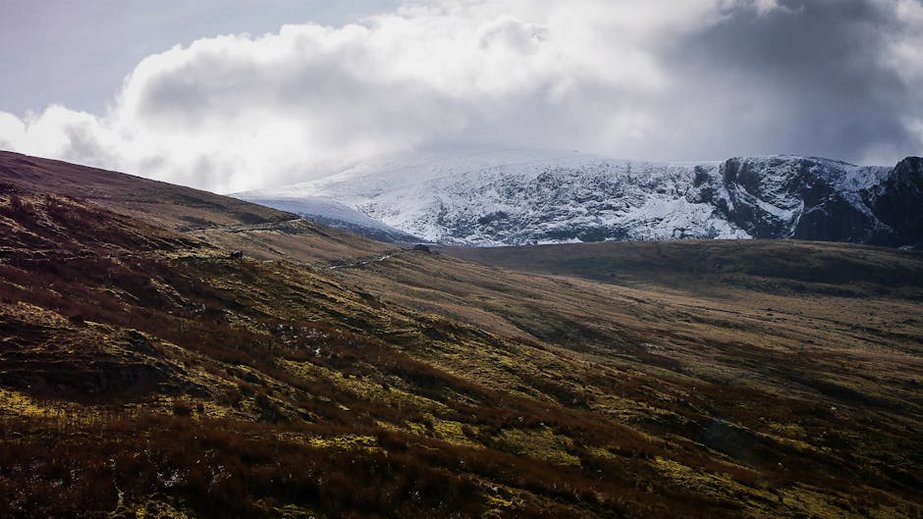
Wales Snowdonia National Park: Your Guide to Welsh Mountain Adventures
Wales Snowdonia National Park encompasses over 800 square miles of rugged peaks, glacial valleys, and Welsh-speaking villages in North Wales. This protected landscape features Mount Snowdon, Wales’ highest summit, alongside historic railways, ancient castles, and diverse ecosystems. Our guide provides practical planning advice, activity recommendations, and cultural insights for your visit.
Essential Park Information
Snowdonia National Park, established in 1951, protects 823 square miles of dramatic Welsh countryside. The park spans Gwynedd and Conwy counties, featuring everything from coastal estuaries to 3,000-foot mountains. This diversity creates unique habitats for rare plants and wildlife.
Visitors encounter a living Welsh-speaking culture with bilingual signage throughout the region. The park operates under special conservation policies balancing tourism with environmental protection. These regulations help maintain the area’s natural beauty while supporting local communities.
Key Facts and Figures
Understanding these details enhances your visit planning and appreciation.
- Size: 823 square miles (2,130 km²) making it Wales’ largest national park with over 1,497 miles of footpaths and 60 mountain summits above 2,000 feet.
- Highest Point: Mount Snowdon (Yr Wyddfa) at 3,560 feet (1,085 meters) featuring multiple hiking trails and the Snowdon Mountain Railway since 1896.
- Population: Approximately 26,000 residents across scattered villages, with 58% speaking Welsh daily according to latest census data.
- Budget travelers spend $50-80 daily using hostels, self-catering, and free hiking. The Snowdonia Park Inn hostel in Betws-y-Coed offers beds from $35 nightly, while campgrounds charge $15-25 per pitch.
- Mid-range visitors budget $100-150 daily for B&Bs, occasional meals out, and paid attractions. Traditional Welsh inns like Tyn-y-Coed Uchaf provide rooms from $110 including breakfast, with railway tickets around $45.
- Luxury experiences cost $200-300 daily featuring boutique hotels, guided tours, and fine dining. Places like Palé Hall offer five-star accommodation from $250 nightly, while private guiding services run $150-200 per day.
- Snowdonia National Park Authority
- Visit Wales Official Tourism Site
Geography and Climate Patterns
Snowdonia’s landscape formed during the last Ice Age, creating distinctive U-shaped valleys and ribbon lakes. The northern section contains the highest mountains while southern areas feature rolling hills and forests. This varied topography supports multiple microclimates across short distances.
Weather changes rapidly with coastal areas experiencing milder conditions than mountainous zones. Annual rainfall averages 180 inches (4,572mm) on higher peaks but only 40 inches (1,016mm) in eastern valleys. Temperature ranges from 30°F to 65°F (-1°C to 18°C) during peak visiting months.
Historical Significance
Human presence dates back 5,000 years with Bronze Age stone circles and Roman fortifications throughout the region. The medieval period saw Welsh princes building castles like Dolwyddelan before English conquest. Nineteenth-century slate quarrying created the industrial landscapes now recognized as UNESCO World Heritage sites.
Traditional farming practices continue with Welsh Black cattle and hill sheep maintaining the characteristic open landscapes. This cultural heritage appears in place names, local traditions, and annual eisteddfod festivals celebrating Welsh language and arts.
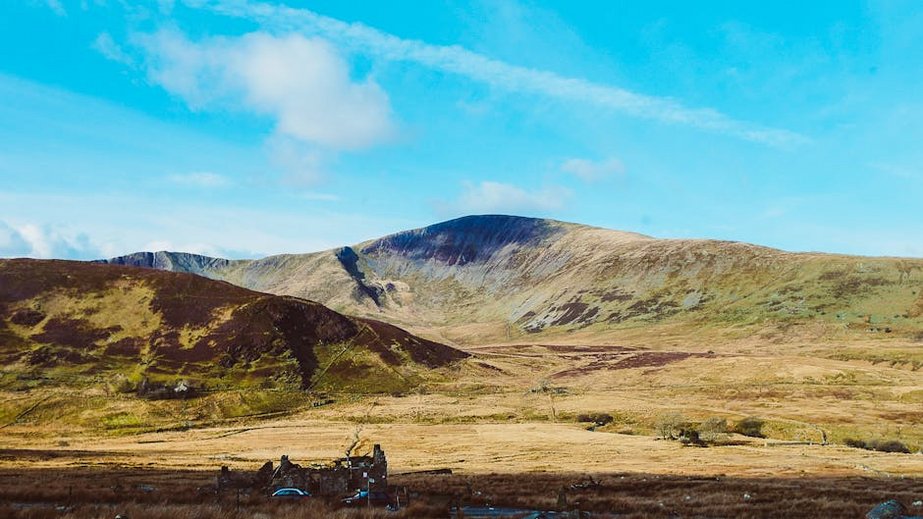
Alt: “snowdonia-national-park-mount-snowdon-welsh-mountains”
Wales Snowdonia National Park – Planning Your Trip
Successful visits combine advance preparation with flexibility for changeable mountain conditions. Research accommodation options early, especially for popular villages like Betws-y-Coed or Beddgelert. Consider your fitness level when selecting activities since terrain varies from gentle lakeside walks to challenging scrambles.
Budget accordingly with mountain railways and guided activities adding expense beyond basic costs. The park offers excellent value compared to other European destinations while maintaining quality experiences. Balance iconic sites with quieter valleys to appreciate the region’s full character.
Best Time to Visit Snowdonia
June through September provides the most reliable weather with temperatures ranging 55-65°F (13-18°C) and longer daylight hours. These months offer the best conditions for mountain hiking and clear views from summits. July and August bring more visitors, so book accommodation three months ahead.
Shoulder seasons in April-May and October present fewer crowds with vibrant spring blooms or autumn colors. Winter visits between November and March suit experienced hikers with proper equipment for snow and ice. Mountain weather remains unpredictable year-round, so always check forecasts.
Budget Planning and Costs
Daily expenses vary significantly based on accommodation style and activity choices.
Essential Preparation Checklist
Pack layered clothing including waterproof jackets and pants regardless of forecast. Sturdy hiking boots with ankle support prove essential for rocky trails and variable conditions. Include navigation tools like maps and compass since mobile service remains unreliable in many valleys.
Book popular accommodations three to six months ahead for summer visits and mountain railway tickets several weeks early. EU and US passport holders need no visa for stays under 90 days but should carry travel insurance covering mountain activities. Check weather forecasts daily and inform someone of your hiking plans.
Top Attractions and Activities
Snowdonia delivers world-class outdoor adventures alongside cultural experiences reflecting Welsh heritage. The park’s diversity means visitors can combine mountain climbing with coastal walks or historical exploration in a single day. Activity options suit various fitness levels from gentle family strolls to technical climbing routes.
Iconic sites like Mount Snowdon attract most visitors, but quieter areas offer equally rewarding experiences with fewer crowds. Balance your itinerary between famous landmarks and personal discoveries. Local guides enhance understanding of both natural environment and cultural significance.
Must-See Highlights
Mount Snowdon dominates the park with six main trails of varying difficulty leading to the summit. The Llanberis Path provides the gentlest ascent while Crib Goch offers a challenging ridge scramble for experienced hikers. The Snowdon Mountain Railway operates from Llanberis, carrying visitors to the summit without hiking.
Swallow Falls near Betws-y-Coed presents a spectacular 60-foot waterfall accessible via a short paved path. Entry costs $4 per person with viewing platforms providing excellent photo opportunities. Visit after rainfall for the most impressive water flow throughout the cascades.
Harlech Castle represents one of Wales’ finest medieval fortresses with dramatic coastal positioning. This UNESCO World Heritage site features massive walls and towers dating from 1283. Admission runs $8 for adults with family tickets available, and audio guides enhance the historical context.
Hidden Gems and Local Favorites
Cwm Idwal offers an easily accessible glacial cirque with dramatic rock formations and rare Arctic-alpine plants. This National Nature Reserve provides a moderate 2-mile circular walk starting from Ogwen Cottage. The scenery inspired early conservation efforts in Britain during the 19th century.
Portmeirion Village presents Italianate architecture in a coastal woodland setting, created by architect Clough Williams-Ellis. This colorful fantasy village features shops, cafes, and gardens distinct from traditional Welsh architecture. Entry costs $15 with reduced rates for advance online booking.
The Sygun Copper Mine near Beddgelert allows underground exploration of Victorian mining operations. Self-guided audio tours lead through colorful mineral chambers and historical displays. The experience suits families with children aged six and above, costing $12 per adult.
Hiking and Outdoor Adventures
Snowdonia contains some of Britain’s best hiking across maintained paths and challenging mountain routes. The Welsh 3000s challenge involves climbing all 15 peaks over 3,000 feet within 24 hours. More moderate options include the 8-mile Precipice Walk near Dolgellau with minimal elevation gain.
Adventure companies offer guided rock climbing, gorge walking, and coasteering along the park’s diverse terrain. These activities require no previous experience with equipment provided. Prices range $60-120 per person for half-day sessions including instruction and safety gear.
Water-based activities include kayaking on glacial lakes like Llyn Gwynant or surfing at Hell’s Mouth beach. Several operators rent equipment and provide lessons suitable for beginners. The park’s varied coastline supports both calm paddling and challenging wave conditions.
Practical Travel Information
Snowdonia’s rural location requires planning transportation between dispersed attractions. The Conwy Valley railway line connects coastal towns with mountain villages, while local bus services cover most key areas. Renting a car provides maximum flexibility for exploring remote valleys and spontaneous stops.
Accommodation ranges from basic campsites to luxury hotels, with traditional Welsh inns offering character and local hospitality. Advance reservations prove essential during summer months and holiday periods. Consider location relative to planned activities to minimize daily travel time.
| Accommodation Type | Features and Locations | Price Range (USD) |
|---|---|---|
| Hostels and Bunkhouses | Basic facilities, social atmosphere, ideal for solo travelers and groups, locations in Betws-y-Coed and Capel Curig | $30-50 per night |
| Bed and Breakfasts | Welsh hospitality, home-cooked breakfast, local advice, characteristic properties in villages like Beddgelert and Dolgellau | $80-120 per night |
| Self-Catering Cottages | Privacy and flexibility, kitchen facilities, often in scenic locations, weekly rentals common | $600-1200 per week |
| Hotels and Inns | Full services, restaurants, central locations, options from traditional coaching inns to contemporary design hotels | $120-250 per night |