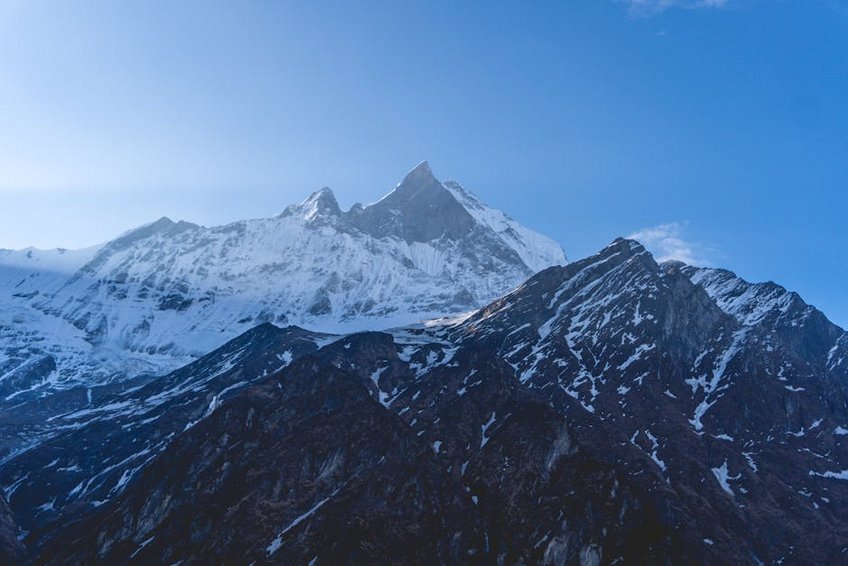
Himalayan Exploration in Nepal: Your Guide to the World’s Highest Peaks
Himalayan exploration in Nepal offers a profound journey across diverse ecosystems, from subtropical jungles to the planet’s most dramatic alpine summits. The country hosts eight of Earth’s fourteen 8,000-meter peaks, including iconic Mount Everest, alongside deeply rooted cultures in ancient valleys. This guide provides the essential planning details, route comparisons, and cultural insights you need to transform ambition into a safe and fulfilling high-altitude adventure, covering logistics from Kathmandu to the remote trails.
Essential Nepal Himalaya Information
Nepal’s Himalayas stretch across the northern third of the country, forming a natural border with the Tibet Autonomous Region of China. The region is administratively divided into several development zones, with trekking and climbing activities primarily concentrated in the Everest, Annapurna, and Langtang regions. Each area offers distinct landscapes, from the glacier-carved valleys of the Khumbu to the rhododendron forests of the Annapurna Sanctuary.
The history of mountaineering here is integral to its identity, with Everest first summited in 1953 by Tenzing Norgay and Sir Edmund Hillary. Today, sustainable tourism and community-managed lodges help preserve these fragile environments. Travelers should understand that infrastructure varies widely, with well-established trekking routes offering teahouses and remote expeditions requiring full self-sufficiency.
Key Geographic Regions Explained
The main trekking hubs each provide unique experiences. Your choice depends on desired scenery, difficulty, and cultural exposure.
- Everest Region (Khumbu): Home to Sagarmatha National Park, this area features iconic views of Everest, Lhotse, and Ama Dablam. The classic Everest Base Camp trek starts with a flight into Lukla and passes through Sherpa villages like Namche Bazaar, combining high-altitude challenge with rich Buddhist culture over 12-14 days.
- Annapurna Region: Offers incredible diversity with circuits like the Annapurna Base Camp (7-10 days) and the longer Annapurna Circuit (formerly 15-21 days, now altered by road construction). You’ll experience dramatic changes from rice paddies to the arid Tibetan Plateau, with constant views of Annapurna I and Machhapuchhre.
- Langtang Region: Closest to Kathmandu, this valley provides a more secluded experience with stunning alpine scenery and Tamang heritage. The Langtang Valley trek (7-9 days) is a fantastic choice for those with less time, featuring glaciers, high pastures, and recovery from the 2015 earthquake.
- Budget/Independent Trekker: $700-$1,200. Covers TIMS/park permits, teahouse lodging ($3-$7/night), meals ($15-$25/day), and bus travel to trailheads. Requires self-guided navigation, no porter, and booking Lukla flights independently, which carries risk during peak season.
- Mid-Range Guided Group: $1,500-$2,500. Includes guide/porter, all permits, teahouse accommodation, most meals, domestic flights, and airport transfers. Offers the best value with built-in support, cultural interpretation, and handled logistics through a local agency.
- Luxury Lodge or Expedition: $3,000+. Features upgraded lodging with private bathrooms, longer itineraries with acclimatization, a higher guide-to-client ratio, and emergency oxygen. At the top end, full climbing expeditions for peaks like Island Peak can cost $5,000-$8,000 with all technical gear and peak permits included.
- Nepal Tourism Board
- Trekking Information Management System (TIMS)
- Trekking Agencies’ Association of Nepal (TAAN)
Climate and Seasonal Variations
The Himalayan climate dictates all travel plans. There are two primary trekking seasons, each with its own advantages and challenges for high-altitude travel. Monsoon and winter seasons present significant obstacles that most travelers should avoid.
The pre-monsoon spring season (March to May) brings warmer temperatures, blooming rhododendrons, and busier trails. The post-monsoon autumn season (late September to November) delivers stable, clear skies and excellent mountain visibility, making it the most popular and crowded period. You must book lodges and flights well in advance for autumn journeys.
Permits and Regulations
All foreign trekkers need permits, managed through Nepal’s Trekking Information Management System (TIMS). Regulations ensure safety and environmental protection across the national parks and conservation areas.
You typically need two permits: the TIMS card itself and a National Park or Conservation Area entry permit. For restricted areas like Upper Mustang or Manaslu, you must secure a special permit and be accompanied by a registered guide. These rules change periodically, so verify current requirements with your trekking agency or the Nepal Tourism Board in Kathmandu before departure.
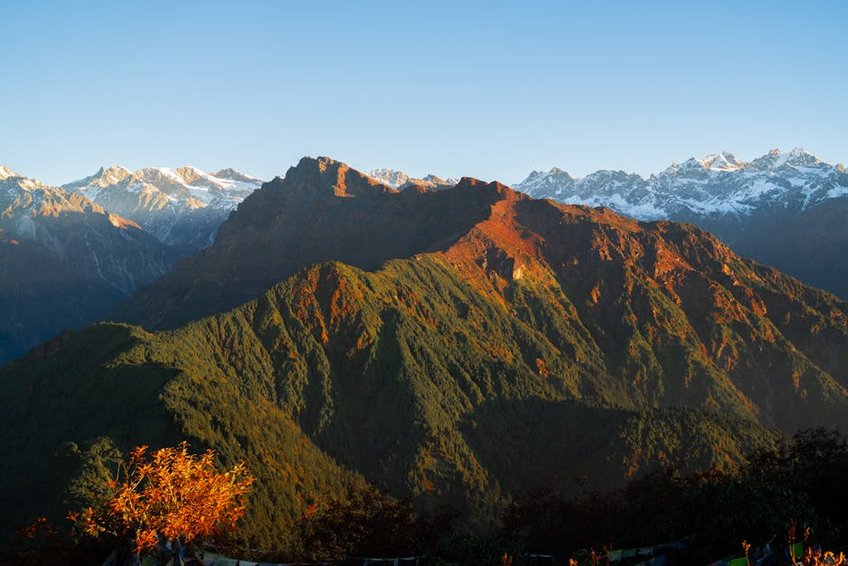
Alt: “everest-base-camp-trek-himalayan-mountain-landscape-nepal”
Himalayan Exploration in Nepal – Planning Your Trip
Successfully planning your Himalayan exploration in Nepal hinges on matching your ambitions with realistic preparation. This involves honest self-assessment of fitness, careful itinerary selection, and thorough gear procurement. Rushing this process often leads to altitude sickness or unmet expectations, so allocate several months for proper organization.
Your budget must account for international flights, domestic transport like Lukla flights ($180-$350 round trip), guide/porter services ($25-$40 per day), permits ($20-$50 each), accommodation, and meals. Daily teahouse costs range from $25-$50 per person, while full-service guided expeditions cost significantly more. Always include a buffer for emergencies and unexpected delays, which are common in mountain regions.
Best Time to Visit the Nepal Himalayas
The optimal windows are autumn (late September to November) and spring (March to May). Autumn provides the most reliable weather with minimal precipitation, cold but bearable nights, and crystal-clear mountain views ideal for photography. Daytime temperatures in trekking hubs like Namche Bazaar (3,440m) range from 50-59°F (10-15°C), while nights can drop to 23°F (-5°C).
Spring offers warmer days, wildflowers, and greener landscapes, but afternoons can be hazier. The winter season (December to February) is possible for experienced trekkers prepared for extreme cold, with some high passes closed. The monsoon (June to August) brings heavy rain, leeches, landslides, and very poor visibility, making it unsuitable for most Himalayan travel.
Budget Planning and Costs
Costs vary dramatically based on style, route, and season. Here’s a realistic breakdown for a 12-day trek.
Essential Preparation Checklist
Physical training should start at least 2-3 months prior, focusing on cardiovascular endurance and leg strength with weighted hill walking. Break in your hiking boots thoroughly to prevent blisters during long days on rocky trails. Consult a travel doctor for vaccinations and discuss altitude medication like Diamox.
Essential documentation includes a passport valid for six months beyond your stay, multiple passport-sized photos for permits, comprehensive travel insurance covering emergency helicopter evacuation up to 6,000 meters, and copies of all documents. Book international flights 3-6 months early for the best rates, and secure trekking guides or group spots 2-3 months ahead for autumn seasons.
Top Trekking Routes and Mountaineering Objectives
Nepal’s trail network caters to all levels, from gentle cultural walks to extreme altitude expeditions. The most famous journeys have become pilgrimage routes for global adventurers, offering transformative personal challenges amidst unparalleled scenery. Choosing the right path is the most critical decision you will make for your mountain experience.
Beyond the classic treks, newer trails and restricted regions offer solitude for those seeking it. The Great Himalaya Trail, a long-distance traverse across the country, represents the ultimate challenge, taking months to complete. Always cross-reference route descriptions with recent trail conditions, as infrastructure changes and natural events like landslides can alter accessibility.
Must-See Classic Treks
The Everest Base Camp (EBC) trek remains the world’s most famous alpine journey. The 12-14 day route ascends the Khumbu Valley, visiting Tengboche Monastery and culminating at the base of the world’s highest mountain. Acclimatization days in Namche and Dingboche are non-negotiable for success and safety on this route.
The Annapurna Circuit, though now intersected by a road in sections, still offers magnificent diversity. The 15-18 day journey crosses the 5,416-meter Thorong La pass. Trekkers experience everything from Hindu villages in the lowlands to the Tibetan-influenced culture of Manang. The Annapurna Base Camp trek provides a more direct immersion into a stunning amphitheater of peaks.
Hidden Gems and Lesser-Known Trails
For those wanting to escape the crowds, the Manaslu Circuit presents a superb alternative. This 14-18 day trek requires a special permit and a guide, ensuring lower traffic as it circles the eighth-highest mountain in the world. The trail features pristine forests, dramatic gorges, and a crossing of the Larkya La pass (5,106m).
The remote Upper Dolpo region, made famous by Peter Matthiessen’s “The Snow Leopard,” requires a full camping expedition. This is true wilderness travel through a landscape preserved by its isolation, where ancient Bon and Buddhist traditions thrive. The Rara Lake trek in far-western Nepal visits the country’s largest lake, nestled in a secluded national park rarely visited by foreigners.
Peak Climbing for Aspiring Mountaineers
For trekkers wanting to step onto technical terrain, Nepal offers “trekking peaks” like Island Peak (6,189m) and Mera Peak (6,476m). These climbs require basic ice axe and crampon skills, usually learned during the expedition, and are led by experienced Sherpa guides. Success rates are high with proper preparation.
More serious objectives include peaks like Ama Dablam, considered one of the world’s most beautiful mountains. These expeditions require proven technical alpine experience, significant financial investment, and a longer time commitment. They represent the pinnacle of a mountaineer’s journey in the Himalayas, demanding respect and thorough preparation.
Practical Travel Logistics and Accommodation
Navigating Nepal requires patience and flexibility. Kathmandu’s Tribhuvan International Airport (KTM) is the primary gateway, with connections from major hubs in the Middle East and Asia. Upon arrival, you’ll need a visa on arrival for most nationalities ($30 for 15 days, $50 for 30 days, $125 for 90 days). Have USD cash ready and a passport photo.
Domestic travel involves a mix of short mountain flights, often on small aircraft, and long, bumpy bus rides. Safety records for domestic airlines have improved significantly, but weather delays are frequent. Always build buffer days into your itinerary before international flights home to account for potential cancellations from mountain airstrips like Lukla.
| Accommodation Type | Description & Features | Price Range (USD/Night) |
|---|---|---|
| City Hotel (Kathmandu/Pokhara) | Tourist-standard hotels with private bathroom, WiFi, breakfast. Range from basic to boutique. | $20 – $80 |
| Teahouse/Lodge (Standard Trek) | Basic twin-share room, shared toilet/bathhouse, menu for all meals. Communal dining area with heater. | $3 – $7 (room only) |
| Teahouse/Lodge (Upgraded) | Found on main routes like Everest. May have attached bathroom, occasional hot shower for extra fee, charging ports. | $8 – $15 |
| Luxury Mountain Lodge | Such as Yeti Mountain Home chain in Everest. Ensuite bathroom, heated rooms, higher quality food. | $100 – $300 |
| Expedition Camping | Full service with tents, mess tent, toilet tent, kitchen staff. For remote area treks and climbs. | Included in expedition cost |