Table Mountain in Cape Town: Your Guide to Conquering the Icon
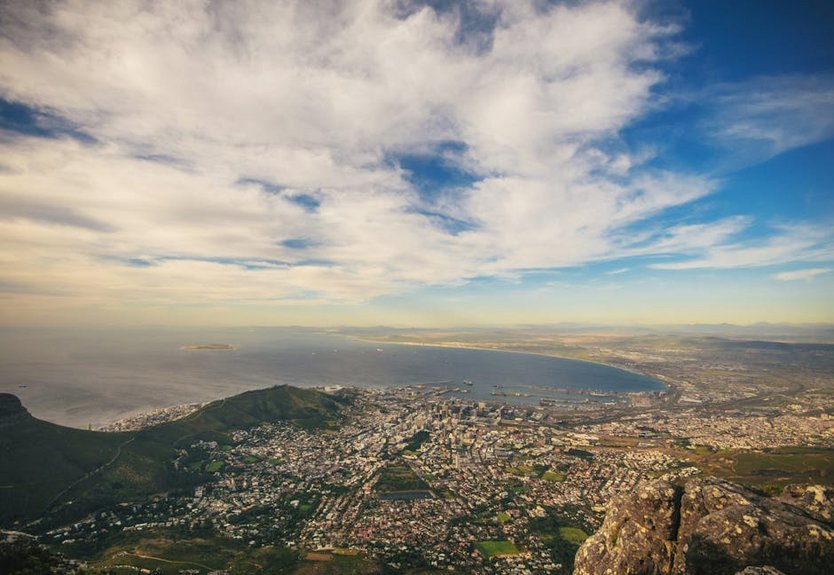
Rising majestically over the vibrant city of Cape Town, Table Mountain offers one of the world’s most accessible and breathtaking urban natural wonders. Your visit to this flat-topped icon promises panoramic views of the Atlantic Ocean, a unique floral kingdom, and adventures ranging from a scenic cable car ride to challenging hiking trails. This guide provides all the essential details, from securing cableway tickets to choosing the perfect hiking route for your fitness level, ensuring you maximize your experience at this must-see landmark.
Essential Information About the Mountain
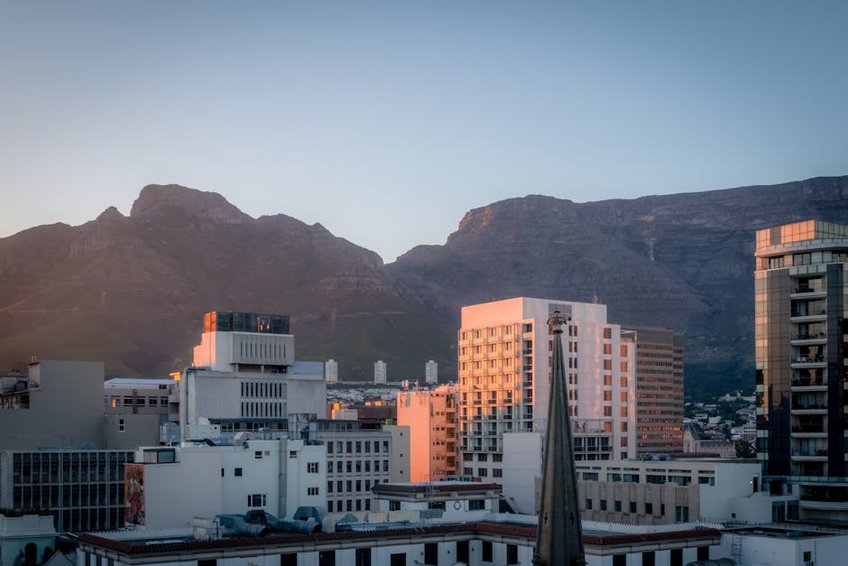
Table Mountain forms the dramatic backdrop to Cape Town, part of a national park and a UNESCO World Heritage Site known for its extraordinary biodiversity. The mountain’s plateau stretches approximately 3 kilometers from end to end, with its most famous cliffs facing the city and the Atlantic Seaboard. It is home to over 2,200 species of plants, many of which are found nowhere else on Earth, making it a globally significant hotspot for fynbos flora.
The weather on the mountain is notoriously changeable, a phenomenon locals call the “tablecloth” when clouds spill over the cliffs. This microclimate means conditions at the base can differ drastically from the summit. Visitors should always check the official website for live wind speed and visibility updates before departing, as the cable car will not operate in high winds or poor visibility for safety reasons.
What You Need to Know Before You Go
Successful planning hinges on understanding a few key operational details.
- The Table Mountain Aerial Cableway is the primary access for most visitors, offering a 5-minute rotating ride to the summit with 360-degree views; advance online booking is strongly recommended to skip queues, especially from December to February.
- Hiking up the mountain is a popular alternative, with Platteklip Gorge being the most direct and frequented route, taking roughly 1.5 to 2.5 hours for a fit adult; proper hiking shoes, sun protection, and at least 2 liters of water per person are non-negotiable.
- The summit features walkways, a restaurant, a gift shop, and free Wi-Fi; however, the true appeal lies in the self-guided walks along the cliff edges to viewpoints like Maclear’s Beacon, the highest point at 1,086 meters.
- Budget Hiker: Focus on hiking up and down via Platteklip Gorge (park conservation fee is approximately $15). Pack your own water and snacks. Total daily cost, excluding transport, can be under $20 per person.
- Standard Visitor: Purchase a return cable car ticket online (approx. $23-$30 depending on season and time). Enjoy a meal at the cafe on top. Budget around $50-$70 per person for the full experience including transport.
- Premium Experience: Opt for a guided hiking tour with a certified guide (from $70 per person) or a sunrise/sunset cable car ticket. Include a fine dining experience at the summit restaurant. Costs can range from $100-$150+ per person for a comprehensive, guided day.
- Table Mountain Aerial Cableway Official Site
- South African National Parks (SANParks)
Key Details on Flora, Fauna, and Geology
The mountain’s ecology is its hidden treasure. The Cape Floral Kingdom, the smallest yet richest of the world’s six floral kingdoms, is centered here. You will spot unique species like the silver tree, various proteas, and delicate ericas during your exploration. Rock hyraxes, known locally as dassies, are commonly seen sunbathing on the rocks and are more closely related to elephants than rodents.
Geologically, the mountain is composed primarily of sandstone, and its distinct flat shape was formed by millions of years of erosion. The cliffs you see today were once the bottom of a valley, with the harder sandstone remaining as the surrounding softer rock wore away. This ancient landscape creates the dramatic backdrop that defines Cape Town’s skyline and offers unparalleled photo opportunities.
Conservation and Park Fees
Visiting contributes directly to conservation efforts. Your cable car ticket or hiking permit fee supports the Table Mountain National Park’s vital work in protecting this fragile ecosystem. The park management actively combats invasive plant species and manages the risk of wildfires, which are a natural part of the fynbos lifecycle. Staying on marked paths is crucial to protect the delicate plant life underfoot.
Alt: “table-mountain-cape-town-aerial-cableway-view-cityscape”
Table Mountain in Cape Town – Planning Your Visit
Strategic planning transforms a good visit into a great one. The most critical factor is the weather, which dictates cable car operations and hiking safety. Always prioritize a clear, calm day for summit visits to guarantee the iconic views. Booking your cable car ticket online for a specific time slot is the single best way to avoid disappointment and long waits at the lower station, which can exceed an hour during peak season.
Consider combining your mountain expedition with other attractions on the Cape Peninsula. Many visitors pair a morning hike or cable car ascent with an afternoon exploring the V&A Waterfront or the Kirstenbosch National Botanical Garden at the mountain’s eastern foot. For those driving, secure parking early, as lots at the cable station fill quickly. Using the MyCiTi bus service or a ride-share app can alleviate parking stress.
Best Time to Visit Table Mountain
The optimal window for clear skies and calm winds is during the Southern Hemisphere’s summer and early autumn, from December through April. During these months, you have the highest probability of experiencing minimal cloud cover and reliable cable car operation. Daytime temperatures at the summit range from a pleasant 68°F to 77°F (20°C to 25°C), though it can feel cooler with the wind.
The shoulder seasons of spring (September-November) and late autumn (May) also offer excellent conditions with fewer crowds. Winter (June-August) brings more unpredictable weather, with increased rain, cloud, and wind, but it also offers the chance to see spectacular cloud waterfalls. The cable car closes annually for maintenance, usually in July; always verify dates on the official site before finalizing travel plans.
Budget Planning and Costs
Costs can vary significantly based on your chosen activities.
Essential Preparation Checklist
Packing correctly is essential for comfort and safety. Regardless of the weather forecast, bring a warm layer like a fleece or windbreaker, as summit temperatures can drop suddenly. Sun protection is critical—high-SPF sunscreen, a wide-brimmed hat, and sunglasses are mandatory due to the high UV exposure. Wear sturdy, closed-toe shoes with good grip, even if you are only taking the cable car and walking on the summit paths.
Ensure you have a valid form of identification, as student or senior discounts may require it. For hikers, a fully charged phone, a physical map or downloaded trail guide, and a small first-aid kit are wise additions. Book your cable car tickets and any guided tours at least 48 hours in advance, and reconfirm the operating status on the morning of your visit via the official website or social media channels.
Top Attractions and Activities on the Summit
The summit plateau offers far more than a single viewpoint. Well-maintained walking trails fan out from the cable station, catering to all mobility levels. The most popular is the circular Dassie Walk, which provides stunning vistas over the City Bowl and Robben Island. For those seeking a longer stroll, the walk to Maclear’s Beacon leads you to the highest point, marked by a large stone cairn built in 1865.
Beyond the views, take time to appreciate the smaller details. Interpretive signs explain the unique fynbos vegetation, and spotting a colorful sunbird or a curious dassie adds to the charm. The cable car ride itself is an attraction, with rotating floors that ensure everyone gets a panoramic view during the ascent and descent. The experience seamlessly blends natural wonder with impressive engineering.
Must-See Highlights and Viewpoints
Do not miss the view from the front of the plateau, directly facing the city. This offers the classic photograph of Cape Town with the mountain’s shadow falling across the urban grid and harbor. The lookouts toward the Twelve Apostles mountain range along the Atlantic Coast provide a dramatic perspective of sheer cliffs dropping into the ocean. Camps Bay and Clifton’s beaches appear as tiny slivers of sand from this height.
For a different angle, walk towards the eastern side of the plateau for views over the sprawling Southern Suburbs and the distant Hottentots Holland Mountains. The opportunity to see both the Atlantic and Indian Oceans from one vantage point is a rare geographic treat. Each direction offers a distinct landscape, making a slow circumnavigation of the main paths highly rewarding.
Hidden Gems and Lesser-Known Trails
While most crowds stay near the cable station, venturing further leads to tranquility. The path leading towards the Kirstenbosch side of the mountain, though not a descent route without a guide, offers quieter areas for contemplation. The “Aqueduct” trail along the northern edge provides spectacular and uninterrupted views over the City Bowl and is often less crowded than the main Dassie Walk.
For advanced hikers with a guide, exploring the valleys and ridges beyond the standard plateau walks reveals secret waterfalls and secluded viewpoints. The area around Echo Valley is known for its excellent acoustics. Engaging with one of the knowledgeable park rangers at the information desk can also yield personal recommendations for spots away from the main thoroughfares based on current conditions.
Photography Tips for the Summit
The golden hours shortly after sunrise and before sunset provide the softest light for photography, casting long shadows and enriching colors. A circular polarizing filter can help manage glare from the sky and sea, deepening blues and greens. For the iconic “tablecloth” cloud effect, aim to visit when a southeasterly wind (known as the Cape Doctor) is forecast, typically in summer.
Wide-angle lenses capture the vastness of the landscape, while a telephoto lens is perfect for isolating details like the colorful cable cars or the cityscape below. Ensure your equipment is secure against sudden gusts of wind. The viewpoint looking down over the cable car station with the city beyond offers one of the most compelling compositions, blending the natural and urban environments.
Practical Travel Information for Your Trip
Getting to the mountain is straightforward. The Lower Cable Station on Tafelberg Road is a 10-minute drive or a 20-minute bus ride from the city center. During peak season, traffic on this narrow road can be heavy, so factor in extra time. The MyCiTi bus route 110 stops at the Kloof Nek station, from which a scenic 1.5-kilometer walk leads to the cable car, or you can transfer to a dedicated shuttle.
Accommodation choices abound in Cape Town, but for easy mountain access, consider neighborhoods like Camps Bay, Tamboerskloof, or Gardens. These areas place you within a short drive or walking distance of the trailheads or cable station. Booking a hotel with a view of the mountain itself allows you to monitor the cloud cover from your window each morning, helping you pick the perfect moment for your ascent.
| Category | Options/Features | Price Range (USD) |
|---|---|---|
| Cable Car Ticket | Return trip, online timed entry, rotating cabin | $23 – $30 |
| Guided Hike (Half-day) | Certified guide, park fees, transport from city | $70 – $100 |
| Summit Dining | Table Mountain Cafe (casual) or WiFi @ the Top | $15 – $40 per meal |
| Transport from City | MyCiTi bus, ride-share (Uber/Bolt), or rental car | $4 – $15 each way |