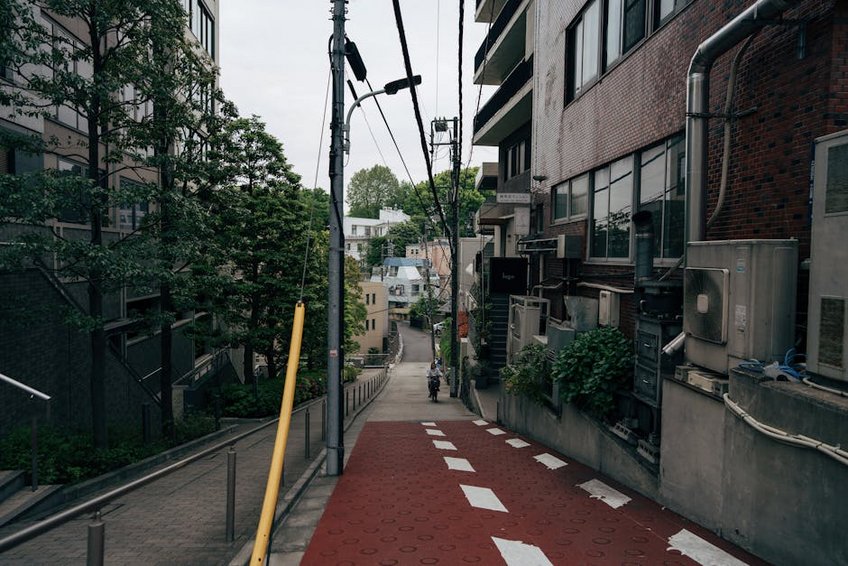
Traditional Neighborhoods in Tokyo: A Journey Through Old Japan
Exploring the traditional neighborhoods in Tokyo offers a captivating journey into the city’s heart and soul, far removed from the neon glow of its famous skyscrapers. These historic districts preserve the architectural styles, artisanal crafts, and tranquil atmospheres of the Edo and early Showa periods, providing an essential counterpoint to the modern metropolis. This guide details the must-visit old Tokyo districts, from famed temple approaches to hidden backstreets, and provides all the practical information you need for an authentic cultural exploration.
Tokyo’s Historical Legacy
Tokyo’s identity is famously layered, with its historic roots often overshadowed by its global, futuristic image. The city, originally named Edo, served as the seat of the Tokugawa shogunate for over 250 years, establishing deep cultural traditions. Many of these customs and architectural forms survived the Great Kanto Earthquake of 1923 and the firebombing of World War II, creating pockets of living history scattered across the wards.
Understanding this context enriches a visit to the old Tokyo areas. These neighborhoods are not static museums but active communities where traditional crafts, festivals, and daily rhythms continue. The preservation efforts are often community-led, balancing modernization with a profound respect for cultural heritage. This creates a unique travel experience that connects you directly with Japan’s enduring aesthetic and social values.
Defining “Traditional” in Modern Tokyo
When discussing these areas, “traditional” refers to specific, tangible elements that evoke pre-modern Japan. These features distinguish the historic Tokyo areas from the rest of the city’s urban fabric.
- Edo-Period Architecture: Look for wooden machiya townhouses with latticed windows, nagaya longhouse tenements, and temples with sweeping kawara tile roofs. These structures use natural materials and are often low-rise.
- Artisanal Shops and Workshops: These districts are hubs for family-run businesses specializing in crafts like indigo dyeing (aizome), handmade confectionery (wagashi), traditional footwear (geta), and bamboo basket weaving.
- Sacred and Communal Spaces: The presence of a central Shinto shrine or Buddhist temple, often with a centuries-old history, anchors the community. Nearby, you’ll find sento (public bathhouses) and small, independent izakaya pubs.
- Budget Traveler ($40-60/day): Focus on free temple visits and street food like ningyo-yaki (cake) for $2-$4. Use a 24-hour Tokyo Metro pass ($8). Stay in a capsule hotel or hostel in a nearby area like Ueno. Visit public parks and free museum exhibits in the neighborhoods.
- Mid-Range Explorer ($80-120/day): Enjoy a set lunch at a traditional soba restaurant for $12-$20. Join a 2-hour guided walking tour ($45). Purchase a quality craft souvenir like tenugui (dyed cloth) for $15-$25. Stay in a business hotel within walking distance of the district.
- Premium Cultural Experience ($150+/day): Book a private, in-depth craft workshop (e.g., calligraphy, pottery) for $70-$100. Dine at a renowned, historic tempura or unagi (eel) restaurant for dinner ($50-$80 per person). Stay in a high-end ryokan (traditional inn) within the neighborhood itself for full immersion.
- Tokyo Official Tourism Website
- Japan Guide: Tokyo Historic Sites
The Geography of Old Tokyo
Traditional enclaves are primarily found in the shitamachi, or “low city,” areas. Historically, this referred to the flat lands east of the Imperial Palace where merchants and artisans lived. Districts like Taito and Bunkyo wards are particularly rich in these cultural treasures. Meanwhile, the Yamanote “high city” to the west was reserved for samurai and nobility, leaving a different, more formal architectural legacy.
Accessibility is a key feature. Many of these historic Tokyo areas are just a short walk from major JR Yamanote Line stations, making them perfect for a half-day excursion. You can step off a bustling commuter platform and within minutes find yourself on a quiet lane unchanged for decades, a testament to Tokyo’s remarkable spatial complexity.
Alt: “asakusa-sensoji-temple-kaminarimon-gate-tokyo-japan”
Traditional Neighborhoods in Tokyo – Planning Your Visit
To fully appreciate the traditional neighborhoods in Tokyo, thoughtful planning is essential. These areas reward a slower pace and curious mindset. Aim to visit on a weekday morning to avoid the crowds that flock to major sites like Sensoji Temple on weekends. This allows for peaceful exploration of side streets and unhurried conversations with shop owners. Comfortable walking shoes are non-negotiable, as the charm lies in wandering the pedestrian-friendly lanes.
Budgeting for these districts is flexible. Sightseeing itself is often free or low-cost, with small temple donations typically around $1-$5. Your main expenses will be transportation, food, and unique handicraft purchases. A mid-range daily budget of $60-$80 per person covers local lunches, train fare, and a small souvenir. For a more immersive experience, consider a guided walking tour ($40-$60 per person) led by a local expert who can provide context and access to hidden spots.
Best Time to Visit Tokyo’s Historic Districts
The ideal months for exploring old Tokyo districts are March to May and October to November. Spring (March-May) offers mild temperatures of 50-70°F (10-21°C) and the stunning cherry blossoms, which frame historic landscapes beautifully. Fall (October-November) provides crisp air of 50-68°F (10-20°C) and vibrant koyo autumn leaves, creating a picturesque backdrop for temple visits.
Summer (June-September) is hot and humid, often exceeding 86°F (30°C), which can be challenging for extended walking. The rainy season in June brings frequent showers. Winter (December-February) is cold, 35-50°F (2-10°C), but clear skies are common, and you’ll encounter the fewest tourists. Many shops offer warm, seasonal treats, making it a cozy time for exploration.
Budget Planning and Costs
Your budget shapes the experience in these cultural pockets.
Essential Preparation Checklist
Preparing correctly enhances your comfort and respect for local customs. Pack comfortable, slip-on shoes for easy removal when entering temples, homes, or some traditional restaurants. Carry cash (Japanese yen), as many small, older shops and food stalls do not accept credit cards. A small coin purse is useful for temple offerings and locker rentals at stations.
Ensure you have a reliable data plan or pocket Wi-Fi for navigating narrow, sometimes unmarked streets using Google Maps. Download an offline translation app to help with basic communication at independent shops. Physically, prepare for a lot of walking, often on uneven stone paths or slightly sloping lanes. A reusable water bottle and a compact umbrella are also wise additions to your day bag.
Top Traditional Districts to Explore
Tokyo’s historic districts each offer a distinct personality and specialize in different aspects of traditional culture. From the vibrant, festival-like energy of Asakusa to the serene, scholarly calm of Yanesen, choosing which to visit depends on your interests. It’s feasible to visit two neighborhoods in one full day if they’re geographically close, such as Asakusa and Ueno. However, dedicating a half-day to each allows for deeper discovery and leisure.
When moving between these areas, use the efficient Tokyo Metro or Toei Subway lines. Consider a prepaid IC card like Suica or Pasmo for seamless travel. Walking from one district to another is sometimes possible and reveals fascinating transitional urban landscapes. Always keep an eye out for small signage pointing to lesser-known temples or historic landmarks tucked between modern buildings.
Must-See Highlights: Asakusa and Yanaka
Asakusa is the most famous entry point. Its heart is Sensoji Temple, Tokyo’s oldest, accessed via the thunderous Kaminarimon Gate. The Nakamise-dori shopping street leading to the temple is packed with stalls selling traditional snacks and souvenirs. For a quieter experience, walk the side streets west of the temple to find old paper shops, puppet makers, and a more local atmosphere.
Yanaka, part of the Yanesen area, is a quintessential shitamachi neighborhood that escaped major wartime damage. The centerpiece is Yanaka Cemetery, a sprawling, park-like space famous for its cherry blossoms. The surrounding Yanaka Ginza shopping street is a low-key, sloping lane where locals shop for groceries, taiyaki (fish-shaped cakes), and household goods. The area is also a haven for small art galleries and studios.
Hidden Gems: Kagurazaka and Shibamata
Kagurazaka offers a blend of Japanese and French culture with a historic geisha district at its core. Its main charm is the network of stone-paved alleyways (roji) behind the modern street. Here, you’ll find hidden izakaya, traditional sweet shops, and the remnants of geisha houses (ochaya). It’s best explored in the late afternoon as lanterns begin to light up the narrow passages.
Shibamata, located in far eastern Tokyo, feels like a separate old town. It is dedicated to the beloved Japanese film character “Tora-san.” The main draw is Taishakuten Temple, renowned for its exquisite wooden carvings. The approach, called Daikanyama, is a classic temple street with shops selling sweet rice crackers (kibidango) and other local specialties. The slow-paced, community-focused vibe here is exceptionally strong.
Specialty District: Kappabashi Dougu Street
While not a residential neighborhood, Kappabashi is a vital traditional commercial district. This long street is dedicated to restaurant supply shops, making it the premier place to buy Japanese kitchen knives, ceramic tableware, and the incredibly realistic plastic food models displayed outside restaurants. Even if you’re not buying, it’s a fascinating walk to see the tools of Japan’s culinary trade and witness a unique, working-class Tokyo tradition.
Practical Travel Information
Navigating Tokyo’s traditional districts is straightforward with Japan’s excellent public transport. Each area is well-served by train or subway lines. For first-time visitors, purchasing a 72-hour Tokyo Metro tourist pass (approximately $15) offers unlimited travel on most subway lines connecting these neighborhoods. Taxis are a viable, though more expensive, option for direct door-to-door travel, especially if you’re traveling in a small group or have limited mobility.
Accommodation near these areas ranges from modern business hotels to rare traditional inns. Staying in a nearby hub like Ueno or Asakusa provides easy morning and evening access to the historic streets. Booking accommodation three to six months in advance is recommended for peak seasons like cherry blossom season (late March-early April) and autumn foliage (November).
| Neighborhood | Key Features & Vibe | Closest Station(s) |
|---|---|---|
| Asakusa | Bustling temple market, rickshaws, river cruises, classic street food. | Asakusa Sta. (Ginza, Toei Asakusa lines) |
| Yanaka (Yanesen) | Serene cemetery, local shopping street, cat-friendly, artisan galleries. | Nippori Sta. (JR Yamanote line), Sendagi Sta. (Chiyoda line) |
| Kagurazaka | Stone-paved geisha alleyways, French-Japanese fusion, upscale dining. | Kagurazaka Sta. (Tozai line), Iidabashi Sta. (Multiple lines) |
| Shibamata | Classic temple street, Tora-san museum, nostalgic suburban feel. | Shibamata Sta. (Keisei Kanamachi line) |
| Fukagawa | Historical Kiyosumi Garden, Edo-Tokyo Museum annex, quiet canals. | Kiyosumi-Shirakawa Sta. (Hanzomon, Oedo lines) |