Tango Experience in Buenos Aires: Your Guide to the Soulful Dance
Experiencing authentic tango in Buenos Aires connects you to the city’s passionate heart, blending dance, music, and profound cultural history into a single, immersive evening. A true tango experience in Buenos Aires goes beyond watching a stage show to include live music in historic venues, impromptu street performances, and even beginner lessons. This guide covers everything from finding the best local milongas and live orchestras to understanding the subtle codes and etiquette of the dance floor.
Essential Tango and Buenos Aires Background
Born in the late 19th century along the Río de la Plata, tango emerged from the cultural fusion of European immigrants, former African slaves, and local criollos. It started in the city’s working-class port neighborhoods and tenement courtyards before evolving into a sophisticated art form. The dance and its music became a powerful expression of nostalgia, longing, and romantic passion.
Today, the tradition is kept alive in social dance clubs called milongas, where locals of all ages gather to dance the night away. Buenos Aires remains the undisputed world capital for this art, with a vibrant scene that operates seven nights a week. Understanding this rich history deepens your appreciation for every step and note you’ll encounter.
The Core Elements of Tango
A complete Argentine tango experience involves three inseparable components: the music, the dance, and the social ritual.
- Music: Characterized by the melancholic bandoneón, violins, piano, and double bass. Styles range from the rhythmic beats of “tango milonguero” for social dancing to the dramatic orchestrations of concert “tango escenario.”
- Dance: An improvised, close-embrace conversation between partners based on a simple walk. Its beauty lies in connection, musicality, and subtle lead-and-follow communication rather than choreographed sequences.
- Social Ritual: Milongas operate on unspoken rules, including the “cabeceo” (eye-contact invitation) to ask for a dance and the “tanda” system where three to four songs by the same orchestra are played consecutively.
- Budget ($30-$70 USD): Focus on free outdoor shows in San Telmo or La Boca. Pay a small cover charge (around $10-$20 USD) for a local neighborhood milonga. Take a single group lesson for $15-$25 USD. Use public transport to get around.
- Mid-Range ($80-$180 USD): Attend a high-quality, non-dinner tango show like “Señor Tango” or “Viejo Almacén” for $50-$80 USD. Book a private one-hour dance lesson for $40-$60 USD. Enjoy a nice dinner at a parrilla (steakhouse) beforehand.
- Luxury ($200-$400+ USD): Secure VIP front-row seats at the iconic “Rojo Tango” show at the Faena Hotel with gourmet dinner. Arrange a multi-day intensive tango workshop with a renowned maestro. Hire a private guide for a curated milonga-hopping tour.
- Official Buenos Aires Tourism Board
- Lonely Planet Buenos Aires Travel Guide
- Todo Tango – Historical and Cultural Resource
Key Neighborhoods for Tango Culture
While tango permeates the entire city, certain neighborhoods are essential for visitors. San Telmo, with its cobblestone streets and antique shops, hosts famous Sunday street fairs where tango dancers perform outdoors. Its historic bars, like Bar Sur, are legendary tango venues.
La Boca, home to the colorful Caminito street museum, is the birthplace of tango and offers constant photo opportunities with dancers. For a more local, authentic vibe, the milongas in the neighborhoods of Villa Urquiza or Almagro provide a genuine glimpse into the contemporary social dance scene away from the main tourist track.
Different Ways to Experience Tango
You can engage with tango culture at multiple levels. Spectator options include lavish dinner shows in renovated theaters or intimate, acoustic performances in cultural centers. For a more hands-on approach, many studios offer single introductory lessons that teach the basic walk and embrace.
The most immersive route is attending a traditional milonga to observe the social dance culture firsthand. Each format offers a different perspective, from polished theatricality to raw, everyday passion.
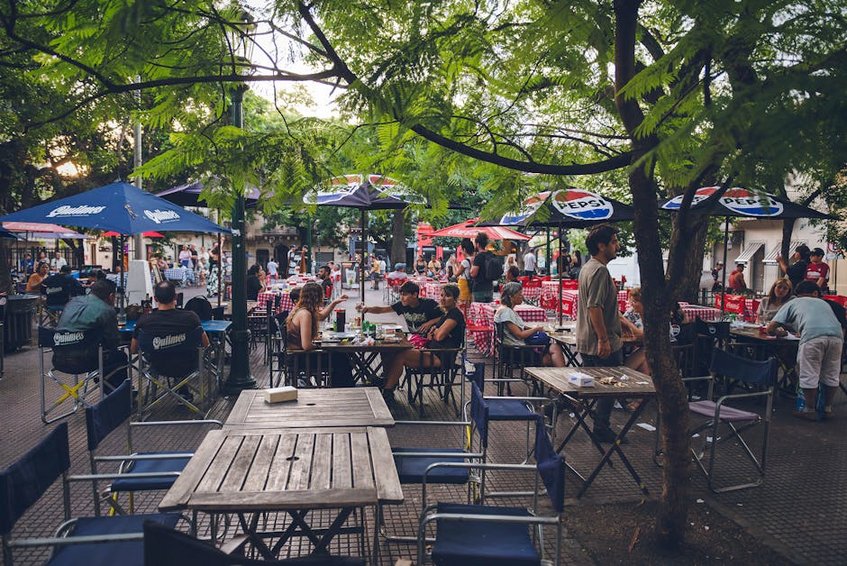
Alt: “historic-milonga-dance-hall-buenos-aires-couples-dancing-tango”
Tango Experience in Buenos Aires – Planning Your Trip
To craft your perfect tango experience in Buenos Aires, consider your interests, budget, and comfort level. A well-planned approach ensures you witness the art form’s highest quality expressions while respecting its local traditions. Researching venues and shows in advance is crucial, as the best events often require reservations.
Your budget will largely determine your options, ranging from free street performances to high-end theatrical productions. Allocate funds for show tickets, potential dance lessons, and appropriate footwear if you plan to take to the floor yourself. Remember that the most authentic experiences often have the simplest settings.
Think about pairing different types of experiences. You might attend a professional show one night and a casual milonga the next. This combination gives you a comprehensive view of tango as both a performing art and a living social tradition.
Best Time to Visit Buenos Aires for Tango
The tango scene thrives year-round, but the best weather for exploring the city is during the spring (September to November) and fall (March to May) shoulder seasons. Temperatures range comfortably from 60°F to 75°F (15°C to 24°C), perfect for walking between venues and enjoying outdoor milongas.
Summer (December to February) can be hot and humid, with highs often exceeding 86°F (30°C), but many cultural venues are air-conditioned. The annual “Tango Buenos Aires Festival y Mundial” each August is a major draw, filling the city with competitions, free concerts, and special events, though accommodations book up quickly.
Budget Planning and Costs
Your expenses can vary dramatically based on the type of tango activities you choose.
Essential Preparation Checklist
Comfort is key for a night of dancing or watching. If you plan to dance, bring shoes with smooth, flexible soles; women often wear heels with ankle straps, while men wear leather-soled dress shoes. Dress codes at milongas are generally “smart casual,” with many locals dressing elegantly.
Ensure you have a reliable map app or offline map to navigate to venues, which can be tucked away in non-touristy areas. Book popular dinner shows at least one week in advance, and consider learning a few basic Spanish phrases related to dancing, like “¿Bailamos?” (Shall we dance?) or “Gracias por la tanda” (Thanks for the dance set).
Top Tango Attractions and Activities
Buenos Aires offers an overwhelming array of tango-related activities. From world-famous spectacles to hidden local gems, you can fill multiple evenings with distinct experiences. Prioritizing based on your personal interest will help you make the most of your time.
Many visitors begin with a formal show to see the breathtaking athleticism and artistry of professional dancers. This provides a fantastic introduction to the music and dramatic potential of the dance. Afterwards, diving into the social side reveals the true, enduring heart of the culture.
Must-See Tango Shows and Venues
Several historic venues present tango as a theatrical art. “El Querandí” offers a sophisticated dinner show in a beautifully restored building in San Telmo. “Tango Porteño” provides a glamorous, Broadway-style revue in a former movie palace on Corrientes Avenue.
For a more intimate and musically focused experience, “La Ventana” in San Telmo combines tango with folkloric dances in a classic venue. The “Centro Cultural Borges” hosts regular, high-quality performances at a lower price point than the major dinner shows. Check schedules online, as performances aren’t always nightly.
Hidden Gems and Local Favorites
For an authentic local experience, visit a traditional milonga like “La Catedral” in Almagro, housed in a funky, bohemian warehouse space with lessons before the social dancing begins. “Salón Canning” in Palermo is another institution popular with skilled local dancers and respectful visitors.
Seek out live “orquesta típica” performances, where full tango orchestras play for dancers. Venues like “Club Español” or “Los Laureles” bar in Parque Patricios occasionally host these magical nights. These events are less advertised, so ask at local dance schools or check specialized tango event websites.
Taking a Tango Lesson
Even a single lesson can transform your understanding of the dance. Many cultural centers, like “Centro Cultural Torquato Tasso,” offer drop-in beginner classes before their milongas. Schools such as “DNI Tango” or “La Viruta” have nightly group classes for all levels in a welcoming environment.
Private lessons, while more expensive, provide personalized attention to help you grasp the fundamental embrace and walk quickly. Instructors often speak English. The goal isn’t to become a proficient dancer in one session but to gain insight into the connection and communication that defines the dance.
Practical Travel Information for Buenos Aires
Navigating Buenos Aires is straightforward with a little preparation. The city has a comprehensive subway (Subte) and bus network that runs late, essential for getting to and from evening milongas. Ride-sharing apps like Uber and Cabify are widely available and affordable for direct trips, especially at night.
Accommodation choices should factor in your primary tango interests. Staying in neighborhoods like San Telmo, Monserrat, or Congreso places you near many historic tango venues and theaters. Palermo offers a wider range of dining and nightlife options, with easy taxi rides to key dance clubs.
| Category | Options/Features | Price Range (USD) |
|---|---|---|
| Budget Hostels | Dorm beds in San Telmo or Palermo, social atmosphere, some offer tango event info | $15-$30 per night |
| Mid-Range Hotels | 3-4 star hotels in Centro or Recoleta, private rooms, breakfast included | $80-$150 per night |
| Boutique Hotels | Styled properties in San Telmo, personalized service, often in historic buildings | $150-$300 per night |
| Short-Term Apartment | Full apartments in Palermo or Belgrano, kitchen, laundry, more space for longer stays | $70-$200 per night |