Windmills in Amsterdam: Exploring Dutch Heritage and Iconic Landscapes
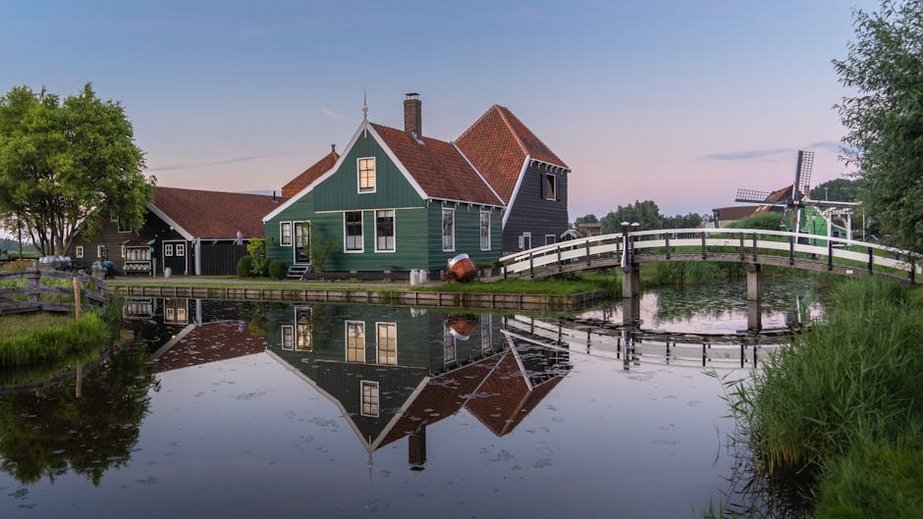
Discovering the windmills in Amsterdam offers a captivating journey into the Netherlands’ engineering genius and pastoral beauty. These iconic structures, far more than picturesque photo opportunities, were the historical engines that powered the nation’s economy, draining water to claim land and grinding ingredients for global trade. Your visit connects you to a living history, where you can witness traditional craftsmanship and understand how these giants shaped the Dutch landscape and identity.
The History and Significance of Dutch Windmills
Dutch windmills date back to the 13th century, serving as the country’s first major industrial complexes. Their primary role was water management, using Archimedes’ screws and paddle wheels to pump water from low-lying polders into higher canals. This relentless battle against the sea allowed the Netherlands to reclaim vast tracts of land from lakes and marshes.
Beyond land reclamation, these mills were versatile power sources for various industries. They processed raw materials for shipbuilding, pressed oil from seeds, and ground grains and spices. This industrial function made the Netherlands a formidable economic power during the Dutch Golden Age, with over 10,000 mills operating at their peak.
Understanding the Different Types of Windmills
Recognizing the various mill designs enriches your appreciation. Each type was engineered for a specific purpose and local condition.
- Polder Mills (Gemaal): These are the drainage workhorses, often arranged in series to lift water in stages. You’ll see them in open countryside, and their design prioritizes pumping efficiency over storage space.
- Industrial Mills (Standerdmolen & Wipmolen): Used for sawing wood, pressing oil, or making paint. The iconic post mill (standerdmolen) rotates entirely on a central post, while the hollow post mill (wipmolen) has a stationary base with a rotating cap.
- Smock and Tower Mills: These larger, stationary mills had multiple floors for storage and living quarters. The smock mill has a sloping, wooden body, while the tower mill is built from brick or stone, common in towns.
- Budget Day (Under $50 USD): Take a regional train to Zaanse Schans (round-trip ~$10), explore the free outdoor village and mill exteriors, and bring your own picnic. Optional paid entry to one working mill costs ~$7.
- Mid-Range Day ($50-$120 USD): Includes train fare, a combo ticket to enter 2-3 working mills and museums (~$20), a canal cruise at the site (~$15), and lunch at a pancake house (~$20). This offers the best value for a comprehensive experience.
- Premium Guided Day ($120-$250+ USD): Covers a half-day guided tour from Amsterdam with hotel pickup, all entrance fees, and insightful commentary. Some tours combine windmills with Volendam or Keukenhof for a broader Dutch cultural experience.
- Official Zaanse Schans Website
- Netherlands Board of Tourism – Windmills
- Kinderdijk World Heritage Site
How Windmills Shaped the Dutch Landscape
The legacy of these mills is visible across the entire country. The famous polders, like the Beemster and Schermer, are UNESCO World Heritage sites created by mill-powered drainage. These perfectly flat, geometric landscapes with their straight canals are a direct result of centuries of water management.
Furthermore, windmill technology enabled the growth of cities like Amsterdam. Sawmills in the Zaan region mass-produced timber for the shipbuilding industry, fueling exploration and trade. Without this innovation, the urban canals and merchant houses of the Golden Age might never have been built.
Alt: “zaanse-schans-windmills-river-landscape-netherlands”
Windmills in Amsterdam – Planning Your Visit
Planning your visit to see the windmills in Amsterdam requires understanding that the most famous clusters are just outside the city center. The most efficient approach is to dedicate half a day to a full day for an excursion. Focus on one primary site to fully experience the mills, museums, and workshops without rushing.
Your budget will dictate your experience. Independent travel using public transport is cost-effective, while guided tours offer convenience and deeper historical context. Booking tickets online in advance is highly recommended for popular sites like Zaanse Schans, especially during peak summer months from May to September.
Remember to wear comfortable walking shoes, as the best mill sites involve unpaved paths and dykes. Weather changes quickly, so pack a waterproof layer regardless of the forecast. This preparation ensures you comfortably enjoy your exploration of these historic landmarks.
Best Time to Visit Amsterdam’s Windmill Sites
The ideal time for a windmill tour is between late April and early October. During these months, from April to October, you’ll experience milder weather, with average highs between 55-66°F (13-19°C), and all outdoor attractions and museums are fully operational. This period also offers the greenest landscapes and longest daylight hours for photography.
Shoulder seasons like April-May and September-October provide fewer crowds while maintaining good weather. Winter visits, from November to March, have a stark, atmospheric beauty with temperatures of 34-42°F (1-6°C), but some workshops may have reduced hours. Check specific mill opening times if traveling between November and March.
Budget Planning and Costs
Costs vary based on travel style and distance from Amsterdam. Here is a typical breakdown for a day trip.
Essential Preparation Checklist
Pack practical items for a day in the Dutch countryside. Essentials include a compact umbrella or rain jacket, sturdy walking shoes for dirt paths, a power bank for your phone, and a reusable water bottle. For photography, a wide-angle lens captures the full scale of the mills, and a polarizing filter helps manage reflections on water.
Ensure you have a valid travel insurance policy covering the Netherlands and that your debit/credit card has no foreign transaction fees. Download the 9292 or NS app for real-time Dutch public transport schedules. Book regional train tickets online via the NS website to potentially secure a small discount.
Top Windmill Sites and Attractions Near Amsterdam
The Netherlands preserves its milling heritage in several accessible locations. While Amsterdam’s city limits house a few notable examples, the most impressive concentrations are short train, bus, or bike rides away. Each site offers a different perspective, from industrial history to serene countryside views.
Choosing which site to visit depends on your interests. Do you want a bustling, immersive village with many mills? Or a quieter, more authentic spread of working machinery in a rural setting? Your available time and transport preferences will also guide this decision effectively.
Must-See Highlights: Zaanse Schans
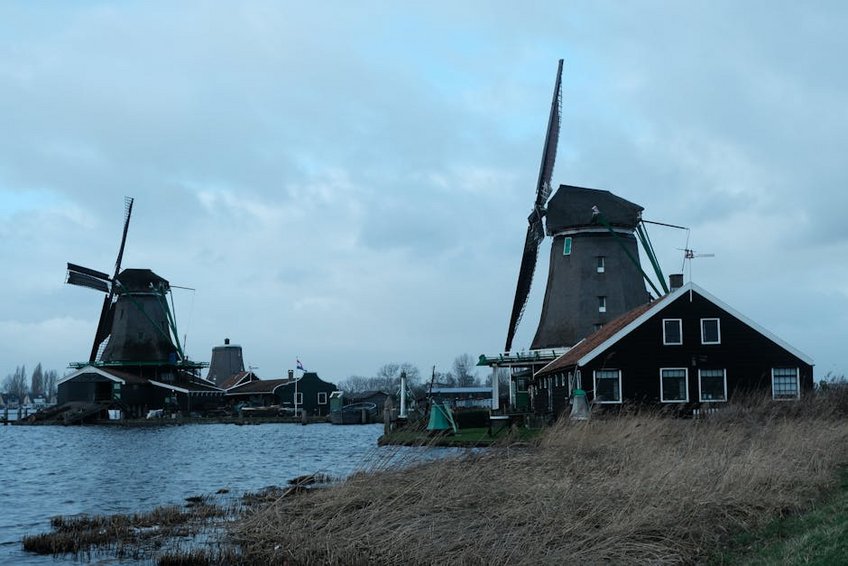
Zaanse Schans is the most popular and accessible windmill destination from Amsterdam. This open-air museum features over a dozen operating mills, relocated here to form a historic village. You can watch the De Kat paint mill grind pigments, see the De Zoeker press oil, and explore clog and cheese workshops.
Allow 3-4 hours minimum. Arrive early (before 11 AM) or later in the afternoon (after 3 PM) to avoid the largest tour groups. The Zaans Museum provides excellent historical context. Entry to the village is free, but you must pay individually to enter each working windmill, typically $6-$8 USD each.
Hidden Gems and Local Favorites
For a less crowded experience, visit the Molen van Sloten (Sloten Windmill) in Amsterdam-West. This is the only Amsterdam mill you can tour internally without leaving the city. It’s a fully functioning polder mill with engaging guided tours that explain the drainage process.
Another excellent option is Museummolen de Valk in Leiden, a 25-minute train ride south. This stone tower mill dominates the city skyline and houses a superb museum spread across seven floors. The views from the platform are breathtaking, offering a different urban-mill perspective.
Authentic Countryside at Kinderdijk
A UNESCO World Heritage site, Kinderdijk boasts 19 authentic 18th-century polder mills in a dramatic, watery landscape. While farther from Amsterdam (about 90 minutes by combination of train and waterbus), it is arguably the most iconic panorama of Dutch water management.
Visit here for the photography and sheer scale. You can walk or cycle freely along the dykes. The visitor center explains the World Heritage status. Consider the “Drie Molens” boat tour for unique views from the water. It’s a longer day trip but unparalleled for authenticity.
Practical Travel Information for Windmill Explorers
Navigating to and around the windmill sites is straightforward with Holland’s efficient public transport. The key is planning your route in advance using official apps. Most sites are not in central Amsterdam, so factor in 20-90 minutes of travel time each way depending on your chosen destination.
Accommodation is best secured in Amsterdam itself, using the city as a base for day trips. Staying in neighborhoods like Amsterdam Centrum, Jordaan, or De Pijp offers easy access to Central Station for your excursions. Booking accommodations 2-3 months in advance guarantees better rates and selection.
| Site | Travel Time from Amsterdam Centraal | Key Feature | Estimated Visit Duration |
|---|---|---|---|
| Zaanse Schans | 18 minutes by direct train | Clustered industrial mills & workshops | 3-5 hours |
| Molen van Sloten (Amsterdam) | 20 minutes by Tram #2 | Only working polder mill in the city | 1-1.5 hours |
| Kinderdijk | 90 mins (train + waterbus) | UNESCO site with 19 mills in a row | 4-6 hours |
| Museummolen de Valk (Leiden) | 35 minutes by direct train | Stone tower mill with city museum | 2 hours |