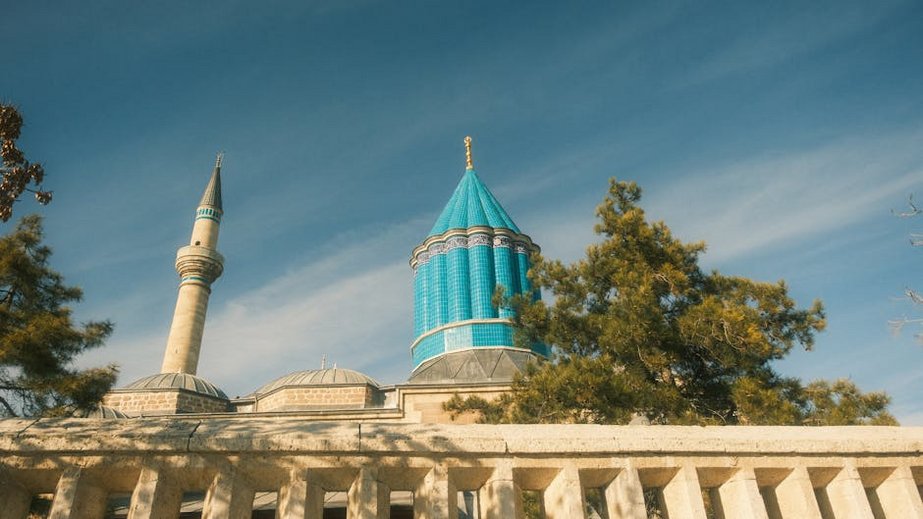
Mevlana Tour in Konya: A Journey into Rumi’s Spiritual Legacy
Taking a Mevlana tour in Konya offers a profound exploration of Sufi mysticism and the enduring legacy of the 13th-century poet and philosopher, Jalaluddin Rumi. This pilgrimage connects you to a spiritual tradition centered on love, tolerance, and inner discovery, set within a historic Turkish city that feels worlds apart from coastal resorts. Our guide provides practical steps for planning your visit, from securing tickets to understanding the cultural etiquette that ensures a respectful and enriching experience.
Essential Information: Konya and Rumi’s Legacy
Konya stands as one of Turkey’s oldest continuously inhabited cities, serving as the capital of the Seljuk Sultanate of Rum from the 12th to 13th centuries. This period fostered an incredible flourishing of art, architecture, and philosophy, creating the perfect environment for Rumi’s teachings. Today, the city is a major pilgrimage destination, attracting visitors from across the globe who seek to connect with the poet’s message of universal love.
The spiritual journey here revolves around the Mevlana Museum, the former lodge of the Mevlevi order and the final resting place of Rumi. Understanding this context transforms a simple visit into a meaningful pilgrimage. The city’s atmosphere is noticeably conservative and tranquil, offering a stark and refreshing contrast to Turkey’s bustling tourist hubs.
Who Was Mevlana Celaleddin Rumi?
Before your visit, knowing Rumi’s story deepens the experience significantly.
- Born in 1207 in Balkh (modern Afghanistan), Rumi’s family migrated westward, eventually settling in Konya, where he became a renowned Islamic scholar and mystic.
- His transformative friendship with the wandering dervish Shams of Tabriz ignited his poetic passion, leading him to compose the massive spiritual masterpiece, the *Masnavi*.
- He founded the Mevlevi order, known for the Sema ceremony of whirling, which is a form of active meditation representing a spiritual ascent towards truth and love.
- Budget Traveler ($40-60/day): Stay in a guesthouse near the museum, eat at local *lokantas*, use public buses, and visit free sites. Your main cost will be transport to Konya and museum donation.
- Mid-Range Traveler ($80-120/day): Comfortable hotel breakfast included, taxi rides between sites, reserved seats for a Sema performance, and dinners at reputable kebab restaurants.
- Luxury Traveler ($150+/day): Boutique hotel in a restored Ottoman house, private guided tour of the museum and city, fine dining, and a private driver for day trips to nearby archaeological sites.
- Official Mevlana Foundation Website
- Republic of Turkey Ministry of Culture and Tourism – Konya
Key Historical Context for Your Visit
The Seljuk architecture you see throughout Konya forms the physical backdrop to Rumi’s life. Monuments like the Alaeddin Mosque and the Karatay Medrese showcase exquisite tilework and design from that golden age. This context helps you appreciate why Konya became such an important center for spiritual thought.
Meanwhile, the Mevlevi order, despite being officially dissolved in the early years of the Turkish Republic, has seen a cultural revival. The Sema ceremony is now preserved as a UNESCO Intangible Cultural Heritage, performed publicly at the Mevlana Cultural Center. This ensures the tradition’s survival as a profound cultural performance.
Cultural Significance and Modern Pilgrimage
For millions, this destination is not merely a historical site but a living center of devotion. You will observe pilgrims praying quietly at the tombs, reflecting the deep, ongoing veneration for Rumi. The tour provides a unique window into a dimension of Turkish culture often unseen in beach resorts.
This spiritual tourism offers a different pace. Visitors are encouraged to move thoughtfully, speak softly, and dress modestly. Embracing this respectful approach allows for a more authentic and absorbing connection with the site’s powerful ambiance.
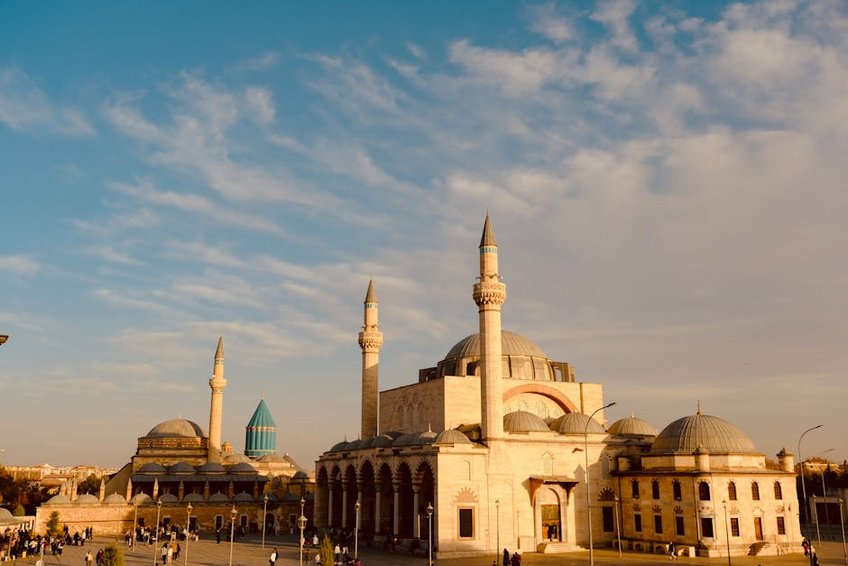
Alt: “mevlana-museum-konya-courtyard-seljuk-architecture-domed-tomb”
Mevlana Tour in Konya – Planning Your Spiritual Journey
Organizing a Mevlana tour in Konya requires some specific forethought to align with cultural events and site hours. The museum has free admission, but it draws large crowds, especially on weekends and during the annual Şeb-i Arus ceremony. Planning your arrival for early morning on a weekday guarantees a more contemplative atmosphere.
Your itinerary should balance the central museum visit with other related Seljuk-era sites scattered across the city. Allocating two full days allows for a complete immersion without feeling rushed. Consider the seasonal climate, as Konya experiences hot, dry summers and cold, snowy winters, which affects both travel and comfort while exploring.
Best Time to Visit Konya for a Rumi Pilgrimage
The ideal months for a pilgrimage are April-May and September-October. During these periods, daytime temperatures range from a pleasant 60-75°F (15-24°C) with minimal rain. Crowds are manageable compared to the peak summer tourist season across Turkey.
The most significant time is early to mid-December for Şeb-i Arus, the “Wedding Night” commemorating Rumi’s union with the divine upon his death. This week-long festival features daily Sema ceremonies. While incredibly special, it demands bookings made at least six months in advance, as the city fills with international pilgrims.
Budget Planning and Costs
Konya is remarkably affordable compared to Istanbul or Cappadocia. A daily budget is manageable at various levels.
Essential Preparation Checklist
Packing for Konya requires attention to modesty and climate. For both men and women, clothing that covers shoulders and knees is mandatory for entering the mausoleum. Women should carry a light scarf to cover their heads inside the tomb section of the museum, though it’s not always enforced.
Logistically, ensure you have comfortable walking shoes for city exploration. Book domestic flights or bus tickets to Konya well ahead, especially for festival times. While visas are needed for many nationalities, Turkey’s e-Visa system is straightforward for US, UK, and EU passport holders.
Top Attractions and Spiritual Activities
While the Mevlana Museum is the undisputed centerpiece, a complete Rumi pilgrimage incorporates several other key locations. The city’s layout is fairly compact, making it easy to walk between many of the major historical sites. Each location adds another layer to your understanding of Seljuk culture and Sufi practice.
Beyond the museum, dedicate time to experiencing a live Sema ceremony, which is the spiritual practice brought to life. Visiting the nearby archaeological site of Çatalhöyük, one of the world’s oldest known settlements, adds a staggering depth of historical perspective, connecting ancient human settlement to medieval mysticism.
Must-See Highlights
The Mevlana Museum complex is your primary destination. Inside the main building, you will find Rumi’s tomb, covered in an exquisite velvet cloth, alongside tombs of other dignitaries. The adjoining rooms house fascinating artifacts, including musical instruments, illuminated manuscripts of the Masnavi, and historical garments.
The Alaeddin Hill and Mosque offer panoramic city views and house the tombs of Seljuk sultans. The İnce Minareli Medrese, with its stunning stone façade, now serves as a Museum of Stone and Wood Art. Both sites are within a 15-minute walk from the Mevlana Museum and have small entrance fees under $2.
Hidden Gems and Local Favorites
Seek out the Şems-i Tebrizi Mosque and Tomb, dedicated to Rumi’s beloved friend and spiritual catalyst. This quieter site, located in a small park, provides a more intimate space for reflection. The atmosphere here is often deeply peaceful and less frequented by large tour groups.
For a unique local experience, visit the Konya Bazaar near the museum. It’s less overwhelming than Istanbul’s Grand Bazaar and is an excellent place to find traditional Turkish prayer beads (*tesbih*), calligraphy, and locally produced honey. Engaging with shopkeepers here is often a gentle and friendly experience.
Experiencing the Sema Ceremony
Attending a Sema whirling dervish ceremony is essential. The most authentic weekly performances for visitors are held at the Mevlana Cultural Center. Tickets cost approximately $10-15 and should be purchased a day or two in advance at the box office. Photography is strictly prohibited during the spiritual ritual.
The ceremony is not a performance but a religious ritual. The whirling, accompanied by live ney (reed flute) music and chanting, symbolizes the soul’s journey toward perfection and divine love. Observing it in respectful silence is a moving and unforgettable cultural experience.
Practical Travel Information for Konya
Konya is well-connected but requires specific planning regarding transport and lodging. The city has its own airport (KYA) with direct flights from Istanbul and Izmir. Long-distance buses from major Turkish cities are comfortable, reliable, and very affordable, often costing under $20 for an overnight journey.
Accommodation ranges from basic guesthouses to charming boutique hotels. For the fullest experience, staying within walking distance of the Mevlana Museum is highly recommended. This allows for early morning visits and easy returns to your hotel between site explorations.
| Accommodation Type | Location & Features | Price Range/Night (USD) |
|---|---|---|
| Budget Guesthouse | Simple rooms, shared bathroom, 5-min walk to museum, basic Turkish breakfast. | $25 – $40 |
| Mid-Range Hotel | Modern amenities, private bathroom, on-site restaurant, central location. | $55 – $90 |
| Boutique Hotel | Restored historical house, courtyard garden, themed decor, premium breakfast. | $100 – $160 |
| Luxury Chain Hotel | Full-service spa, multiple dining options, fitness center, near Alaeddin Hill. | $120 – $200 |