Ottoman Heritage in Bursa: Exploring the First Imperial Capital
Bursa holds a unique position as the first major capital of the Ottoman Empire, where its foundational architectural and cultural identity was forged. A journey through the Ottoman Heritage in Bursa reveals grand mosques, historic markets, royal tombs, and thermal springs that established the empire’s aesthetic and administrative blueprint. This guide provides specific historical context, visiting logistics, and cultural insights to help you navigate the city’s profound imperial legacy.
The Historical Significance of Bursa
Bursa’s rise began in 1326 when Ottoman forces, led by Orhan Ghazi, captured the city from the Byzantines. It served as the empire’s administrative heart for over a century before the conquest of Constantinople. This period established core imperial institutions, from pious foundations to grand architectural projects.
The city’s layout and buildings from this era became prototypes for later Ottoman construction across the Balkans and Anatolia. Its role as a commercial hub on the Silk Road infused wealth that funded these monumental works. Understanding this chronology enriches a visit beyond mere sightseeing.
Understanding the Early Ottoman Era
Exploring Bursa’s imperial past requires context about its 14th-century transformation. The early Ottoman state focused on consolidation and establishing a distinct identity.
- Foundational Rule: The reigns of Osman I, Orhan, Murad I, and Bayezid I (1299-1402) defined Bursa’s golden age, commissioning its most iconic complexes.
- Architectural Language: The “Bursa style” emerged here, characterized by T-plan mosques, central domes, extensive tilework, and integrated social complexes called külliye.
- Economic Engine: Control of the Silk Road trade financed construction; the Koza Han (Silk Cocoon Inn) remains a testament to this lucrative history.
- Budget Traveler ($40-60/day): Stay in a hostel near the city center, use public transport and the cable car, eat at local kebab shops, and visit free mosques and tombs. Entrance to the few paid museums adds minimal cost.
- Mid-Range Traveler ($80-120/day): Book a boutique hotel in the historic district, enjoy sit-down restaurant meals, hire a private guide for a 3-hour tour ($50-70), and take taxis between hilltop sites.
- Luxury Traveler ($180+/day): Stay at a luxury hotel with a hamam, dine at upscale restaurants in restored Ottoman houses, arrange a full-day private guide with driver, and book premium spa treatments at historic thermal springs.
- Bursa Metropolitan Municipality Official Portal
- Republic of Turkey Ministry of Culture and Tourism – Bursa
Key Historical Figures and Their Legacy
Several sultans left indelible marks on the city’s urban fabric. Orhan Ghazi established the first Ottoman mosque and madrasa, setting a precedent for future rulers. His brother, Alaeddin Bey, contributed to early urban planning and defensive structures.
Sultan Murad I built the Hüdavendigar Mosque, a unique multi-story complex combining a mosque, madrasa, and soup kitchen. The tragic Sultan Bayezid I, defeated by Timur, is entombed in a majestic mausoleum. Their legacies are etched in stone across Bursa’s historic core.
From Capital to Spiritual Center
After the capital moved to Edirne and then Istanbul, Bursa’s importance shifted. It became a revered spiritual center and a city of royal tombs. Many Ottomans requested burial here, near the founding sultans.
The city continued to receive imperial patronage for restorations and new additions throughout the centuries. This sustained attention preserved its early Ottoman character. Today, it serves as a living archive of the empire’s formative aesthetic and urban ideals.
Alt: “bursa-grand-mosque-ottoman-architecture-tiled-mihrab”
Ottoman Heritage in Bursa – Planning Your Exploration
To fully appreciate the Ottoman Heritage in Bursa, strategic planning is essential. The historic sites are concentrated but involve hills, so comfortable footwear is a must. Allocate at least two full days to cover the major complexes without rushing.
Focus your first day on the central Sultanate district around the Grand Mosque and markets. Dedicate your second day to the Yeşil (Green) complex and the Muradiye tombs. Booking a guided tour for at least one half-day provides context that signs may not fully convey. Weather significantly impacts the experience.
Best Time to Visit Bursa’s Historic Sites
Visit between late April and early June or September through October for ideal conditions. Daytime temperatures range from 65-75°F (18-24°C) with minimal rain, perfect for walking between sites. Crowds are manageable outside peak Turkish holiday periods.
The summer months of July and August see highs of 85-90°F (29-32°C), making afternoon exploration strenuous. Winters are cold and wet, with temperatures between 35-45°F (2-7°C) and possible snow. However, the thermal baths are most appealing during this chilly season.
Budget Planning and Costs
Most sites are free, making Bursa an excellent value destination for history enthusiasts.
Essential Preparation Checklist
Pack modest clothing covering shoulders and knees for mosque entry; women should carry a scarf. Bring comfortable walking shoes with good grip for cobblestone streets and hills. A small daypack holds water, guidebook, and an extra layer for cooler mosque interiors.
Ensure you have Turkish Lira (cash) for small vendors and transportation; while cards work in hotels, markets prefer cash. Download an offline map of Bursa’s historic core. Research basic Turkish phrases for greetings and thanks, as it enhances local interactions.
Top Imperial Sites and Landmarks
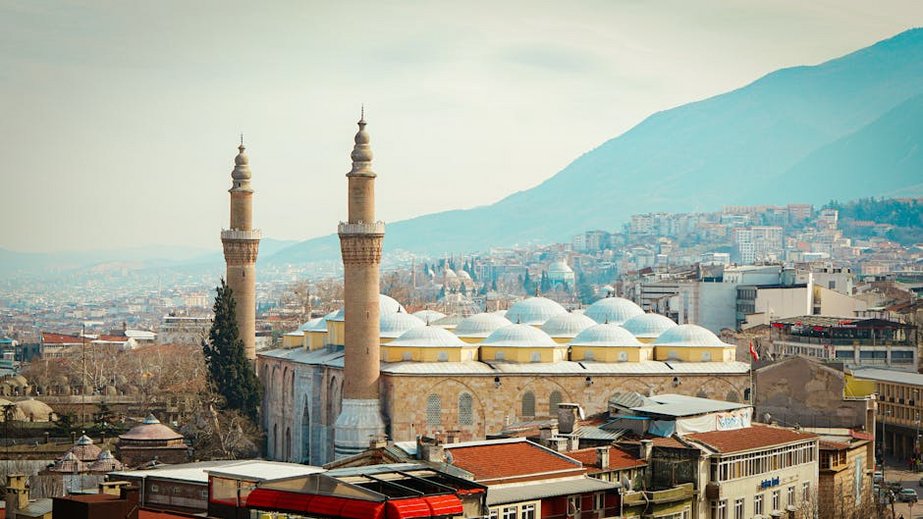
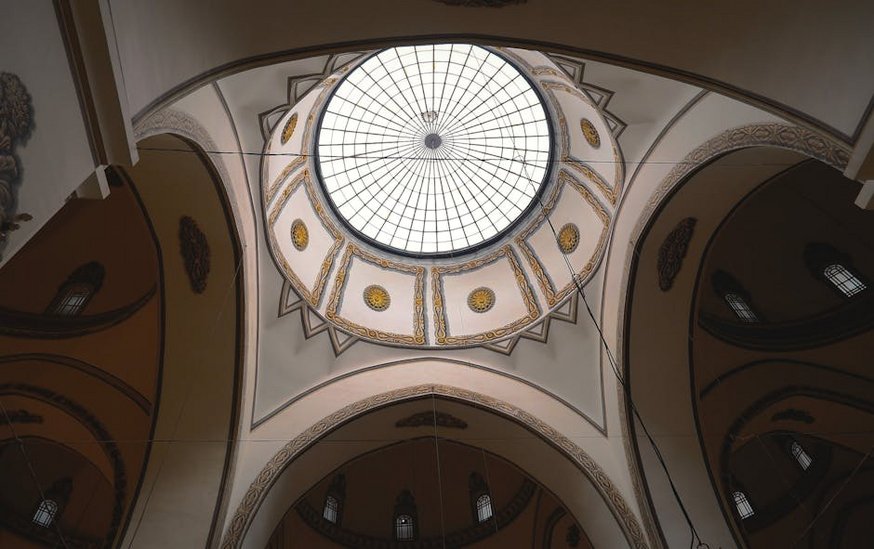
Bursa’s architectural wonders are its primary draw. The Grand Mosque (Ulu Cami) is an overwhelming space with twenty domes and a stunning calligraphic interior. It represents the early Ottoman ambition for imperial-scale congregational spaces.
The Yeşil (Green) Complex, named for its brilliant tiles, includes a mosque, tomb, madrasa, and soup kitchen. The adjacent Muradiye Complex houses the tranquil tombs of later sultans and princes in a garden setting. Each site showcases a different phase of artistic development.
Must-See Architectural Complexes
The Grand Mosque (1399) is non-negotiable. Admire its Seljuk-influenced portal, the monumental fountain inside, and the intricate woodwork of the minbar. Allow 45 minutes to absorb its scale and detail. Entry is free, but avoid prayer times.
The Yeşil Türbe (Green Tomb) of Sultan Mehmed I is the city’s tilework masterpiece. Its interior glows with thousands of turquoise and green Iznik tiles. The adjacent Yeşil Mosque features a stunning marble entrance and mihrab. A small entry fee applies to the tomb.
The Muradiye Complex is a serene escape. Stroll through the garden cemetery containing twelve Ottoman tombs, including that of Şehzade Mustafa. The simple yet elegant mosque anchors the site. The atmosphere here is profoundly contemplative.
Hidden Gems and Local Favorites
Seek out the Emir Sultan Mosque, rebuilt in the 19th century but on a 15th-century site with fantastic city views. The surrounding neighborhood feels authentic and residential. Visit the nearby cemetery for a poignant vista over Bursa.
Discover the Tophane area, the original citadel. It offers panoramic views and the tombs of Osman and Orhan Ghazi, the empire’s founders. This spot is especially popular at sunset. It’s a short walk from the Grand Mosque but often less crowded.
The Historic Markets and Hans
The Covered Bazaar (Kapalı Çarşı) and Koza Han form the commercial heart of old Bursa. Koza Han, built by Bayezid II in 1491, is a two-story courtyard inn where silk traders operated. Its central tea garden under a tree is a perfect rest stop.
Wander through the connected streets selling everything from towels to spices. The atmosphere is more relaxed than Istanbul’s Grand Bazaar. This area showcases how trade and piety were intertwined in Ottoman urban design.
Practical Travel and Logistics
Bursa is well-connected and visitor-friendly. Most international travelers fly into Istanbul (IST or SAW) and take a combined bus and ferry ride to Bursa. The journey takes about 3-4 hours total. Direct buses also run from other major Turkish cities.
Within Bursa, the historic center is walkable, but the cable car (Teleferik) is essential for reaching the mountain-side districts and offers stunning views. Taxis are affordable for longer hops. Purchase an Istanbulkart transit card; it works on Bursa’s buses and cable car.
| Accommodation Type | Best Location & Features | Average Nightly Price (USD) |
|---|---|---|
| Hostel/Guesthouse | Around Çekirge or City Center; basic amenities, shared bathrooms, social atmosphere. | $15 – $30 |
| Boutique Hotel | Restored Ottoman house in Tophane or Muradiye; authentic decor, central courtyard, breakfast included. | $70 – $120 |
| Luxury Thermal Hotel | Çekirge district; private thermal spring pools, full spa services, fine dining, historic building. | $150 – $300+ |
| Modern Hotel | Near Kent Meydanı (City Square); international standards, business facilities, easy transport access. | $50 – $90 |