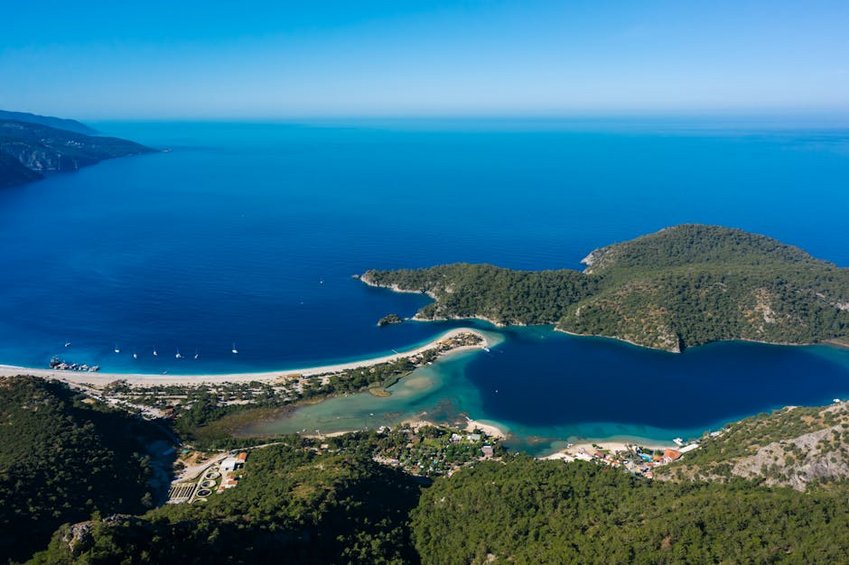
Hidden Beaches in Mugla: Your Guide to Secluded Turquoise Shores
Turkey’s Turquoise Coast in Mugla offers far more than the well-trodden sands of Oludeniz and Marmaris. Discovering the hidden beaches in Mugla requires a sense of adventure and local knowledge, rewarding travelers with pristine coves, crystalline waters, and a genuine escape from the crowds. This guide provides detailed maps to these secluded spots, including access tips, seasonal advice, and insights into the authentic coastal life waiting beyond the main resorts. You’ll learn how to plan your perfect beach-hopping itinerary along this stunning Mediterranean coastline.
Mugla’s Coastal Landscape: An Essential Primer
The Mugla province spans a dramatic coastline where the Aegean and Mediterranean seas meet. This region is characterized by rugged peninsulas, dense pine forests, and countless inlets that shelter secret bays. Historically, this geography provided safe harbors for ancient Lycian and Carian civilizations, leaving behind archaeological sites adjacent to sandy shores. Understanding this lay of the land is key to navigating beyond the popular tourist centers.
Regions and Access Points
Your search for quiet shorelines should focus on specific districts.
- The Datca Peninsula boasts a long, serpentine coastline with remote coves like Hayitbuku, accessible primarily by boat or rough tracks, offering total isolation amidst wild olive groves.
- Around Fethiye, the coastline south of Oludeniz conceals gems like Cold Water Bay, a clothing-optional pebble beach reached via a steep forest trail, favored by locals and intrepid hikers.
- The Bozburun Peninsula, quieter than its neighbor Marmaris, features secluded shingle beaches such as Serce Limani, a historic natural harbor with remarkably clear water perfect for snorkeling.
- Budget Explorer: Rent a small car ($30-40/day), self-cater with picnic supplies, and use public *dolmus* minibuses to peninsula bases. Focus on free-access beaches, keeping daily costs around $50-70 per person.
- Mid-Range Discoverer: Opt for a SUV rental ($50-70/day), enjoy lunch at simple beach *gözleme* cafes, and book a half-day private boat tour ($100-150) to reach inaccessible coves. Daily budget averages $100-150.
- Luxury Escape: Charter a private gulet yacht for a multi-day blue cruise ($1,200-2,000/day for a group), with crewed service accessing pristine bays for exclusive swimming and gourmet meals prepared on board.
- Go Turkey Official Tourism Portal
- Lonely Planet Mugla Travel Guide
- Culture Routes in Turkey Association
What Defines a “Hidden” Beach Here
A secluded cove in this context typically lacks large hotels, sunbed rentals, and motorized water sports. Access is often via an unsealed road, a footpath, or solely by sea. These locations may have a simple family-run shack serving tea and basic meals, preserving a rustic, unhurried atmosphere. The defining reward is enjoying stunning natural beauty with only the sound of waves and cicadas for company.
Climate and Best Visiting Conditions
The Mediterranean climate delivers hot, dry summers and mild, wet winters. Summer temperatures frequently reach 95°F (35°C) from July to September, making early morning and late afternoon beach visits most comfortable. The sea remains warm enough for swimming from May through October, with water temperatures peaking at 79°F (26°C) in August. The Meltemi wind can affect northern coves in July and August.
Alt: “datca-peninsula-secluded-cove-turquoise-water-pine-trees”
Hidden Beaches in Mugla – Planning Your Discovery
Successfully finding these secret spots requires more planning than a standard resort holiday. You will need to consider transportation carefully, as public buses rarely service the tracks leading to the best coves. A reliable rental car with good clearance is highly recommended for navigating unpaved roads. Budget extra time for slow travel and spontaneous stops, as the journey itself is a scenic highlight of hunting for hidden beaches in Mugla.
Best Time to Visit for Seclusion
Visit from late May to mid-June or September to early October for optimal conditions with fewer visitors. Daytime temperatures range from 75-85°F (24-29°C), and the sea is pleasantly warm. July and August are peak season; while all beaches are busier, weekdays and early mornings at remote spots remain relatively quiet. The winter months from November to April are mild but better for hiking than swimming, with average temps of 55-65°F (13-18°C).
Budget Planning and Costs
Costs vary based on your access method.
Essential Preparation Checklist
Pack water shoes for rocky entries, a high-SPF sunscreen, a wide-brimmed hat, and a quality cooler bag. You must carry ample drinking water and snacks, as facilities are scarce. Ensure your phone has offline Google Maps downloaded and a local SIM card for emergencies. For navigation, the Maps.me app is invaluable for marking trailheads and unmarked turn-offs. Bring cash (Turkish Lira) for small rural purchases.
Top Secluded Beaches and Coves to Explore
Beyond the famous Blue Lagoon, Mugla’s coastline shelters numerous breathtaking spots. Each offers a unique character, from sandy stretches nestled between cliffs to pebbly bays surrounded by ancient ruins. Reaching them is part of the adventure, involving scenic drives, woodland walks, or arranging a boat transfer from a nearby village. Patience and preparation are always rewarded with an unforgettable swimming experience.
Must-See Hidden Gems
Kabak Bay, near Faralya, is a bohemian paradise accessible via a steep 30-minute hike. This pebble beach sits at the base of towering cliffs, with rustic treehouse accommodations and a incredibly clear, deep bay. Cleopatra’s Island (Sedir Island) in the Gulf of Gokova features unique golden sand, legendarily imported for the Egyptian queen. Access is by small ferry from Akyaka or Camlı, and there’s an entrance fee of about $5.
Kargı Bay, on the southern Datca coast, is a long, sandy stretch with remarkably shallow, warm water. It’s reachable by a decent but winding road, ending at a few small pensions and a restaurant. The absence of large developments makes it ideal for families seeking a peaceful shoreline. Always check road conditions after winter rains before attempting access.
Local Favorites Off the Radar
Locals treasure spots like Sogut Beach, near Bozburun. This long, curving bay has a mix of sand and pebbles, backed by olive trees, with a couple of excellent fish restaurants. It’s popular with Turkish holidaymakers but remains unknown to most international package tourists. Another is Kızkumu, a unique beach in Orhaniye where you can walk hundreds of meters into the sea on a submerged sandbar.
For complete isolation, experienced drivers can seek out the coves near ancient Loryma on the Bozburun Peninsula. The ruins themselves are impressive, and the nearby pebbly inlets are rarely visited. These areas have no facilities, so you must carry everything in and out. The sense of discovery here is unparalleled.
Beach-Hopping by Boat
The absolute best way to experience these secret shores is from the water. Daily “12-Island” boat tours from Bodrum or Marmaris offer glimpses, but for true privacy, hire a local fisherman for a private day trip ($80-120) from towns like Datca or Bozburun. They know every hidden inlet and can drop you on beaches completely inaccessible by land. This method provides flexibility and a truly authentic experience.
Practical Travel and Logistics Guide
Navigating Mugla requires a blend of planning and spontaneity. The main gateway is Dalaman Airport (DLM), with direct flights from many European cities. Bodrum Milas Airport (BJV) serves the northern part of the province. Renting a car immediately upon arrival is the most efficient strategy. While the highway network is good, remember that the final approach to many coves will be on narrow, unpaved tracks.
| Beach Category | Access & Features | Estimated Daily Cost (USD) |
|---|---|---|
| Road-Accessible Coves | Reachable by car (sometimes rough track), basic parking, often a simple cafe. Potential for moderate crowds on summer weekends. | $30-50 (incl. transport & food) |
| Hike-In Bays | Requires a 15-45 min forest or cliff path walk. No facilities, pure nature. Best for solitude and adventurous swimmers. | $20-40 (picnic supplies) |
| Boat-Only Beaches | Accessible solely by private boat, yacht, or water taxi. Highest level of privacy and pristine conditions. | $80-150+ (boat hire) |
| Beach Clubs (Alternative) | For a comfort day; paid entrance ($10-25) includes sunbed, umbrella, and sometimes lunch. More social, less “hidden.” | $50-80 per person |