Waterfall Tour in Antalya: Exploring Türkiye’s Turquoise Cascades
Taking a waterfall tour in Antalya immerses you in the stunning contrast between the Mediterranean coast and the rugged, water-rich Taurus Mountains. This region, often called the Turkish Riviera, hides numerous powerful cascades within short drives from the city center, each offering unique swimming holes, hiking trails, and photo opportunities. This guide details the essential falls, provides practical planning advice, and shares local tips for maximizing your aquatic exploration.
Essential Information on Antalya’s Waterfalls
The Antalya region’s hydrology is a gift from the Taurus Mountains, which capture precipitation and feed rivers that plunge toward the sea. This creates a series of permanent and seasonal falls, accessible year-round with varying intensity. The area’s unique karst topography also contributes to the vibrant turquoise and emerald hues seen in many plunge pools, a result of dissolved mineral deposits.
Historically, these waterfalls powered ancient mills and provided vital water sources for settlements. Today, they form a cornerstone of the region’s eco-tourism. Visiting them supports local communities that have developed viewing platforms, restaurants, and walking paths around these natural attractions.
Understanding the Geography
The falls are scattered across three main areas relative to Antalya city center. This distribution affects travel time and trip planning logistics significantly.
- The Upper Düden and Kurşunlu Waterfalls are located inland, north of the city, surrounded by dense pine forests and offering a more secluded nature park experience.
- The Lower Düden and Lara regions host cascades that flow directly into the Mediterranean Sea, creating dramatic coastal vistas easily combined with beach time.
- The Manavgat and Side area, east of Antalya, features the broad, powerful Manavgat Waterfall and quieter, hidden gems further upriver, ideal for a day trip combining history and nature.
- Budget Option ($25-$50 pp): Use public dolmuş minibuses to reach accessible falls like Lower Düden, pay small entrance fees, and pack your own picnic. This requires research and patience but offers an authentic, low-cost experience.
- Mid-Range Option ($60-$100 pp): Join a shared group tour from Antalya. These full-day trips typically include 2-3 waterfall visits, lunch, hotel transfers, and a guide. This provides excellent value and hassle-free logistics.
- Luxury Option ($150-$300+): Book a private guide with a luxury vehicle for a customized full-day itinerary. This allows you to set the pace, include hard-to-reach locations, and enjoy premium amenities like a gourmet lunch basket and expert photographic guidance.
- Republic of Türkiye Ministry of Culture and Tourism – Antalya Portal
- Lonely Planet Travel Guide – Antalya & the Mediterranean Coast
Key Details for Visitors
Most major waterfalls have been developed into official parks with paid entrance, facilities, and maintained pathways. Entrance fees are modest, typically ranging from $2 to $5 per person. These parks usually include basic amenities like restrooms, shaded picnic areas, and small cafes serving tea and snacks.
The water flow is highly seasonal. Spring (April-May) offers the most powerful displays from snowmelt, while summer provides warmer swimming conditions. Winter visits reveal a quieter, sometimes icy beauty, though some secondary paths may close. Always check local conditions after heavy rain, as paths can become slippery.
Climate and Seasonal Variations
Antalya enjoys a Mediterranean climate with hot, dry summers and mild, wet winters. Summer temperatures frequently reach 86-95°F (30-35°C), making waterfall swims exceptionally refreshing. Winter temperatures average 50-59°F (10-15°C), and water flow can be surprisingly strong from mountain rainfall.
Water temperature in the pools lags behind air temperature. It remains quite cool even in summer, often around 68°F (20°C). This is a welcome relief from the heat but can be a shock initially. The best overall conditions for a cascade excursion balance strong flow with comfortable swimming, typically found in late spring and early autumn.
Alt: “antalya-duden-waterfall-plunge-pool-turquoise-water”
Waterfall Tour in Antalya – Planning Your Trip
Organizing your cascade exploration requires deciding between a self-guided rental car adventure or joining an organized group tour. Self-driving offers maximum flexibility to stay at each site as long as you wish and visit off-peak hours. Organized tours provide convenience, local guides, and often combine multiple falls with other attractions like ancient ruins.
Budget at least a full day to visit two or three primary waterfalls without rushing. Travel times between sites can be 45-90 minutes depending on traffic, especially when leaving Antalya in summer. Start your day early to beat both the heat and the crowds, particularly at the most popular locations like Lower Düden.
Prioritize your itinerary based on your interests. For iconic photos of water meeting the sea, focus on the coastal falls. For hiking and forest immersion, choose the inland nature parks. Combining both in one day is possible but will be a long, active schedule requiring an early start.
Best Time to Visit Antalya’s Waterfalls
Visit between late April and early June for the optimal balance of powerful water flow and pleasant weather. Snowmelt from the Taurus Mountains ensures spectacular cascades, with daytime temperatures averaging 68-77°F (20-25°C). Crowds are manageable before the peak European summer holiday period begins in July.
September and October constitute a strong second season. Summer crowds have diminished, the sea remains warm for swimming, and autumn rains begin to rejuvenate the water flow. July and August are peak months; expect intense heat and large crowds, but also the warmest water for swimming in the pools.
Budget Planning and Costs
Costs vary significantly based on your chosen touring style and group size.
Essential Preparation Checklist
Pack water shoes with grip for walking on wet, rocky surfaces around the pools. A quick-dry towel, swimwear worn under your clothes, and a waterproof bag for electronics are non-negotiable. Bring sun protection—a hat, sunscreen, and sunglasses—as shade can be limited on walking paths.
Carry Turkish Lira in small denominations for entrance fees, parking, and small vendors. While some parks accept cards, cash is king for smaller transactions. If driving, have a reliable offline map or SIM card, as service can fade in mountainous areas. Always inform someone of your itinerary if venturing to more remote locations.
Top Waterfall Attractions and Activities
Antalya’s cascades range from easily accessible urban wonders to remote natural treasures. Each site offers a distinct personality and set of activities beyond simple viewing. The most famous falls are well-developed for tourism, with pathways, viewing decks, and facilities.
Beyond sightseeing, many locations offer boat trips that approach the falls from the sea or river, providing a unique perspective. Several also feature behind-the-water walks or caves, allowing you to literally stand behind the curtain of falling water for a memorable experience.
Must-See Highlights
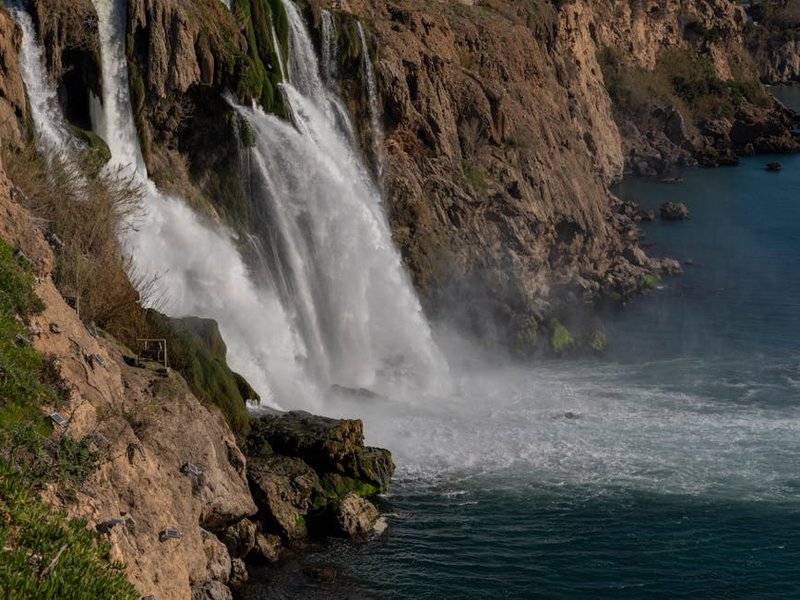
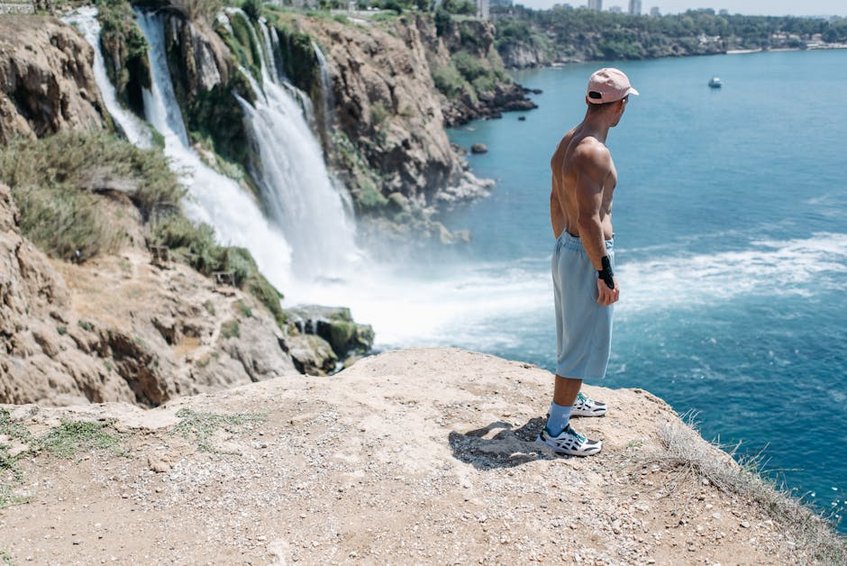
Lower Düden Waterfall is the iconic image of Antalya, where the Düden River plunges 130 feet (40 meters) directly off a cliff into the Mediterranean Sea. Visit in the late afternoon for the best light on the cascade and take a short boat tour from the nearby marina to feel the spray. Entrance to the coastal park is free.
Upper Düden Waterfall, located inland in a lush park, features multiple cascades through a forested canyon. You can walk behind part of the main fall via a man-made tunnel. Allow two hours to explore the network of paths. The nature park entrance fee is approximately $2.50.
Manavgat Waterfall, near the town of Side, is a broad, powerful cascade on the Manavgat River. It’s less about height and more about the immense volume of water. The surrounding park has excellent viewing restaurants. Combine this visit with the ancient ruins of Side for a full day trip east of Antalya.
Hidden Gems and Local Favorites
Kurşunlu Waterfall, situated in a serene nature park, is a series of seven small cascades connected by wooden walkways through a dense pine forest. It’s a favorite for locals seeking a picnic spot and is often less crowded than Düden. The tranquil environment is perfect for birdwatching and leisurely walks.
Uçansu (Flying Water) Waterfall requires a longer drive into the mountains but rewards with a stunning, tall cascade in a more rugged setting. The area feels wilder and less commercialized. The final approach involves a short, easy walk. Visit here for a sense of discovery away from the standard tourist trail.
Boat Tours and Aquatic Adventures
Boat tours departing from Antalya’s old harbor or Side often include coastal waterfall views as part of their itinerary. These range from large group pirate-themed boats to smaller, private gulets. The boat approach to Lower Düden is a highlight, allowing you to cruise right into the misty spray zone.
For the adventurous, some local operators offer canyoning or river trekking experiences in the upper reaches of waterfall systems. These involve hiking, swimming, and sometimes rappelling in pristine natural environments. These activities require a guide, proper equipment, and a good level of fitness.
Practical Travel Information
Navigating Antalya’s waterfall circuit is straightforward with some planning. The region’s tourism infrastructure is well-developed, catering to both independent travelers and tour groups. Key considerations include transportation mode, booking timing, and choosing your base location effectively.
Accommodation choices directly impact your daily travel time. Staying in central Antalya (Kaleiçi) offers easy access to tours and coastal falls but longer drives to inland sites. Resorts in Lara or Kundu are closer to Lower Düden. Staying in Belek or Side positions you well for Manavgat and eastern attractions.
| Transportation Method | Key Features & Best For | Estimated Daily Cost (USD) |
|---|---|---|
| Rental Car | Maximum flexibility, visits to multiple remote sites, family/group travel. Requires international license. | $40 – $80 + fuel |
| Organized Group Tour | Hassle-free, includes guide/lunch/transport, social experience, ideal for solo or first-time visitors. | $60 – $100 per person |
| Private Driver/Guide | Custom itinerary, luxury comfort, expert commentary, photo stops, ideal for special occasions or tailored interests. | $150 – $300+ per group |
| Public Dolmuş & Taxi | Very budget-friendly, requires planning, good for single-destination trips like Lower Düden. | $5 – $30 per person |